It sprays solution, agitates fibers, then vacuums dirty water for a deep clean.
If you’ve ever wondered how does a carpet cleaning machine work, you’re in the right place. I’ve used many models in homes and offices, tested methods, and learned what truly matters. This guide breaks down how does a carpet cleaning machine work from tank to nozzle, with clear steps, pro tips, and honest limits, so you can clean smarter and safer.

What is a carpet cleaning machine?
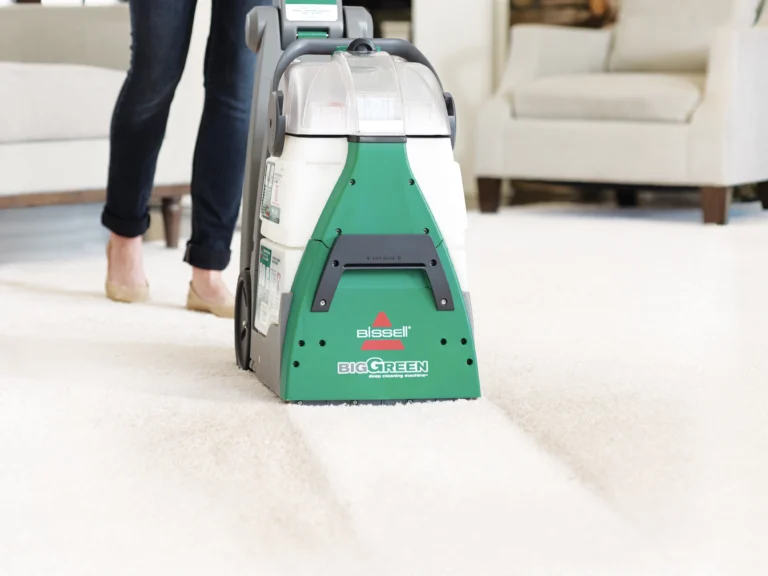
A carpet cleaning machine is a hot water extraction tool, sometimes called a carpet extractor. It sprays water and detergent into the carpet, agitates the fibers, and sucks the dirty water back up.
Home units are lighter and smaller. Pro machines are stronger and pull more water from deep in the pile. Both follow the same core process that answers how does a carpet cleaning machine work.
How does a carpet cleaning machine work: the core cycle
Here is the simple, repeatable cycle most machines use:
-
Fill and heat
You fill a clean water tank and, if your unit has a heater, warm it. Warmer water helps loosen soils. -
Mix and meter
The machine meters detergent into the spray line. Many use low-foam cleaners to protect suction motors. -
Spray and dwell
Jets spray solution into the carpet. You let it sit for a short dwell time so the chemistry can work. -
Agitate
Brushes or oscillating heads scrub the fibers. This lifts soil and breaks bond with the yarn. -
Extract
A strong vacuum pulls the dirty solution up into the recovery tank. Good suction limits over-wetting. -
Rinse
A rinse pass with clean water balances pH and helps stop re-soiling. -
Dry
Extra dry passes remove leftover moisture. Fans and open airflow speed up drying.
The core steps above are the heart of how does a carpet cleaning machine work. Follow them and you get a deep, even clean.
Do you push or pull on the cleaning pass?
Use a slow wet pass forward, then pull back for extraction. Add one or two extra dry passes to reduce moisture and speed drying.
Key components and what they do
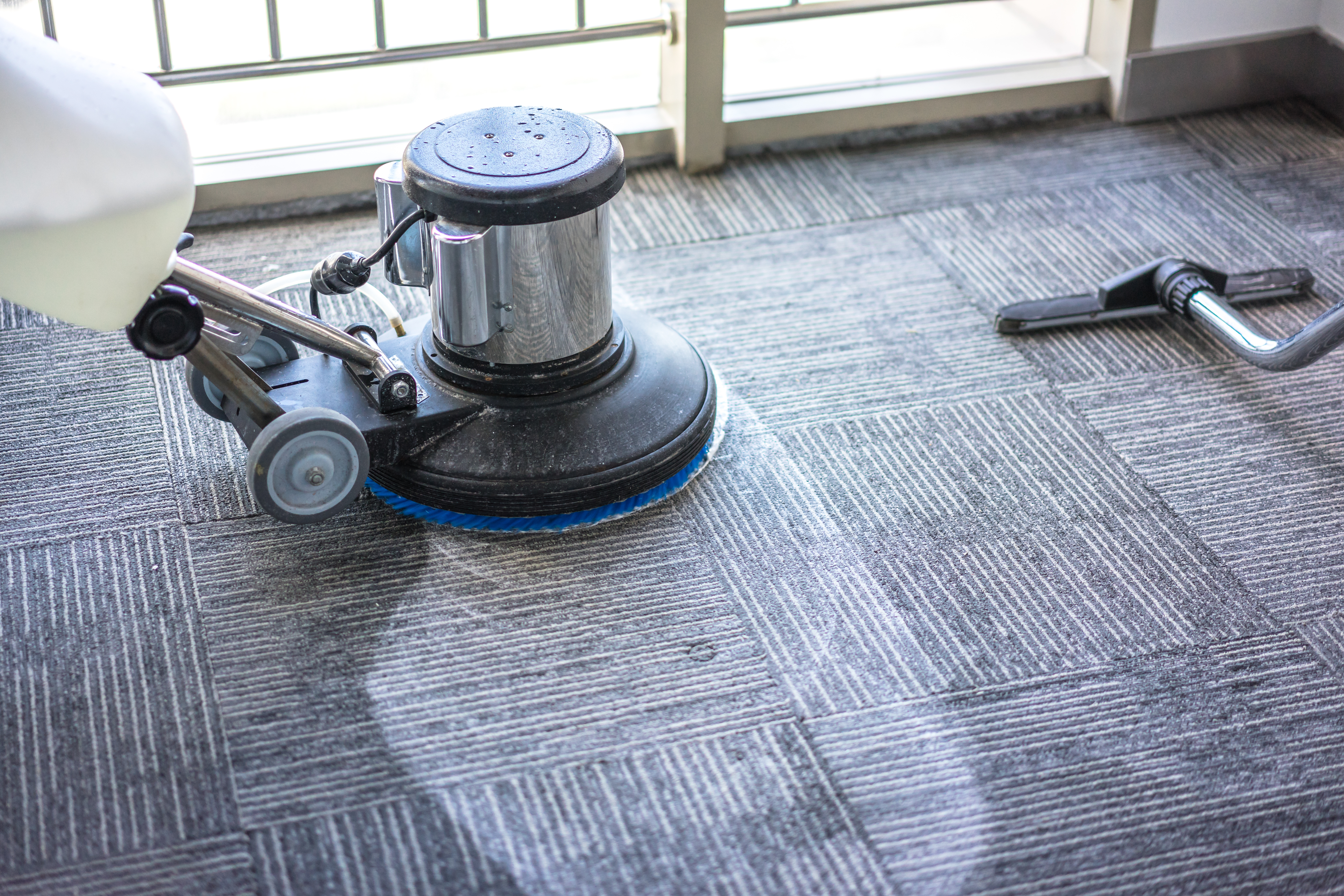
- Clean water tank: Holds fresh water; some units heat it to boost cleaning.
- Solution tank or dosing system: Mixes detergent into the spray line at a set ratio.
- Pump: Pressurizes water to feed the jets; many home units run lower PSI than pro gear.
- Heater or heat exchanger: Raises water temp; hot water helps oils and grease release.
- Spray jets: Evenly distribute solution; fan tips help cover the full path.
- Agitation system: Fixed brushes, rotating brushes, or oscillating pads lift soil.
- Vacuum motor: Creates airflow and water lift to pull solution from carpet backing.
- Recovery tank: Stores dirty water; includes a float shutoff to protect the motor.
- Filters and lint screens: Catch fibers and debris so they do not clog the system.
- Hoses and seals: Keep the system pressurized and leak-free during use.
Know these parts and you understand how does a carpet cleaning machine work at a deeper level.
Types of carpet cleaning machines
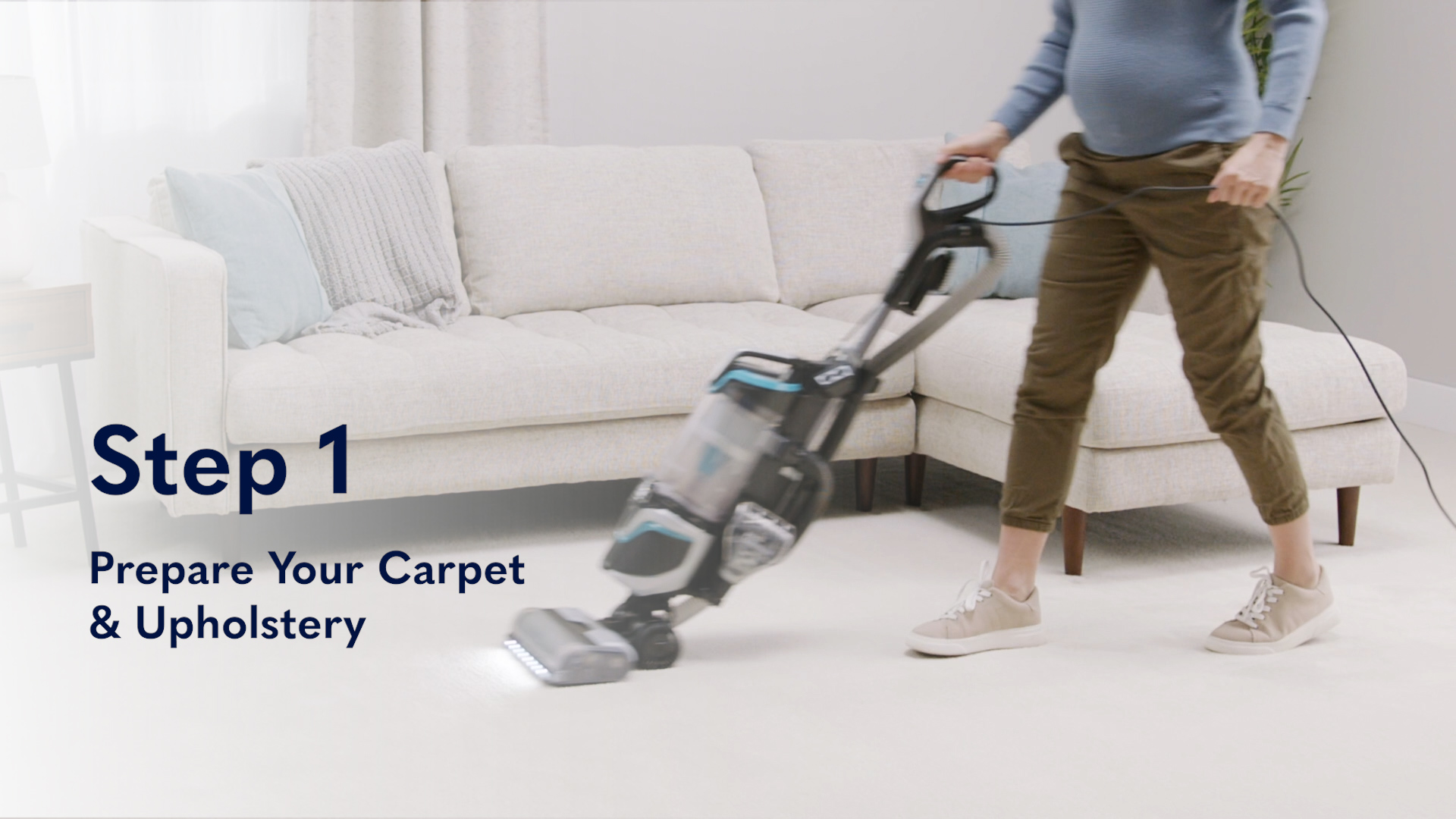

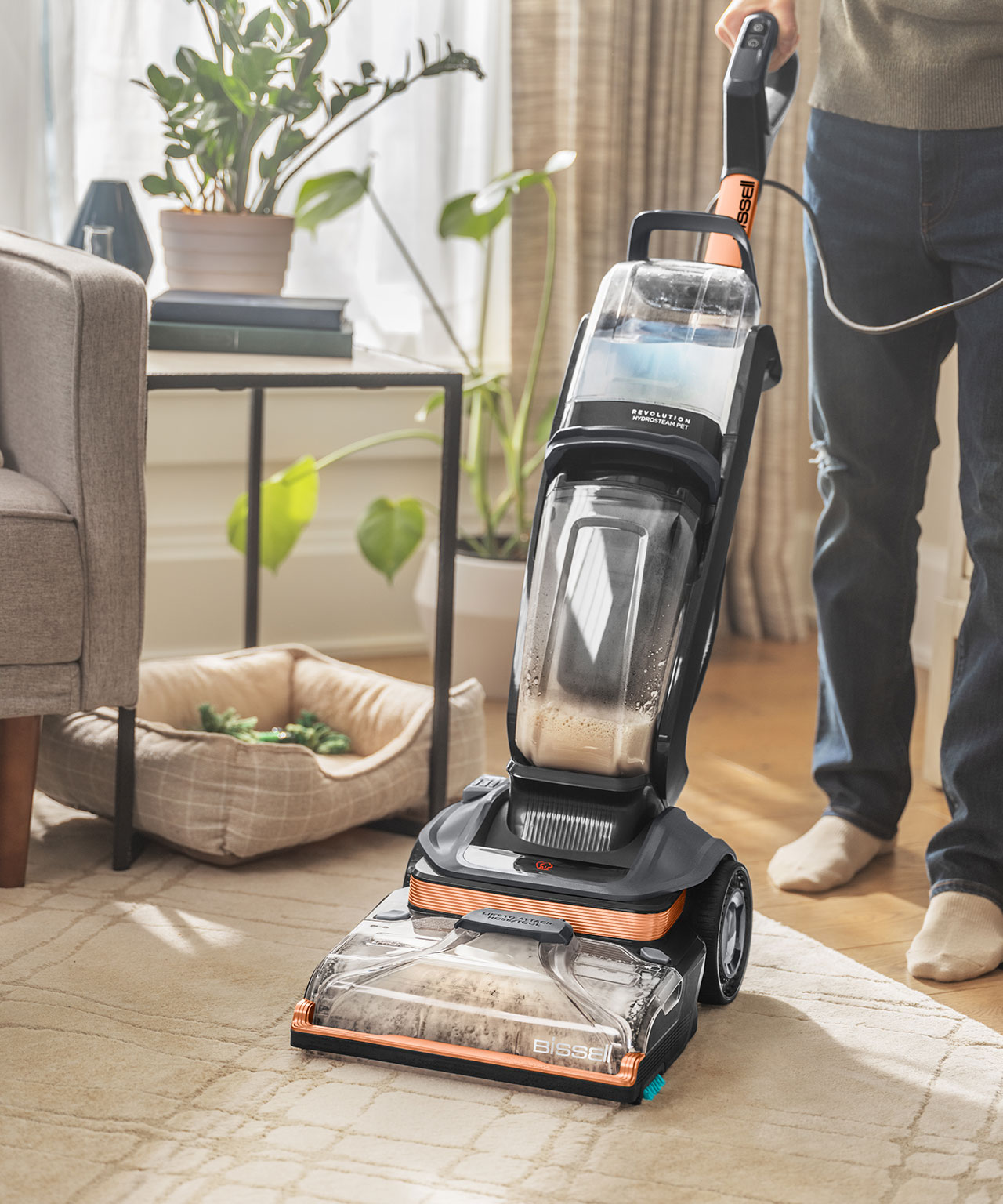
- Upright extractors: Common for homes; easy to push, built-in brushes, compact tanks.
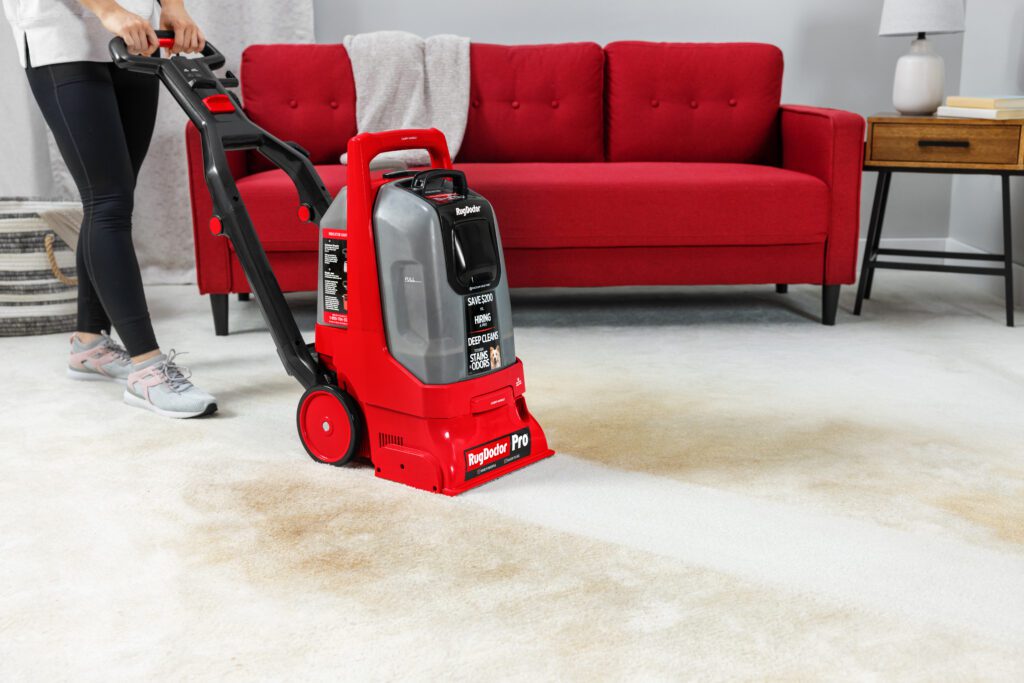
- Portable professional extractors: Higher suction and heat; used by pros in apartments and offices.
- Spot cleaners: Small units for spills, pet messes, and quick jobs.
- Canister/wand systems: Separate tank and vacuum; flexible for stairs and tight areas.
- Truckmount systems: High heat and strong vacuum from a van-mounted unit; very fast drying.
- Encapsulation machines: Use low-moisture polymers that crystallize soil for later vacuuming.
- Dry compound systems: Use absorbent sponges and minimal moisture for sensitive areas.
Each type follows the same logic that defines how does a carpet cleaning machine work, but with different power, heat, and water capacity.
The chemistry behind cleaning solutions
Soils bind to carpet through oils, static, and sticky residues. Cleaners use surfactants to break surface tension, builders to boost pH for grease, and enzymes to digest protein soils. Oxidizers target stains like wine, coffee, and some dyes.
Match chemistry to the problem:
- Light soil: Neutral or near-neutral cleaner.
- Grease and heavy traffic: Alkaline pre-spray, then rinse to neutral.
- Protein and pet stains: Enzyme cleaner; allow proper dwell.
- Natural fibers like wool: Use wool-safe, lower pH solutions and moderate heat.
Do you need hot water?
Hot water speeds reactions and helps lift oils. If the carpet or dye is heat-sensitive, use warm water and longer dwell instead.
Knowing chemistry explains another layer of how does a carpet cleaning machine work and why results vary.
How does a carpet cleaning machine work on different stains and fibers?
Fiber types respond in their own way:
- Nylon: Cleans well; can hold odors. Rinse well to avoid sticky residue.
- Polyester/olefin: Resists water-based stains but holds oils. Use a good degreaser.
- Wool: Strong but heat and pH sensitive. Keep it mild and avoid over-wetting.
Stain families to note:
- Oil-based (makeup, cooking oil): Need surfactants and some heat.
- Tannin (tea, wine): Often respond to acidic or oxygen-based spotters.
- Protein (milk, blood, pet): Enzymes help; cold or warm water is safer at first.
Will it remove pet urine smell?
Often yes, but odor can live in the pad. Flush, extract well, and use an enzyme or oxidizer made for urine. Deep issues may need pad treatment.
How to use a carpet cleaning machine like a pro
-
Pre-vacuum
Dry soil removal improves results; it also keeps tanks cleaner. -
Pre-spot and pre-spray
Treat trouble areas first. Let chemistry dwell for 5 to 10 minutes. -
Set heat and flow
Use warm to hot water if the carpet allows. Start with a modest mix rate. -
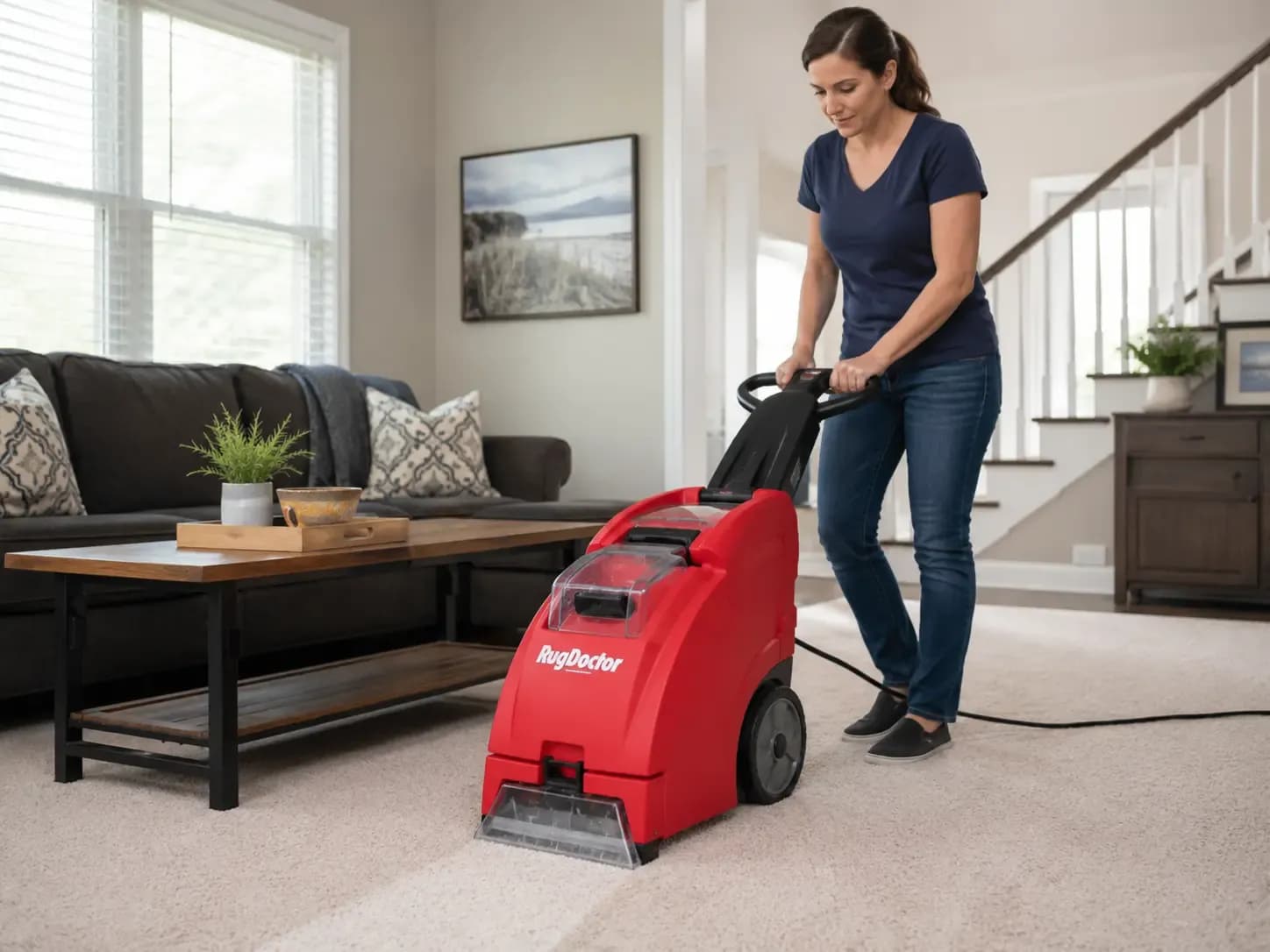
Clean in straight, overlapping passes
One slow wet pass, one slow extraction pass. Add one or two extra dry passes. -
Rinse
Use clean water to balance pH and reduce residue. -
Speed dry
Open windows, run fans, and set air to move across, not straight down. -
Groom the pile
A carpet rake evens the look and helps drying.
This is the exact workflow that answers how does a carpet cleaning machine work in day-to-day jobs.
Mistakes to avoid and troubleshooting
Common mistakes:
- Too much detergent: Leaves residue that attracts soil. Measure and rinse.
- Over-wetting: Can cause browning and wicking. Use extra dry passes and airflow.
- Skipping dwell time: Chemistry needs minutes, not seconds, to work well.
- Ignoring pre-vacuum: Dry soil turns to mud when wet.
- Using heat on sensitive fibers: Wool and some rugs need care.
Quick fixes:
- No spray: Check water level, priming, and clogged jets.
- Weak suction: Empty recovery tank, clean filters, check seals and hose connections.
- Streaks or foam: Rinse and use a defoamer in the recovery tank.
- Wicking spots: Re-clean lightly, focus on extraction, and speed dry with airflow.
Pro note: Many portable units pull around 80–120 CFM and 90–140 inches of water lift. Pumps often run 60–200 PSI, and water temps range from warm to near 200°F on pro gear. These ranges explain performance gaps and help clarify how does a carpet cleaning machine work in the field.
Benefits and limitations
Benefits:
- Deep soil removal and fresher look.
- Allergen and dust mite reduction with good extraction.
- Longer carpet life by lifting abrasive grit.
- Odor control with proper chemistry and rinsing.
Limits:
- Some stains are permanent, like certain dyes or bleached spots.
- Dry times vary with humidity, pile density, and machine strength.
- Over-wetting risks pad problems if extraction is poor.
- Wool, sisal, and some rugs need special care and lower moisture.
These trade-offs show why knowing how does a carpet cleaning machine work helps you set the right plan and expectations.
Safety, care, and maintenance
- Power and cords: Use grounded outlets and avoid running cords under wet areas.
- Hot water: Wear gloves; test heat on a small spot first.
- After each job: Empty both tanks, rinse lines, and clean lint screens.
- Weekly: Descale heaters if you have hard water. Check seals and gaskets.
- Storage: Keep tanks dry and lids cracked open. This prevents odors and mold.
Good care keeps performance high and supports the core promise of how does a carpet cleaning machine work over time.
Cost, frequency, and eco tips
- Frequency: Most homes benefit from cleaning every 6–12 months. High-traffic homes or pets may need quarterly care.
- Cost: DIY costs include rental fees, detergent, and time. Pros bring faster dry times and better stain treatment.
- Eco tips: Pre-vacuum well to use less water. Choose low-VOC, biodegradable cleaners. Rinse with cool or warm water if the carpet allows to save energy.
Use these choices to align your budget and values while still getting the results tied to how does a carpet cleaning machine work.
Frequently Asked Questions of how does a carpet cleaning machine work
How long does carpet take to dry after cleaning?
Most carpets dry in 4–12 hours with good airflow. Strong extraction and extra dry passes shorten that time.
Can I use vinegar in a carpet machine?
Use only if the maker allows it and only at low ratios. Vinegar is acidic and can set some stains or harm certain fibers if misused.
Does hot water always clean better?
Heat helps most soils, but not all fibers like it. Test a small area first and use warm water on sensitive carpets.
Will a carpet cleaner remove old stains?
Many old stains lighten but may not vanish. Permanent dye loss or past chemical damage cannot be reversed.
Is professional cleaning worth it if I own a machine?
Pros offer stronger vacuum, heat, and specialty spotters. They help on large areas, odors, and tough stains, while you handle maintenance cleans.
Does cleaning make carpets get dirty faster?
Only if residue remains. Rinse well and measure detergent to prevent rapid re-soiling.
How does a carpet cleaning machine work with area rugs?
Use low moisture and test dyes. Some rugs need off-site cleaning or dry methods.
Conclusion
You now know how the parts, chemistry, and technique come together to answer how does a carpet cleaning machine work. Spray, dwell, agitate, extract, and dry—done well, this cycle lifts soil, cuts odors, and extends carpet life.
Take the next step. Try the pro workflow above on one room, note dry times, and tweak your passes. Want more tips? Subscribe for new guides, or drop a question in the comments so we can problem-solve together.