
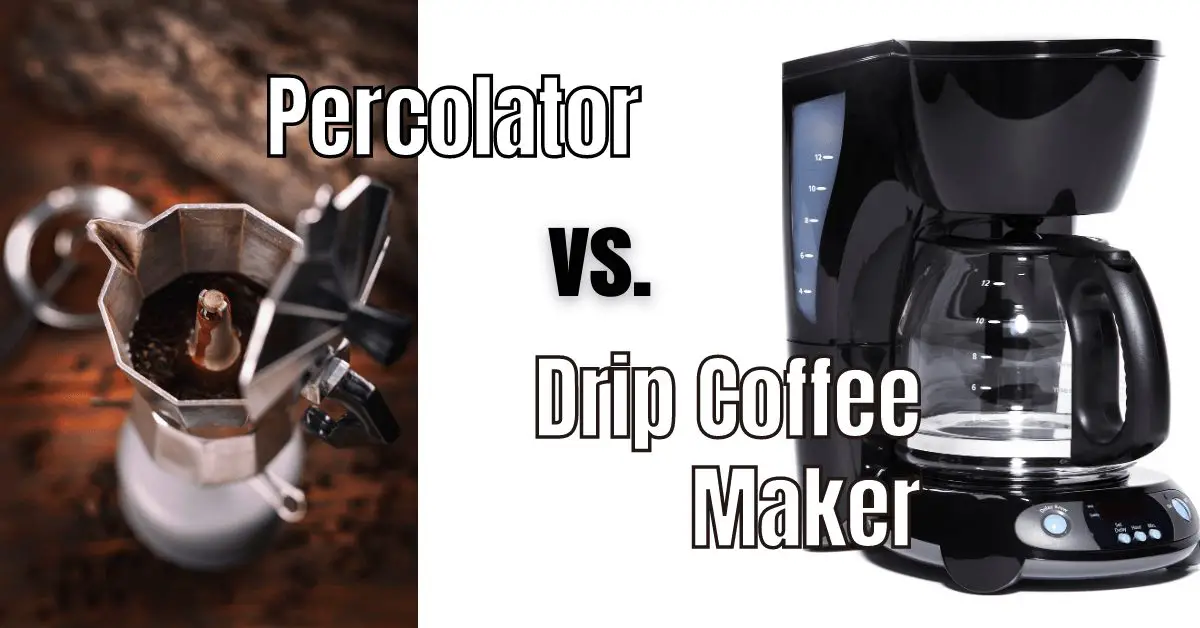
For most households in the United States, a drip coffee maker is the better daily choice. It is simple, consistent, and works well with paper filters. A coffee percolator is a better fit if you enjoy bold, hot coffee, serve a group, or want a brewer that can work without electricity when using a stovetop model.
The key difference is how each machine moves water through the coffee. A drip brewer lets hot water pass through the grounds once. A percolator repeatedly sends hot water through the grounds. That cycle can create a stronger cup, but it may also produce bitter coffee if the brew runs too long.
Introduction
Coffee drinkers in the United States often choose between two familiar brewing styles: the automatic drip coffee maker and the classic coffee percolator. Both can make a good pot of coffee, but they suit different habits, tastes, and settings.
This guide compares them by flavor, brewing method, speed, cost, ease of use, cleanup, energy use, and safety. It also explains how to choose the right option for an American kitchen, office, RV, cabin, or large gathering.

Quick Answer: Percolator or Drip Coffee Maker?
Choose a drip coffee maker if you want smooth, repeatable coffee with little effort. Choose a percolator if you prefer a bold taste, very hot coffee, or a brewer that can make many servings at once.
| Feature | Coffee percolator | Drip coffee maker |
|---|---|---|
| Brewing action | Repeatedly cycles water through coffee | Passes water through coffee once |
| Flavor | Bold, heavy, sometimes bitter | Cleaner and more balanced |
| Ease of use | Simple, but timing matters | Very easy and automatic |
| Best filter type | Metal basket or reusable filter | Paper or reusable filter |
| Sediment | More likely | Less likely with paper filters |
| Temperature control | Less precise in many models | More controlled in quality models |
| Best for | Strong coffee and groups | Daily home and office brewing |
| Electricity | Electric or stovetop options | Usually needs an outlet |
| Cleanup | Wash basket, tube, and pot | Remove filter and rinse carafe |
The biggest deciding factor is not the price. It is whether you prefer full-bodied coffee with more oils and heat or cleaner coffee with more control and less effort.

How a Percolator and Drip Coffee Maker Work
A percolator and a drip coffee maker use different paths to extract flavor from coffee grounds.
How a coffee percolator works
A typical percolator has four main parts:
- A lower chamber for water
- A vertical stem or tube
- A basket for ground coffee
- A lid and serving pot
As the water heats, it rises through the tube. It then sprays or flows over the coffee grounds in the basket. The brewed coffee returns to the lower chamber, where it heats again and repeats the cycle.
This repeated action is why percolator coffee can taste strong. The same water keeps contacting the grounds. If the cycle continues too long, the coffee may become harsh or dry.
Many electric percolators include a light or switch that signals when brewing is complete. Stovetop models require more attention because the user must control the heat and brewing time.
How a drip coffee maker works
An automatic drip coffee maker heats water and sends it to a showerhead above the coffee filter. The water passes through the grounds and then falls into a glass or thermal carafe.
The water usually contacts the grounds only once. This gives the brewer more control over extraction and reduces the chance of repeatedly pulling bitter compounds from the coffee.
Quality drip machines may include features such as:
- Programmable start times
- Brew-strength settings
- A thermal carafe
- A pause-and-serve function
- Adjustable serving sizes
- A hot plate
- A removable water tank
A paper filter also traps much of the coffee sediment and some oils. A reusable metal filter lets more oils pass into the cup.

Coffee Percolator vs. Drip Coffee Maker: Taste and Strength
A percolator usually makes stronger-tasting coffee, while a drip brewer usually makes cleaner and more balanced coffee. “Stronger” can mean more intense flavor, but it does not always mean more caffeine.
Percolator coffee often has:
- A heavier body
- More coffee oils
- More aroma
- More visible sediment
- A bolder taste
- A greater risk of bitterness
Drip coffee often has:
- A cleaner finish
- More distinct flavor notes
- Less sediment when made with paper
- Better control over strength
- A lighter body
- More consistent results
Does a percolator make stronger coffee?
Usually, yes, in terms of taste and body. However, perceived strength depends on more than the brewing device. It also depends on:
- The amount of coffee used
- Grind size
- Roast level
- Brewing time
- Water temperature
- Coffee freshness
- Filter type
A dark roast may taste stronger than a light roast even when it contains a similar amount of caffeine. A larger dose of grounds can also make either brew taste stronger.
Does a percolator make more caffeinated coffee?
Not automatically. Caffeine levels depend mainly on the coffee dose, bean type, serving size, and extraction. Longer brewing can extract more caffeine, but it can also extract more bitter compounds.
If caffeine matters to you, compare the amount of coffee used per serving rather than judging by taste alone.
Which one tastes less bitter?
A drip coffee maker is usually easier to use for low-bitterness coffee. Use a medium grind, fresh water, and a reasonable brew time. A paper filter can also reduce sediment and some oils.
A percolator can still make smooth coffee if you:
- Use a coarse or medium-coarse grind.
- Avoid finely ground coffee.
- Do not overfill the basket.
- Use the correct amount of water.
- Stop the brew when the coffee reaches the desired strength.
- Keep the coffee from sitting on high heat for a long time.

Brewing Control and Consistency
A drip coffee maker usually wins for consistency. It controls the water flow and, in many models, the brew temperature and time.
A percolator gives you more direct control with a stovetop model, but that also creates more room for error. A small change in heat can change the brew. An electric model is easier to repeat, but some low-cost models may not offer precise control.
For a reliable drip brew, start with:
- Fresh, cold water
- Medium-ground coffee
- A clean paper filter
- About 1 gram of coffee for every 16 to 17 grams of water
That ratio is a starting point, not a rule. For a 1-liter batch, 55 to 65 grams of coffee is a practical range for many drinkers. Adjust the dose to taste.
Hypothetical example
Suppose you want to brew 8 U.S. fluid ounces of coffee. Using a ratio near 1:16 would require about 14 grams of coffee.
That is roughly 2 level tablespoons, depending on grind and bean density. A scale gives more consistent results than a spoon.
Remember that many coffee machines label a “cup” as about 5 to 6 fluid ounces. A machine marked for 12 cups may not make twelve standard American mugs.
Best grind size for each brewer
| Brewer | Suggested grind | Why |
|---|---|---|
| Stovetop percolator | Medium-coarse | Helps reduce sediment and overextraction |
| Electric percolator | Medium-coarse | Supports steady flow through the basket |
| Automatic drip machine | Medium | Balances contact time and water flow |
| Drip machine with a fast cycle | Slightly finer, if needed | May improve extraction |
| Drip machine with a slow cycle | Slightly coarser, if needed | May reduce bitterness |
Avoid espresso-fine coffee in either brewer. Fine grounds can clog filters, slow water movement, and create a bitter cup.
Speed, Capacity, and Daily Convenience
A drip coffee maker is usually easier for a daily morning routine. Add water and coffee, press a button, and let the machine work.
A percolator may take longer to set up because you must assemble the tube and basket. You may also need to monitor the brew, especially with a stovetop model. However, percolators are useful when you need a large amount of hot coffee for a meal, meeting, church event, camping trip, or holiday gathering.
Drip coffee maker advantages
A drip machine may be the better fit when you:
- Brew one or two pots each day
- Want coffee ready at a set time
- Prefer a cleaner cup
- Use paper filters
- Need repeatable results
- Want a pause-and-serve feature
- Prefer less cleanup
Percolator advantages
A percolator may be the better fit when you:
- Like bold coffee
- Need to brew a large batch
- Want coffee that stays very hot
- Need a stovetop option
- Enjoy traditional coffee gear
- Want fewer electronic parts
- Brew coffee outdoors or in an RV
Capacity can be misleading. Check the manufacturer’s stated “cup” size and compare it with the number of mugs your group will drink.

Cost, Durability, and Energy Use
Both brewers are available at low, mid, and high price points. The purchase price alone does not show the full cost.
A drip coffee maker may cost less to operate if you use inexpensive paper filters and brew only what you need. A percolator can avoid paper-filter costs, especially when it uses a built-in metal basket. However, a percolator may use more heat over time because it keeps cycling and holding the coffee at a high temperature.
Long-term cost factors
Consider these ongoing costs:
- Coffee beans or ground coffee
- Paper filters
- Replacement carafes
- Energy use
- Descaling supplies
- Replacement parts
- Water use
- Repairs
A glass-carafe drip maker may need a replacement carafe if it breaks. A thermal model avoids a hot plate but can be more expensive to replace. A percolator has fewer electronic controls in many designs, which may reduce failure points, but its heating system can still wear out.
Durability
Stainless steel percolators often resist dents and heat damage better than glass. They are useful for camping, travel, and large events. Still, the basket, stem, seal, and heating element need care.
Drip machines vary widely. Basic models can be simple and reliable. Advanced models add timers, screens, pumps, and sensors. These features add convenience but may also make repair harder.
Do not assume that a more expensive brewer will always last longer. Check the warranty, replacement-part support, and care instructions before buying.

Cleaning and Maintenance
Cleaning affects taste and machine life. Coffee oils can become rancid, and mineral deposits can slow water flow.
Cleaning a percolator
After each use:
- Unplug the electric unit or remove the stovetop pot from heat.
- Let the brewer cool.
- Remove the basket and vertical tube.
- Discard the grounds.
- Rinse all removable parts.
- Wash the pot with mild dish soap.
- Dry the parts before storage.
Clean the small holes in the basket and spray cap. Blocked holes can cause uneven brewing.
For mineral buildup, follow the product manual. Some manufacturers allow a diluted vinegar solution, while others recommend a specific descaling product. Rinse well after descaling.
Cleaning a drip coffee maker
After each use:
- Remove and discard the paper filter and grounds.
- Rinse the filter basket.
- Empty leftover coffee from the carafe.
- Wash the carafe and basket.
- Wipe spills from the warming plate.
Run a descaling cycle as directed by the manufacturer. Hard water can leave mineral deposits inside the heating path. Do not mix cleaning chemicals, and do not place electrical parts in water unless the manual says they are safe to wash.
Signs that cleaning is overdue
Look for:
- Slow brewing
- A sour or stale smell
- Bitter coffee from a familiar recipe
- White mineral flakes
- Weak water flow
- A noisy pump
- Coffee that tastes different after changing nothing else

Safety Tips for Percolators and Drip Machines
Both brewers use hot water, steam, and heated surfaces. Follow the user manual and basic kitchen safety rules.
For a stovetop percolator:
- Keep the handle away from the edge of the burner.
- Use a stable burner and flat cooking surface.
- Do not open the lid while the contents are hot.
- Use oven mitts when handling the pot.
- Do not heat an empty vessel.
- Keep the heat low enough to prevent aggressive boiling.
- Never leave a stovetop brewer unattended.
For an electric percolator or drip machine:
- Keep the cord away from hot surfaces.
- Place the unit on a dry, level counter.
- Do not operate a damaged cord or plug.
- Unplug the machine before cleaning.
- Keep water away from electrical parts.
- Do not use a glass carafe with a crack or damaged handle.
- Follow the manual for maximum fill levels.
Never use a coffee maker for a purpose the manufacturer does not support. A product manual takes priority over general advice because designs differ.

Which Coffee Maker Should You Choose?
Use the following guide to match the brewer to your needs.
Choose a drip coffee maker if you want:
- Smooth, clean coffee
- Easy one-button brewing
- A programmable start time
- Less sediment
- Simple morning use
- Better control over brew strength
- A paper-filter option
- Coffee for one to several people
A drip coffee maker is the safest general recommendation for most American homes.
Choose a coffee percolator if you want:
- Strong, bold coffee
- A very hot serving temperature
- Large-batch brewing
- A traditional brewing style
- A stovetop or off-grid option
- A metal filter with more coffee oils
- A durable pot for travel or gatherings
A percolator makes more sense when its strengths match your routine. It is not automatically better or worse; it simply uses a less forgiving brewing method.
Consider a different brewer if:
- You want espresso-style drinks.
- You brew only one cup at a time.
- You need exact water temperature and brew control.
- You want a portable manual method.
- You dislike hot-plate coffee.
- You need very low sediment.
In those cases, a single-serve brewer, pour-over setup, French press, or AeroPress-style brewer may fit better. Those are separate comparisons because they use different brewing methods.

Common Mistakes and How to Fix Them
The coffee tastes bitter
Possible causes include:
- Percolating for too long
- Using too fine a grind
- Using too much coffee
- Holding coffee on high heat
- Brewing with very hot water for an extended time
- Failing to clean old coffee oils
Try a coarser grind, a shorter brew, or a lower coffee dose. With a drip machine, try a slightly coarser grind and check whether the machine needs descaling.
The coffee tastes weak
Possible causes include:
- Too little coffee
- Too much water
- A grind that is too coarse
- Very old coffee
- A clogged or slow brewer
- A short brew cycle
Increase the coffee dose in small steps. Do not solve weak coffee only by grinding much finer, since that may lead to bitterness or clogging.
There is sludge in the cup
A percolator naturally allows more sediment than a paper-filter drip machine. Use a compatible filter, avoid fine grounds, and do not shake the basket during brewing.
For a drip machine, check that the paper filter is seated correctly. A damaged filter or overfilled basket can allow grounds into the carafe.
The coffee tastes stale
Coffee left on a hot plate can lose quality over time. Use a thermal carafe or brew a smaller batch. Store coffee beans in an airtight container away from heat, moisture, and sunlight.
The brewer stops before the coffee is ready
Check the water level, power connection, and filter basket. Mineral buildup may restrict flow. If the machine smells burnt, has a damaged cord, or repeatedly trips a circuit, stop using it and follow the manufacturer’s service guidance.

Key Takeaways
- A drip coffee maker is usually best for smooth coffee, easy brewing, and consistent daily use.
- A coffee percolator is best for bold flavor, high heat, and large batches.
- Percolators repeatedly cycle water through the grounds, so they can become bitter if overbrewed.
- Drip machines usually produce cleaner coffee, especially with paper filters.
- Grind size, coffee dose, water quality, and cleaning affect the result more than the brewer alone.
- “Stronger-tasting” coffee does not always mean more caffeine.
- Check the machine’s cup size because U.S. coffee-machine cups are often smaller than standard mugs.
FAQs
Is a percolator better than a drip coffee maker?
Neither is best for everyone. A drip coffee maker is usually better for simple, consistent daily coffee. A percolator is better for people who prefer bold coffee, high heat, or large-batch brewing.
Why does percolator coffee taste stronger?
A percolator repeatedly sends hot water through the grounds. This extracts more flavor and oils, which can create a heavier body. If the cycle lasts too long, the same process can make the coffee bitter.
Can I use regular ground coffee in a percolator?
Yes, but a medium-coarse grind is usually safer than a fine grind. Fine grounds can pass through the basket or restrict water flow. Check the percolator manual for filter guidance.
Is drip coffee healthier than percolator coffee?
The answer depends on the coffee and filter. Paper filters remove much of the coffee oil known as cafestol. Metal-filter brewers, including many percolators, allow more of these oils into the cup. People managing cholesterol should ask a qualified health professional what brewing method fits their needs.
Can I make one cup in a percolator?
You can, if the model supports a small batch and you follow its minimum-fill instructions. Many percolators work better with several servings. A small drip brewer or single-cup method may be more practical for one person.
How long should coffee stay in a percolator?
Use the manufacturer’s timing guidance. If no clear guidance is available, watch the color and aroma during brewing and avoid extended heating after the coffee reaches the desired strength. Stovetop models need close attention because heat levels differ.
Conclusion
The coffee percolator vs. drip coffee maker choice comes down to control, flavor, and routine. Pick a drip coffee maker for clean, repeatable coffee with minimal work. Pick a percolator for a fuller, hotter brew and the ability to serve a group with a simple pot.
For the best results with either method, use fresh coffee, the right grind, clean equipment, and a measured coffee-to-water ratio. Start with the brewer that matches how you drink coffee—not just how it looks on the counter.

One Comment