Black Friday is one of the best times for U.S. shoppers to buy a coffee grinder, but the biggest discount is not always the best value. A good deal should match your brew method, grind needs, budget, warranty, and return policy.
For most home coffee drinkers, a burr grinder is the safer buy than a blade grinder. Before you shop, compare the grinder’s burr type, grind range, adjustment system, motor, dose method, and normal selling price. Then check the final price, shipping, sales tax, warranty, and return window.
This guide explains how to shop for coffee grinder Black Friday deals in the United States without falling for inflated “was” prices, poor-quality models, or a grinder that does not fit your coffee routine.
When Is Coffee Grinder Black Friday in the United States?
Black Friday in the U.S. falls on the Friday after Thanksgiving. Many coffee equipment brands and retailers now start sales in early November and extend them through Cyber Monday.
The exact sale dates, prices, stock levels, and return terms change each year. A listing marked “Black Friday” is not proof that the price is unusually low. Compare it with the grinder’s typical price during the weeks before the sale.
The main shopping dates
| Shopping period | What to expect |
|---|---|
| Early November | Early promotions, bundles, and email offers |
| Thanksgiving week | More deals, but some popular models may sell out |
| Black Friday | Large retailer promotions and limited-time discounts |
| Small Business Saturday | Deals from independent coffee shops and specialty sellers |
| Cyber Monday | Online discounts and possible restocks |
| December | Clearance offers, but fewer choices |
A useful rule is to set a target price before Black Friday. If a grinder normally sells for $200 and drops to $170, the discount is modest even if the page claims 30% off a higher list price.
What makes a Black Friday deal worthwhile?
A strong deal usually has several of these features:
- A price below the grinder’s recent normal price
- A seller authorized by the brand
- A full manufacturer warranty
- A clear U.S. return policy
- The right voltage and plug for U.S. use
- Free or low-cost shipping
- No required subscription or paid accessory
- Replacement burrs and parts that are available in the United States
The cheapest listing may be a gray-market import, a used item, an open-box return, or a model made for another region. Read the seller information before you buy.

What Type of Coffee Grinder Should You Buy?
The right grinder depends on how you brew coffee. A grinder for drip coffee does not need the same features as one for espresso.
Burr grinder vs. blade grinder
A burr grinder crushes coffee between two burrs. It usually gives you more control over particle size and produces a more repeatable grind.
A blade grinder chops beans with a spinning blade. It often costs less, but the grind can be uneven. It also gives you less control over the exact size of the coffee particles.
For most people buying a new grinder during Black Friday, a burr grinder is the better long-term choice. A blade grinder can still suit someone who makes coffee only now and then and wants the lowest upfront cost.
Conical burr vs. flat burr
both designs can make good coffee. The burr shape alone does not tell you which grinder is better.
- Conical burr grinders are common in home machines. They can be compact and may use less power.
- Flat burr grinders are common in many café and specialty coffee setups. They may offer a particular flavor profile or adjustment style.
- Burr material can include steel or ceramic. Material affects wear, heat behavior, cost, and replacement options, but it does not guarantee better coffee.
Look at the complete grinder design. Burr size, alignment, motor control, adjustment steps, retention, and ease of use also matter.
Match the grinder to your brew method
| Brew method | Useful grinder features | Main buying concern |
|---|---|---|
| French press | Coarse range and simple controls | Avoid a grinder that creates too many fine particles |
| Drip coffee | Consistent medium grind | Easy adjustment and repeatable dosing |
| Pour-over | Fine control around the medium range | Small adjustment steps can help with dialing in |
| AeroPress | Wide range and quick changes | Flexible settings matter more than high capacity |
| Moka pot | Fine to medium-fine range | Stable adjustment and low retention |
| Espresso | Fine range, precise adjustment, and strong motor | Espresso needs more control than basic drip coffee |
| Cold brew | Coarse range and larger dose capacity | Burr consistency and hopper size |
If you use both espresso and pour-over, do not assume that every grinder labeled “all-purpose” will perform equally well for both. Espresso often needs finer adjustment and more control than a basic drip grinder provides.

How Much Should You Spend on a Coffee Grinder During Black Friday?
A realistic budget depends on your brew method and how often you use the grinder. Prices change by brand, model, stock, and sale period, so treat these ranges as planning tools rather than fixed market prices.
| Approximate budget | Likely category | Best for |
|---|---|---|
| Under $50 | Blade grinders and basic entry burr grinders | Occasional or low-cost brewing |
| $50–$150 | Entry-level burr grinders | Drip, French press, and simple pour-over |
| $150–$300 | Better home burr grinders | Frequent brewing and more grind control |
| $300–$700 | Advanced home or entry espresso grinders | Espresso and demanding daily use |
| Over $700 | Premium home and prosumer grinders | High-volume use and specialized espresso work |
The grinder is often the most important equipment upgrade after fresh coffee beans. However, spending more does not automatically improve every cup. A $150 grinder may be a better fit than a $500 model if you mainly brew drip coffee.
Calculate the real Black Friday price
Use this simple calculation:
Final cost = sale price + shipping + sales tax + required accessories − real discounts
For example, a hypothetical grinder may have:
- Sale price: $179
- Shipping: $0
- Sales tax: $14
- Required dosing cup: $15
The total is about $208, not $179.
Also consider replacement costs. A grinder with inexpensive, available burr replacements may offer better long-term value than a cheaper model with no clear parts support.
Do not judge a deal by the percentage alone
Retailers may compare the sale price with:
- A manufacturer’s suggested retail price
- An old price that was rarely used
- A higher bundle price
- A price for a different model
- A price from a different seller
Use the exact model number when comparing prices. Two grinders may look alike but have different burrs, motors, controls, or included accessories.
What Features Matter Most in a Black Friday Coffee Grinder?
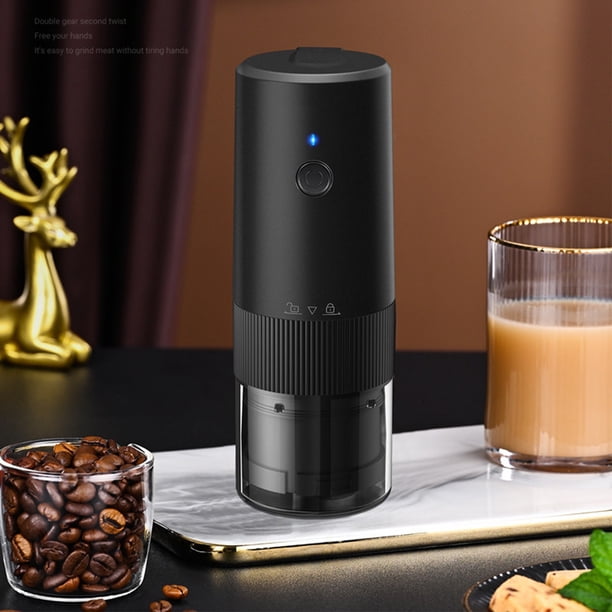
Focus first on grind control, consistency, durability, and service. Extra screens and presets are useful only if they solve a problem you have.
1. Grind adjustment
A grinder may use stepped, stepless, or hybrid adjustment.
- Stepped adjustment uses marked settings. It is simple and repeatable.
- Stepless adjustment allows very small changes. It can help with espresso but may take more time to learn.
- Hybrid systems combine broad steps with smaller adjustments.
For drip and French press, simple marked settings may be enough. For espresso, tiny changes can affect flow and taste, so adjustment range matters more.
2. Grind consistency
Consistency means producing a useful balance of particle sizes. No home grinder creates particles that are all exactly the same size.
More consistent grinding can make brewing easier because the coffee extracts in a more predictable way. Still, taste also depends on the beans, water, dose, recipe, freshness, and brewing equipment.
Do not trust vague claims such as “commercial quality” unless the listing explains the actual specification and conditions behind the claim.
3. Retention and exchange
Retention is coffee that stays inside the grinder after grinding. High retention can make dose control harder and may leave older coffee in the next dose.
Look for:
- A removable burr area
- Easy access for cleaning
- A design that limits trapped grounds
- A clear way to remove leftover coffee
- A dosing cup or portafilter support that fits your setup
Some brands advertise low retention, but the result can vary with the bean type, roast level, grind size, humidity, and cleaning routine.
4. Noise and speed
A faster grinder is not always a better grinder. A quiet grinder may be more pleasant in an apartment or shared home, while a high-speed model may help someone making several drinks.
Check independent measurements carefully. Noise results depend on microphone distance, room surfaces, bean load, and grind setting. Manufacturer noise claims are not always directly comparable.
5. Hopper and single-dose design
A hopper stores beans above the burrs. It suits people who keep one type of coffee ready to grind.
A single-dose grinder lets you add only the amount needed for each brew. It can work well for people who switch beans often or want tighter control over how much coffee enters the grinder.
Choose a hopper when convenience matters most. Choose single dosing when freshness, bean changes, or precise weighing matters more.
6. Controls and dosing
Common controls include:
- Timed dosing
- Weight-based dosing
- Manual grinding
- Preset buttons
- A start-and-stop switch
- App controls on some models
Timed dosing can be convenient, but it may change as the burrs wear or the beans change. Weight-based dosing can be more precise, but it may cost more and add electronic parts.

How to Compare Coffee Grinder Black Friday Deals
Use the same checklist for every model. This prevents a dramatic discount from distracting you from basic fit.
Step 1: Identify your main brew method
Write down the method you use most. If you make espresso only once a month, do not pay for an espresso-focused grinder unless you want the extra control.
Step 2: Set your total budget
Include tax, shipping, accessories, and replacement parts. A lower sale price can become less attractive when the grinder needs a separate dosing cup, adapter, or container.
Step 3: Record the exact model number
Do not compare products by color or product family name alone. Check the model number, burr type, included parts, voltage, and controls.
Step 4: Check the normal price
Look at several recent listings from authorized U.S. sellers. Save the price before the promotion if possible. Price history tools can help, but check that they track the exact model and not a similar product.
Step 5: Read the warranty and return policy
Confirm:
- Warranty length
- Who handles the claim
- Whether the seller is authorized
- Return shipping rules
- Restocking fees
- Open-box conditions
- The deadline for testing the grinder
A return policy matters because grind performance, noise, static, and workflow are hard to judge from a product page.
Step 6: Check parts and support
Search for the cost and availability of replacement burrs, hoppers, containers, and cleaning tools. A grinder that cannot be serviced may have a shorter useful life.
Step 7: Compare the workflow, not just the specifications
Ask how the grinder fits your routine:
- Can you load the beans without spilling?
- Can you change from coarse to fine easily?
- Can you clean it without special tools?
- Does the output fit your brewer?
- Will the noise disturb other people?
- Can you buy parts in the U.S.?
Step 8: Buy only when the trade-off is clear
A good Black Friday purchase should solve a real need. If the only reason to buy is a large discount label, wait and compare again.

Common Coffee Grinder Black Friday Mistakes
The most common mistake is buying a grinder based on the sale label instead of the coffee it needs to make.
Mistake 1: Choosing a blade grinder for espresso
A blade grinder usually lacks the fine adjustment and repeatability needed for espresso. It may be acceptable for basic brewed coffee, but it is a poor match for someone trying to dial in espresso shots.
Mistake 2: Assuming more settings mean better grinding
A high setting count does not guarantee useful control. Some settings may produce very similar results, while the important range may still be hard to adjust.
Mistake 3: Ignoring the return policy
A grinder can look good online but feel too loud, messy, slow, or difficult to adjust at home. Buy from a seller with clear return terms.
Mistake 4: Buying an imported model without checking voltage
U.S. homes generally use 120-volt power. A model made for another electrical market may not be safe or compatible with a U.S. outlet. A plug adapter does not change voltage.
Check the rating label and the manufacturer’s U.S. instructions. If the electrical information is unclear, do not use the product until the seller or manufacturer confirms compatibility.
Mistake 5: Confusing a coffee grinder with a spice grinder
Coffee grinders and spice grinders may look similar, but their designs and cleaning needs differ. Strong spice odors can remain in a grinder and affect coffee.
Mistake 6: Forgetting the beans
A premium grinder cannot fix stale beans, poor storage, or an unsuitable brew recipe. Store coffee in an airtight container away from heat, light, and moisture.
Mistake 7: Trusting every review
Reviews can reveal useful issues, but they may refer to a different revision, seller, or regional model. Give more weight to details that many owners report and that match the product’s documented design.

How to Maintain a Coffee Grinder After Black Friday
Regular cleaning helps preserve performance and reduces old coffee buildup. Follow the manufacturer’s manual first because burr removal and cleaning steps vary.
Basic cleaning routine
- Unplug the grinder before cleaning.
- Remove leftover beans from the hopper.
- Brush loose grounds from the chute and accessible areas.
- Empty the grounds container.
- Clean the hopper according to the manual.
- Remove the burrs only if the manufacturer allows it.
- Reassemble every part correctly.
- Grind a small amount of coffee and discard it if cleaning removed residue or changed the setting.
Do not put water into the motor housing. Do not use a wet cloth near electrical parts. If the grinder has a jam, unplug it before inspecting the burr area.
When should you replace the burrs?
Replacement timing varies with use, bean hardness, roast level, grinder design, and the manufacturer’s guidance. Signs of wear may include:
- Slower grinding
- More heat or unusual noise
- Less consistent particle size
- A wider range of settings needed for the same brew
- Visible damage to the burrs
Do not replace burrs based only on a calendar date. Check the manual and inspect the grinder safely.

Are Used, Refurbished, and Open-Box Grinders Worth Buying?
Used and open-box grinders can offer real savings, but they need closer inspection than new products.
Ask the seller:
- Is the grinder tested and working?
- Are the original burrs installed?
- Are all parts included?
- Is the serial number present?
- Does the manufacturer warranty transfer?
- Is there a return period?
- Has the grinder been used with flavored or oily beans?
A refurbished grinder may be a good value when the refurbishment is performed by the manufacturer or an authorized service center. A private-party sale may cost less but often provides weaker support.
For an expensive grinder, the warranty and parts supply may be worth more than a small extra discount.

Coffee Grinder Black Friday Deal Checklist
Before you place an order, confirm the following:
- The grinder matches your main brew method.
- It is a burr grinder if you need repeatable grind control.
- The exact model number is correct.
- The price is lower than the recent normal price.
- Shipping and sales tax fit your budget.
- The product is intended for use in the United States.
- The seller is authorized or clearly identified.
- The warranty is valid in the U.S.
- The return window is long enough to test the grinder.
- Replacement burrs and key parts are available.
- The grinder fits your counter, brewer, and daily routine.
- No subscription or required accessory changes the final cost.
Key Takeaways
- The best coffee grinder Black Friday deal is the one that fits your brew method, not the one with the largest percentage discount.
- Burr grinders usually offer better control than blade grinders.
- Espresso requires finer adjustment and more control than basic drip coffee.
- Compare the final delivered price with the grinder’s normal selling price.
- Check U.S. voltage, warranty coverage, seller status, return terms, and replacement parts.
- A simple, serviceable grinder can be a better value than a feature-heavy model.
FAQs
Is Black Friday a good time to buy a coffee grinder?
Yes. Black Friday often brings discounts, bundles, and free shipping on coffee equipment. Still, compare the sale price with recent prices for the exact model. Some promotions are small, and popular grinders may sell out.
Should I buy a coffee grinder or a coffee maker first?
If you already own a working coffee maker, a grinder may improve your coffee more than replacing the brewer. The best order depends on the condition of your current equipment and the quality of your beans.
Is a $50 coffee grinder good enough?
A $50 grinder may work for occasional drip coffee, French press, or basic use. It may be less suitable for espresso or for someone who wants very fine grind control and long-term service support.
Do I need a separate grinder for espresso and pour-over?
No. One versatile grinder can handle both if it has a suitable range and adjustment system. However, switching between settings can be slow, and some grinders are better at one method than the other.
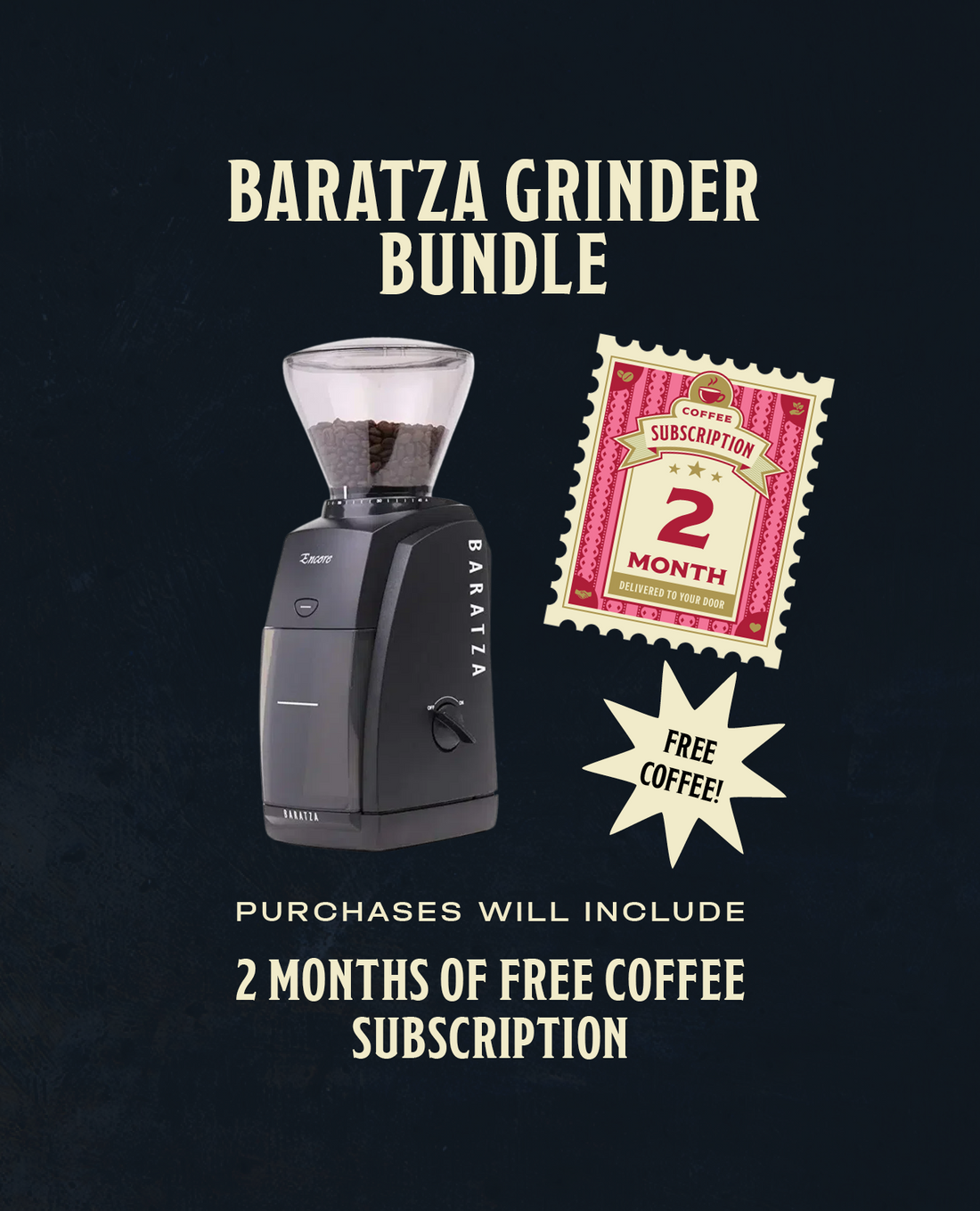
Are coffee grinder bundles worth buying?
A bundle is worthwhile when you need the included items and the combined price is lower than buying them separately. Check whether the accessories are useful, compatible, and covered by the same return policy.
How can I tell if a Black Friday discount is real?
Record the exact model’s price before the sale and compare several authorized U.S. sellers. Check the final cost after shipping and tax. Do not rely only on the stated “percent off” figure.
Conclusion
The safest way to shop for a coffee grinder on Black Friday is to choose the grinder first and the discount second. Start with your brew method, set a total budget, compare the exact model’s normal price, and inspect the warranty and return terms.
For most U.S. home coffee drinkers, a well-supported burr grinder from an authorized seller is a stronger choice than a heavily discounted blade grinder or an imported model with unclear service. If a deal passes the checklist and improves your daily coffee routine, it is probably worth considering.