
Many plants can benefit from used coffee grounds, but not because every plant loves acidic soil. In U.S. gardens, coffee grounds work best as a small part of compost or as a thin soil amendment. They can add organic matter and some nitrogen, yet they are not a complete fertilizer and should not form a thick layer around plants.
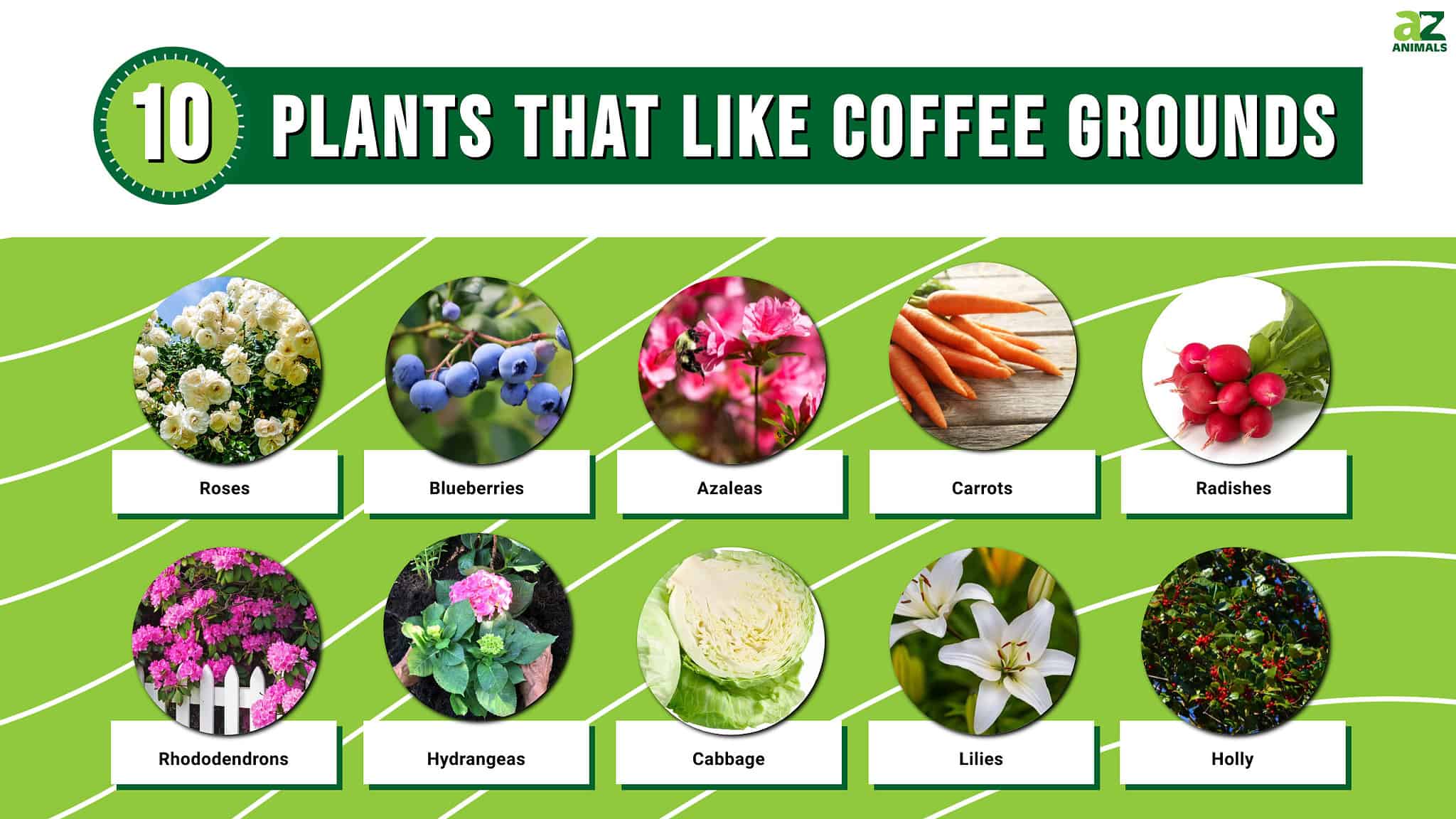
The best candidates include blueberries, azaleas, rhododendrons, roses, carrots, radishes, and many compost piles. Use caution with seedlings, indoor plants, and plants that need dry, low-nutrient soil.

Which Plants Like Coffee Grounds?
Used coffee grounds are most useful for plants that enjoy organic matter and slightly acidic conditions. They are not a reliable way to lower soil pH, though. Test the soil before using them to change acidity.
Plants that may benefit
| Plant or group | How coffee grounds may help | Best method |
|---|---|---|
| Blueberries | Adds organic matter around acid-loving plants | Add to compost or spread a thin layer |
| Azaleas | Supports soil structure and organic matter | Mix into compost, not a thick surface layer |
| Rhododendrons | May fit their preference for acidic, rich soil | Use sparingly with mulch or compost |
| Roses | Adds organic matter and slow nitrogen | Compost first or mix lightly into soil |
| Hydrangeas | May improve soil texture but does not reliably turn flowers blue | Use compost, not grounds as a pH treatment |
| Carrots and radishes | Loose organic soil can support root growth | Mix small amounts into finished compost |
| Beans and leafy crops | May gain slow nutrients after breakdown | Add to compost before planting |
| Worm bins | Provides a usable food source in small amounts | Mix with other bedding and food |
| Compost piles | Adds nitrogen-rich “green” material | Balance with dry leaves, straw, or cardboard |
Coffee grounds are most helpful when they improve the soil rather than when they sit on top of it. A healthy soil mix needs air, water, minerals, organic matter, and living organisms. Grounds can support that system, but they cannot replace compost, fertilizer, or a proper soil test.
Blueberries, azaleas, and rhododendrons are often called acid-loving plants. They do need acidic soil, but used coffee grounds usually do not lower soil pH enough to solve a high-pH soil problem. For that job, use a soil test and follow the recommendation from your state university Extension service.

Do Coffee Grounds Make Soil More Acidic?
Used coffee grounds are usually less acidic than people expect. Brewing removes much of the acid and caffeine found in fresh coffee. The final pH varies by coffee type, brewing method, and processing, but used grounds often fall near mildly acidic to neutral conditions.
Fresh grounds are more likely to affect soil chemistry and may contain more caffeine. They can also interfere with seed germination and young root growth when used in large amounts. For most home gardens, composting used grounds is the safer choice.
Coffee grounds are not a soil acidifier
Do not use coffee grounds as a substitute for:
- Soil sulfur
- A fertilizer chosen for acid-loving plants
- A pH adjustment recommended by a soil test
- Proper irrigation and drainage
- A mulch made for a specific crop
For example, a blueberry plant in alkaline soil may show yellow leaves because it cannot take up enough iron. Adding coffee grounds may not correct the problem. Soil pH, drainage, root health, and nutrient levels all need attention.
Hydrangea color also deserves caution. Blue flowers depend mainly on the plant variety and the availability of aluminum in acidic soil. Coffee grounds alone cannot reliably turn pink hydrangeas blue.
The USDA Natural Resources Conservation Service and university Extension programs recommend soil testing for decisions about pH and nutrients. A basic test is more useful than guessing from the appearance of coffee grounds.

How to Use Coffee Grounds in the Garden
The safest method is to use coffee grounds in compost or apply a thin layer mixed with other organic material. This spreads the grounds through the soil and reduces the risk of a dense, water-resistant crust.
Method 1: Add grounds to compost
Composting is the best general use for coffee grounds.
- Add used grounds to a compost pile or bin.
- Mix them with dry leaves, shredded cardboard, straw, or other carbon-rich material.
- Keep the pile damp, but not wet.
- Turn or mix the pile when it becomes dense.
- Use the finished compost around plants.
Coffee grounds act like a nitrogen-rich “green” material, even though they look brown. A pile made mostly of grounds may become compact, smell sour, or break down poorly. Balance them with dry materials.
A simple home rule is to use grounds as one ingredient among many. Do not let them dominate the pile by weight or volume.
Method 2: Mix a small amount into garden soil
For an established bed, mix a thin amount of used grounds into the top few inches of soil. Combine them with compost, shredded leaves, or another organic amendment.
Avoid placing a thick, solid layer on the surface. A dense layer can repel water when dry and restrict air movement into the soil.
Method 3: Use them as part of mulch
If you want to use grounds near shrubs, mix them with leaf mold, wood chips, or compost. Keep the mulch away from direct contact with plant stems and trunks.
A mixed mulch is better than pure grounds because it improves air flow and reduces crusting. Reapply only when the old mulch has broken down.
Method 4: Add small amounts to a worm bin
Worms can eat used coffee grounds, but they need a varied diet. Mix grounds with shredded paper, cardboard, vegetable scraps, and bedding.
Too many grounds can make a worm bin acidic, wet, and compact. If the bin smells sour or the worms avoid one area, reduce the grounds and add dry bedding.

How Much Coffee Ground Should You Use?
Use coffee grounds in small amounts. More is not better.
For a garden bed, begin with a thin scattering rather than a deep layer. Mix the grounds into compost or the top layer of soil. For potted plants, use finished compost that contains grounds instead of adding loose grounds directly to the pot.
The right amount depends on:
- Soil texture
- Drainage
- Plant age
- Existing compost levels
- Local rainfall
- Whether the grounds are fresh or used
- Whether the grounds are mixed or applied alone
A practical decision guide
| Situation | Recommendation |
|---|---|
| Established outdoor shrub | Use a thin mixed layer or compost |
| New seed bed | Avoid loose grounds; use finished compost |
| Vegetable garden | Add grounds to compost first |
| Indoor houseplant | Usually skip direct application |
| Clay soil | Mix with compost; do not create a dense layer |
| Sandy soil | Use compost to improve water and nutrient holding |
| Acid-loving plant | Test soil before changing pH |
| Fresh, unused grounds | Compost them before garden use |
| Worm bin | Use small amounts with plenty of bedding |
Coffee grounds contain nitrogen, but plants cannot use all of it at once. Microbes must break down the material first. During that process, microbes may temporarily use nitrogen from the surrounding soil. This can matter most in containers and around young plants.
If a plant is pale, slow, or stunted after grounds were added, stop using them. Remove any thick surface layer, loosen the soil, and check moisture and drainage. A soil test can help if the problem continues.

What Plants Should Not Get Coffee Grounds?
Plants that need dry soil or very low nutrient levels are poor candidates for direct coffee-ground use. Dense grounds can hold moisture near the roots and may create an unsuitable soil texture.
Avoid adding loose grounds directly to:
- Cacti and succulents
- Many Mediterranean herbs, such as rosemary and lavender
- Seedlings and newly germinated seeds
- Plants in poorly drained pots
- Plants already growing in wet or compacted soil
- Native plants adapted to lean, low-nutrient soil
- Indoor plants with small containers
This does not mean these plants can never grow in soil containing compost made with coffee grounds. Finished compost is different from a thick layer of fresh or used grounds. Compost has been broken down and blended with other materials.
Fresh grounds require extra caution
Fresh coffee grounds can contain caffeine and other compounds that may slow germination or affect plant growth. They are also more likely to form a dense layer. If you have fresh grounds, place them in the compost pile instead of spreading them around plants.
Mold is not always a problem
White fungal growth may appear as grounds break down. This is usually part of normal decomposition. Mix the material into compost and improve air flow if it becomes thick or smells bad.
However, visible mold does not mean the material is ready for use as potting soil. Indoor containers need a clean, airy growing medium with good drainage.
Coffee Grounds for Houseplants: Are They Safe?
Most houseplants do not need loose coffee grounds in their pots. Indoor containers have limited space, slower decomposition, and less natural drainage than outdoor beds. Grounds may compact around roots and attract fungus gnats when the pot stays wet.
If you want to recycle coffee grounds for houseplants, compost them first. Then use a small amount of finished compost only if the plant’s potting mix and care plan can handle extra organic matter.
Do not pour leftover coffee into plant pots. Coffee may contain caffeine, milk, sugar, or other ingredients that can harm the soil environment and attract pests. Plain water is the safer choice for routine watering.
For a houseplant with yellow leaves, check the most common causes first:
- Waterlogged soil
- Poor drainage
- Too little light
- Natural leaf aging
- Pest damage
- A nutrient shortage or excess
- Root disease
Coffee grounds are unlikely to fix these problems. A fresh potting mix, better light, or a corrected watering schedule is often more useful.

Common Coffee-Ground Gardening Mistakes
The most common mistake is treating coffee grounds as a universal fertilizer. They contain useful organic material, but they do not provide a complete, balanced supply of nutrients for every plant.
Mistake 1: Using a thick layer
A thick layer can become compacted and slow water movement. Apply a thin amount and mix it with compost or other mulch.
Mistake 2: Assuming they always acidify soil
Used grounds may be mildly acidic, neutral, or close to neutral. Test the soil if pH matters.
Mistake 3: Applying them around seedlings
Young roots are sensitive to changes in salts, moisture, and soil structure. Wait until plants are established, or use mature compost.
Mistake 4: Using only coffee grounds in compost
Grounds need dry carbon materials for balance. Add leaves, straw, paper, or cardboard.
Mistake 5: Putting grounds against stems
Keep soil amendments and mulch a few inches away from stems and trunks. Constant moisture at the base can encourage rot.
Mistake 6: Ignoring drainage
No amendment can make a poorly drained pot safe for a drought-tolerant plant. Fix the container, holes, and soil mix first.
Mistake 7: Believing coffee grounds control pests
Home claims about grounds repelling slugs, cats, ants, or other pests are inconsistent. Do not rely on coffee grounds as a proven pest-control method. Use an integrated pest management approach from a trusted Extension source.

Frequently Asked Questions
Are coffee grounds good for roses?
Used coffee grounds may add organic matter and a small amount of nitrogen around established roses. Composting them first is safer than applying a thick layer. Coffee grounds are not a complete rose fertilizer.
Do coffee grounds help blueberries?
They may be useful as part of compost or a thin soil amendment, but they are not a dependable way to lower soil pH. Blueberries need acidic, well-drained soil, so test the soil and use a recommended amendment if the pH is too high.
Can coffee grounds make hydrangeas blue?
Not reliably. Flower color depends on the hydrangea variety, soil acidity, and aluminum availability. Use a soil test and follow local Extension guidance instead of relying on coffee grounds.
Are coffee grounds good for tomato plants?
Tomatoes may tolerate small amounts of used grounds in compost, but loose grounds are not a complete fertilizer. Tomatoes need balanced nutrition, steady water, sunlight, and well-drained soil.
Can I put coffee grounds directly on my lawn?
A thin amount mixed into compost may be harmless, but a thick layer can smother grass and form a crust. Finished compost is a better lawn amendment than loose grounds.
Should coffee grounds be washed before use?
No special washing is needed for normal used grounds. Let excess liquid drain, then compost them or mix them with other organic materials. Do not use grounds mixed with sugar, cream, or flavored syrups.
Key Takeaways
- Blueberries, azaleas, rhododendrons, roses, carrots, radishes, and compost piles may benefit from used coffee grounds.
- Coffee grounds are not a reliable soil acidifier.
- Composting is the safest and most useful method.
- Never use a thick layer around plants.
- Use extra caution with seedlings, houseplants, succulents, and poorly drained soil.
- Test soil before trying to change pH.
- Fresh grounds are better suited to the compost pile than the garden bed.
Conclusion
Used coffee grounds can be a helpful garden material when used in moderation. Their main value comes from organic matter and slow nutrient release, not from a strong acid effect.
For most U.S. gardeners, the best next step is simple: add the grounds to a balanced compost pile, then use the finished compost around established plants. If a plant needs a specific pH or nutrient, test the soil and choose an amendment made for that need.




One Comment