Introduction
For coffee drinkers in the United States, Venezuelan coffee offers a rare taste of a once-famous coffee origin. Most beans come from highland farms in the Andes and other mountain areas. They often show soft fruit, cocoa, nuts, and mild spice.
Venezuelan coffee is usually Arabica coffee. Its taste can change a lot by region, variety, farm, roast, and process. Many bags sold in the U.S. are small-batch coffees, so the label may tell you more than the country name alone.
This guide explains what Venezuelan coffee tastes like, where it grows, how it is processed, how to buy it in the U.S., and how to brew it well.

What Is Venezuelan Coffee?
Venezuelan coffee is coffee grown, processed, and often roasted in Venezuela. The country lies in the northern part of South America. Its highlands have cool nights, mountain slopes, and rich soils that can support Arabica coffee.
Venezuela is best known for Arabica production. Robusta coffee may exist in small amounts, but it is not the main identity of the country’s coffee sector.
The term “Venezuelan coffee” does not describe one fixed flavor. It covers coffee from many areas, including:
- The Andes
- Lara
- Portuguesa
- Yaracuy
- Sucre
- Monagas
- The coastal mountain range
Coffee from one area may taste bright and floral. Coffee from another may taste nutty, sweet, or earthy.
Is Venezuelan coffee specialty coffee?
Some Venezuelan coffee is specialty grade, but not all of it is. “Specialty coffee” refers to coffee that meets quality standards based on factors such as defects, flavor, traceability, and cup quality.
A country of origin does not guarantee a grade. Look for details such as:
- Farm or producer name
- Growing region
- Elevation
- Arabica variety
- Harvest year or harvest season
- Processing method
- Roast date
- Cupping score, if supplied by a trusted seller
These details help you judge the coffee more fairly than the country name alone.

A Short History of Coffee in Venezuela
Coffee became an important crop in Venezuela during the colonial period. Spanish settlers introduced coffee plants to the region in the 18th century. Mountain farms then helped the crop spread across several states.
By the 19th century, coffee was a major Venezuelan export. It supported rural communities and helped connect farm areas with ports and trade centers.
Venezuela later became one of the leading coffee exporters in the Americas. Its coffee industry then faced several long-term problems:
- Political and economic change
- Low farm income
- Aging coffee trees
- Limited access to farm supplies
- Transport problems
- Weak processing infrastructure
- Competition from larger coffee exporters
These pressures reduced production and export strength over time. Current production figures can vary by year and source. Buyers should treat old claims about Venezuela’s global rank with care.
The country still has suitable land and skilled coffee growers. Many farms continue to produce Arabica coffee, especially in mountain regions. The main challenge is not a lack of growing potential. It is the difficult path from farm to local or export market.

Where Is Coffee Grown in Venezuela?
Venezuelan coffee grows mainly in mountain zones. These areas offer higher elevations, cooler air, slopes, and seasonal rain.
The Andes
The Venezuelan Andes include the states of Mérida, Táchira, and Trujillo. This area is often linked with highland coffee and small farms.
Andean coffees may show:
- Mild acidity
- Cocoa
- Brown sugar
- Nuts
- Dried fruit
- A smooth body
The exact taste depends on the farm and process. A coffee from a high elevation may taste brighter than one from a warmer, lower site.
Lara and Portuguesa
Lara is a well-known coffee area in western Venezuela. It includes upland zones with a long coffee-growing tradition.
Portuguesa also has coffee farms in its mountain areas. Coffees from these regions may have a round body and notes of chocolate, nuts, caramel, or ripe fruit.
Sucre and Monagas
Eastern Venezuela also grows coffee. Sucre and Monagas include mountain and coastal zones with different soil and weather patterns.
These coffees may offer more fruit, spice, or floral notes. However, a region name alone cannot predict the cup. Processing and roast level still matter.
Caripe
Caripe, in Monagas, is often linked with Venezuelan coffee. Its mountain setting supports coffee farms and local coffee culture.
When you find a Caripe coffee in the U.S., check whether the label names a farm, cooperative, or producer. Clear traceability gives the regional claim more value.

What Does Venezuelan Coffee Taste Like?
Venezuelan coffee often has a balanced and gentle taste. Common notes include cocoa, nuts, caramel, brown sugar, and mild fruit.
A typical cup may have:
- Medium acidity
- Medium body
- Low to moderate bitterness
- Sweet cocoa notes
- Nutty or caramel tones
- A clean or smooth finish
These are broad patterns, not rules. A light roast may show citrus or floral notes. A dark roast may taste more like toasted nuts, chocolate, or molasses.
Flavor by roast level
| Roast level | Flavors you may notice | Main trade-off |
|---|---|---|
| Light | Citrus, flowers, red fruit, tea | More acidity and less roast flavor |
| Medium | Cocoa, caramel, nuts, soft fruit | Good balance for many brewers |
| Dark | Bittersweet chocolate, smoke, toasted nuts | Less origin character and more roast taste |
Roast labels are not fully standardized. One roaster’s “medium” may taste like another roaster’s medium-dark.
The best way to compare Venezuelan coffee is to use the same brew method, water, and grind. Change one factor at a time.

How Venezuelan Coffee Is Processed
Processing removes the fruit from the coffee seed and prepares the seed for drying. It has a major effect on flavor.
Washed processing
Washed coffee has most of the fruit removed before drying. The beans usually ferment for a controlled period, then get washed and dried.
Washed Venezuelan coffee may taste:
- Clean
- Bright
- Crisp
- Floral
- Lightly fruity
Natural processing
Natural coffee dries with the fruit still around the seed. This can add fruit sweetness and a heavier body.
Natural Venezuelan coffee may show:
- Berry
- Raisin
- Jam
- Wine-like fruit
- Rich sweetness
Natural processing needs careful drying. Poor control can create moldy, sour, or fermented flavors.
Honey processing
Honey processing removes some fruit but leaves part of the sticky layer on the seed during drying. It can produce a cup between washed and natural styles.
Honey-processed coffee may taste:
- Sweet
- Round
- Fruity
- Smooth
- Less sharp than some washed coffees
The words “washed,” “natural,” and “honey” describe a process. They do not guarantee quality. Good drying, storage, and roasting still matter.

How to Choose Venezuelan Coffee in the United States
Start with freshness and traceability. A clear label can help you avoid stale or vague coffee.
Check the roast date
Buy coffee with a visible roast date when possible. Whole beans often taste best after a short rest period. Many coffees are ready to brew a few days after roasting and remain enjoyable for several weeks when stored well.
A “best by” date is less useful than a roast date. It may show shelf life, but it does not tell you when the coffee was roasted.
Choose whole beans when you can
Whole beans keep their aroma longer than ground coffee. Grind them just before brewing.
Ground coffee can still work well. Buy smaller amounts and seal the bag after each use.
Look for useful farm details
A strong label may list:
- Venezuela as the country
- State or region
- Farm or cooperative
- Elevation
- Variety
- Process
- Harvest information
- Roast date
Not every small farm can provide every detail. Missing information does not prove poor quality. It simply gives you less evidence before buying.
Pick the right roast
Choose a medium roast if you want a balanced first taste. Choose a light roast if you enjoy fruit and acidity. Choose a dark roast if you prefer bold chocolate and toasted flavors.
Avoid choosing only by words such as “premium” or “rich.” Those terms do not explain the coffee’s actual quality.

How to Brew Venezuelan Coffee
A medium roast Venezuelan coffee works well in a pour-over, drip machine, French press, AeroPress, or espresso setup.
A simple pour-over recipe
Use these starting points:
- Coffee: 20 grams
- Water: 300 grams
- Water temperature: about 195–205°F
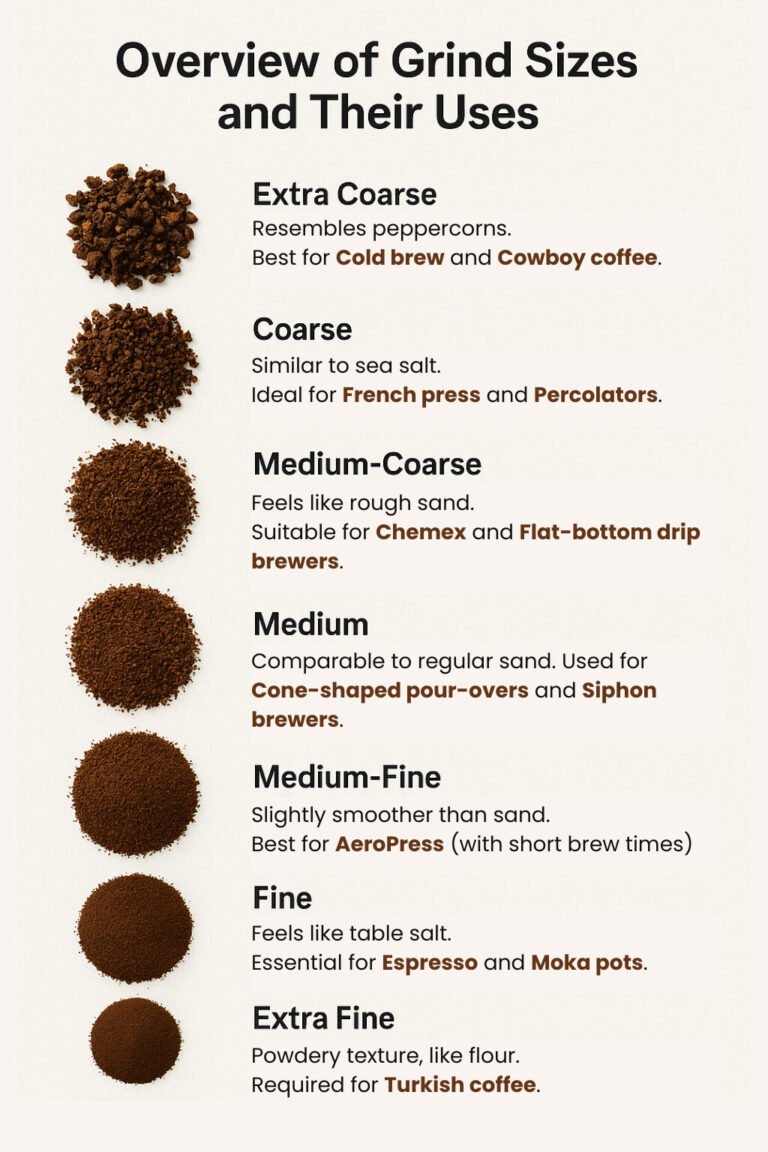
- Grind: medium
- Total brew time: about 2½–4 minutes
These numbers are a starting point, not a fixed rule.
- Rinse the paper filter with hot water.
- Add the ground coffee.
- Pour in about 40–50 grams of water.
- Wait about 30–45 seconds.
- Pour the rest of the water in slow circles.
- Taste the coffee after it drains.
How to adjust the cup
If the coffee tastes sour, thin, or sharp:
- Grind a little finer.
- Use slightly hotter water.
- Extend the brew time.
- Increase the coffee dose slightly.
If it tastes bitter, dry, or harsh:
- Grind a little coarser.
- Use slightly cooler water.
- Shorten the brew time.
- Reduce the dose slightly.
Change one setting at a time. Large changes make it harder to find the cause.
Brewing with a French press
Use a coarse grind and steep the coffee for about four minutes. Press slowly. If the cup tastes muddy, use a coarser grind or pour the coffee into another vessel after pressing.
Brewing espresso
Venezuelan coffee can work well as espresso, especially at a medium or medium-dark roast. Start with the roaster’s recipe if one is provided.
A common starting point is:
- 18 grams of coffee
- About 36 grams of espresso
- About 25–35 seconds of extraction
Your machine, grinder, water, and roast age will change the result.

Venezuelan Coffee vs. Other South American Coffees
Country comparisons can help, but they should not replace the actual coffee label. South American coffee regions contain many climates, varieties, and processing styles.
| Origin | Common cup patterns | How Venezuelan coffee may differ |
|---|---|---|
| Venezuela | Cocoa, nuts, caramel, mild fruit | Often soft, balanced, and less sharply acidic |
| Colombia | Citrus, red fruit, caramel, chocolate | Colombian coffees often show brighter acidity, but this varies |
| Brazil | Chocolate, nuts, low acidity, heavy body | Venezuelan coffees may feel lighter and more lifted |
| Peru | Floral notes, citrus, herbs, chocolate | Venezuelan coffee may have a rounder, nuttier profile |
| Ecuador | Fruit, flowers, cocoa, citrus | Ecuadorian coffees can be more aromatic at lighter roasts |
These are broad tendencies. A natural Venezuelan coffee may taste more fruit-forward than a washed coffee from another country.
The fairest comparison uses coffees with similar roast levels and processes. Comparing a dark roast Venezuelan coffee with a light roast Ethiopian coffee tells you more about roasting than origin.

Venezuelan Coffee vs. Café Venezolano
“Venezuelan coffee” and “café venezolano” can mean different things.
Venezuelan coffee usually means beans grown in Venezuela. It may refer to green coffee, roasted beans, or brewed coffee.
Café venezolano may refer to a traditional coffee drink prepared in a Venezuelan style. The exact recipe can vary by family, café, and region.
Some Venezuelan coffee drinks use strong brewed coffee with sugar. Some may include milk. Names and recipes are not always used in the same way in every part of the country.
If you want the flavor of the bean itself, buy Venezuelan-origin roasted coffee. If you want a traditional drink, ask the café or recipe source what ingredients and ratios it uses.

Common Problems When Buying Venezuelan Coffee
The coffee tastes stale
Stale coffee may smell flat and taste papery or dull. Check the roast date and storage method.
Keep beans in an airtight container away from heat, light, and moisture. Do not store coffee in the refrigerator. Coffee can absorb food odors and may collect moisture when moved in and out.
The coffee tastes smoky
The roast may be too dark for your taste. A dark roast can hide the bean’s origin notes.
Try a medium roast from the same roaster. If the smoky taste remains, compare another roaster.
The coffee tastes sour
Sour coffee often comes from under-extraction. The grind may be too coarse, the water may be too cool, or the brew may be too short.
Adjust one variable at a time. Sourness can also come from a naturally high-acid coffee, so taste the cup after making a small grind change.
The label says “Venezuelan blend”
A Venezuelan blend may contain coffee from Venezuela and other countries. Read the ingredient or origin statement carefully.
If the bag lists only “South American blend,” it may not contain a large share of Venezuelan coffee. Ask the seller if the exact origin matters to you.
The coffee has a fermented or musty taste
Some natural coffees have strong fruit or fermentation notes. That does not always mean the coffee is defective.
A musty, mold-like, or rotten taste is different. Stop using the coffee if it smells moldy. Contact the seller and share the roast date and lot details.

Caffeine and Health Considerations
Venezuelan coffee does not have a special caffeine level simply because it comes from Venezuela. Caffeine depends more on species, dose, roast, grind, and brew method.
Arabica beans usually contain less caffeine than Robusta beans by weight. A larger serving can still contain more caffeine than a smaller serving.
For most adults, the U.S. Food and Drug Administration says up to 400 milligrams of caffeine per day is an amount not generally linked with dangerous negative effects. Individual limits vary.
Pregnant people, people with heart conditions, and those who take certain medicines should ask a qualified health professional about caffeine. Children and teens may also need lower amounts.
Coffee can cause sleep problems, anxiety, stomach upset, or a fast heartbeat in sensitive people. Do not use coffee to replace sleep or medical care.

Frequently Asked Questions
Is Venezuelan coffee good?
It can be very good, especially when the beans are fresh and well processed. Many Venezuelan coffees offer cocoa, nut, caramel, and mild fruit notes. Quality depends on the farm, harvest, processing, roasting, and storage.
Is Venezuelan coffee rare in the United States?
It is less common than coffee from Colombia, Brazil, Guatemala, or Ethiopia. Small production, export limits, supply chains, and limited importer access can make it harder to find.
What is the best roast for Venezuelan coffee?
A medium roast is a useful starting point. It can show both origin flavor and roast sweetness. Choose a light roast for more acidity and fruit, or a dark roast for stronger chocolate and toasted notes.
Does Venezuelan coffee taste like Colombian coffee?
Both can taste sweet and balanced, but the cup is not the same. Venezuelan coffee often shows cocoa, nuts, and soft acidity. Colombian coffee can show more citrus or red fruit, although both origins cover a wide range of flavors.
How should I store Venezuelan coffee?
Store whole beans in an airtight container in a cool, dry, dark place. Buy only what you can use while the coffee is fresh. Grind each dose just before brewing.
Key Takeaways
- Venezuelan coffee is mainly Arabica coffee from mountain regions.
- Common flavor notes include cocoa, nuts, caramel, brown sugar, and mild fruit.
- The Andes, Lara, Portuguesa, Sucre, and Monagas are important coffee areas.
- Washed, natural, and honey processes can create very different cups.
- A medium roast and pour-over brew are good starting points.
- Freshness, roast date, and traceability matter more than broad marketing claims.
- Caffeine depends on the dose and brewing method, not just the country of origin.
Conclusion
Venezuelan coffee gives U.S. coffee drinkers a chance to explore a less common South American origin. Its best cups can be sweet, smooth, and balanced, with notes of cocoa, nuts, caramel, fruit, or spice.
Start with fresh whole beans and a medium roast. Check the region and process. Brew with a simple recipe, then adjust the grind to taste. That approach will reveal more about the coffee than the country label alone.
For further verification, useful sources include the U.S. Food and Drug Administration’s caffeine guidance, the International Coffee Organization, and the U.S. Department of Agriculture Foreign Agricultural Service. Production and trade data can change, so check the publication date and reporting year before using those figures.



2 Comments