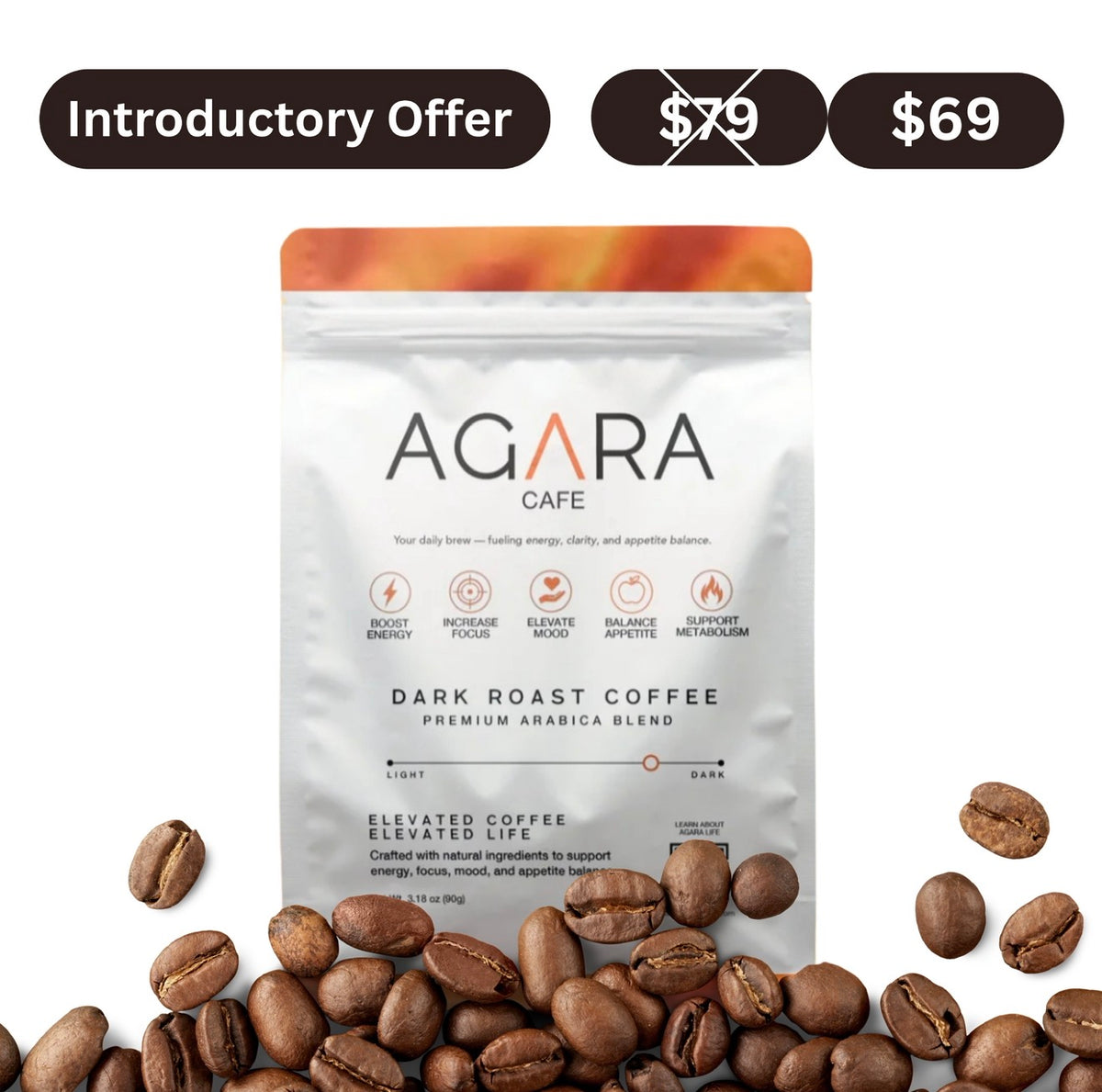
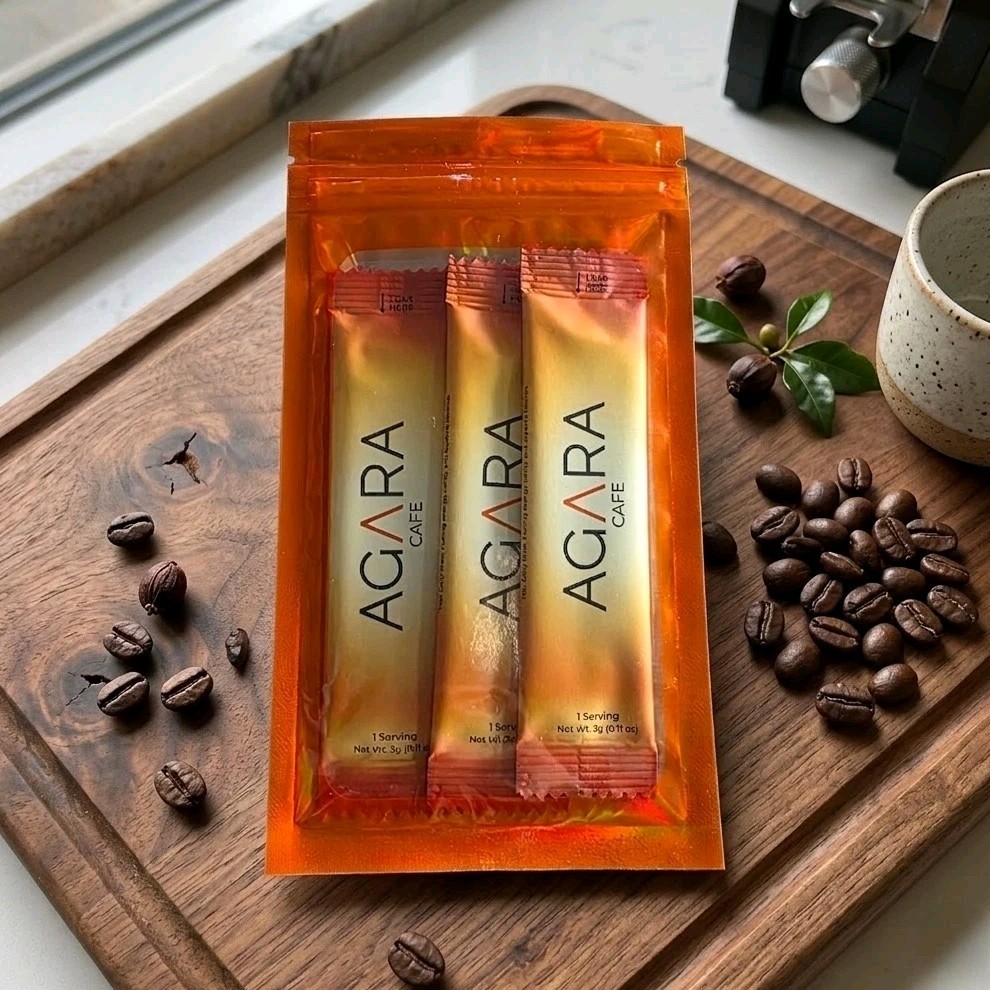
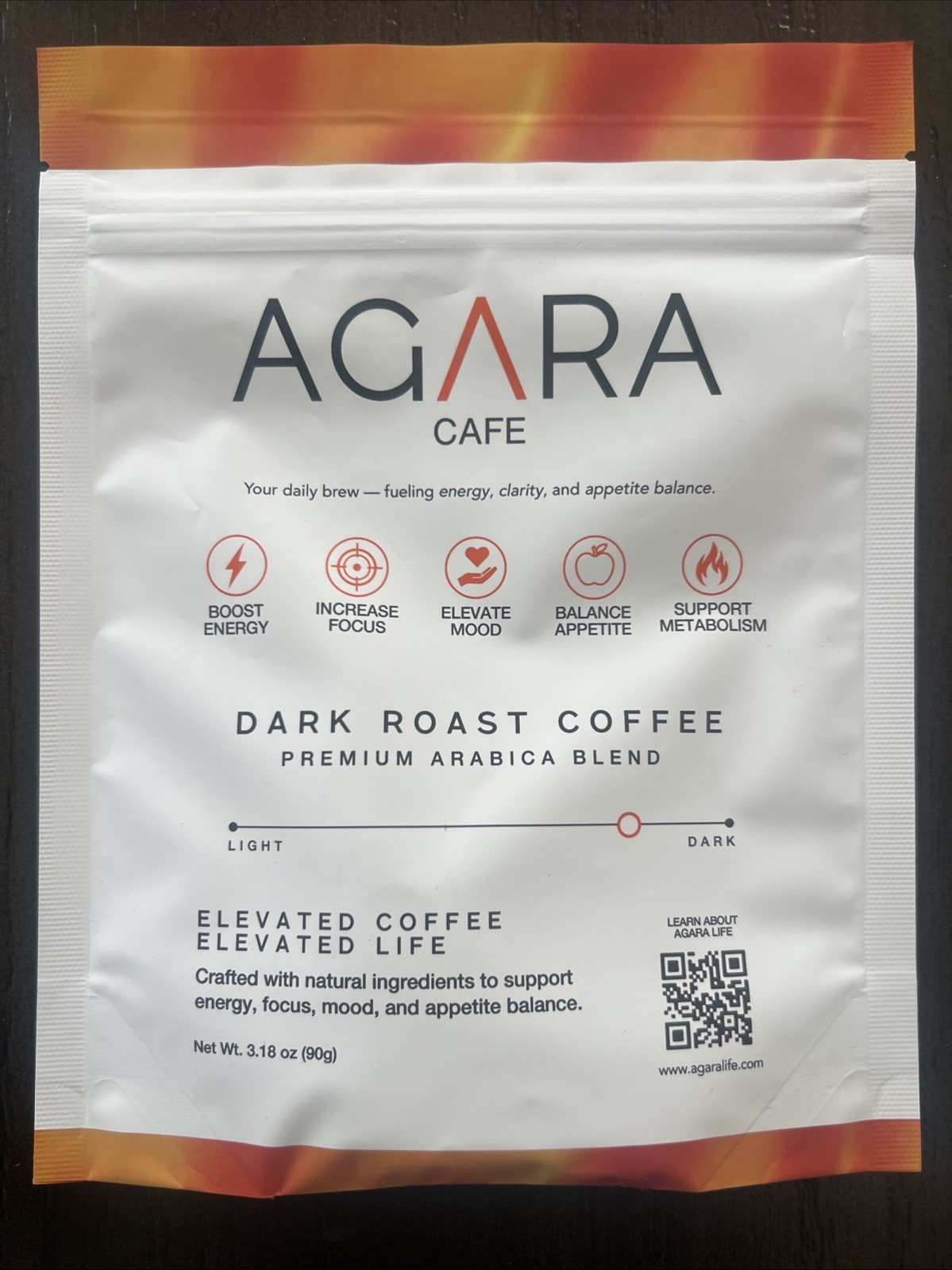
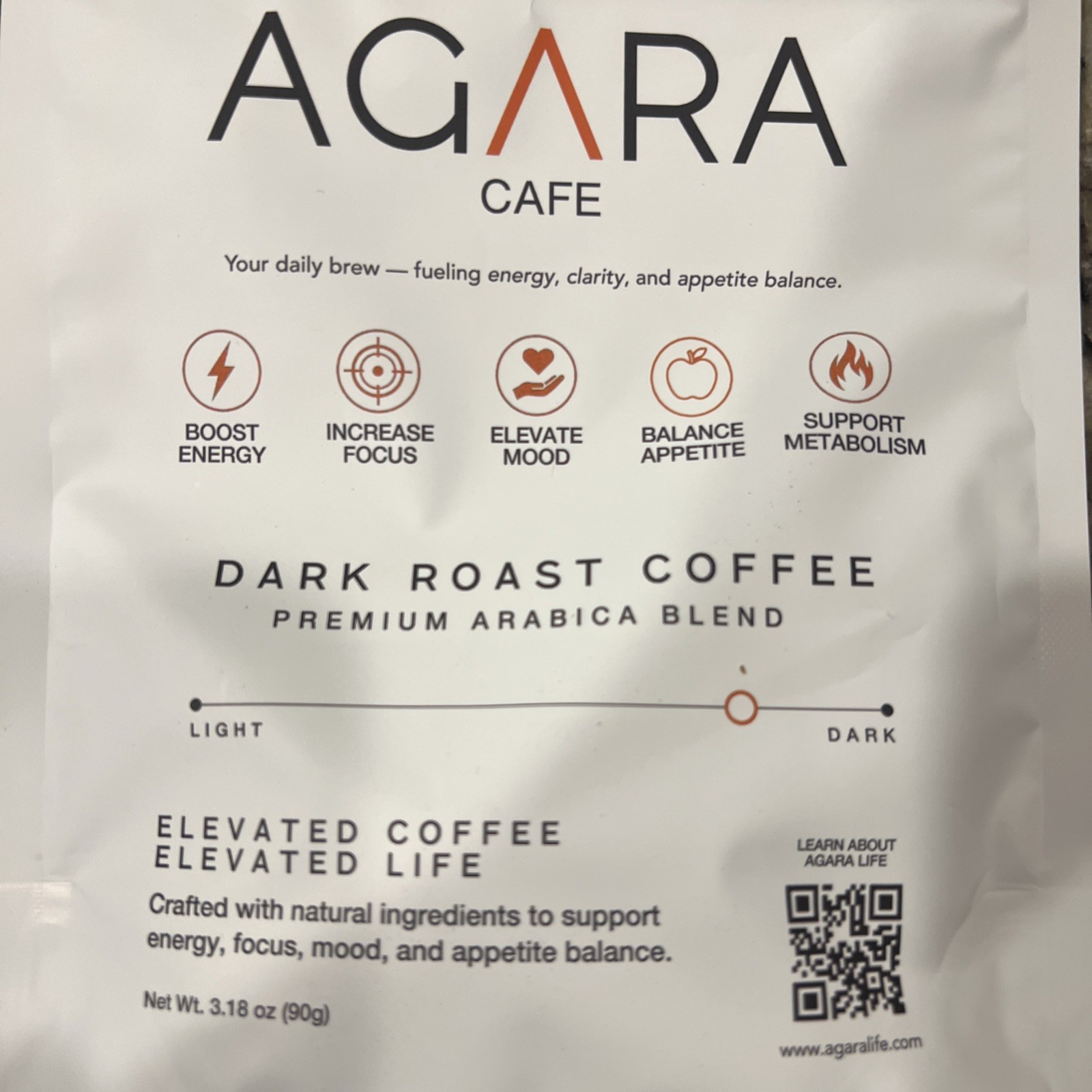
If you are shopping for Agara coffee in the United States, check the spelling and the label first. “Agara coffee” may refer to a coffee brand, a local product, or Agaro coffee from Ethiopia. Agaro is a known coffee-growing area in western Ethiopia, while “Agara” is not one single, universally defined coffee type.
The safest way to judge it is to look for the origin, roast date, processing method, roast level, and seller. These details tell you more than the name alone.

What does Agara coffee mean?
Agara coffee is usually a name or spelling linked to coffee from Agaro, Ethiopia, but it may also describe a private brand or blend. The product label must confirm which meaning applies.
Agaro is in the Jimma area of western Ethiopia. Coffee from this part of the country is often sold under a regional name, a washing station name, a cooperative name, or an exporter’s brand.
The word “Agara” can create confusion because coffee names are not always standardized. A seller may use:
- Agaro for the Ethiopian growing area
- Agara as a brand name
- A farm, cooperative, or washing station name
- A blend that includes beans from the region
- A translated or alternate spelling
Before buying, read the package for these details:
| Label detail | Why it matters |
|---|---|
| Country and region | Shows where the beans were grown |
| Farm or cooperative | Gives more traceability |
| Processing method | Helps predict flavor and body |
| Roast date | Shows freshness |
| Roast level | Affects taste and brewing |
| Whole bean or ground | Whole beans usually keep flavor longer |
| Importer or roaster | Helps you verify the product |
If the package says only “Agara coffee” and gives no origin or roast date, you have less information to judge quality.

Where does Agaro coffee come from?
Agaro coffee comes from the Jimma coffee area in western Ethiopia when the label uses “Agaro” as an origin name. The area is part of Ethiopia’s well-known coffee-growing belt.
Ethiopia is widely recognized as one of the oldest coffee-producing countries. It has many coffee regions, and each can produce different flavor profiles because of changes in soil, altitude, coffee varieties, climate, and processing.
Agaro coffee may be sold through several supply paths:
- Smallholder farmers grow and harvest coffee cherries.
- Cherries go to a washing station or local processing site.
- The coffee is dried and sorted.
- Exporters ship the green coffee to other countries.
- A U.S. roaster imports, roasts, and sells the beans.
This chain means that two coffees labeled “Agaro” may not taste the same. One may be a washed coffee from one station. Another may be a natural-process coffee from a different group of farms.
Why the origin name is not enough
A regional name gives useful context, but it does not guarantee a specific flavor or quality score. Coffee is an agricultural product. Weather, harvest timing, sorting, storage, and roasting all affect the final cup.
A label with more detail is usually more helpful. Look for:
- The harvest year, when available
- The exact kebele, farm, station, or cooperative
– The processing method - A tasting note based on the actual lot
- A roast date rather than only a “best by” date
What does Agara coffee taste like?
Agaro coffee often has the bright, floral, citrus, or fruit notes associated with many Ethiopian coffees, but the exact taste depends on processing and roast level.
A washed Agaro coffee may taste clean and crisp. Common notes can include:
- Lemon or lime
- Citrus
- Tea
- Floral aromas
- Peach or stone fruit
- Mild sweetness
- A light to medium body
A natural-process coffee may have a fuller and more fruit-forward taste. It may show:
- Berry
- Jam
- Tropical fruit
- Wine-like acidity
- More body
- A longer finish
These are tasting descriptions, not added flavors. Coffee beans do not normally contain lemon, berry, or flowers. Roasting and brewing bring out aroma compounds that remind people of those foods.
Processing and flavor
| Process | Common cup traits | Best for |
|---|---|---|
| Washed | Clean, bright, clear | Pour-over and drip |
| Natural | Fruity, sweet, fuller | Pour-over, French press |
| Honey or pulped natural | Balanced sweetness and body | Drip and espresso |
| Anaerobic or experimental | Strong, unusual fruit notes | Curious drinkers |
The process is only one part of the result. A light roast may show more origin character. A darker roast may taste more like chocolate, caramel, smoke, or roast rather than citrus or flowers.
How to choose Agara coffee in the United States
Choose the bag based on traceability, freshness, roast level, and your brewing method. The highest price does not always mean the best fit for your taste.
1. Check the spelling and origin
If you want Ethiopian coffee from Agaro, look for Agaro, Jimma, or Ethiopia on the label. If the package says “Agara” but lists another country, it may be a brand or a different place.
If the label is unclear, ask the seller:
- Is Agara the brand or the growing region?
- Is the coffee from Agaro, Ethiopia?
- Is it a single-origin coffee or a blend?
- What is the processing method?
- When was it roasted?
2. Look for a roast date
Coffee is usually best when it is not too old. A roast date gives you a useful starting point. For many home brewers, beans are enjoyable after a short rest and remain useful for several weeks when stored well.
A “best by” date is less helpful because it does not tell you when roasting occurred.
3. Match the roast to your taste
- Light roast: brighter, more floral, more fruit, lighter body
- Medium roast: more balance, sweetness, and body
- Dark roast: deeper roast flavor, lower perceived acidity, more bitterness
For a first try, a light or medium roast can help you notice the regional character of Agaro coffee.
4. Buy whole beans when possible
Whole beans protect aroma better than pre-ground coffee. Grind them just before brewing if you can.
Ground coffee is still practical. Buy a smaller bag and use it soon after opening.
5. Consider your brew method
For pour-over, choose a light or medium roast with a washed or natural process. For espresso, a medium roast may be easier to dial in, although light-roast espresso can work with careful grinding and extraction.

How to brew Agara coffee
Start with a simple brew ratio and adjust one variable at a time. A good starting point is 1 gram of coffee for every 16 grams of water.
Pour-over starting recipe
For one cup:
- Coffee: 20 grams
- Water: 320 grams
- Water temperature: about 195–205°F
- Grind: medium-fine
- Total brew time: about 2½–4 minutes
These numbers are starting points, not strict rules.
- Rinse the paper filter with hot water.
- Add the ground coffee.
- Pour enough water to wet all the grounds.
- Wait about 30–45 seconds.
- Pour the remaining water in slow, even circles.
- Taste the coffee after it cools for a few minutes.
- Adjust the grind or ratio for the next cup.
How to fix the taste
| Taste | Likely cause | Try this |
|---|---|---|
| Sour or sharp | Under-extraction | Grind finer or use hotter water |
| Bitter or dry | Over-extraction | Grind coarser or shorten brew time |
| Weak | Too much water or too little coffee | Use a stronger ratio |
| Flat | Old beans or poor storage | Use fresher beans and clean equipment |
| Harsh fruit notes | Very light roast or unusual process | Lower the water temperature slightly |
Taste changes as coffee cools. A bright Ethiopian coffee may seem sharp when very hot and sweeter after a few minutes.
French press method
Use a coarse grind and about 30 grams of coffee for 500 grams of water. Steep for roughly four minutes, then press slowly. A French press can give natural-process Agaro coffee more body, but it may also make sediment and intense fruit notes more noticeable.
How should you store Agara coffee?
Store coffee in an airtight, opaque container in a cool, dry cabinet. Keep it away from heat, sunlight, moisture, and strong odors.
Avoid storing daily-use coffee in the refrigerator. Condensation can affect the beans, and coffee can absorb nearby food odors. Freezing can work for long-term storage, but divide the beans into airtight portions and avoid repeated thawing.
Good storage habits include:
- Keep the bag sealed between uses.
- Buy an amount you can use within a reasonable period.
- Grind only what you need.
- Keep beans away from the stove and sink.
- Use a clean, dry grinder.
Do not brew beans that show visible mold or smell strongly rancid. Coffee can taste stale without being unsafe, but moldy or contaminated food should be discarded.

Agara coffee vs. other Ethiopian coffee regions
Agaro coffee should be compared by lot and process, not only by region. Ethiopian coffee regions can overlap in broad flavor families, but no region has one fixed taste.
| Origin label | Common reputation | What can change the cup |
|---|---|---|
| Agaro or Jimma | Floral, citrus, fruit, tea-like, or sweet | Process, station, roast |
| Yirgacheffe | Bright, floral, citrus, tea-like | Elevation, variety, processing |
| Sidama | Sweet, fruity, floral, balanced | Process and roast |
| Guji | Fruit-forward, floral, sometimes rich | Lot and fermentation |
| Harrar | Dried fruit, spice, wine-like | Drying and roast |
These descriptions are broad guides. They should not replace the actual tasting notes on the bag.
For a clean and delicate cup, try a washed coffee. For strong fruit and heavier body, try a natural-process coffee. If you prefer low acidity and roast flavor, choose a medium-dark roast, even if it hides some origin character.
Common mistakes when buying Agara coffee
The most common mistake is treating the name as a guarantee. “Agara” alone does not tell you whether the coffee is Ethiopian, freshly roasted, single-origin, or processed in a certain way.
Avoid these errors:
- Buying without checking the country of origin
- Confusing roast date with expiration date
- Assuming light roast means weak coffee
- Judging acidity as a sign of poor quality
- Using a very fine grind in a French press
- Changing grind, water, and dose at the same time
- Expecting every Ethiopian coffee to taste fruity
- Paying more without checking traceability
- Storing beans in a clear container in direct sunlight
The best next step is simple: buy a small bag with a clear origin, recent roast date, and stated process. Then brew it with a scale and take notes.
Key takeaways
- Agara coffee may mean a brand, a local product, or a spelling variation of Agaro coffee.
- Agaro coffee comes from the Jimma area of western Ethiopia when the label identifies that origin.
- Washed lots may taste clean, bright, and floral.
- Natural lots may taste fruitier and fuller.
- Check the origin, process, roast date, and roast level before buying.
- Start with a 1:16 coffee-to-water ratio and adjust based on taste.
- Store beans in an airtight container away from heat, light, and moisture.
Frequently asked questions
Is Agara coffee the same as Ethiopian coffee?
Not always. If “Agara” refers to Agaro, then it is Ethiopian coffee from that area. If it is a brand name, the coffee may come from another country or contain a blend. Check the package origin.
Is Agaro coffee good for espresso?
It can be. A medium roast may be easier to use for espresso, while a light roast can produce bright, complex shots with careful dialing in. Adjust grind size, dose, and brew time rather than assuming one recipe will work.
Is Agara coffee acidic?
It may have noticeable acidity, especially when lightly roasted or washed. In coffee, acidity can mean a bright, lively taste like citrus or fruit. It does not automatically mean the coffee is spoiled.
Which is better: washed or natural Agaro coffee?
Neither is always better. Choose washed coffee for a cleaner, lighter cup. Choose natural coffee for more fruit, sweetness, and body. Your brewing method and taste preference should guide the choice.
How can I tell if an Agara coffee product is authentic?
Look for a specific country and region, producer or station details, processing method, roast date, and importer or roaster information. A vague label does not prove that the product is false, but it gives you less information to verify.
Final recommendation
If you want to try Agara coffee, first confirm whether the label means Agaro, Ethiopia or a separate coffee brand. For a clear first taste, choose a freshly roasted, single-origin bag with a named process. Brew it as a pour-over or French press, taste it as it cools, and change only one brewing variable at a time.
For U.S. buyers, the most useful sources to check are the roaster’s product page, the importer’s traceability information, and established coffee trade or food-safety guidance. Product availability, prices, and labels can change, so verify those details before purchasing.