
Introduction
Coffee laminate is a laminate surface with brown, espresso, mocha, or coffee-inspired tones. In U.S. homes, it is used for flooring, kitchen counters, cabinets, furniture, wall panels, and work surfaces. The look can range from pale latte beige to deep roasted brown.
The term does not describe one standard material or one exact color. It describes a style and color family. The right choice depends on where you will use it, how much wear the surface will face, and whether you want a warm, natural, or modern look.
This guide explains how to choose coffee laminate, where it works best, how to clean it, and which limits to consider before you buy.

What Is Coffee Laminate?
Coffee laminate is a layered material with a printed decorative surface. The design is sealed beneath a clear protective layer. A strong core or backing supports the surface.
The word “coffee” usually refers to the color or visual pattern, not a special type of laminate. A coffee laminate may look like:
- Dark espresso wood
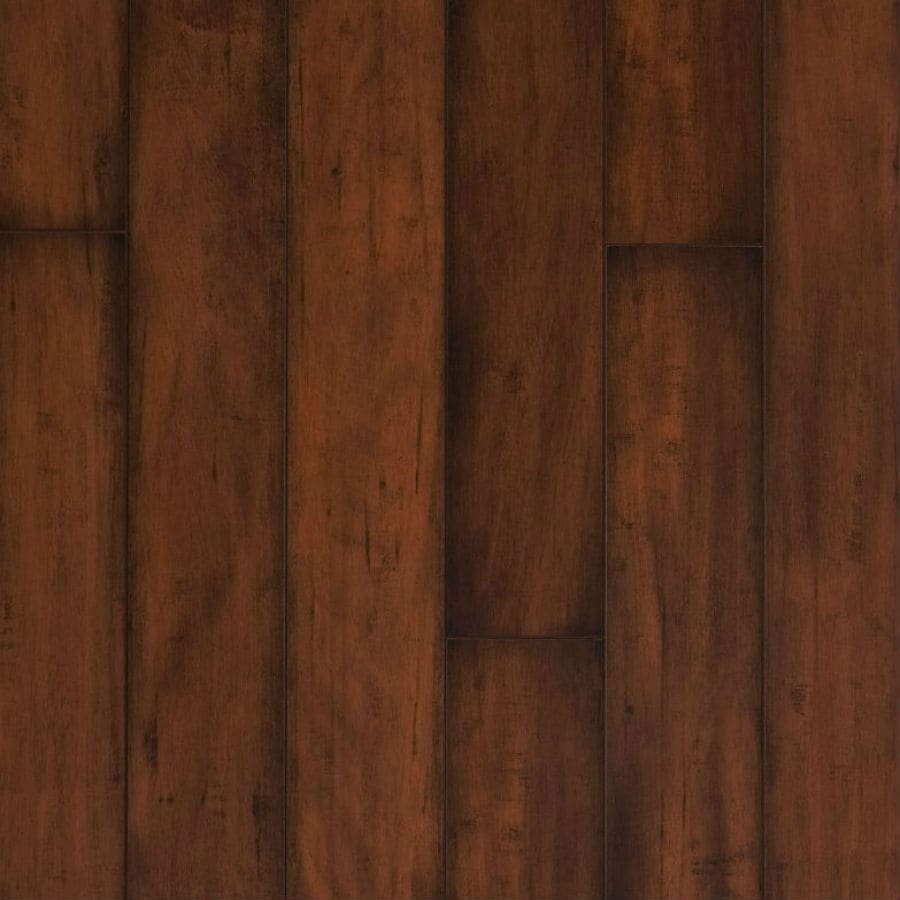
- Medium walnut brown
- Warm mocha stone
- Light latte beige
- Brown concrete
- Speckled coffee granite
- Reclaimed wood with brown tones
Most laminate products fall into two broad groups.
Laminate flooring
Laminate flooring uses a rigid board with a printed image that often resembles wood or stone. It is installed as a floor covering over a suitable subfloor.
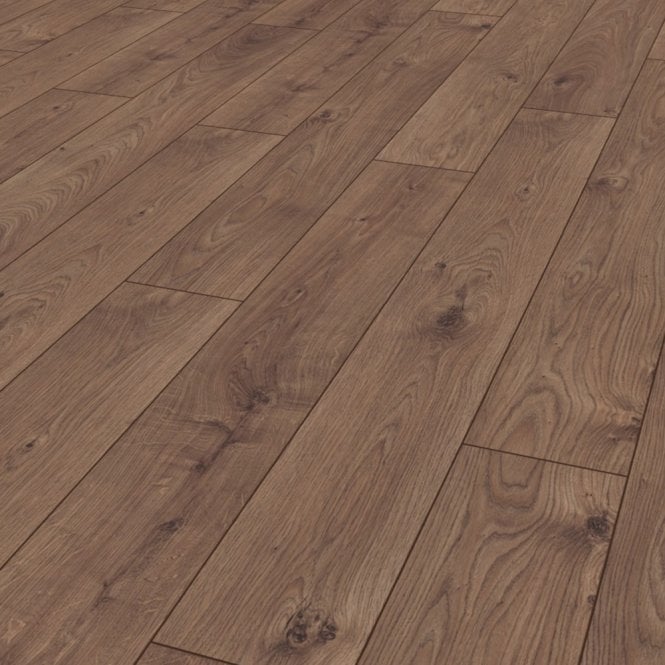
Coffee-colored laminate flooring can add warmth to a room without the cost or upkeep of some natural wood floors. Its wear resistance depends on the product construction and its stated rating.
Decorative laminate sheets
Decorative laminate sheets are thin surface materials bonded to a substrate. They are common on:
- Kitchen counters
- Bathroom vanities
- Cabinet doors
- Shelving
- Desks
- Tables
- Retail fixtures
- Wall panels
These sheets may be called high-pressure laminate, or HPL, when they are made by bonding layers under heat and pressure. Product details vary by brand and intended use.
Coffee laminate is best understood as a design choice within several laminate categories. Always check the product label before assuming that a flooring product can be used on a counter or that a countertop sheet can be used on a floor.

Coffee Laminate Color Options
Coffee laminate works well because brown sits between strong contrast and soft neutral color. Still, the shade can change the feel of a room.
| Coffee laminate shade | Visual effect | Works well with |
|---|---|---|
| Light latte | Bright and casual | White walls, pale oak, cream tile |
| Honey coffee | Warm and inviting | Beige, brass, warm gray |
| Medium mocha | Balanced and earthy | White cabinets, green, tan |
| Walnut brown | Rich and traditional | Cream, black, bronze |
| Espresso | Bold and formal | Light walls, white trim, metal accents |
| Brown-gray blend | Calm and modern | Cool gray, blue, matte black |
Warm brown versus cool brown
Warm coffee laminate has red, gold, or orange undertones. It pairs naturally with cream, tan, brass, and warm white.
Cool brown laminate may include gray, black, or muted taupe. It often works better with crisp white, slate, blue, and brushed nickel.
Place a sample beside your wall paint, cabinets, trim, and flooring before ordering. Indoor lighting can make the same brown look red, yellow, or nearly black.
Solid color versus wood grain
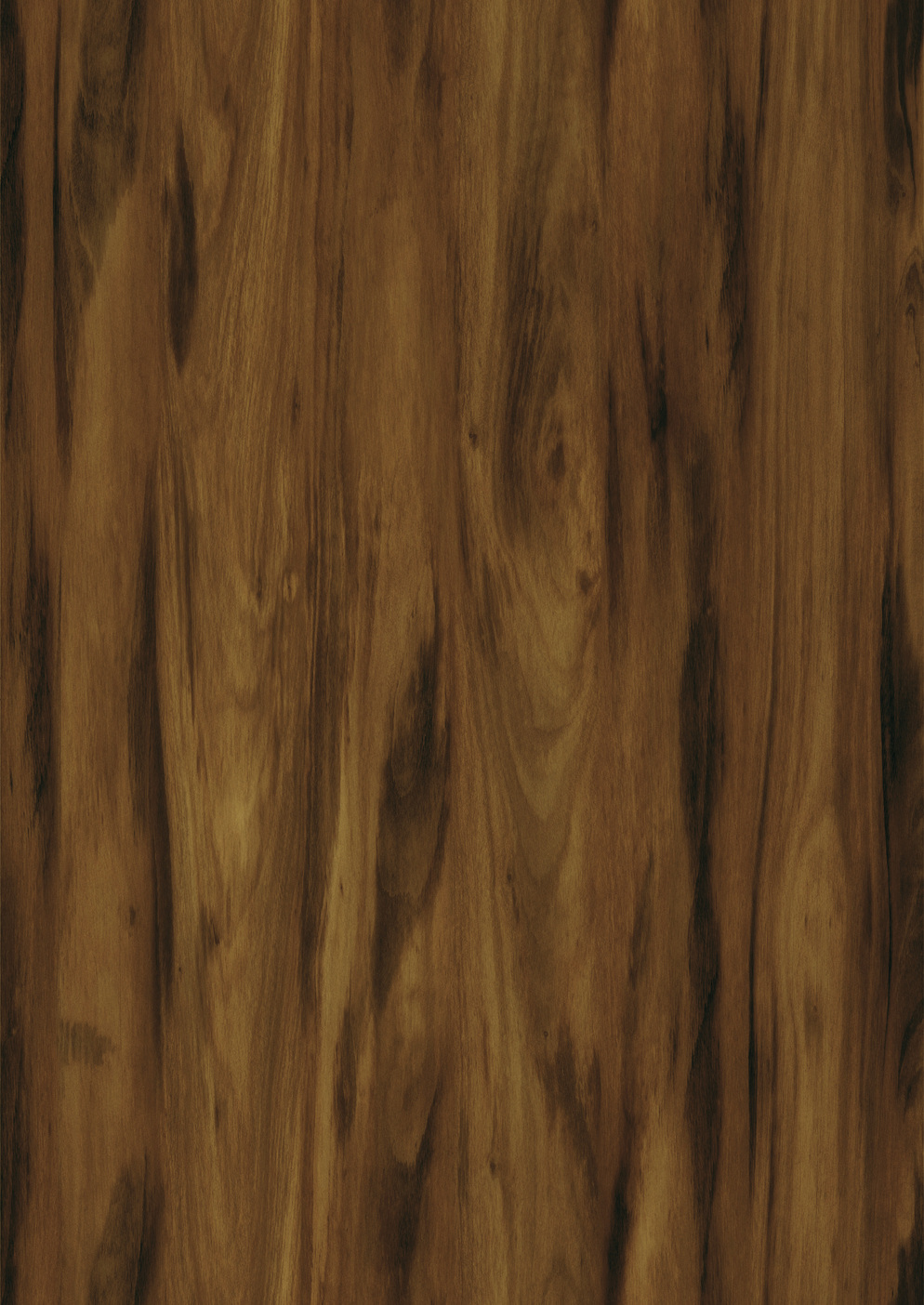
A solid coffee laminate gives a clean, simple look. A wood-grain design adds movement and can hide small marks more easily than a flat, dark surface.
Deep solid colors often show dust, fingerprints, and fine scratches. A subtle grain or low-contrast pattern may be easier to live with in a busy kitchen or family room.
Matte versus glossy finish
Matte finishes reduce glare and often look more like natural wood or stone. Glossy finishes reflect more light and may make a dark surface look richer.
Gloss can also show smudges and surface marks more clearly. The best finish depends on the room’s light and how often you want to clean the surface.

Where Should You Use Coffee Laminate?
Coffee laminate can work in many parts of a U.S. home, but the product must match the location.
Flooring
Coffee laminate flooring is a common choice for living rooms, bedrooms, hallways, and home offices. It can create the look of wood while offering a more uniform manufactured surface.
Before installation, check:
- The product’s approved rooms
- Moisture limitations
- Subfloor requirements
- Underlayment instructions
- Warranty terms
- Edge and joint design
- Cleaning instructions
Many laminate floors are not intended for areas that stay wet. Bathrooms, laundry rooms, basements, and entryways need special care because moisture can enter through seams or edges.
Kitchen counters
Coffee laminate countertops can give a kitchen a warm wood or stone appearance. They are often paired with white, cream, gray, or green cabinets.
A countertop laminate is not the same as a floor plank. Countertop use also requires a stable substrate, sealed edges, and proper treatment around sinks and appliances.
Use a cutting board and a trivet. Do not cut directly on the surface or place very hot cookware on it unless the manufacturer specifically permits that use.
Cabinets and furniture
Coffee laminate sheets or panels can cover cabinet doors, desks, shelves, and tables. They are useful when you want a consistent color across many surfaces.
The substrate matters. A thin laminate sheet cannot make a weak or uneven board strong. The base must be flat, clean, dry, and suitable for bonding.
Bathrooms and damp areas
Use caution in bathrooms, laundry rooms, and below-grade spaces. “Water resistant” does not always mean “waterproof.”
Check the exact product instructions. Look for guidance about standing water, edge sealing, humidity, expansion gaps, and approved installation areas.
How to Choose Coffee Laminate
Choose coffee laminate by use first, then by color and pattern. A beautiful sample will not perform well if it is made for the wrong application.
1. Identify the surface
Decide whether you need:
- Laminate flooring
- A countertop sheet
- Cabinet laminate
- Furniture laminate
- A wall panel
- A matching trim or edge band
This step removes many unsuitable products before you compare colors.
2. Check wear needs
Think about daily use. A quiet guest room has different needs from a kitchen, rental property, hallway, or busy family room.
For flooring, review the manufacturer’s wear classification and warranty conditions. For counters and worktops, review resistance information for heat, stains, impact, moisture, and household chemicals.
Do not compare ratings from different product categories as if they measure the same thing.
3. Compare the finish
Ask whether you want:
- Low-glare matte
- Smooth satin
- High gloss
- Textured wood grain
- Stone texture
- Embossed detail
Texture can improve visual depth, but it may need more care if dirt collects in the pattern.
4. Test the color at home
Take samples into the room. View them in:
- Morning light
- Afternoon light
- Artificial light
- Direct light
- Shade
A dark espresso floor can make a small room feel more enclosed. A light latte color may help the room feel larger, but it can show some types of dirt more clearly.
5. Plan the full color scheme
Coffee laminate is easier to match when you choose the whole palette at once. Compare it with:
- Wall color
- Cabinet color
- Countertops
- Backsplash
- Trim
- Doors
- Metal finishes
- Rugs and furniture
Avoid matching every brown exactly. A small difference in undertone can look more natural than several almost-identical browns.
Coffee Laminate Flooring: Installation and Care
Coffee laminate flooring needs a clean, level base and room to expand. Follow the flooring maker’s instructions because installation rules vary by product.
Basic installation sequence
A typical floating-floor installation follows these steps:
- Inspect the subfloor for moisture, damage, and uneven areas.
- Clean and level the surface within the product’s stated limits.
- Allow the flooring to adjust to the room as directed.
- Install the approved underlayment if required.
- Plan the first rows so the finished layout looks balanced.
- Leave the required expansion space at walls and fixed objects.
- Join planks without forcing damaged edges.
- Install trim without pinning the floating floor in place.
- Protect the new floor from heavy traffic during the early stages of use.
The exact expansion space, underlayment type, moisture test, and acclimation period depend on the product. Use the current installation guide, not a general rule from another brand.
Cleaning coffee laminate floors
Regular dry cleaning is usually the safest first step. Use a soft broom, dry mop, or vacuum setting made for hard floors.
For a spill:
- Blot it quickly.
- Wipe with a slightly damp cloth.
- Remove any residue.
- Dry the area.
Avoid flooding the floor. Do not use steam or harsh cleaners unless the manufacturer expressly allows them.
Common flooring problems
| Symptom | Possible cause | Useful first check |
|---|---|---|
| Swollen plank edges | Moisture entered the joint | Check spills, leaks, and damp mopping |
| Gaps between planks | Movement, poor installation, or room conditions | Review installation and expansion space |
| Clicking or noise | Uneven subfloor or loose joint | Check subfloor flatness |
| Scratches | Grit, furniture, or sharp objects | Use mats and felt pads |
| Faded areas | Strong sunlight or product limits | Review warranty and window exposure |
If planks are swollen, drying the room may not restore their original shape. Damaged boards may need replacement.

Coffee Laminate Countertops: What to Know
Coffee laminate countertops are practical for many kitchens, but they need protection from heat, cuts, water, and impact.
Main strengths
A laminate counter can offer:
- Many color and pattern choices
- Easy routine cleaning
- A relatively light surface
- Simple design coordination
- A repair or replacement option that may be less complex than some solid surfaces
The actual performance depends on the sheet, substrate, edge treatment, installation, and care.
Main limits
Laminate countertops can be damaged by:
- Direct contact with hot pans
- Knives
- Deep impact
- Water entering unsealed seams
- Abrasive cleaning
- Strong chemicals
- Excess moisture around sinks
A damaged laminate surface may be difficult to repair invisibly. For that reason, prevention is more useful than aggressive cleaning after damage occurs.
Sink and edge details
Sink cutouts and exposed edges need careful installation. Water can reach the substrate if a seam, joint, or cut edge is left unprotected.
Ask the installer how the following areas will be sealed:
- Sink openings
- Backsplash joints
- End caps
- Countertop seams
- Dishwasher edges
- Wall transitions
- Faucet openings
A well-sealed edge does not make the entire counter waterproof. Wipe standing water and repair failed caulk when needed.

How to Clean and Maintain Coffee Laminate
Use the least aggressive cleaning method that works. This protects both the decorative layer and the finish.
Daily care
For most laminate surfaces:
- Remove dust and grit with a soft cloth or dry mop.
- Wipe spills soon after they occur.
- Use a damp cloth with mild soap when needed.
- Dry the surface after cleaning.
- Use coasters, mats, trivets, and cutting boards.
Always follow the care sheet for the exact product.
What to avoid
Avoid these habits unless the manufacturer permits them:
- Steel wool
- Scouring powder
- Rough scrub pads
- Bleach mixtures
- Solvent-based cleaners
- Flooding
- Steam cleaning
- Dragging heavy furniture
- Cutting on the surface
- Placing hot pans directly on a counter
A cleaner that works on tile or stainless steel may dull laminate. Test any approved cleaner in a hidden spot first.
Removing common marks
For food or drink marks, start with mild soap and water. For grease, use a cleaner approved for the surface and remove all residue.
Do not scrub harder simply because a stain remains. Excess force can create a dull spot that is more visible than the original mark.
For ink, adhesive, paint, or chemical stains, consult the product maker before using a solvent. The wrong solvent may soften or discolor the finish.

Coffee Laminate Compared With Other Materials
Coffee laminate is not automatically better or worse than wood, tile, vinyl, stone, or solid-surface materials. Each option solves a different problem.
| Material | Main benefit | Main trade-off |
|---|---|---|
| Coffee laminate | Many designs and simple routine care | Can be damaged by heat, moisture, or deep impact |
| Hardwood | Can be refinished in many cases | Needs care and may react to moisture |
| Luxury vinyl | Soft underfoot and often moisture-friendly | Product quality and repair methods vary |
| Tile | Strong resistance to heat and moisture | Hard underfoot, with grout to maintain |
| Natural stone | Distinct natural pattern | May need sealing and careful cleaning |
| Solid surface | Seams may be less visible and some damage may be repairable | Often costs more than laminate |
| Painted wood | Flexible color choices | Finish can chip and needs upkeep |
The best choice depends on the surface location, budget, moisture exposure, repair needs, and desired appearance.
For a dry room with a warm wood look, coffee laminate flooring may be a sensible option. For a counter exposed to frequent heat and cutting, another material may better fit the way you work.
Common Mistakes to Avoid
Choosing from a small screen
A digital color can look different from the real sample. Order or borrow a physical sample when possible.
Ignoring undertones
Two brown surfaces may clash if one has a strong red cast and the other has a green-gray cast. Compare them under the room’s real lighting.
Using the wrong product category
Floor laminate, countertop laminate, cabinet laminate, and wall laminate have different construction and care needs. Confirm the approved use.
Skipping moisture planning
Water often causes trouble at edges, seams, doors, sinks, and walls. Plan these details before installation.
Forgetting transition pieces
Flooring may need trim where it meets tile, carpet, stairs, or another floor. Confirm that matching trim is available before buying the main product.
Treating a warranty as a guarantee
A warranty usually has conditions. It may exclude improper installation, moisture damage, commercial use, abuse, or unapproved cleaning products.
Read the warranty and installation guide together. The warranty may require specific underlayment, subfloor conditions, or professional installation.
Coffee Laminate Buying Checklist
Use this checklist before you place an order:
- Confirm the exact product category.
- Measure the project area.
- Add the maker’s recommended waste allowance.
- Order samples.
- Check the color in the room’s lighting.
- Review moisture and heat limits.
- Confirm matching trim, edging, or end caps.
- Read installation requirements.
- Check cleaning instructions.
- Review warranty exclusions.
- Ask how damaged pieces can be replaced.
- Keep the product name, color code, lot information, and care guide.
For flooring, also check door clearance, stair transitions, room layout, and subfloor condition.
For counters, plan sink cutouts, seams, edges, backsplash joints, and appliance clearances before fabrication.
Key Takeaways
- Coffee laminate is a brown-toned laminate style, not one single material.
- The shade may range from light latte to deep espresso.
- Use flooring laminate for floors and countertop laminate for counters.
- Samples are more reliable than screen images for judging color.
- Moisture, heat, and impact are the main limits to consider.
- Quick spill cleanup and mild cleaning help preserve the surface.
- Follow the exact manufacturer’s installation and care instructions.
FAQs About Coffee Laminate
Is coffee laminate the same as brown laminate?
Not always. Coffee laminate is a design description within the broader brown color family. It may include espresso, mocha, latte, walnut, or brown-gray tones.
Is coffee laminate waterproof?
The answer depends on the product. Some laminate flooring is designed to resist moisture for a stated period, while other products are more vulnerable at the seams and edges. “Water resistant” does not automatically mean waterproof.
Can I use coffee laminate on a kitchen counter?
Use a product made and approved for countertops. Flooring laminate is not a substitute for countertop laminate. Countertops also need proper support, edge treatment, and protection from heat and cuts.
Does dark coffee laminate show dirt?
It can. Dust, fingerprints, water marks, and fine scratches may stand out on very dark, smooth finishes. A textured or lightly patterned surface may hide daily marks better.
How do I match coffee laminate with white cabinets?
Start with the undertone. Warm coffee laminate pairs well with warm white, cream, brass, and tan. Cool brown may look better with clean white, gray, blue, or brushed metal. Test both materials together under your room lighting.
Can damaged coffee laminate be repaired?
Minor marks may be less visible after cleaning, but deep chips, swelling, burns, and torn surfaces may not disappear. Some flooring boards or cabinet panels can be replaced. Ask the manufacturer or installer about matching replacement parts.
Conclusion
Coffee laminate can bring a warm, grounded look to a U.S. home without limiting you to one style. Light coffee tones keep a room open, while mocha and espresso shades create stronger contrast.
The safest choice starts with the application. Select flooring for floors, countertop laminate for counters, and a suitable sheet or panel for cabinets and furniture. Then compare real samples, plan for moisture and heat, and follow the product’s care guide.
If you are ready to buy, collect samples of two or three coffee laminate shades and view them beside your existing cabinets, flooring, trim, and wall color before making the final choice.


One Comment