Yes, air fryer liners are generally safe when used correctly and chosen from appropriate materials.
It's a question many home cooks ponder as they embrace the convenience of air frying: are air fryer liners safe? As someone who’s spent countless hours experimenting with air fryers and various accessories, I can tell you that understanding the nuances of these liners is key to both culinary success and kitchen safety. You’re not alone in wanting to ensure your cooking practices are sound, and we’re here to dive deep into the facts, offering a comprehensive look at the safety of air fryer liners so you can fry with confidence.

What Are Air Fryer Liners and Why Do We Use Them?
Air fryer liners are accessories designed to sit inside your air fryer basket, creating a barrier between your food and the basket's surface. Think of them as a protective layer that simplifies cleanup, prevents food from sticking, and sometimes even helps keep smaller items from falling through the grates. From a personal standpoint, after years of scrubbing stubborn, baked-on messes, discovering the right liner felt like a true kitchen revelation. They’ve genuinely transformed my post-meal cleanup routine from a chore into a quick rinse.
Types of Air Fryer Liners
When you start exploring, you’ll find a few common types of air fryer liners, each with its own characteristics:
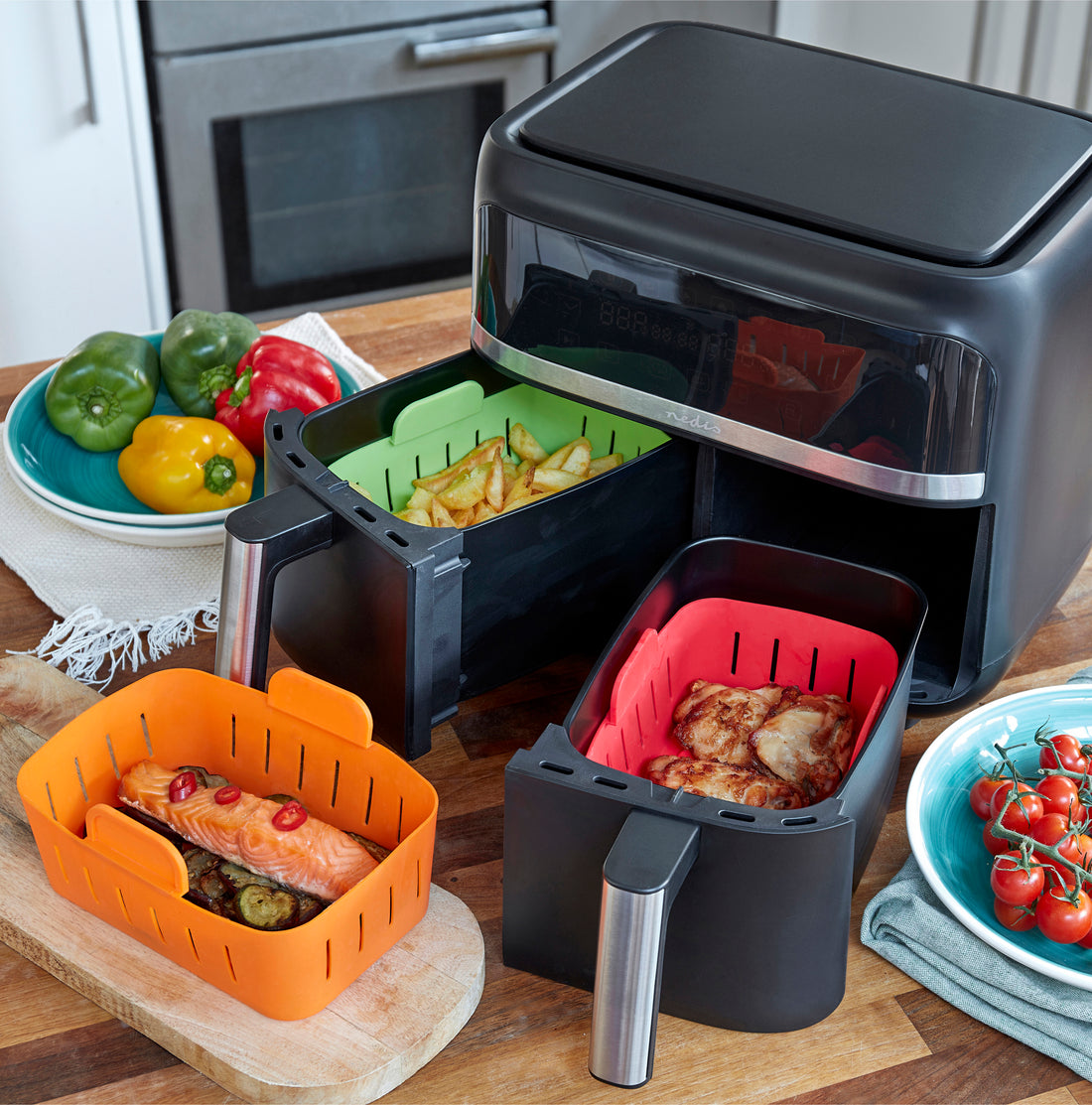
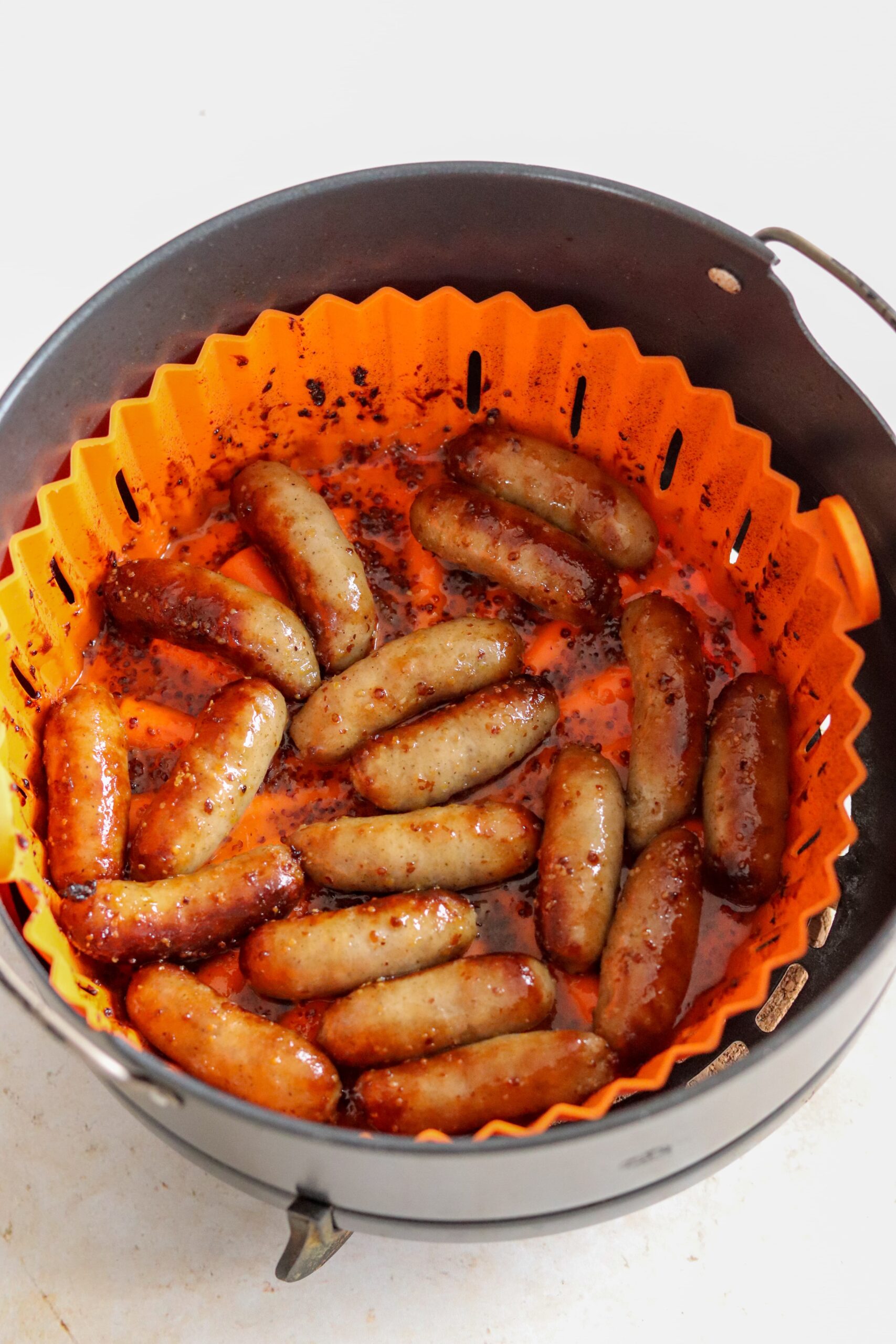
- Silicone Liners: Often reusable, these are flexible, non-stick, and come in various shapes and sizes to fit different air fryer models. They're popular for their durability and ease of cleaning.
- Parchment Paper Liners: These disposable liners are pre-cut to fit air fryer baskets and are a convenient, single-use option. They’re usually made from food-grade wood pulp.
- Aluminum Foil Liners: While less common for dedicated air fryer use, some people opt for aluminum foil. However, its use requires specific precautions which we’ll discuss.
Benefits of Using Liners
The primary benefits that make air fryer liners so appealing revolve around practicality:
- Easy Cleanup: This is, hands down, the biggest draw. Liners catch drips and crumbs, dramatically reducing the amount of scrubbing needed after cooking.
- Non-Stick Surface: Many liners provide an excellent non-stick surface, ensuring delicate foods don’t tear apart when removed.
- Prevents Food from Sticking: No more struggling to pry chicken wings or fish fillets from the basket.
- Keeps Small Items Contained: Tiny vegetables or fries won't fall through the basket holes.
Potential Downsides to Consider
While the benefits are clear, it's essential to acknowledge potential downsides that impact whether air fryer liners are safe and effective. Sometimes, people use liners incorrectly, which can hinder proper airflow or even pose a safety risk. For instance, using an oversized liner that covers too many vents can result in uneven cooking or even damage to the appliance itself.
Are Air Fryer Liners Safe? A Deep Dive into Materials
Understanding the material your air fryer liner is made from is paramount to determining if air fryer liners are safe for your cooking needs. Each material behaves differently under the high heat of an air fryer, and knowing their limitations is crucial. As someone who’s accidentally melted a liner (yes, it happens!), I learned quickly that material knowledge isn't just academic; it's practical.
Silicone Liners: The Flexible Choice
Silicone air fryer liners are a popular reusable option, lauded for their flexibility, non-stick properties, and ease of cleaning. High-quality, food-grade silicone is generally considered very safe for cooking. It’s designed to withstand high temperatures, typically up to 450°F (232°C) or even 500°F (260°C), which covers most air fryer settings. The key is to ensure you’re using "food-grade" silicone, often indicated by FDA or LFGB certifications. These certifications mean the silicone has been tested and deemed safe for contact with food, confirming that silicone air fryer liners are safe within their specified temperature ranges.
Parchment Paper Liners: The Common Go-To
Parchment paper liners are perhaps the most common disposable air fryer liners. They are convenient, non-stick, and excellent for preventing food from sticking. Most parchment paper is coated with silicone (a different type than the reusable liners) to give it non-stick and heat-resistant properties. The crucial factor here is ensuring the parchment paper is specifically designed for baking and high heat, often rated up to 425°F (218°C) or 450°F (232°C). Using generic, non-oven-safe paper can lead to charring or even catching fire in the intense heat and circulating air of an air fryer. Always check the temperature rating on the packaging to ensure these air fryer liners are safe.
Aluminum Foil Liners: A Word of Caution
While some people occasionally use aluminum foil in their air fryers, it comes with more caveats regarding safety. Aluminum foil can be used for certain applications, like covering food to prevent excessive browning. However, there are significant considerations:
- Airflow: Aluminum foil can easily block airflow if it covers too much of the basket or moves around, leading to uneven cooking or even overheating.
- Acidity: Highly acidic foods (like tomatoes or citrus) can react with aluminum, potentially leaching small amounts of aluminum into your food. While the occasional exposure isn't typically harmful for most people, it's something to be mindful of, particularly for those with kidney issues.
- Melting Point: While aluminum foil has a high melting point, direct contact with heating elements can cause it to burn or even damage the air fryer.
For these reasons, dedicated silicone or parchment air fryer liners are generally a safer and more recommended choice.
Safety Concerns and Best Practices for Air Fryer Liners
Using air fryer liners effectively and safely goes beyond just picking the right material. It involves understanding how air fryers work and avoiding common pitfalls. My own journey with air fryers taught me that even small mistakes can impact both safety and the quality of your food. So, are air fryer liners safe to use without any concerns? Not if you overlook these important practices.
Temperature Limits: Knowing Your Liner's Max
Every liner, regardless of its material, has a maximum temperature it can safely withstand. Exceeding this limit can lead to material degradation, off-gassing, or even fire.
- Silicone: Check the product specifications, but most are safe up to 450-500°F (232-260°C).
- Parchment Paper: Typically rated for 425-450°F (218-232°C).
Always match the liner's temperature limit with your air fryer's setting. Running an air fryer at 400°F with a liner only rated for 375°F is a recipe for trouble.
Airflow Obstruction: A Hidden Danger
An air fryer cooks by circulating hot air rapidly around the food. If your liner obstructs this airflow, several issues can arise:
- Uneven Cooking: Food won't cook as uniformly or get as crispy.
- Overheating: Blocked vents can cause the air fryer to overheat, potentially damaging the appliance or creating a fire hazard.
- Liner Movement: A lightweight parchment liner, if not held down by food, can fly up into the heating element during preheating or cooking, posing a fire risk. Always place food on top of parchment liners before starting the air fryer.
Ensure the liner fits snugly without covering side vents or extending too far up the basket walls. The goal is to contain food, not to create an impenetrable barrier.
Chemical Leaching and Food Safety
The concern about chemical leaching is a valid one, especially when discussing whether air fryer liners are safe. This is why material choice and certification are so important.
- Food-Grade Silicone: High-quality silicone is inert and doesn't react with food, meaning it won't leach chemicals under normal cooking conditions. Look for FDA or LFGB certifications.
- Parchment Paper: Reputable parchment paper is designed for food contact and baking, minimizing any risk of chemical transfer.
- Aluminum Foil: As mentioned, acidic foods can cause aluminum to leach. It's generally best to avoid direct contact between aluminum foil and highly acidic ingredients.
Personal Experience: Learning the Hard Way
I vividly remember one time I was in a hurry and grabbed a roll of what I thought was parchment paper, but it turned out to be wax paper. I popped it into the air fryer with some chicken nuggets, and within minutes, a smoky smell started filling the kitchen. The wax paper, with its low melting point, was charring and smoking, almost catching fire! It was a startling reminder that not all papers are created equal, and vigilance is key. From that day on, I always double-check the packaging. This experience solidified my understanding of why it's so important to ensure that air fryer liners are safe and appropriate for high-heat cooking.
Choosing the Right Air Fryer Liner for Your Needs
Deciding which air fryer liner is best for you comes down to a blend of convenience, safety, and personal preference. Are air fryer liners safe across the board? Not without careful consideration of your specific use case.
Factors to Consider
When you’re standing in the aisle, pondering your options, here’s what to keep in mind:
- Air Fryer Model and Size: Liners are often pre-cut for specific air fryer basket sizes (round, square). Measure your basket or check your air fryer's manual for recommendations. A liner that's too small won't offer much protection, and one that's too large will block airflow.
- Material and Temperature Rating: As discussed, prioritize food-grade silicone or high-heat parchment paper. Always verify the maximum temperature rating on the packaging.
- Reusable vs. Disposable: If you value sustainability and don't mind washing, reusable silicone liners are a great investment. For ultimate convenience, disposable parchment liners are hard to beat, but they generate more waste.
- Type of Food: For greasy items like bacon, a liner is invaluable. For items that need maximum crispiness, like certain fries, you might opt for no liner at all to maximize air circulation.
- Cost: Disposable liners are cheaper per use but add up over time. Reusable liners have a higher upfront cost but save money in the long run.
Eco-Friendly and Reusable Options
For those looking to reduce waste, reusable silicone air fryer liners are an excellent choice. They can be washed and reused hundreds of times, making them a sustainable alternative to disposable options. When choosing reusable silicone liners, ensure they are 100% food-grade and free of BPA, PVC, and phthalates. Many brands now offer thoughtfully designed silicone inserts that fit perfectly and boast excellent heat resistance. These reusable air fryer liners are safe and a smart investment for the environment and your wallet.

Frequently Asked Questions
How often should I replace silicone air fryer liners?
High-quality silicone liners can last for years with proper care. Replace them if you notice any tearing, brittleness, discoloration, or sticky residue that won't wash off, as these can indicate material degradation.
Can I use regular parchment paper in my air fryer?
No, it's crucial to use parchment paper specifically designed for baking or air frying, which has a higher heat tolerance. Regular parchment paper or wax paper has a lower heat rating and can char or catch fire in an air fryer.
What are the signs that an air fryer liner isn't safe to use?
Signs include melting, burning, producing smoke or an unusual odor, or showing significant discoloration or brittleness after use. If you observe any of these, discontinue use immediately and dispose of the liner.
Are reusable air fryer liners worth it?
Yes, reusable silicone air fryer liners are often worth the investment. They save money over time, reduce waste, and provide consistent non-stick performance and easy cleanup if properly cared for.
Can I use my air fryer without a liner?
Absolutely! Many foods cook perfectly well directly in the air fryer basket. Using a liner is primarily for convenience in cleaning and preventing sticking, not a requirement for safe operation.
Conclusion
Understanding if air fryer liners are safe hinges on making informed choices about materials, adhering to temperature limits, and ensuring proper airflow. By opting for high-quality, food-grade silicone or parchment paper specifically designed for air frying, and by following best practices like not obstructing vents, you can enjoy the many benefits these convenient accessories offer. Take the time to select the right liner for your air fryer and cooking needs, always checking those critical temperature ratings. This small effort will ensure a safer cooking experience and keep your air fryer operating at its best. If you're ready to simplify your air fryer cleanup and enhance your cooking, explore the range of certified, safe liners available today and transform your kitchen routine!