To clean an air purifier, regularly vacuum or rinse its pre-filter, wipe down the exterior, and replace main HEPA and activated carbon filters according to manufacturer guidelines.
Keeping the air in your home fresh and clean is a priority for many, and an air purifier is an invaluable tool in that effort. But just like any appliance that works hard for you, your air purifier needs a little TLC to perform its best. You're probably wondering exactly how to clean air purifier models effectively, and I'm here to tell you it's simpler than you might think. With years of experience helping folks optimize their indoor air quality, I've seen firsthand the difference a properly maintained air purifier can make. Let's dive into the practical steps that will keep your unit running efficiently, extending its lifespan, and most importantly, continuing to deliver that pure, breathable air you depend on.

Why Cleaning Your Air Purifier is Crucial
Think of your air purifier as the lungs of your home, diligently trapping dust, pollen, pet dander, and other airborne irritants. Over time, these collected pollutants can build up, clogging the filters and hindering the unit's ability to do its job. Neglecting to clean your air purifier isn't just about a dusty appearance; it directly impacts its efficiency and the quality of air you breathe. When filters are overloaded, the machine has to work harder, consuming more energy and potentially shortening its operational life.
Maintaining your air purifier is a simple but vital task that ensures it continues to capture particles effectively, rather than just circulating stale air. Regular cleaning helps prevent the growth of mold or bacteria within the unit itself, which can be a risk if moisture and trapped debris accumulate. By taking a few minutes to clean your air purifier, you’re not just performing maintenance; you’re investing in healthier indoor air and the longevity of your appliance.

Understanding Your Air Purifier: Different Types and Their Needs
Before you begin cleaning, it's helpful to understand the type of air purifier you have, as different filters require different care. Most modern air purifiers use a multi-stage filtration system, often including a pre-filter, a true HEPA filter, and an activated carbon filter. Each component plays a unique role and has specific cleaning or replacement requirements.
Pre-filters are usually the first line of defense, catching larger particles like dust and pet hair. Many of these are washable and designed for frequent cleaning. HEPA filters, on the other hand, are the workhorses, trapping 99.97% of airborne particles as small as 0.3 microns. These are typically not washable and need to be replaced. Activated carbon filters excel at removing odors and harmful gases, and they also require periodic replacement rather than cleaning. Knowing which filters your model uses will guide you on how to clean air purifier components effectively and safely.
Step-by-Step Guide: How to Clean Your Air Purifier
Ready to give your air purifier a fresh start? Follow these simple steps to thoroughly clean your unit and restore its peak performance. Remember, always consult your owner's manual for specific instructions unique to your model.
- Safety First: Unplug the Unit: Before you do anything, ensure your air purifier is completely unplugged from the power outlet. This is a crucial safety step to prevent any electrical hazards while you’re working with the internal components.
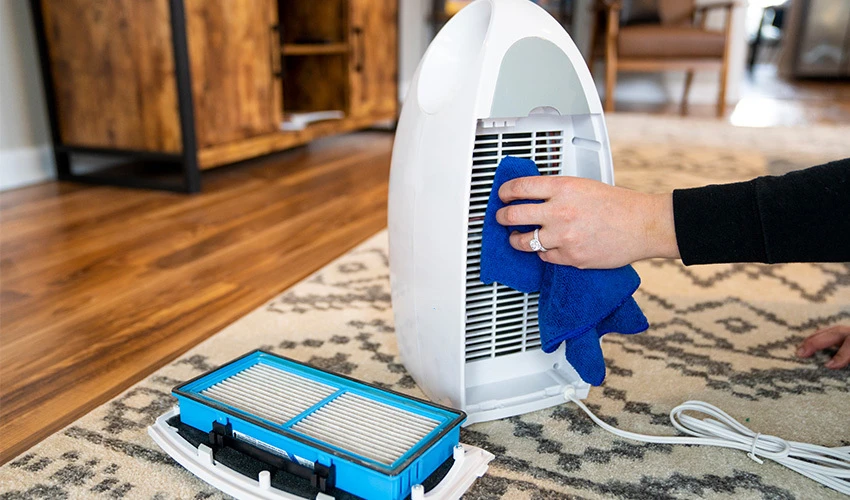
- Clean the Exterior: Use a soft, damp cloth to wipe down the outer casing of your air purifier. This removes dust and grime that can accumulate on the air intake vents, ensuring unrestricted airflow. Avoid using harsh chemicals or abrasive cleaners, as they can damage the unit's finish.
- Remove and Clean the Pre-Filter: Most air purifiers have a pre-filter designed to capture larger particles. Gently remove the back cover or grille and locate the pre-filter.
- Washable Pre-filters: If your pre-filter is washable, rinse it under lukewarm running water until the water runs clear. Gently squeeze out excess water and let it air dry completely before reinserting. A common mistake I've seen is putting a damp filter back in, which can lead to mold.
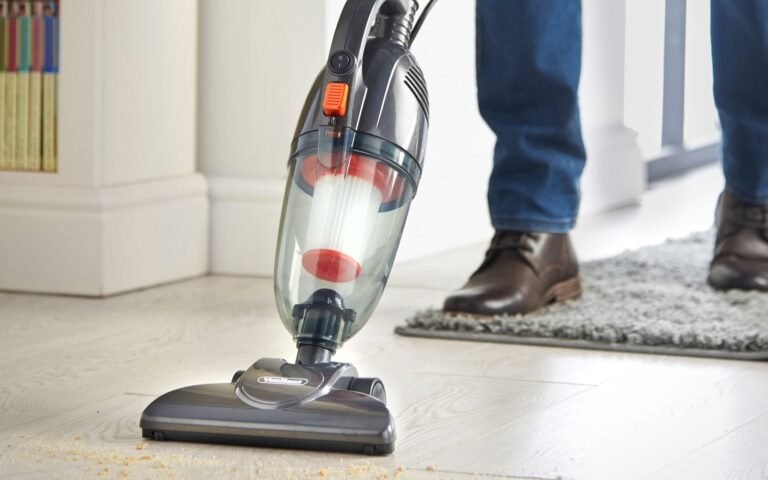
- Non-Washable Pre-filters: For non-washable pre-filters, use a soft brush attachment on your vacuum cleaner to gently remove accumulated dust and debris.
- Inspect and Maintain Main Filters (HEPA and Activated Carbon):
- HEPA Filters: True HEPA filters are typically not washable. Attempting to wash them can damage the delicate filter media and reduce their effectiveness. Instead, use a vacuum cleaner with a brush attachment on a low setting to carefully remove surface dust. However, the primary maintenance for HEPA filters is replacement, not cleaning.
- Activated Carbon Filters: Like HEPA filters, activated carbon filters are usually not meant to be washed. Their porous structure, which absorbs odors and gases, can be compromised by water. These also require periodic replacement.
- Clean Sensors (If Applicable): Some advanced air purifiers come with air quality sensors that detect particles in the air. Over time, dust can accumulate on these sensors, leading to inaccurate readings. Locate the sensor (often a small opening or panel) and gently clean it with a cotton swab or a soft brush, as recommended by the manufacturer.
By following these steps, you'll ensure that you know how to clean air purifier components effectively, keeping your indoor air pristine.
How often should I clean my air purifier?
You should clean your air purifier's pre-filter every 2-4 weeks, or more frequently if you live in a dusty environment or have pets. The main HEPA and carbon filters typically need replacement every 6-12 months, depending on usage and air quality.
Can I wash a HEPA filter?
No, you generally cannot wash a true HEPA filter. Washing will damage the delicate fibers that trap microscopic particles, rendering the filter ineffective. HEPA filters are designed for replacement, not cleaning.
What happens if I don't clean my air purifier?
If you don't clean your air purifier, its filters will become clogged, reducing airflow and efficiency, and potentially circulating dirty air back into your room. This can lead to decreased air quality, increased energy consumption, and a shorter lifespan for the unit.

Tips for Optimal Air Purifier Performance
Beyond just knowing how to clean air purifier components, there are other practices that will help your unit perform at its best and last longer. These small adjustments can make a big difference in maintaining excellent air quality in your home.
One of the most important tips is to stick to the filter replacement schedule recommended by the manufacturer. While cleaning extends the life of pre-filters, HEPA and activated carbon filters have a finite capacity. Trying to make them last longer than advised will only result in reduced effectiveness and potentially force the unit to work harder. From my own experience, I learned early on that skimping on filter replacements is a false economy; the air quality noticeably drops, and the machine struggles. Another crucial aspect is proper placement; position your air purifier in a central location in the room, away from walls or furniture that might obstruct airflow. Ensuring there's enough space around the unit allows for maximum air intake and circulation. Lastly, avoid common mistakes like using unauthorized third-party filters, which might not fit properly or meet the same filtration standards, potentially damaging your unit or voiding its warranty.

My Personal Take: Learning from Experience
When I first started using an air purifier years ago, I admittedly thought it was a "set it and forget it" device. I was so wrong! My first unit started making strange noises, and the air just didn't feel as fresh. After some research (and a bit of embarrassment), I realized I hadn't properly cleaned it, particularly the pre-filter. The amount of dust trapped in there was astounding – a visual testament to how hard it had been working!
That experience taught me a valuable lesson: consistency is key when it comes to knowing how to clean air purifier filters. Now, cleaning the pre-filter is part of my regular bi-weekly chore list, right alongside vacuuming. I also keep a spare set of HEPA and carbon filters on hand so I'm never caught off guard when it's time for replacement. This proactive approach not only keeps my indoor air feeling incredibly clean but also ensures my air purifiers run quietly and efficiently, extending their life far beyond what I initially expected. It’s like giving your car regular oil changes; it simply performs better and lasts longer.

Frequently Asked Questions
How often should I replace my air purifier filters?
Most HEPA filters need replacement every 6-12 months, while activated carbon filters usually require replacement every 3-6 months. Always refer to your specific air purifier model's user manual for the most accurate replacement schedule.
What are the signs of a dirty air purifier filter?
Signs of a dirty filter include reduced airflow, a musty or unpleasant odor coming from the unit, increased noise from the fan, and a noticeable drop in air quality within the room. Some modern purifiers also have indicator lights.
Can I use household cleaning solutions to clean my air purifier?
No, you should only use a soft, damp cloth with water for the exterior and either vacuum or rinse washable pre-filters with plain water. Harsh chemicals can damage the filters, sensors, or plastics of your air purifier.
Is it safe to use a vacuum cleaner directly on HEPA filters?
While you can gently vacuum the surface of a HEPA filter with a soft brush attachment on a low setting to remove large debris, this is not a substitute for replacement. Avoid aggressive vacuuming, as it can damage the filter media.
What should I do if my air purifier has a permanent filter?
If your air purifier has a "permanent" or "washable" HEPA filter, it typically means the filter can be rinsed with water and reused. Ensure you follow the manufacturer's specific washing and drying instructions carefully to maintain its effectiveness.
Conclusion
Mastering how to clean air purifier models is a straightforward process that significantly impacts the air you breathe and the longevity of your appliance. By regularly cleaning pre-filters, periodically replacing main filters, and wiping down the exterior, you ensure your unit continues to operate at peak efficiency. This simple maintenance routine prevents dust buildup, maintains air quality, and saves you money in the long run by extending your air purifier's lifespan.
Don't let your valuable air purifier become a dust collector; take a few minutes to give it the care it deserves. By implementing these tips, you'll be actively contributing to a healthier and fresher home environment. If you're curious about other ways to improve your indoor air, check out our other guides on air quality solutions, or share your own cleaning tips in the comments below!