Can You Use Coffee Beans For Espresso? Yes—choose fresh, suitable roasts and dial in grind.
If you’ve ever wondered Can You Use Coffee Beans For Espresso, you’re not alone. I’ve pulled thousands of shots at home and behind the bar, and I’ll show you how to turn almost any good bean into a tasty espresso. We’ll cover roast levels, grind size, pressure, brew ratios, and the small tweaks that make a huge difference. By the end, you’ll know exactly when and how to use coffee beans for espresso with confidence.

What Makes Espresso, Espresso?
Espresso is not a type of bean. It’s a brew method. Hot water is forced through a compacted bed of fine coffee at high pressure. The result is a small, intense cup with rich texture and crema.
Core espresso specs most pros use:
- Pressure around 9 bars for brewing
- Water temp near 200°F or 93°C
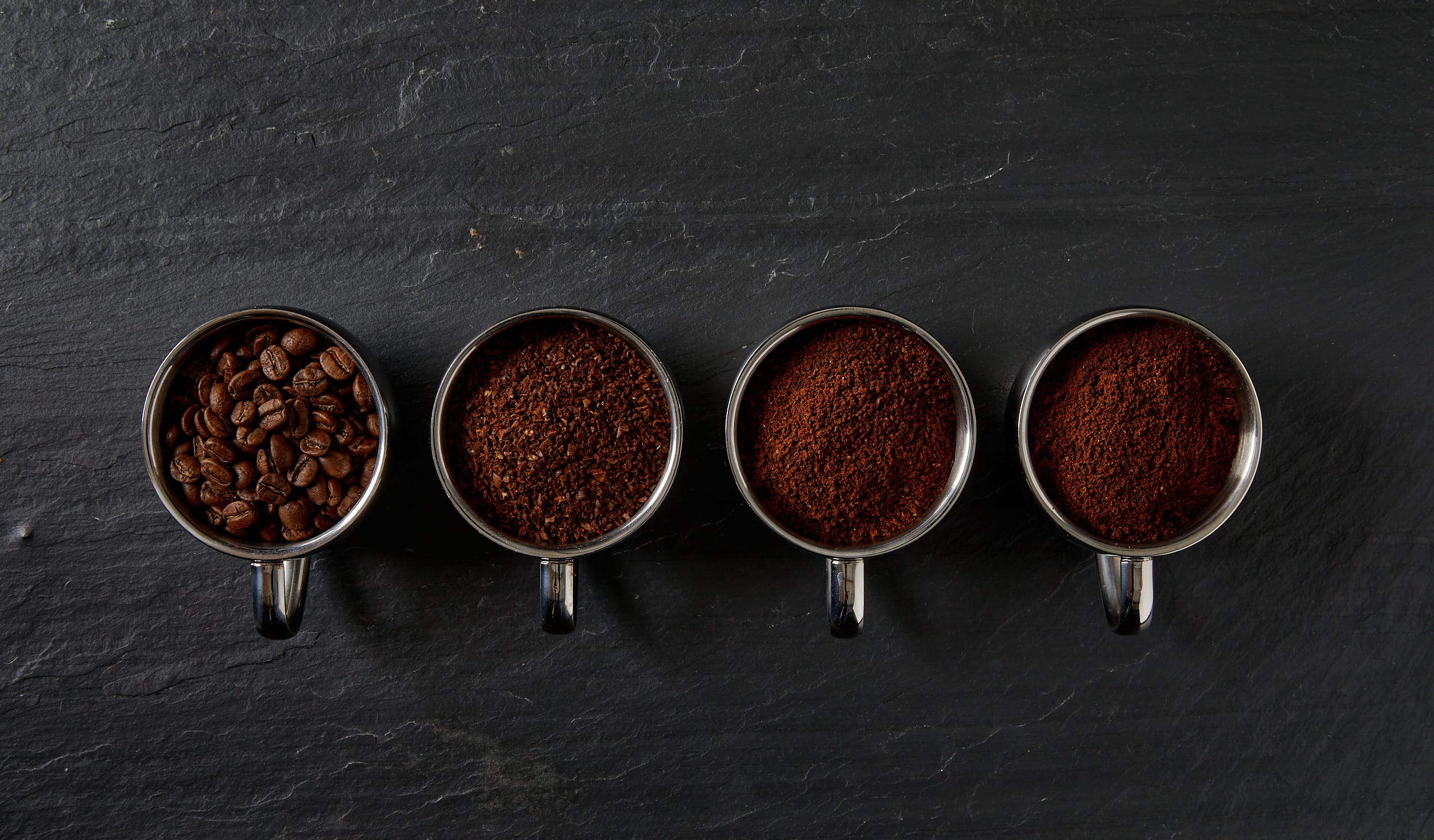
- Fine grind that feels like table salt or even finer
- Brew ratio near 1:2, like 18 g in and 36 g out
- Shot time around 25 to 35 seconds
These details matter because espresso extracts fast. If you are asking, Can You Use Coffee Beans For Espresso, these factors decide if your cup tastes bright, sweet, or bitter. Small changes in grind or time swing the taste a lot.
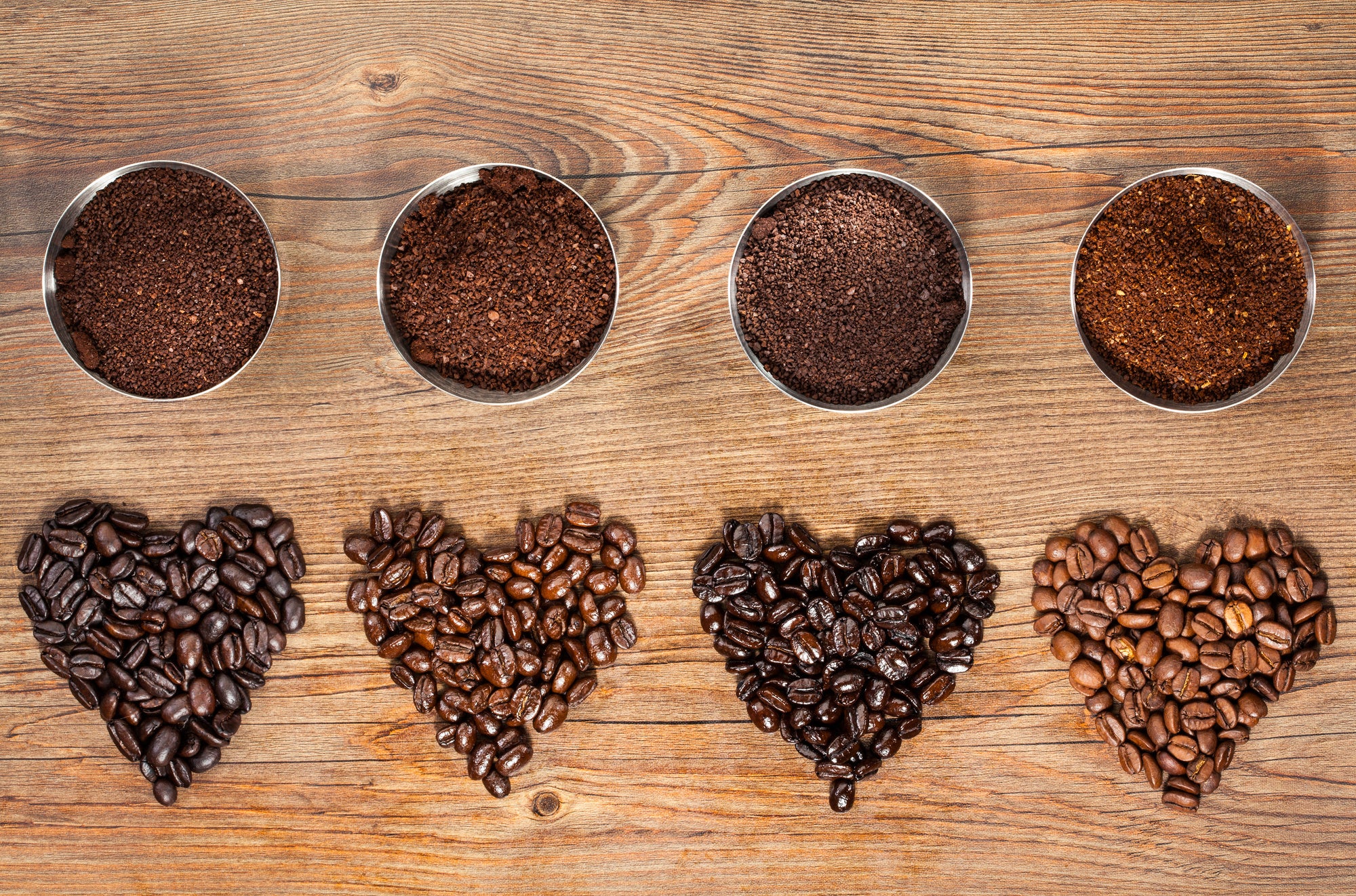
Can You Use Coffee Beans For Espresso? Yes—but choose smart
Short answer: yes. Longer answer: the bean must suit pressure brewing. You can use light, medium, or dark roasts. The right match depends on taste and your machine.
What to look for:
- Fresh roast with a roast date on the bag
- Flavor notes that suit espresso, like chocolate, caramel, nut, or ripe fruit
- Moderate oil on the surface; very oily beans can clog some grinders and super-automatic machines
- Beans roasted for “filter” can still work if you dial in the grind and time
Here is the key: Can You Use Coffee Beans For Espresso? Yes, but you must adjust grind, dose, and yield to fit the bean. That is the path to a sweet, balanced shot.

How Roast Level Changes Your Shot
Roast level shapes flavor and feel. If you ask, Can You Use Coffee Beans For Espresso, roast is your first big choice.
Light roast
- Taste: bright, floral, citrus, tea-like
- Risk: sour and thin if the grind is too coarse or the shot is too short
- Tip: grind finer, raise the dose, and consider a slightly longer shot
Medium roast
- Taste: balanced sweetness and acidity, chocolate, nuts, mild fruit
- Easy to dial in for most palates
- Great starting point when testing new beans for espresso
Dark roast
- Taste: bold, smoky, dark chocolate, big body
- Risk: bitterness and flat notes if over-extracted
- Tip: grind a touch coarser and aim for shorter times to keep sweetness
Yes, you can use coffee beans for espresso at any roast. Can You Use Coffee Beans For Espresso with light roasts? Yes, if you pull a longer, well-controlled shot.
Grind, Dose, Time: The Espresso Control Trio
Dial-in is how you tune a bean to taste great under pressure. Can You Use Coffee Beans For Espresso? You can, once you control these three.
Grind
- Go finer to slow the shot and boost sweetness
- Go coarser to speed the shot and reduce bitterness
- Use a burr grinder; blade grinders are too uneven
Dose
- Start with 18 g for a double shot
- Match basket size; do not overfill or underfill
Ratio and time
- Aim for a 1:2 ratio: 18 g in, 36–40 g out
- Target 25–35 seconds, measured from the first drip
- Adjust one variable at a time
Taste as your guide
- Sour or sharp: finer grind, longer shot, or a little hotter water
- Bitter or harsh: coarser grind, shorter shot, or slightly cooler water
If you keep asking, Can You Use Coffee Beans For Espresso, remember this: dialing in turns a plain bean into a great espresso.

Freshness, Storage, and Degassing
Freshness is huge. Espresso highlights both glory and flaws.
What works best
- Use beans 3 to 14 days after roast for most blends
- For very light roasts, 10 to 21 days can be ideal after degassing
- Store in a cool, dark place, in a sealed bag with a one-way valve
Avoid
- Fridges and freezers for open bags; moisture harms flavor
- Clear containers in sunlight
Freezing tip
- If you buy in bulk, freeze in small, airtight doses
- Thaw sealed to avoid condensation
When someone asks, Can You Use Coffee Beans For Espresso straight after roast, I say wait a few days. You’ll get better crema and sweeter shots.

Beans to Try for Espresso
You do not need “espresso” printed on the bag. But flavor goals help. Can You Use Coffee Beans For Espresso from any origin? Yes—match the profile to your taste.
Good fits
- Chocolatey Brazil or Colombia for classic balance
- Sweet Ethiopia for fruit-forward shots
- Robust Indonesia for big body
- Blends with a touch of high-quality Robusta for thicker crema
Single origin vs blend
- Single origin highlights unique notes
- Blends aim for balance, body, and repeatable shots
If your goal is simple and sweet, start with a medium roast Brazil-led blend. It answers Can You Use Coffee Beans For Espresso with a very friendly yes.

Troubleshooting: If Your Bean Tastes Bad as Espresso
Even great beans can taste off at first. Can You Use Coffee Beans For Espresso that taste weak or harsh? Yes—fix the cause.
If it is sour or thin
- Grind finer
- Extend the shot time by 3–5 seconds
- Raise your dose by 1 g and keep the same yield
If it is bitter or ashy
- Grind coarser
- Shorten the shot by 3–5 seconds
- Lower water temp slightly
If there is no crema
- Beans may be too old; aim for fresher roast dates
- Try a blend or add a bean with more body
- Check for channeling with good puck prep
Better puck prep
- Even distribution with a quick WDT tool or careful tapping
- Level surface and a firm, level tamp
- Light pre-infusion can reduce channeling
With these steps, the answer to Can You Use Coffee Beans For Espresso stays yes, and the taste proves it.

Real-World Lessons From The Bar
I learned fast that label names can mislead. One week, a “filter” medium roast from a small roaster made stunning espresso. We ground finer, pulled 1:2.3, and got ripe plum and caramel. Another time, a super oily dark roast clogged a super-automatic grinder in a day. That taught me to keep very oily beans for manual setups only.
Three simple rules I follow
- If I can’t sweeten a shot in three tries, I change grind more than dose
- I pull a few extra seconds on light roasts to avoid sour notes
- I treat freshness like produce: plan my use around peak days
So, Can You Use Coffee Beans For Espresso in everyday life? Absolutely. Pick a roast you enjoy, and dial in with patience. Your taste buds will guide you.
Frequently Asked Questions of Can You Use Coffee Beans For Espresso
Do I need beans labeled “espresso”?
No. That label is mostly a roast cue. Any high-quality bean can work for espresso if you dial in grind, dose, and time.
Are dark roasts better for crema?
Often yes, but not always. Dark roasts can show more crema, yet medium roasts can taste sweeter and more complex.
What grind size should I use?
Aim for fine, close to table salt or finer. Adjust until you get a 25–35 second shot at a 1:2 ratio.
Can I use pre-ground coffee for espresso?
You can, but results vary. Espresso needs a precise grind, so fresh grinding with a burr grinder is best.
How fresh should beans be for espresso?
Use beans a few days after roast up to a few weeks. Very fresh beans can be gassy; very old beans taste flat.
Will light roasts taste sour as espresso?
They can if under-extracted. Grind finer and extend the shot slightly to balance acidity.
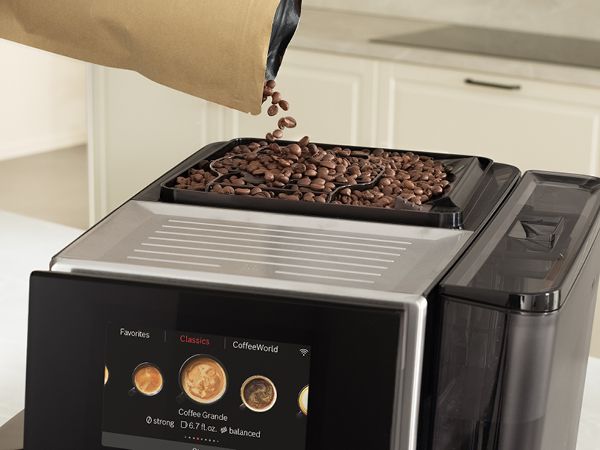
Can super-automatic machines handle any beans?
Avoid very oily dark roasts. They can gum up feeders and burrs; use medium roasts for reliability.
Conclusion
You do not need a special bag to make great shots. Can You Use Coffee Beans For Espresso? Yes—choose fresh beans, match the roast to your taste, and dial in grind, dose, and time. Use small, clear tweaks and trust what you taste.
Now it is your turn. Pick one bag, pull three focused test shots, and adjust one variable at a time. Share your results, ask a question, or subscribe for more easy espresso guides.