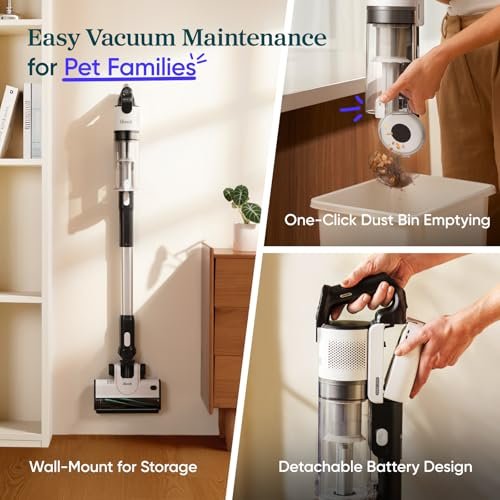
Self-propelled vacuum cleaners move on their own, cutting effort and cleaning time.
If you want cleaner floors with less work, you’ll love Self-Propelled Vacuum Cleaners. I’ve tested dozens in homes with pets, kids, rugs, and stairs. In this guide, I break down how they work, what to buy, and the tricks that save time and money. You’ll get expert tips, clear answers, and real-life examples you can use today.
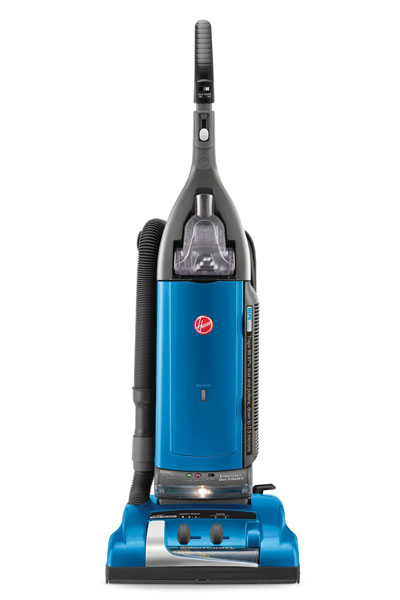
What Are Self-Propelled Vacuum Cleaners?
Self-Propelled Vacuum Cleaners use powered drive systems to move with little push. You guide them, but they do most of the work. This reduces strain on your arms, back, and shoulders.
There are two main types. Uprights with a drive assist that pulls or pushes itself across floors. Robot vacuums that drive, steer, and clean on their own using sensors and mapping.
If you want speed on thick carpet, a self-propelled upright is great. If you want hands-off cleaning, a robot vacuum is the easy pick.

How Self-Propulsion Works
In uprights, a small motor drives the wheels or the brush roll. The drive helps the vacuum glide forward and sometimes back. You can still steer, but you push far less. Many models let you adjust speed or turn the drive off.
Robot Self-Propelled Vacuum Cleaners use motors, wheels, and sensors. They map rooms with lasers, cameras, or gyros. They avoid walls, stairs, and cords. Good models use smart mapping, set zones, and recharge to resume cleaning.
Some tech terms you may see:
- LiDAR, vSLAM, or gyro navigation for mapping and pathing
- Cliff and bump sensors for drop and obstacle safety
- HEPA filters for fine dust and allergen control
- Auto-empty docks for hands-off bin emptying

Benefits and Trade-Offs
Self-Propelled Vacuum Cleaners bring real gains in day-to-day cleaning. But there are trade-offs to know.
Benefits:
- Less effort on thick carpet and large rooms
- More consistent coverage and speed
- Better daily upkeep when you use a robot schedule
- Fewer aches and less time spent each week
Trade-offs:
- Higher price and more parts to maintain
- Extra weight on some uprights
- Robot vacuums may miss dark rugs or low cables
- Repairs can cost more than basic vacuums

Key Features to Consider
Match features to your home. Here is what to look for in Self-Propelled Vacuum Cleaners.
For self-propelled uprights:
- Adjustable drive control for more or less pull
- Brush roll on/off for hard floors and rugs
- Height adjustment for high-pile and low-pile carpet
- Sealed HEPA system for allergy relief
- Weight and swivel steering for tight spaces
- Belt type and brush design for pet hair
- Cord length and tools for stairs and cars
For robot vacuums:
- Navigation type: LiDAR is fast and precise in most homes
- Obstacle avoidance: camera or laser helps with cables and toys
- Suction power and brush design for pets and rugs
- Battery life and recharge-and-resume for big homes
- App features: maps, zones, no-go lines, schedules
- Auto-empty dock for less bin work
- Noise levels if you work from home

Best Use Cases and Floor Types
Self-Propelled Vacuum Cleaners shine in many homes. Think about your floors and routine.
Great matches:
- Large homes with long hallways and big rooms
- Thick carpet where push force is high
- Busy homes with pets and daily dirt
- People who want less strain or have joint pain
- Mixed floors where brush control matters
Watch-outs:
- Uprights do not belong on stairs; use a hose and tool
- Some robots struggle with deep black rugs or high thresholds
- Fringe rugs may tangle if you leave the brush on

Setup, Use, and Maintenance Tips
Simple setup helps Self-Propelled Vacuum Cleaners last longer and clean better.
For self-propelled uprights:
- Set the right carpet height and drive speed
- Turn the brush off on hard floors to avoid scatter
- Clean the brush roll weekly if you have pets
- Wash or replace filters on schedule for steady suction
For robot vacuums:
- Place the dock on a clear wall with room on both sides
- Pick up cords, socks, and small toys before runs
- Set maps, rooms, and no-go lines in the app
- Empty the bin and clean sensors often, even with an auto dock
Troubleshooting and Common Mistakes to Avoid
Small fixes solve most issues fast. Here are the top ones I see with Self-Propelled Vacuum Cleaners.
Common issues and quick fixes:
- Drive feels weak: check belts, wheels, and hair wrap
- Poor pickup: clear clogs, wash filters, empty the bin
- Robot stuck: add no-go zones and tidy cables
- Streaks on hard floors: turn off the brush or use a soft brush
- Odor: wash filters and the dust bin, and use baking soda on carpet
Mistakes to avoid:
- Pushing too hard with drive on and stripping belts
- Skipping filter care, which cuts suction
- Letting hair build up on brush rolls
- Running a robot at night if it wakes kids or pets

My Tested Picks and Value Tiers
I have tested Self-Propelled Vacuum Cleaners across many budgets. These general picks balance price and performance. Always check the latest models and reviews before you buy.
Entry level:
- Basic self-propelled upright with belt drive and HEPA-like filters
- Robot with gyro navigation, strong suction, and a simple app
Mid range:
- Upright with true sealed HEPA, multi-speed drive, and good tools
- LiDAR robot with room maps, zones, and solid obstacle handling
High end:
- Premium upright with automatic height control and fingertip drive
- LiDAR robot with obstacle avoidance, mop combo, and auto-empty dock
If you want a set-and-forget plan, choose a mid-range LiDAR robot with auto-empty. If you want the deepest carpet clean, get a high-end upright with strong drive and a sealed system.

Cost, Warranty, and Longevity
Plan for the full cost of Self-Propelled Vacuum Cleaners, not just the sticker price.
Typical price ranges:
- Self-propelled uprights: about 200 to 800 dollars
- Robot vacuums: about 200 to 1,200 dollars, more with auto-empty
Ongoing costs:
- Filters every 3 to 6 months, faster with pets
- Belts and brush rolls every 6 to 18 months
- Robot batteries every 2 to 4 years, based on use
Warranty and life:
- Warranties often run 1 to 5 years
- With good care, uprights can last 5 to 10 years
- Robots often last 3 to 6 years, based on battery care and part swaps
Safety, Noise, and Air Quality
Safety first with Self-Propelled Vacuum Cleaners. Keep cords clear, watch fringe, and avoid stairs with uprights. Robots need cliff sensors active to stop falls on steps.
Noise levels matter. Many uprights run around 70 to 80 dBA. Robots often sit near 55 to 70 dBA on standard modes. Use quiet modes during work hours.
For cleaner air, look for sealed HEPA systems. HEPA filters capture 99.97% of fine dust at 0.3 microns when used in a sealed design. This helps with pollen, dander, and smoke residue.
Frequently Asked Questions of Self-Propelled Vacuum Cleaners
Are self-propelled uprights hard to control on rugs?
Good models are not. Use the right carpet height and reduce drive speed on lightweight rugs.
Do robot vacuums replace a full-size vacuum?
They handle daily dust and crumbs. You may still need a deep clean every few weeks, especially on thick carpet.
Will a robot work in a dark room?
Most LiDAR robots do. Camera-based robots may need some light for best obstacle detection.
Can self-propelled vacuums climb transitions and thresholds?
Yes, within limits. Many robots handle thresholds up to about 0.75 inches, and uprights glide with drive assist.
Do I need HEPA if I do not have allergies?
It still helps. HEPA traps fine dust that can cause odors and settle on furniture.
How often should I replace a robot vacuum battery?
Every 2 to 4 years for most users. Heavy daily use may shorten that timeline.
Are auto-empty docks worth it?
They save time and help keep suction steady. They are great for pet owners and busy homes.
Conclusion
Self-Propelled Vacuum Cleaners make cleaning faster, easier, and more consistent. Uprights give you power and deep carpet care. Robots give you hands-off cleaning that runs while you relax.
Pick the type that fits your floors, time, and budget. Start with the features that matter most: navigation, filtration, and drive control. Test a few settings, build smart routines, and watch your home stay cleaner with less work.
Want more tips and picks? Subscribe for updates, ask a question in the comments, or share your setup so we can help you fine-tune it.