Vacuum slowly with the right height setting, overlap passes, and clean filters.
If clean, soft carpet is your goal, you’re in the right place. I’ve spent years helping homes and offices look spotless, and I know how to vacuum carpets properly so they last longer, smell fresher, and trap less dust. This guide shares proven steps, pro tips, and real-life fixes that make a big difference, even if you only have 15 minutes.
:max_bytes(150000):strip_icc()/are-vacuum-cleaners-damaging-to-carpets-1901198_0250-0727865ff4bb443284275666763be780.jpg)
Why proper vacuuming matters
Good vacuuming does more than pick up crumbs. It removes gritty soil that cuts carpet fibers. That grit dulls color and wears down pile. Done right, your carpet stays clean longer and looks new.
Health also plays a role. Dust, dander, and pollen sink into carpet. Slow, steady vacuuming with a sealed machine and HEPA helps. If you want to know how to vacuum carpets properly, focus on strong suction and clean filters.
You also save money. Regular care delays deep cleans and replacement. Small habits stop big repairs. It’s simple work with a big payback.
The right vacuum and settings
Your tools matter. The best vacuum is the one you will use often, but fit counts. Here is what to look for.
- Strong, adjustable suction Choose a model that lets you change power for thick and thin pile.
- Brush roll control Use the beater bar on cut pile. Turn it off on loop or Berber carpets.
- Height adjustment Set the head so it lightly grips the carpet, not sinks into it.
- HEPA and sealed body Traps fine dust. Great for allergies and pets.
- Bagged vs bagless Bagged is cleaner to empty and better for allergies. Bagless works if you clean filters often.
- Tools that matter Crevice tool, edge cleaner, dusting brush, and a turbo tool for stairs and upholstery.
Pro note from the field: I test height by pushing the vacuum a few inches. If it glides too easy, raise the head down a notch. If it feels stuck, raise it up. That tiny tweak is key to how to vacuum carpets properly.
Step-by-step: how to vacuum carpets properly
This is the simple plan I teach clients and teams. It takes a bit more time, but it works.
- Prep the room
- Pick up toys, coins, and cords. Move light chairs and small tables.
- Dust shelves and blinds first so dust falls before you vacuum.
- Check the brush roll. Cut off hair and threads.
- Set the vacuum right
- Adjust the height until you feel a gentle pull.
- Turn on the brush for cut pile. Turn it off for loops or shag.
- Check the bag or bin. Empty if half to two-thirds full.
- Start with edges
- Use a crevice tool along baseboards and under radiators.
- Hit corners and door thresholds. Soil often hides here.
- Work in straight lines
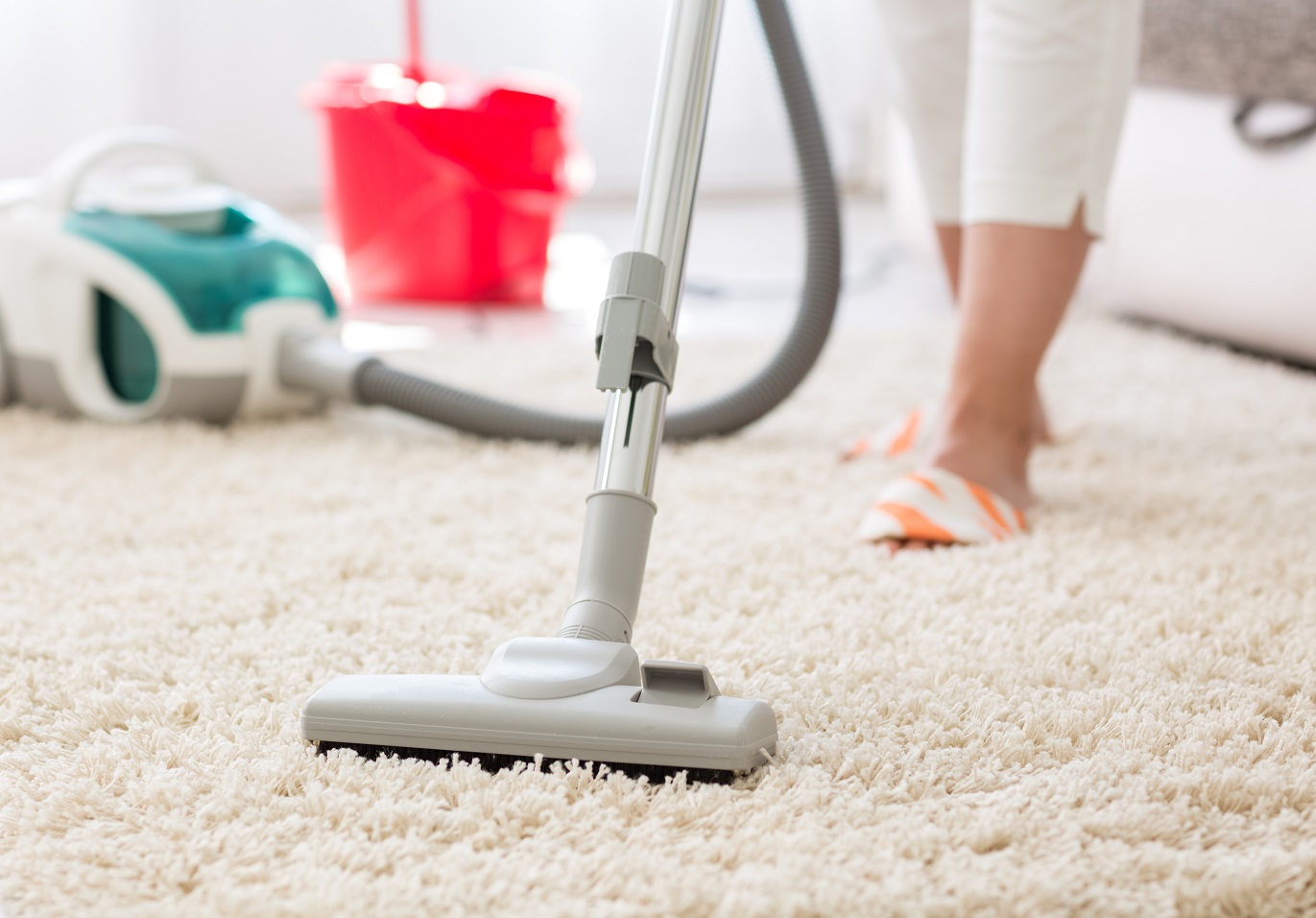
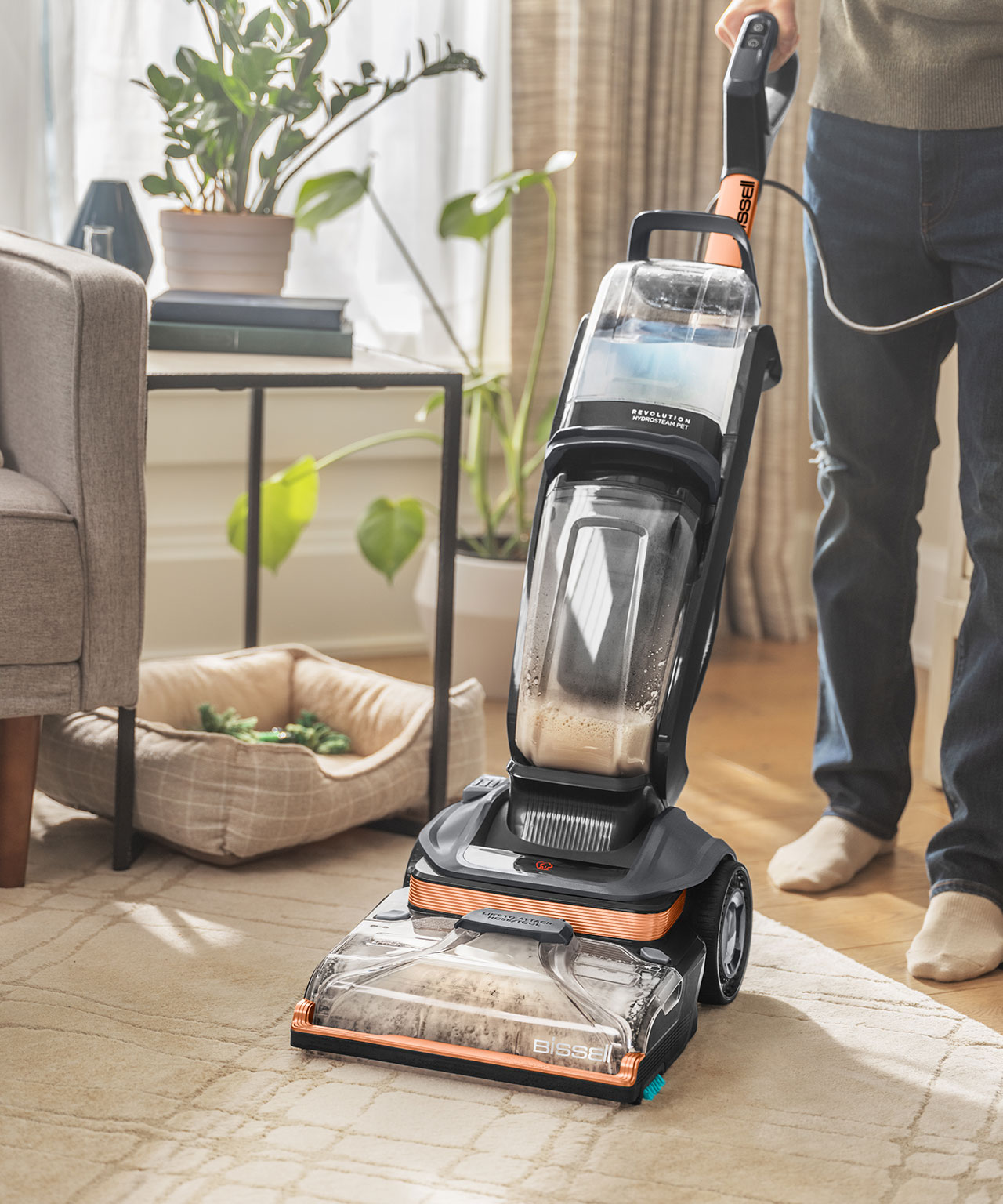
- Vacuum slowly. Aim for one foot per second.
- Overlap each pass by a third. Do north to south.
- Repeat east to west. This crisscross action lifts deep grit.
- Treat high-traffic lanes
- Entry routes and in front of sofas need extra passes.
- Do 3 to 4 slow passes in these areas.
- Finish strong
- Replace furniture. Roll or beat small rugs outside if safe.
- Empty the bin or replace the bag if near full.
- Wash or tap filters as the maker says.
Follow this each time and you will know how to vacuum carpets properly. Small steps, done well, add up to a cleaner home.
Techniques for different carpet types and messes
Carpet type changes the game. Use these simple rules.
- Cut pile (plush, saxony)
- Use brush roll on.
- Medium height. Two slow crisscross passes in low-traffic areas.
- Loop and Berber
- Brush roll off to avoid fuzzing and pulls.
- Strong suction. More, slower passes rather than high brush action.
- Frieze and shag
- Brush roll off or on low. Use a gentle turbo tool if needed.
- Lift fibers with a rake before and after.
- Wool
- Gentle suction. Brush off or soft brush roll only.
- Frequent light vacuuming beats rare deep sessions.
- Synthetic blends
- Most forgiving. Use proper height and brush roll on.
- Watch for static and fiber snag under doors.
For special messes:
- Sand and fine dust Do extra slow passes. These sink deep.
- Pet hair Use a rubber brush or rake first. Then vacuum with a turbo tool.
- Spills Blot first. Dry fully. Then vacuum to lift raised fibers.
These tweaks are a big part of how to vacuum carpets properly across different rooms.

A smart schedule that sticks
Set a plan you can keep. It is the secret to clean carpets.
- Daily quick pass
- Entry mats and kitchen runners take a fast once-over.
- Weekly whole-home
- Bedrooms, halls, and living rooms. Two slow crisscross passes.
- High-traffic focus
- In front of sofas, kids’ play zones, pet areas. Add extra passes 2 to 3 times a week.
- Monthly deep vacuum
- Move light furniture. Hit edges and under couches.
- Seasonal reset
- Wash filters. Replace belts. Check for clogs. Rotate rugs.
Real-life tip: I set a timer for 12 minutes per room. Short, focused sprints help me stick to how to vacuum carpets properly without burning out.
Common mistakes to avoid and easy fixes
Small errors waste time. Here is how to avoid them.
- Moving too fast Slow down. Suction needs dwell time.
- Wrong height setting If it snows crumbs behind you, lower the head. If it is hard to push, raise it.
- Full bag or clogged filter Loss of suction means less soil picked up. Empty at half to two-thirds full. Clean filters monthly.
- Brush roll tangles Hair stops the brush. Cut it off with scissors every week.
- Skipping edges Dirt creeps from walls to the room. Edge first, then the field.
- Overusing powders Some deodorizers clog filters. Use sparingly and vacuum well.
These fixes are core to how to vacuum carpets properly and will show fast results.
Health and allergy tips that help you breathe easier
A few tweaks can cut sneezes and dust.
- Choose sealed HEPA Bagged and sealed systems trap fine particles.
- Vent after vacuuming Open a window for 10 minutes if weather allows.
- Vacuum when others are out It gives time for any stirred dust to settle.
- Wash tools Rinse or wipe tools and bins to stop musty smells.
- Use entry mats Catch grit before it reaches carpet. Clean mats often.
From client homes, I learned this: switching to a sealed HEPA and slowing the pace by half made pet homes feel fresher at once. That is part of how to vacuum carpets properly for sensitive noses.

Time-saving and eco-friendly habits
Save time and cut waste without losing clean.
- Zone your home Do one or two rooms per day instead of all at once.
- Maintain your machine A clean machine uses less power for the same result.
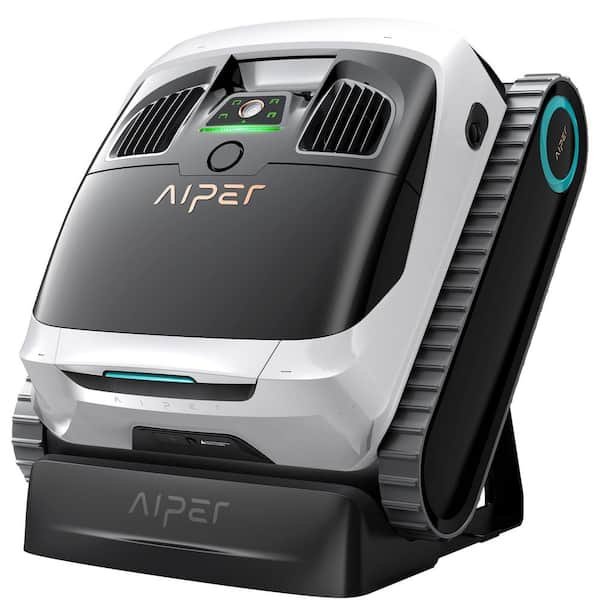
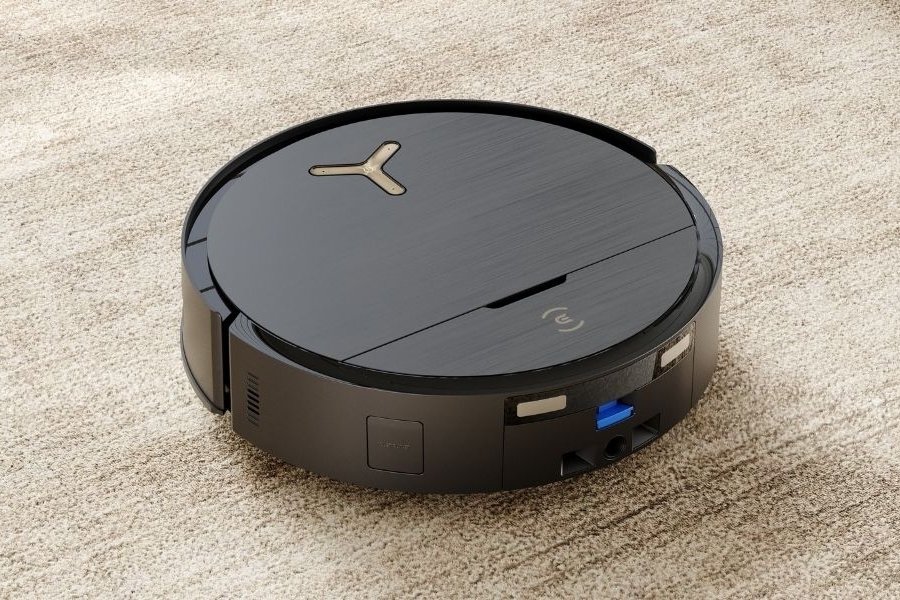
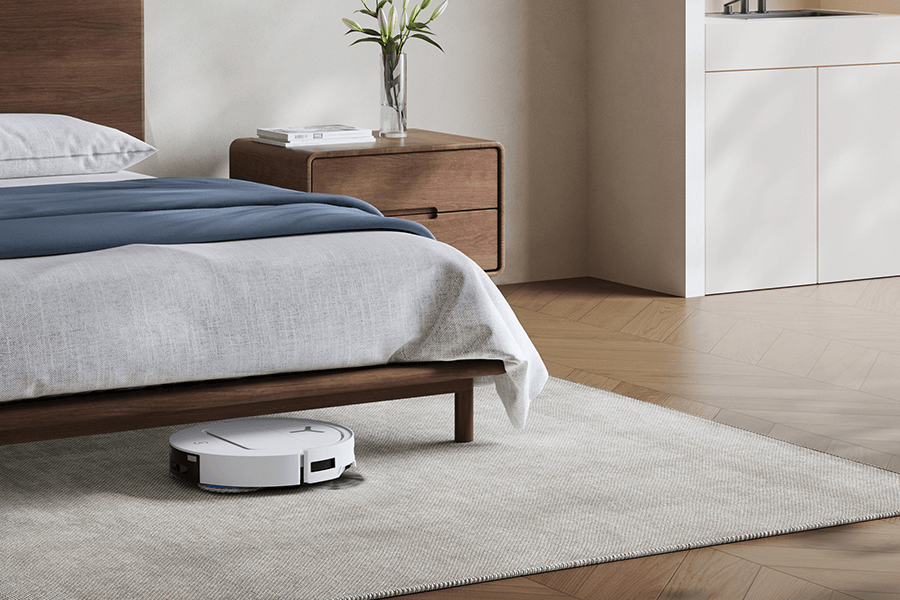
- Use robots as helpers Let a robot handle dailies. You still do a weekly deep pass.
- Good mats and no-shoes rules Less soil in means fewer passes and less energy used.
- Repair, don’t replace New belts and filters make old vacuums feel new.
These habits keep you on track with how to vacuum carpets properly while saving effort.
Frequently Asked Questions
How often should I vacuum each room?
Low-traffic rooms need once a week. Busy rooms and pet zones need two to three times a week, plus daily quick passes on entry paths.
What is the best way to vacuum high-traffic lanes?
Use slow, overlapping passes. Do three to four passes in two directions for the best lift.
Should I vacuum before or after dusting?
Dust first, then vacuum. Falling dust gets picked up in the same session.
Is a bagged or bagless vacuum better for allergies?
Bagged sealed systems are best. They trap fine dust and are cleaner to empty.
How do I set the right vacuum height?
Lower until you feel a gentle tug and hear the pitch change. If pushing is hard or you see debris left behind, adjust one notch.
Can I use carpet powder every week?
Use sparingly. Powders can clog filters and bags if used often.
Do I need a HEPA filter if I do not have allergies?
It still helps. HEPA traps fine dust and keeps air fresher for everyone.
How slow is slow when vacuuming?
Aim for about one foot per second. Slow strokes give suction time to pull grit from the base.
Will the brush roll damage my Berber carpet?
It can fuzz loops. Turn the brush roll off and rely on suction.
How to vacuum carpets properly with a robot vacuum?
Let the robot handle daily crumbs. Still do a weekly slow, crisscross pass with a full-size vacuum for deep soil.
Conclusion
Clean, long-lasting carpet is no mystery. Set your height right, move slow, overlap passes, and keep your filters clean. Use edges-first, crisscross strokes, and extra care in high-traffic lanes. That is how to vacuum carpets properly in a way that saves time and money.
Pick one tip to try today. Maybe slow your pace or edge the room first. Small wins stack up fast. Want more practical home care guides? Subscribe, share this with a friend, or leave a question and I’ll help you dial in your routine.