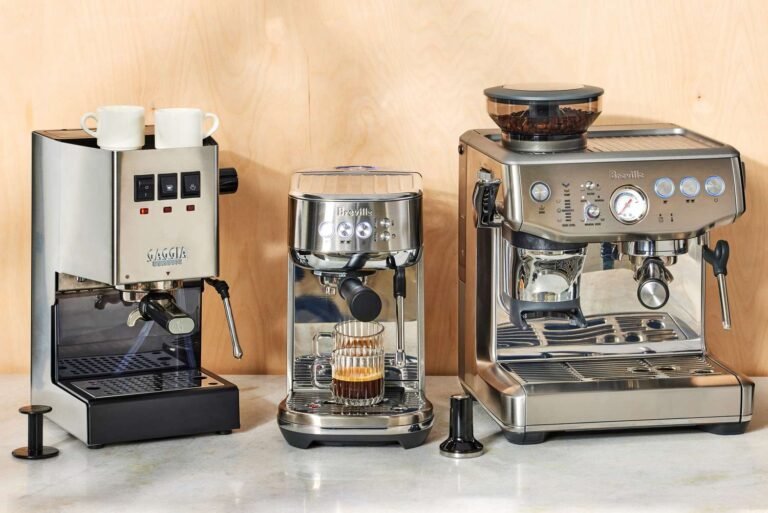
Match brew type, capacity, budget, and maintenance to your daily routine.
Buying a brewer should be simple, but the choices are tricky. In this guide, I break down the key Considerations When Buying a Coffee Maker with clear steps and real tests. I have owned and tested drip, espresso, pod, and manual gear for years. You will learn how to pick the right machine, avoid common mistakes, and brew better coffee at home.
Start With Your Routine
Among the top Considerations When Buying a Coffee Maker is how you drink coffee each day. Your routine decides the right style, size, and features. Pick a brewer that fits your pace, not the other way around.
Ask yourself these quick checks:
- How many cups do you drink on a normal day
- Do you sip slowly or rush out the door
- Do you like drip, espresso, or milk drinks
- Do you brew for one or for a crowd
From my kitchen tests, the best choice fits your habit with no fuss. If it feels like work, you will not use it. That one point can save you money and time.

Coffee Maker Types Explained
This is one of the most useful Considerations When Buying a Coffee Maker. Know the common types and what they do well.
- Drip coffee maker. Great for easy, consistent batches. Many have timers and auto-off.
- Single-serve pod maker. Fast and clean. Good for one cup. Pods cost more per cup.
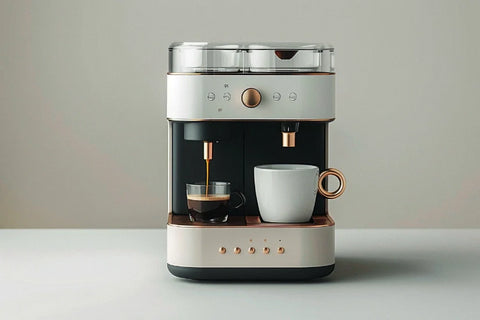
- Espresso machine. Rich shots and milk drinks. Needs a grinder and practice.
- Manual brew gear. French press, pour-over, AeroPress. Cheap, small, and hands-on.
- Grind-and-brew. Built-in grinder for fresh coffee. More parts to clean.
My rule of thumb:
- Pods for speed.
- Drip for families.
- Espresso for milk drink fans.
- Manual for tinkerers and travelers.
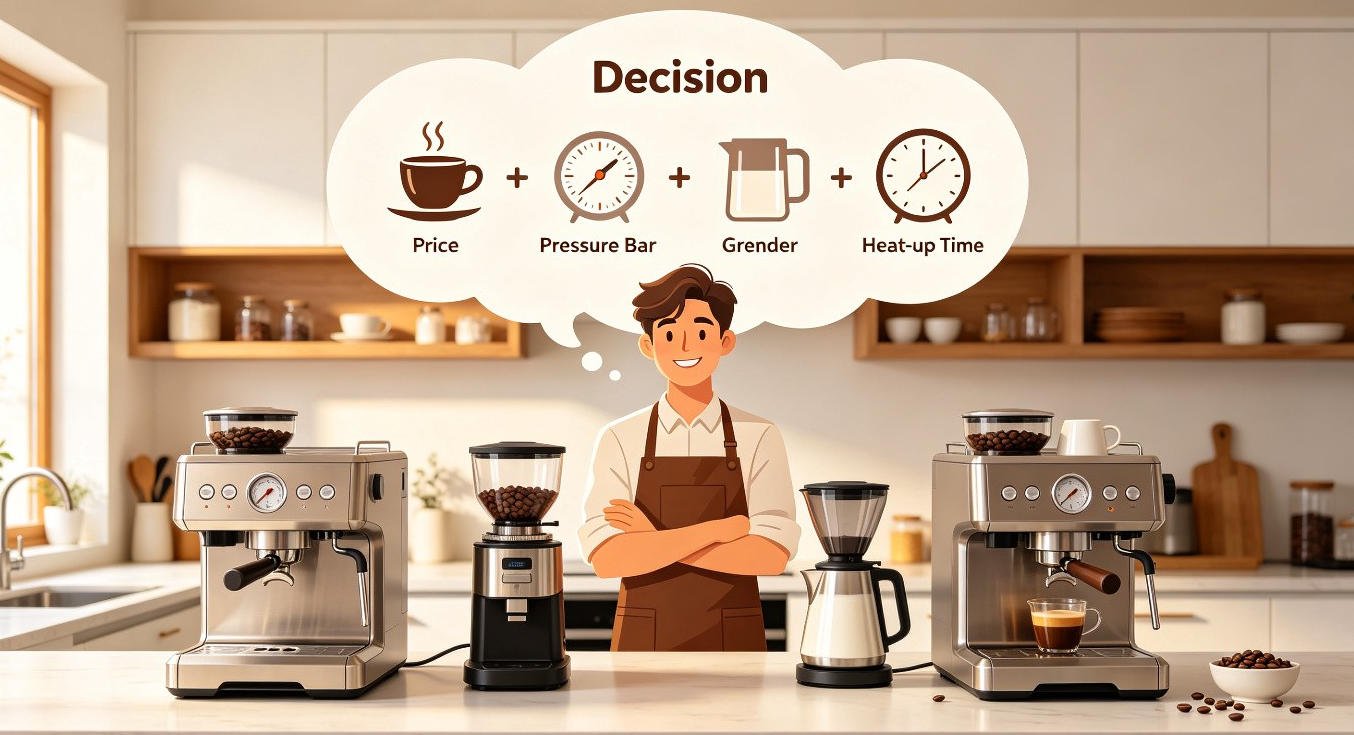
Brew Quality: Temperature, Extraction, and Pressure
Another core part of the Considerations When Buying a Coffee Maker is how the machine extracts flavor. Good coffee needs the right water heat and even flow. Aim for water around 195 to 205°F for drip. That range brings out sweet notes without harsh bite.
Look for:
- Even showerhead to wet all grounds
- A brew time of about 4 to 7 minutes for most drip
- Stable heat during the whole cycle
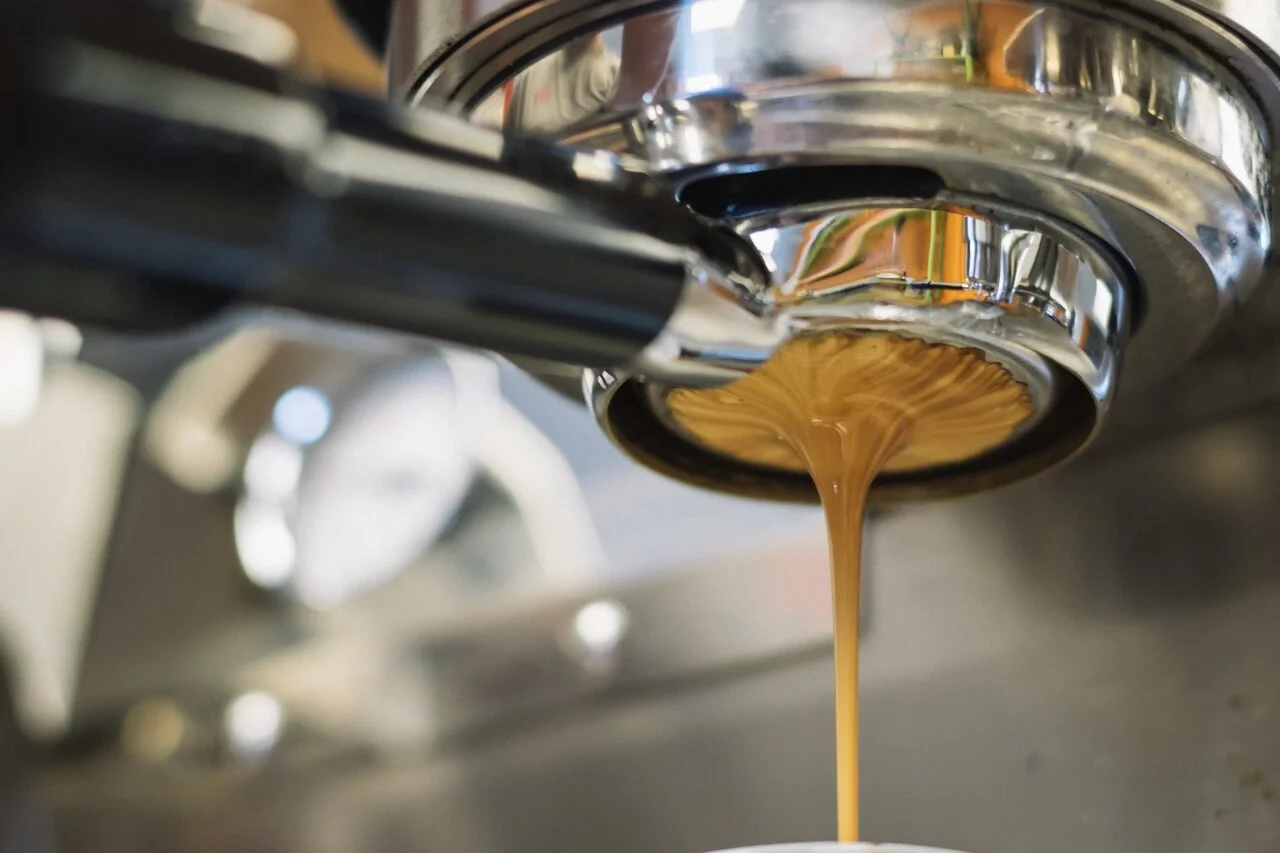
For espresso, steady 9 bars of pressure and fine grind matter. A low-cost pump may spike or dip. That leads to sour or bitter shots. I have seen this many times while testing budget models.
Is a thermal carafe better than glass
A thermal carafe keeps heat without a hot plate. It cuts the risk of burnt taste. Glass is fine if you drink fast.
What brew temperature is best
For most drip, target 195 to 205°F. It gives a balanced cup with clear notes.
:max_bytes(150000):strip_icc()/the-breville-grind-control-is-the-best-grind-and-brew-drip-coffee-maker-tout-ae72d11234584c0da6b9798fbe9e2c0a.jpg)
Capacity, Speed, and Batch Size
The Considerations When Buying a Coffee Maker also include how much and how fast it brews. Do not buy a 12-cup unit for one person unless you host a lot. It takes more space and more time.
Match size to use:
- One person. Single-serve or a 4 to 5-cup drip.
- Two to four people. A 8 to 10-cup drip.
- Crowd or meal prep. A 12-cup with a thermal carafe.
Speed matters on work days. Many drip makers do a full pot in 6 to 10 minutes. Pods are under 2 minutes. Espresso takes warmup plus 30 seconds per shot. Pick what your mornings allow.

Carafe, Materials, and Build
Few Considerations When Buying a Coffee Maker affect taste and ease like the carafe and build. A thermal carafe traps heat without a hot plate. That helps flavor. Glass carafes are light and cheap, but they need a plate that can overcook coffee.
Look for:
- Stainless steel thermal carafe with good lid seal
- BPA-free water tank and parts that touch hot water
- Solid hinges and simple to remove baskets
From experience, a well-sealed thermal carafe kept coffee hot for hours in my tests. A loose lid lost heat fast and dulled the taste.
Is a thermal carafe dishwasher-safe
Most are not. Hand wash to protect the vacuum seal. Check the manual first.
Grinder Choices and Freshness
Fresh grind is one of the strongest Considerations When Buying a Coffee Maker. Grind size controls flavor and flow. Burr grinders crush beans to even pieces. Blade grinders chop and make fines. That can lead to bitter and weak mix in the same cup.
Your options:
- Separate burr grinder. Best control and upgrades later.
- Built-in grinder. Saves space but adds clean-up and noise.
- Pre-ground coffee. Easy, but loses aroma within days.
Do you need a grinder for better coffee
Yes, a burr grinder makes a clear difference. Fresh ground coffee tastes brighter and fuller.
Water, Filtration, and Maintenance
Water is a silent driver among the Considerations When Buying a Coffee Maker. Hard water builds scale. Scale slows flow and blocks heat. That hurts taste and shortens the life of your brewer.
Simple steps:
- Use filtered water if your tap is hard
- Descale as the manual says, often every 1 to 3 months
- Rinse baskets and carafes after each brew
- Deep clean with mild detergent weekly
In lab tests, machines with regular descale kept better heat. My own brewers lasted years longer with a clean cycle habit. Small care saves big costs.
Features and Smart Controls
Features can help, but they can also distract from core needs. The Considerations When Buying a Coffee Maker should weigh must-haves first.
Useful features:
- Programmable timer to wake up to coffee
- Brew-strength or bloom control for flavor
- Auto-off for safety
- Pause-and-pour to sneak a cup mid-brew
- App or Wi‑Fi if you like remote starts or reminders
Nice to have, not need to have:
- Fancy screens that add cost
- Over-complex menus
I set my timer on work days and love it. But I skip app control in rentals to avoid setup time.
Total Cost of Ownership and Sustainability
This part of the Considerations When Buying a Coffee Maker gets missed. The sticker price is not the full price. Pods, filters, descaler, water, beans, and power all add up.
Plan the budget:
- Pods cost more per cup than beans
- Paper filters are cheap but add waste
- Reusable filter saves money but can let oils through
- Descaler and water filters prevent repairs
Think green:
- Thermal carafe cuts power need
- Metal or cloth filters reduce trash
- Buy durable parts and repairable designs
I once switched from pods to beans and saved over half per cup. The taste gain was a bonus.
Space, Noise, and Ergonomics
Practical fit is a real part of the Considerations When Buying a Coffee Maker. Measure the space under cabinets. Check if the lid can open all the way. See where the water tank sits.
Check ease of use:
- Front-load baskets save reach
- Removable tanks make filling simple
- Clear marks on the tank prevent guesswork
Noise matters in small homes. Grinders and pumps can be loud. I test early in the morning to see if a machine wakes the house. Some models are much quieter.
Warranty, Safety, and Support
Trust is key in the Considerations When Buying a Coffee Maker. Good brands back their gear. Warranties of one to two years are common. Some espresso makers offer longer plans.
Look for:
- Overheat protection and auto-off
- Stable base and cool-touch carafe handle
- Service centers or easy parts access
I keep boxes and receipts for fast support. A clear manual and responsive help line saved me hours on a clogged steam wand once.
Frequently Asked Questions of Considerations When Buying a Coffee Maker
How often should I descale my coffee maker
Descale every 1 to 3 months, based on your water hardness and use. If brew time slows or taste drops, clean sooner.
What grind size should I use for drip coffee
Aim for medium grind, like sand. If coffee tastes sour, go finer. If it is bitter, go coarser.
Do reusable filters change taste
Yes, metal filters let oils through for a fuller body. Paper filters give a cleaner cup with less oil.
Is a more expensive machine always better
Not always. Pay for stable heat, solid build, and a good grinder. Skip features you will not use.
How long should a drip coffee maker last
With care, many last 3 to 7 years. Regular cleaning and descaling can extend the life even more.
Conclusion
Choosing well comes down to fit, flavor, and upkeep. Focus on daily needs, brew control, and care habits. Use these Considerations When Buying a Coffee Maker to pick a machine that serves you, not the other way around.
Make a short list, set a budget, and test what matters most to you. Then buy with confidence and enjoy better coffee every day. Want more tips Send a question, subscribe for updates, or share your setup in the comments.