For a standard 8-ounce cup, generally use two tablespoons (one standard coffee scoop) of ground coffee. Getting your daily brew just right can feel like an art form, especially when you're trying to figure out precisely how many scoops of coffee per cup will deliver that perfect balance of flavor and strength. As a coffee enthusiast who's spent countless mornings perfecting my own cup, I understand the quest for that ideal ratio. This guide will dive deep into the science and art behind measuring coffee, helping you consistently brew delicious coffee that perfectly suits your taste buds.

Understanding the Basics: The Golden Ratio
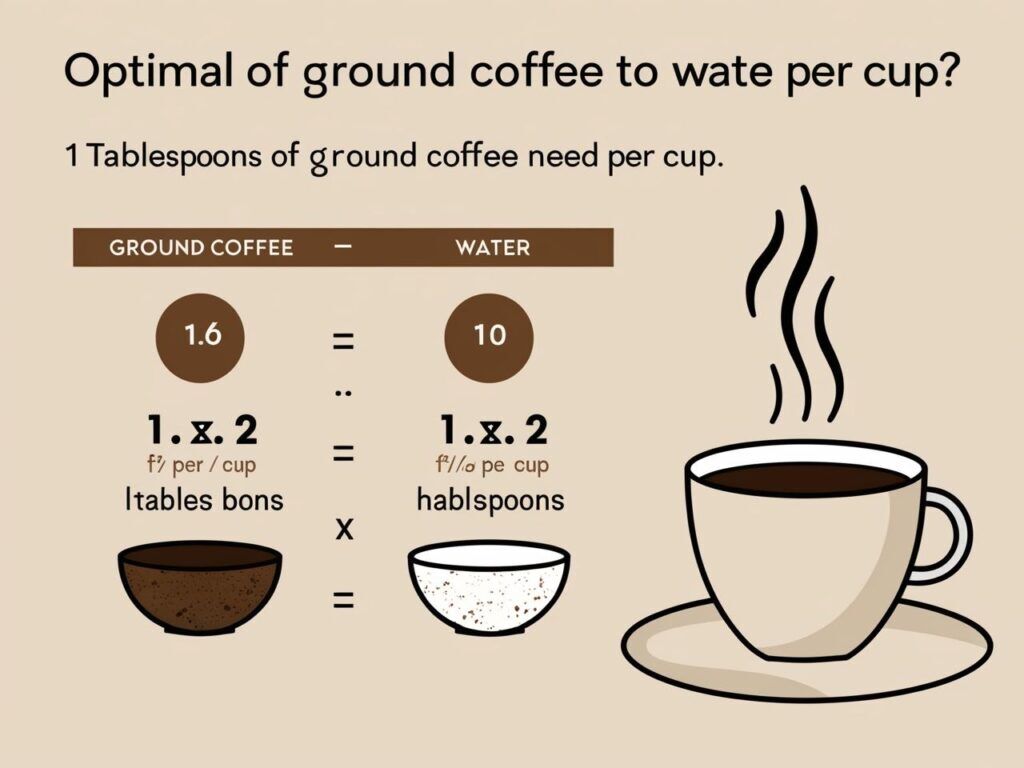
Brewing a truly excellent cup of coffee often starts with a fundamental principle known as the "Golden Ratio." This isn't a hard and fast rule but rather a widely accepted guideline to achieve a balanced, flavorful brew. Most coffee experts recommend a ratio of 1:15 to 1:18, meaning one part coffee to 15-18 parts water. When we translate this into practical terms for how many scoops of coffee per cup, it typically boils down to about two tablespoons of ground coffee for every 6 ounces of water. Since most "cups" on a coffee maker are actually 5-6 ounces, this often means one standard coffee scoop per "cup" marking.
What is a "Scoop"?
This might seem like a simple question, but the term "scoop" can be surprisingly ambiguous! A "scoop" could refer to any spoon you grab from your drawer, or it could be a specialized measuring tool. When we talk about how many scoops of coffee per cup, we're usually referring to a specific measurement, not just any old spoon. Understanding this distinction is crucial for consistency in your brewing.
The Standard Coffee Scoop
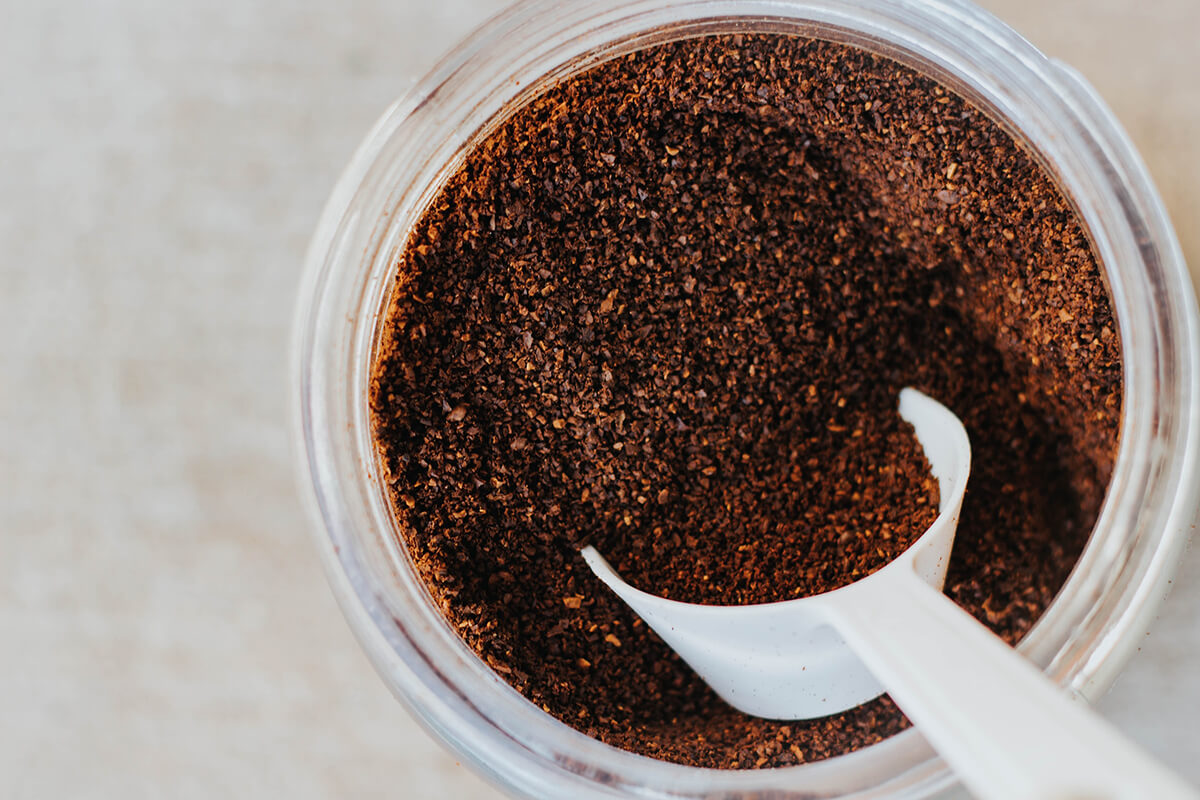
Most commercially available coffee scoops are designed to hold two tablespoons (tbsp) of whole bean or ground coffee, which is approximately 10 grams. This measurement is often considered the benchmark when discussing how many scoops of coffee per cup. So, if your coffee maker's carafe has markings for "cups," remember that these usually represent 5-6 ounces of water. This means you’d typically add one standard 2-tablespoon coffee scoop for each 5-6 ounce "cup" of water you're brewing. This helps standardize the answer to how many scoops of coffee per cup.
Factors Influencing Your Coffee-to-Water Ratio
While the Golden Ratio provides a fantastic starting point, it's truly just that – a start. The ideal number of scoops isn't a one-size-fits-all answer, as several elements can significantly impact the final taste. Fine-tuning how many scoops of coffee per cup based on these factors is what transforms a good cup into a great one.
Coffee Roast Level
The roast level of your coffee beans plays a larger role than you might think when determining how many scoops of coffee per cup. Darker roasts tend to be more porous and less dense than lighter roasts. This means that for the same volume (e.g., one scoop), a darker roast will weigh less than a lighter roast. Consequently, if you're using a dark roast, you might need a slightly larger quantity (or an extra half scoop) to achieve the same strength as a lighter roast. Conversely, very light roasts can be quite dense and might extract more intensely, potentially requiring a little less coffee.
Grind Size Matters
The grind size is paramount for extraction. A finer grind exposes more surface area to water, leading to quicker and more efficient extraction. If your grind is too fine for your brewing method, you might find your coffee bitter and over-extracted, even with the "correct" number of scoops. On the other hand, a coarse grind might result in an under-extracted, weak, and sour cup. Understanding how grind size interacts with your brewing method helps you adjust how many scoops of coffee per cup for optimal flavor. For instance, a French press needs a very coarse grind, while espresso demands a very fine one.
Brewing Method
Different brewing methods have distinct requirements for contact time and water flow, directly influencing how many scoops of coffee per cup you'll need. A drip coffee maker, a French press, and a pour-over all demand different approaches to achieve the best results. I’ve personally experimented endlessly, finding that what works for my pour-over certainly doesn't for my espresso machine. This is where personal experience really comes into play, as you learn the nuances of each method.
Personal Preference
Ultimately, the best answer to how many scoops of coffee per cup comes down to your individual taste. Do you prefer a robust, strong cup to kickstart your morning, or a lighter, more mellow brew to savor? There’s no right or wrong answer here. I’ve found that my preference can even change with the seasons or my mood! Don't be afraid to experiment. Start with the general recommendations and then adjust up or down by half a scoop until you discover your perfect cup.
Brewing Method Specifics: How Many Scoops for Each
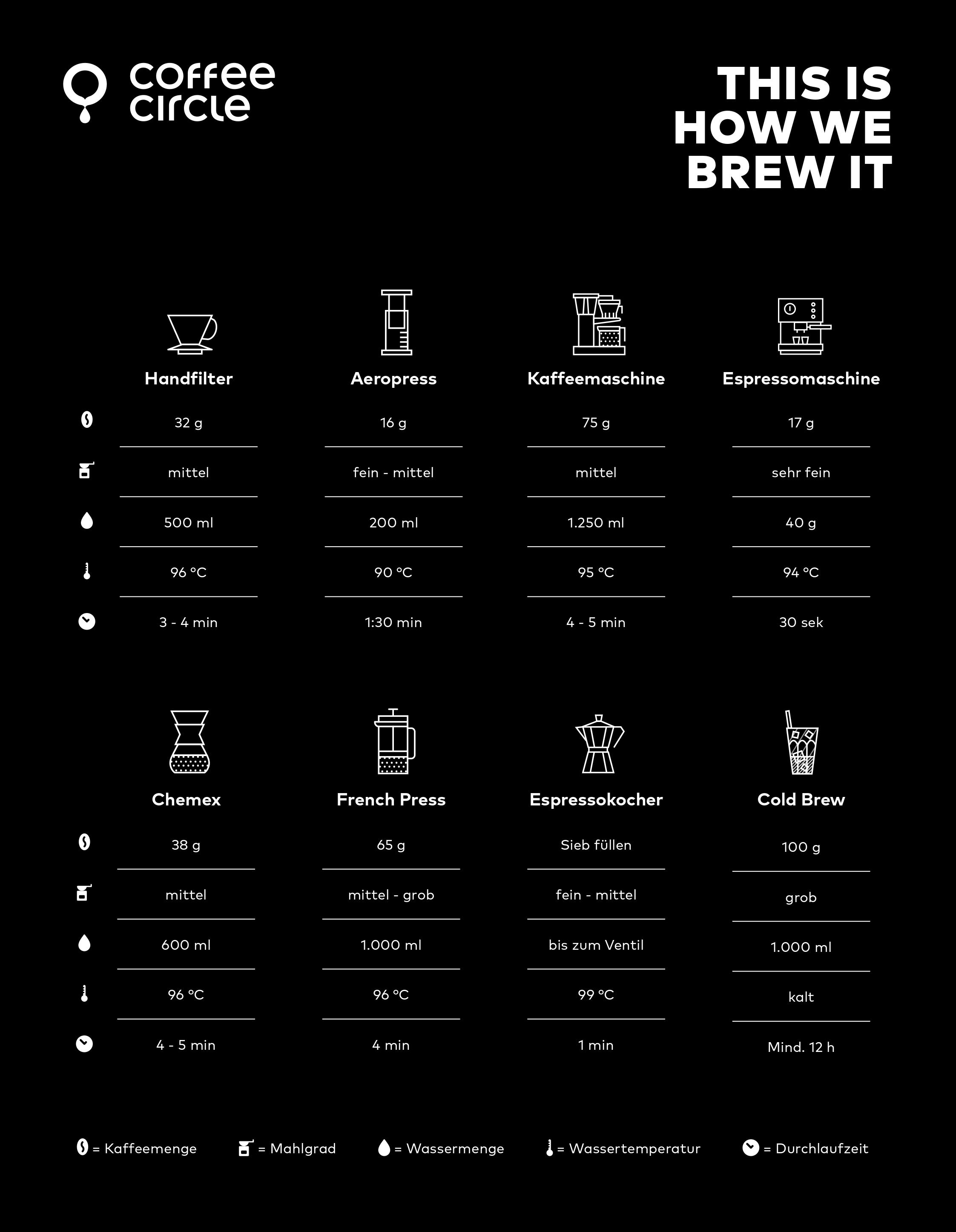
Each brewing method is a unique dance between coffee and water, requiring a tailored approach to how many scoops of coffee per cup. Let's break down the general guidelines for some popular methods.
Drip Coffee Maker
For a standard drip coffee maker, the general rule of thumb is to use one standard coffee scoop (two tablespoons or about 10 grams) of ground coffee for every 6 ounces of water. So, if your machine brews a 12-cup pot (which is usually 60 ounces of water), you would typically use 10 scoops of coffee. This is one of the most common ways people consider how many scoops of coffee per cup. Remember, your machine's "cup" markings often refer to 5-6 ounce servings, not an actual 8-ounce measuring cup.
French Press
The French press is known for producing a rich, full-bodied coffee due to its extended immersion time. For this method, a slightly coarser grind is essential to avoid a muddy cup. A good starting point is one standard coffee scoop (two tablespoons) for every 4 ounces of water. This higher coffee-to-water ratio helps to bring out the bold flavors unique to the French press. If you’re making a 32-ounce French press, you’d typically use 8 scoops. This method definitely benefits from a slightly different take on how many scoops of coffee per cup.
Pour-Over
Pour-over brewing allows for incredible control and highlights the nuanced flavors of the beans. The recommended ratio is often a bit stronger than drip coffee, closer to the French press. Aim for one standard coffee scoop (two tablespoons) for every 6-8 ounces of water, depending on your preferred strength. Many pour-over aficionados prefer weighing their coffee for ultimate precision, but if you're scooping, this guideline for how many scoops of coffee per cup is a great start. My personal pour-over ritual usually involves a slightly finer grind than drip and a bit more coffee per serving to get that bright, clean cup.
Espresso
Espresso is a whole different ballgame. It's about highly concentrated coffee extracted under pressure. While you might not be thinking in terms of "cups" in the traditional sense, understanding the dosage is key. For a single shot (about 1 ounce), you'll typically use 7-9 grams of finely ground coffee. For a double shot (about 2 ounces), you'd use 14-18 grams. Since a standard scoop is around 10 grams, you'd be looking at roughly 0.7 to 0.9 scoops for a single shot, or 1.4 to 1.8 scoops for a double shot. Precision here is paramount, and weighing is strongly recommended for consistent espresso shots rather than just guessing how many scoops of coffee per cup.
Cold Brew
Cold brew is an immersion method that uses cold water and a long steeping time (12-24 hours) to produce a smooth, low-acid concentrate. The coffee-to-water ratio for cold brew is much higher than for hot brewing, often around 1:4 to 1:8. This means you'll use a significant amount of coffee. For instance, to make a concentrate, you might use one cup of coarse-ground coffee (which is roughly 25-30 standard scoops) for every four cups of cold water. This concentrate is then diluted with water or milk. So, how many scoops of coffee per cup for cold brew isn't about making a single cup directly, but rather making a potent base.

Pro Tips for Perfecting Your Brew
Beyond just how many scoops of coffee per cup, there are several other elements that contribute significantly to the quality of your daily coffee. These tips come from years of trial, error, and joyful experimentation in my own kitchen.
Weighing vs. Scooping
While "how many scoops of coffee per cup" is a common question, for true consistency and the best results, weighing your coffee is hands down the superior method. Coffee beans vary in density based on roast level, origin, and even batch. A scoop measures volume, not mass. So, two scoops of a dark roast might weigh less than two scoops of a light roast, leading to different extraction levels. A simple kitchen scale allows you to measure precisely in grams, ensuring that you're always using the exact amount of coffee for your desired ratio, regardless of the bean. This is one of the most impactful changes I made to my brewing routine.
Water Quality and Temperature
You can have the perfect number of scoops, but if your water isn't up to par, your coffee won't be either. Coffee is about 98% water, so its quality is crucial. Filtered water free of impurities and strong mineral tastes will allow the true flavors of your coffee to shine through. Additionally, water temperature is critical. For most hot brewing methods, water heated to between 195°F and 205°F (90°C and 96°C) is ideal. Water that's too hot can scorch the coffee, leading to bitterness, while water that's too cool will under-extract, resulting in a weak, sour taste.
Freshness of Beans
The freshness of your coffee beans dramatically impacts the flavor profile. Coffee is at its peak flavor within a few weeks of roasting. Once ground, coffee starts to lose its volatile aromatic compounds very rapidly. This is why grinding your beans just before brewing is always recommended. Storing whole beans in an airtight container away from light, heat, and moisture will help preserve their freshness. No matter how many scoops of coffee per cup you use, old, stale beans will never make a great cup.
Experiment and Keep Notes
The journey to the perfect cup is highly personal. My biggest piece of advice is to experiment! Don't be afraid to adjust how many scoops of coffee per cup, try different grind sizes, or tweak your water temperature. Keep a small brewing journal. Note down the coffee you used, the grind size, the water temperature, the ratio (how many scoops of coffee per cup to water), and most importantly, your tasting notes. This practice will help you identify what you like and replicate fantastic results, turning your brewing into a delightful scientific endeavor.

Troubleshooting Your Coffee
Even with the right knowledge about how many scoops of coffee per cup, you might encounter issues. Here are some common problems and how to fix them:
- Coffee tastes too weak or watery: This is a classic sign of under-extraction. You might need to increase the amount of coffee (add an extra half scoop), use a finer grind, or ensure your water temperature is hot enough. It’s also possible you’re not using enough coffee for how many scoops of coffee per cup you actually need.
- Coffee tastes too bitter or strong: This usually points to over-extraction. Try reducing the amount of coffee (a half scoop less), using a coarser grind, or shortening the brew time. If your water is too hot, that can also cause bitterness.
- Coffee tastes sour or tart: This often indicates severe under-extraction. Ensure your water is hot enough, try a finer grind, or increase the amount of coffee.
- Muddiness or excessive sediment: For methods like French press, this means your grind is too fine. For drip or pour-over, check your filter and ensure your grind isn't so fine it's clogging.
Frequently Asked Questions
How much coffee is in one standard scoop?
One standard coffee scoop typically holds two tablespoons (approximately 10 grams) of ground coffee. This is a common measurement when considering how many scoops of coffee per cup for most brewing methods.
Is it better to measure coffee by scoops or by weight?
Measuring coffee by weight (in grams) is generally more accurate and consistent than using scoops, as bean density can vary. However, using scoops is a perfectly acceptable and convenient method for daily brewing.
Does the type of coffee affect how many scoops I should use?
Yes, the roast level and density of the coffee can slightly affect the ideal number of scoops. Denser light roasts might require a bit less, while porous dark roasts might need a touch more for the same strength.
Can I use more or fewer scoops than recommended?
Absolutely! The recommendations are a starting point. Feel free to adjust the number of scoops to match your personal preference for strength and flavor. Experimentation is key to finding your perfect cup.
Why does my coffee taste weak even with enough scoops?
Weak coffee often indicates under-extraction. This could be due to a grind that's too coarse, water that's not hot enough, or a brewing time that's too short, even if you're using the recommended how many scoops of coffee per cup.
Conclusion
Finding your ideal "how many scoops of coffee per cup" is a delightful journey of experimentation and discovery. While the general guideline of one standard 2-tablespoon scoop per 6 ounces of water is an excellent starting point, remember that factors like roast level, grind size, brewing method, and your personal taste all play a crucial role. Don't shy away from adjusting, tweaking, and tasting until you land on that perfect ratio that brings you joy every morning. Grab your beans, set up your brew, and start exploring the nuanced world of coffee. What's your go-to ratio, or what's a tip you've learned on your coffee journey? Share your thoughts in the comments below!