Use fresh beans, the right grind, clean water, solid ratio, and steady timing.
If you want to master how to brew good coffee at home, you’re in the right place. I’ve spent years dialing in beans, water, and gear at home and helping friends do the same. In this guide, I’ll show you clear steps, why they work, and the small fixes that turn an okay cup into a daily ritual you love. Read on to learn How to Brew Good Coffee at Home? with confidence.
The home barista mindset
How to Brew Good Coffee at Home? Start by thinking like a home barista. Focus on control. You control beans, grind, water, ratio, time, and gear. Nail those, and your cup gets better fast.
Here is what that mindset looks like:
- Change one thing at a time. You will know what worked.
- Keep notes. Record dose, water, time, and taste.
- Taste on purpose. Sweetness, clarity, and balance guide your next step.

Choose and store fresh beans
Fresh, well-sourced beans are the base. You cannot fix stale coffee in the brew.
What to buy:
- Whole beans, not pre-ground. Choose a roast date within the last four weeks.
- Roast level that matches your brew. Light to medium roast for pour-over. Medium for drip. Medium to dark for French press and moka.
How to store:
- Use an airtight, opaque canister in a cool, dry place.
- Do not refrigerate opened beans. Moisture hurts flavor.
- Freeze only if needed. Split into small, sealed bags. Thaw a bag once. Do not refreeze.
Tip from my kitchen:
- I get two 250 g bags each month. One for now. One frozen, well sealed. It keeps flavor fresh for weeks. This habit alone helps with How to Brew Good Coffee at Home?.

Grind size and consistency
The grinder is your most important tool. A burr grinder beats a blade grinder every time. It makes even particles. Even particles brew even flavor.
Match grind to method:
- French press: Coarse, like sea salt.
- Pour-over: Medium-fine, like table salt.
- Drip maker: Medium.
- AeroPress: Medium to medium-fine.
- Moka pot: Fine-medium, a bit coarser than espresso.
- Espresso: Fine, like powdered sugar.
Quick test:
- Sour taste means under-extracted. Try finer grind or longer time.
- Bitter taste means over-extracted. Try coarser grind or shorter time.
I learned this the hard way. My early brews were dull. A quality burr grinder fixed 80% of my issues. If you ask How to Brew Good Coffee at Home?, a good grinder is the main answer.
Water quality and temperature
Coffee is almost all water. Bad water equals bad coffee.
Best practice:
- Use filtered water. Aim for clean, low to medium mineral content.
- Target 195 to 205°F, or 90 to 96°C.
- If you lack a kettle with control, boil the water. Wait 30 to 60 seconds.
Why it matters:
- Minerals carry flavor. Too few and coffee tastes flat. Too many and it tastes harsh.
- Industry standards suggest moderate hardness and low chlorine. That aligns with what I taste at home. It also supports How to Brew Good Coffee at Home? as a daily habit, not guesswork.
 extraction basics”
style=”max-width: 100%; height: auto; border: 2px solid black; border-radius: 10px; display: block; margin: 0 auto;”
loading=”lazy”
/>
Brew ratios and extraction basics
A brew ratio is coffee to water by weight. Use a scale. Guessing is the enemy of repeatable coffee.
Starting points:
- Most brews: 1:15 to 1:17. That is 1 gram coffee to 15 to 17 grams water.
- Example: 20 g coffee with 320 to 340 g water.
Bloom:
- If coffee is fresh, wet grounds with twice their weight in water.
- Wait 30 to 45 seconds. Gas escapes. Water can enter later for even extraction.
Taste and tweak:
- Weak and sour: finer grind or a bit more coffee.
- Harsh and bitter: coarser grind or a bit less coffee.
- Keep the ratio note in your log. It speeds up How to Brew Good Coffee at Home? by making small, smart moves.
Core brewing methods step-by-step
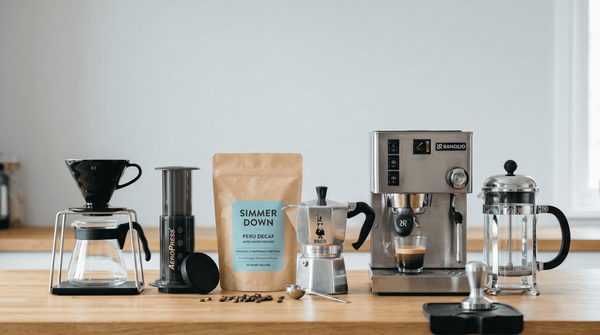
Pick one method. Learn it well. Then explore others. This is the path I use when I teach friends How to Brew Good Coffee at Home?.
Pour-over (V60, Kalita, Melitta)
- Ratio: 1:16. Try 20 g coffee to 320 g water.
- Grind: Medium-fine.
- Steps:
- Rinse the filter and preheat the brewer.
- Add grounds. Bloom with 40 g water for 40 seconds.
- Pour in slow circles until 320 g. Aim for a 2:30 to 3:30 total time.
- If it drains too fast, grind finer. Too slow, grind coarser.
French press
- Ratio: 1:15. Try 30 g coffee to 450 g water.
- Grind: Coarse.
- Steps:
- Add coffee and hot water. Stir gently to wet all grounds.
- Steep 4 minutes. Skim foam on top.
- Press slowly. Pour right away to avoid bitterness.
AeroPress
- Ratio: 1:12 for a rich cup. 15 g coffee to 180 g water.
- Grind: Medium to medium-fine.
- Steps:
- Use the inverted method. Add coffee, then 180 g water.
- Stir 10 seconds. Steep 1 minute.
- Flip over a cup. Press over 20 to 30 seconds.
- Dilute to taste for an “Americano” style cup.
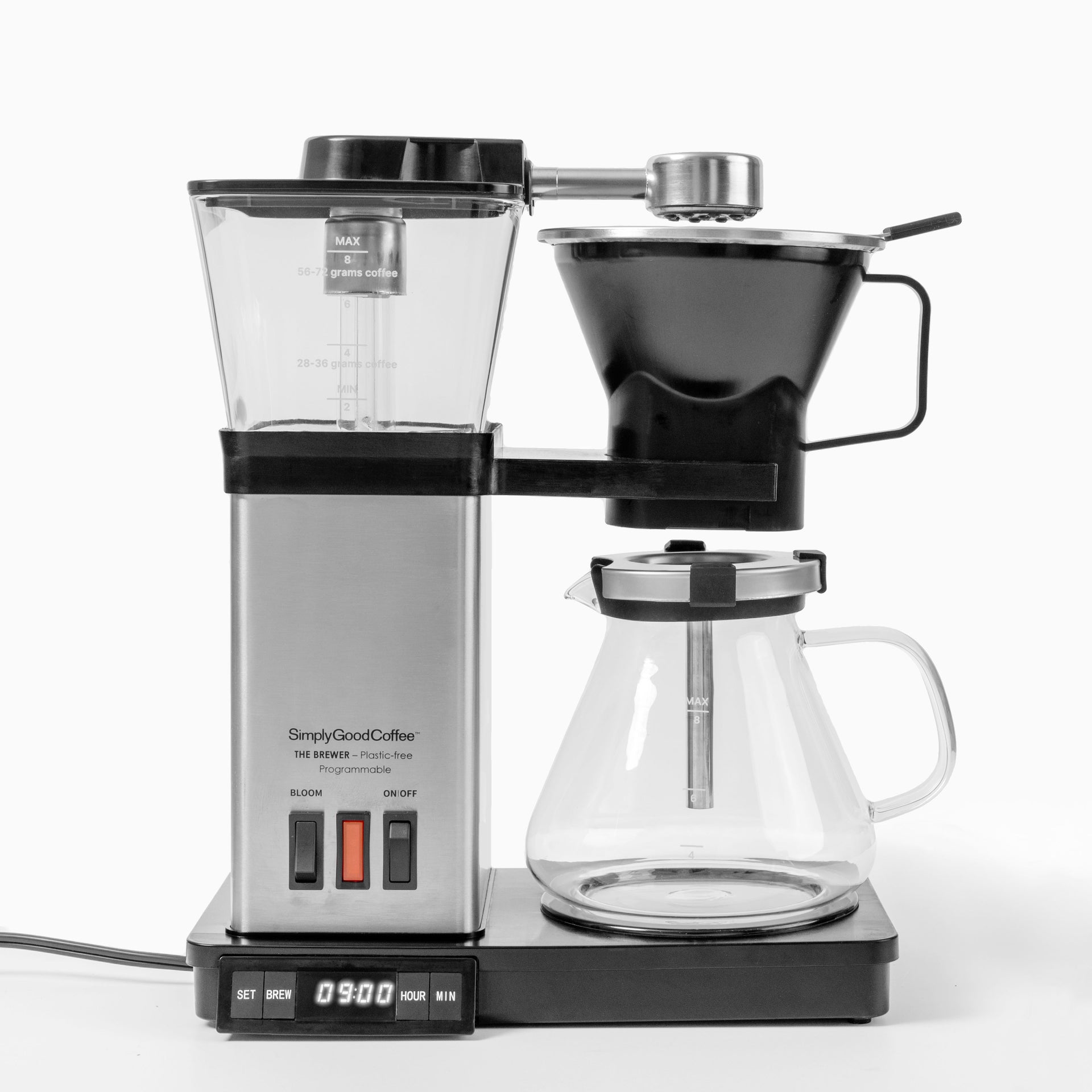
Automatic drip maker
- Ratio: 1:16. Match your basket size.
- Grind: Medium. Paper filter.
- Steps:
- Use fresh, filtered water in the tank.
- Rinse the paper filter. Add grounds. Start the machine.
- If the brew tastes flat, try a bit finer grind or a 1:15 ratio.
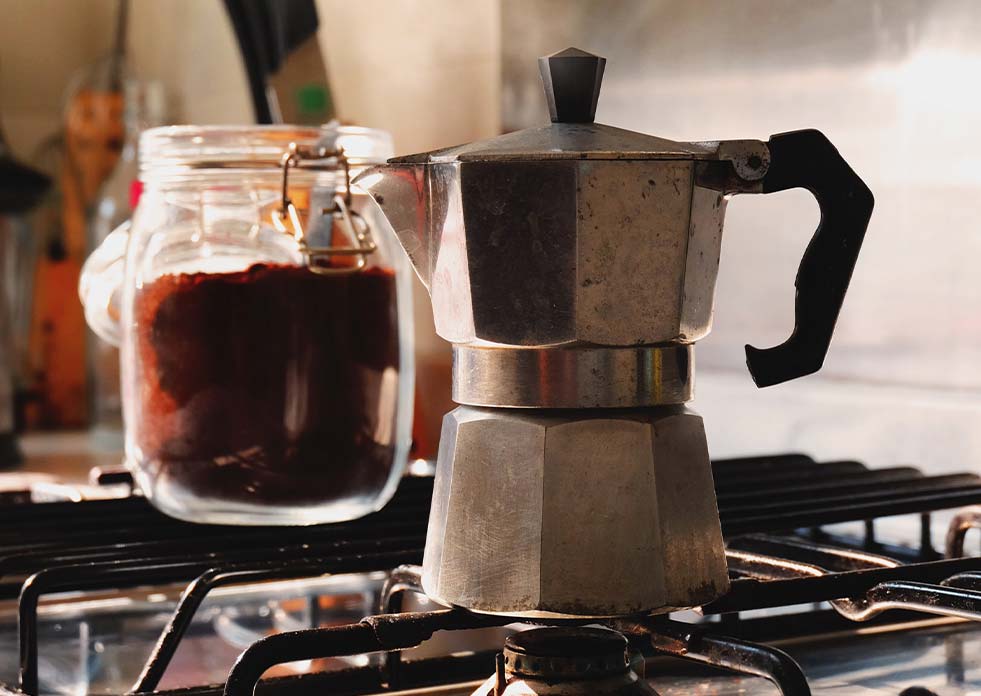
Moka pot
- Ratio: Close to 1:10 by weight, but follow the pot’s volume.
- Grind: Fine-medium. Do not go full espresso fine.
- Steps:
- Fill the base with hot water to just below the valve.
- Fill the basket with coffee. Level it. Do not tamp.
- Assemble. Brew on medium heat.
- When it sputters, remove from heat and cool the base under water. This cuts bitterness.
Optional espresso note:
- Standard home shot: 18 g in, 36 g out, in 25 to 30 seconds at about 9 bar.
- If new to espresso, expect a learning curve. It is less forgiving than other methods.
Gear checklist and budget picks
You do not need fancy gear to learn How to Brew Good Coffee at Home?. Start simple. Upgrade with intent.
Must-haves:
- Burr grinder. Manual is fine for small batches.
- Kettle. Gooseneck helps with pour control.
- Scale with 0.1 g accuracy.
- Filters that match your brewer.
- Timer. Your phone works.
Nice-to-haves:
- Variable-temperature kettle for exact heat.
- Reusable metal filter for body and less waste.
- Distribution tool or WDT for espresso puck prep.
Budget tips from my setup:
- A solid hand grinder can beat cheap electric grinders.
- A basic digital scale and a stovetop kettle can carry you far.
- Spend on the grinder first. It impacts every cup you make.

Troubleshooting and tasting skills
Taste guides your next move. Keep your notes short and clear. This is how I tune fast and keep How to Brew Good Coffee at Home? stress-free.
Common issues:
- Sour, sharp taste
- Finer grind.
- Longer brew time.
- Slightly higher water temp.
- Bitter, dry taste
- Coarser grind.
- Shorter time.
- Slightly cooler water.
- Weak, watery cup
- More coffee or smaller ratio (1:15).
- Finer grind.
- Muddy or silty cup
- Coarser grind or better filter rinse.
Simple tasting steps:
- Smell the coffee first.
- Take a small sip. Note sweet, sour, bitter.
- Let it cool a bit. Many flavors show up warm, not hot.

A fast, repeatable morning routine
This is my five-minute plan. It is smooth, quick, and it nails How to Brew Good Coffee at Home? before work.
- Weigh 20 g beans. Grind medium-fine.
- Heat water to 205°F. Rinse filter and mug.
- Pour-over at 1:16. Bloom 40 g for 40 seconds.
- Finish the pour by 2:30. Aim to land the brew by 3:00.
- Taste. If it is a touch sour, I go a notch finer next time.
Frequently Asked Questions of How to Brew Good Coffee at Home?
What is the best coffee-to-water ratio for beginners?
Start with 1:16 by weight. For 20 g coffee, use 320 g water. Adjust to taste after a few brews.
Do I need an expensive grinder?
No. A good manual burr grinder can beat cheap electric ones. Consistent grind matters more than brand.
Should I store coffee in the fridge or freezer?
Do not refrigerate opened beans. If you must store long term, freeze in small, sealed bags. Thaw once before use.
How hot should my water be?
Aim for 195 to 205°F. If you lack a thermometer, boil water and wait 30 to 60 seconds.
Why does my coffee taste sour or bitter?
Sour means under-extraction. Use a finer grind or brew longer. Bitter means over-extraction. Use a coarser grind or brew shorter.
How fresh should my beans be?
Use beans roasted within four weeks for most brews. Let espresso roasts rest 5 to 10 days to avoid harsh gas.
How can I improve my automatic drip coffee?
Use a medium grind, fresh filter, and a 1:16 ratio. Clean the machine monthly to remove buildup that dulls flavor.
Conclusion
Great home coffee is a short list done well. Use fresh beans, a burr grinder, clean water, a steady ratio, and small tweaks. Keep notes. Taste with intent. That is the simple system behind every sweet, clear, balanced cup.
Pick one method today and brew with a scale. Practice for a week and you will feel the jump. If this helped, subscribe for more guides, ask a question in the comments, and share your own tips on How to Brew Good Coffee at Home?.