You should typically change your air purifier filter every 6-12 months, though it varies by filter type and usage. Keeping your home's air clean is more important than ever, and understanding how often to change air purifier filter is crucial for optimal performance and your family's health. As someone who has spent years diving deep into indoor air quality solutions, I can tell you that a well-maintained air purifier isn't just a gadget; it's a vital component of a healthy living environment. This guide will demystify the process, ensuring you get the most out of your air purification system and breathe easier, knowing you're protecting your loved ones from unseen threats.

Why Air Purifier Filters Matter for Your Health
Air purifier filters are the unsung heroes working silently to capture airborne pollutants that can wreak havoc on your respiratory system. These invisible particles include dust, pollen, pet dander, mold spores, and even microscopic viruses and bacteria. A clean, functioning filter acts as a barrier, preventing these contaminants from circulating in your home. It’s like having an invisible shield around your family, constantly working to provide a healthier environment.
Understanding Different Air Purifier Filter Types
Not all air purifier filters are created equal, and knowing the type in your unit is key to understanding how often to change air purifier filter. Most purifiers use a combination of filters, each designed for a specific task. Let's break down the common types you'll encounter.
- Pre-filters: These are the first line of defense, capturing larger particles like dust and pet hair. They protect the more delicate main filters and are often washable, extending the life of your other filters.
- HEPA Filters (High-Efficiency Particulate Air): The gold standard for air purification, true HEPA filters capture 99.97% of airborne particles as small as 0.3 microns. This includes common allergens and fine dust, making them crucial for allergy sufferers.
- Activated Carbon Filters: These filters specialize in trapping odors, chemicals, and gases (Volatile Organic Compounds or VOCs). They’re invaluable for homes with pets, smokers, or those near industrial areas.
- Other Technologies: Some purifiers also include UV-C lights to kill germs or ionizers, but the primary filtration is always handled by physical filters.
How Often to Change Air Purifier Filter: The General Rule
So, how often to change air purifier filter? As a general guideline, most manufacturers recommend replacing HEPA filters every 6 to 12 months. Activated carbon filters, due to their absorption properties, often require replacement every 3 to 6 months. Pre-filters, if washable, should be cleaned regularly, typically once a month, to prevent clogging and improve overall efficiency.
These intervals are designed to ensure your air purifier operates at its peak performance. Neglecting these changes means your unit will struggle to clean the air effectively. Think of it like a car's oil change; regular maintenance is essential for longevity and efficiency.

Factors Influencing Filter Lifespan
While general guidelines exist for how often to change air purifier filter, several factors can significantly impact your filter's actual lifespan. I've seen filters wear out much faster in some homes than others, and it often boils down to these variables. Understanding them can help you fine-tune your replacement schedule.
- Air Quality in Your Home: If you live in an area with high pollution, like near a busy road or in a city, your filters will work harder. Similarly, if your home has significant indoor pollutants from cooking, burning candles, or a fireplace, they'll clog faster.
- Presence of Pets: Our furry friends bring joy, but also a lot of dander and hair. Homes with pets, especially multiple ones, will require more frequent filter changes. I personally have two cats, and I know my filters need attention more often!
- Allergy and Asthma Sufferers: If someone in your household has allergies or asthma, you're likely running your purifier more frequently, and the filters are catching more allergens. This increased workload will shorten their life.
- Usage Frequency and Speed Settings: A purifier running 24/7 on a high setting will naturally accumulate more particles than one used only occasionally on a lower setting. The more it runs, the sooner you'll need to change the air purifier filter.
- Filter Type and Quality: Not all filters are created equal. High-quality filters might last a bit longer, but ultimately, their capacity is finite. Different brands and models have varying filter designs and capacities.
Signs It's Time for a Filter Change
Beyond the manufacturer's recommended timeline, your air purifier itself will often give you clues about how often to change air purifier filter. Learning to recognize these signs can save you from breathing stale, poorly filtered air.
- Reduced Airflow: If you notice less air coming out of the purifier, or if it feels weaker than usual, it’s a strong indicator. Clogged filters restrict airflow, making the unit less effective.
- Increased Noise: A struggling motor trying to push air through a clogged filter will often make more noise. If your quiet purifier suddenly sounds like a mini-jet engine, check the filter.
- Foul Odors: Instead of emitting clean air, your purifier might start to release a musty or unpleasant smell. This means the activated carbon filter is saturated or the HEPA filter has collected too much organic matter.
- Indicator Light: Many modern air purifiers have a "check filter" or "change filter" indicator light. Trust this signal! It’s usually based on usage hours or airflow sensors.
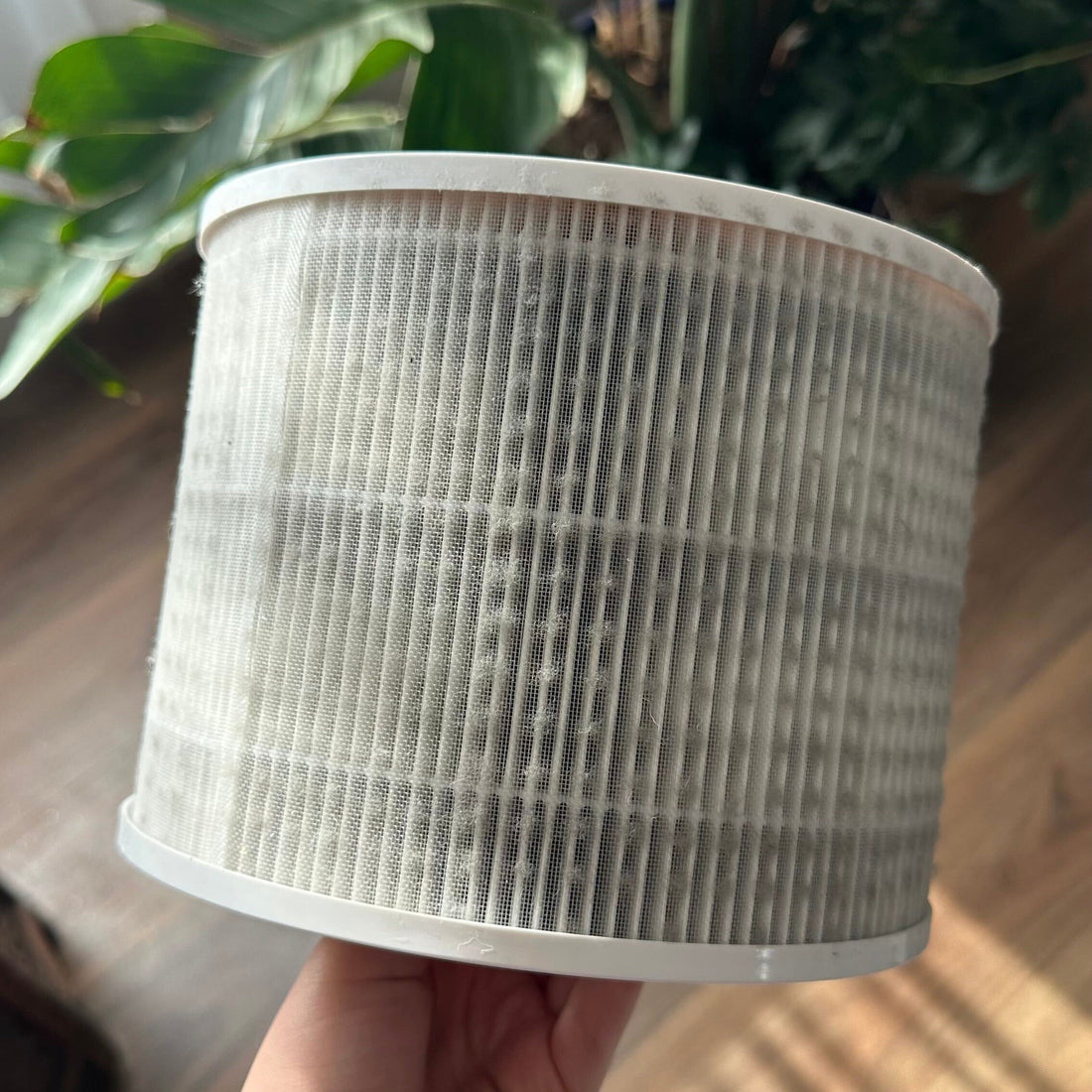
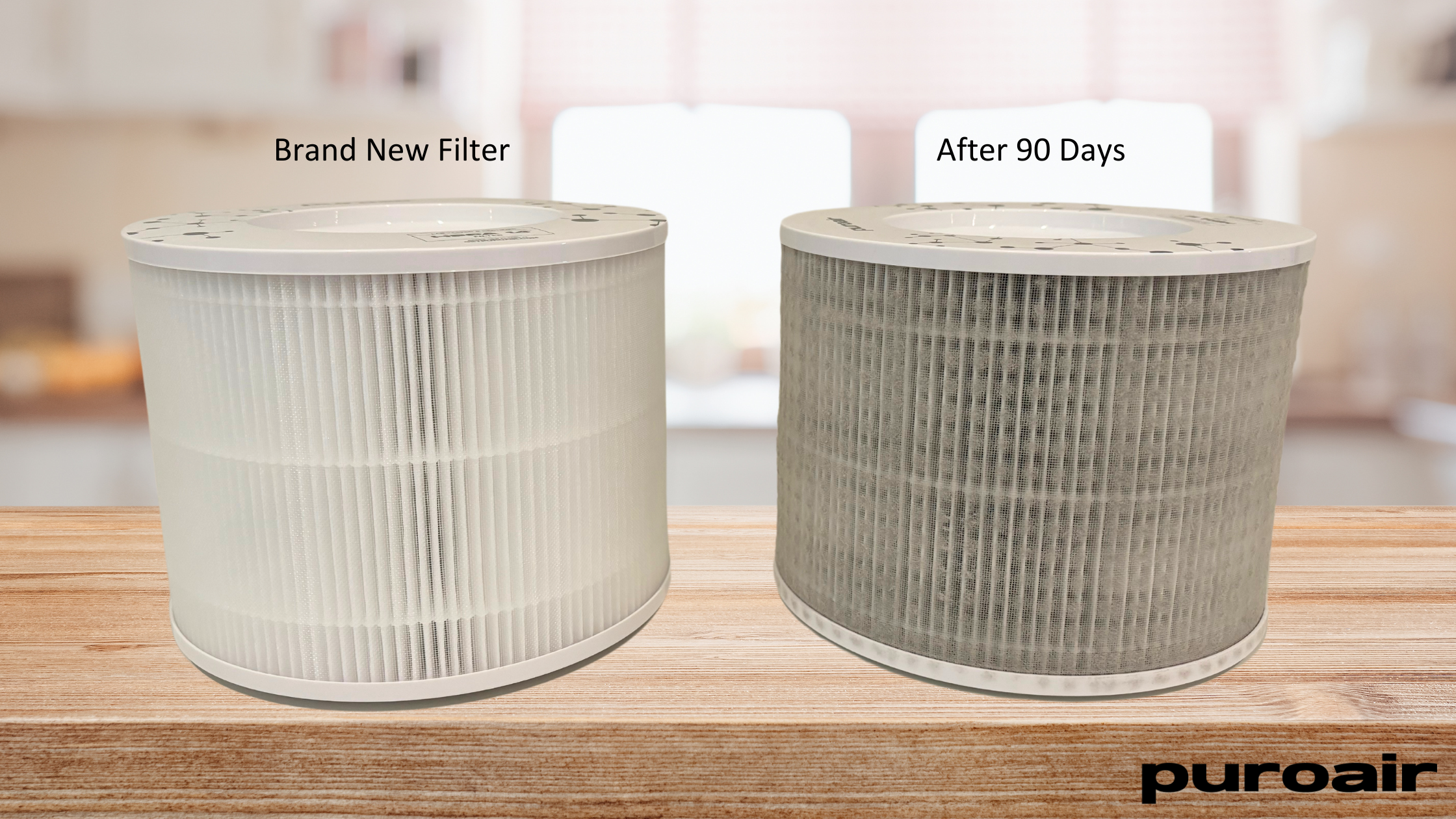
- Visible Dirt and Discoloration: While not always obvious, sometimes you can visually inspect the pre-filter or even the HEPA filter (if accessible) and see a thick layer of dust and grime. When I first started using purifiers, I was amazed at how quickly filters could turn from white to gray!

The Risks of Not Changing Your Air Purifier Filter
Ignoring the signs and recommendations for how often to change air purifier filter can have significant consequences, defeating the very purpose of having an air purifier. It's more than just a minor inconvenience; it can impact your health and your wallet.
Firstly, an overloaded filter ceases to be effective. Instead of trapping pollutants, it may even start to release accumulated particles back into your air, essentially re-contaminating your home. This leads to poorer indoor air quality, which can exacerbate allergies, asthma, and other respiratory issues. Secondly, a clogged filter forces your air purifier's motor to work harder, leading to decreased energy efficiency and higher electricity bills. Over time, this added strain can also shorten the lifespan of the purifier itself, turning a simple filter replacement into a much costlier unit replacement.

Maximizing Your Air Purifier Filter's Life
While understanding how often to change air purifier filter is important, there are also steps you can take to extend their useful life without compromising air quality. These practical tips can save you money and keep your purifier running efficiently.
- Clean Your Pre-filter Regularly: As the first line of defense, a clean pre-filter prevents larger particles from reaching and clogging your more expensive HEPA and activated carbon filters. Make it a habit to vacuum or wash your pre-filter monthly, if it's washable.
- Address the Source of Pollution: Reduce indoor air pollution by ventilating your home during cooking, using exhaust fans, and avoiding indoor smoking. The less pollution in the air, the less work your filter has to do.
- Strategic Placement: Place your air purifier in a central location, away from walls or furniture that might obstruct airflow. This allows it to work more efficiently, reducing the strain on its filters.
- Use Auto Mode: Many purifiers have an auto mode that adjusts fan speed based on detected air quality. This ensures the purifier only works as hard as needed, potentially extending filter life compared to running on a constant high setting.
- Proper Sizing: Ensure your air purifier is appropriately sized for the room it's in. An undersized purifier will have to run constantly on high, burning through filters faster.

Frequently Asked Questions
What happens if I don't change my air purifier filter?
If you don't change your air purifier filter, it will become clogged and ineffective, leading to poor air quality in your home and potentially circulating pollutants back into the air. This can also put a strain on the unit's motor, reducing its lifespan and increasing energy consumption.
Can I wash my HEPA filter to reuse it?
No, true HEPA filters are not washable and attempting to wash them will damage their delicate structure, making them ineffective. Only pre-filters are typically designed for washing and reuse, so always check your specific purifier's manual.
How do I know what type of filter my air purifier uses?
You can usually find the filter type listed in your air purifier's user manual, on the product packaging, or directly on the filter itself. Manufacturers often specify whether it's a HEPA, activated carbon, or a combination filter.
Does turning off my air purifier save filter life?
Yes, turning off your air purifier when you're not home or don't need it will extend the filter's lifespan by reducing its operating hours. However, for consistent clean air, many people prefer to run them continuously, especially if they have allergies.
Is there a specific brand of filter I should buy?
It's always best to use filters recommended by the manufacturer of your air purifier to ensure proper fit and performance. Using off-brand or incompatible filters might reduce effectiveness or even damage your unit.
Conclusion
Understanding how often to change air purifier filter is a fundamental part of maintaining a healthy home environment. By recognizing filter types, monitoring usage, and paying attention to your unit's signals, you can ensure your air purifier consistently provides the clean, fresh air you deserve. Don't let a simple oversight compromise your indoor air quality. Make it a routine to check and replace your filters, and you'll reap the benefits of cleaner air and a more efficient purification system. Take control of your indoor air quality today; your lungs will thank you! If you have more questions or need help finding the right filters, feel free to explore additional resources or consult your purifier's manual for specific guidance.