Choose based on floors, allergies, power, features, weight, noise, and budget.
You want a vacuum that fits your space, your floors, and your life. I test and review home gear for a living. Here is a clear guide on how to choose a vacuum cleaner for your home, based on real use, lab data, and hard lessons I learned the pricey way. Read on and shop with confidence.
Start with your floors, pets, and space
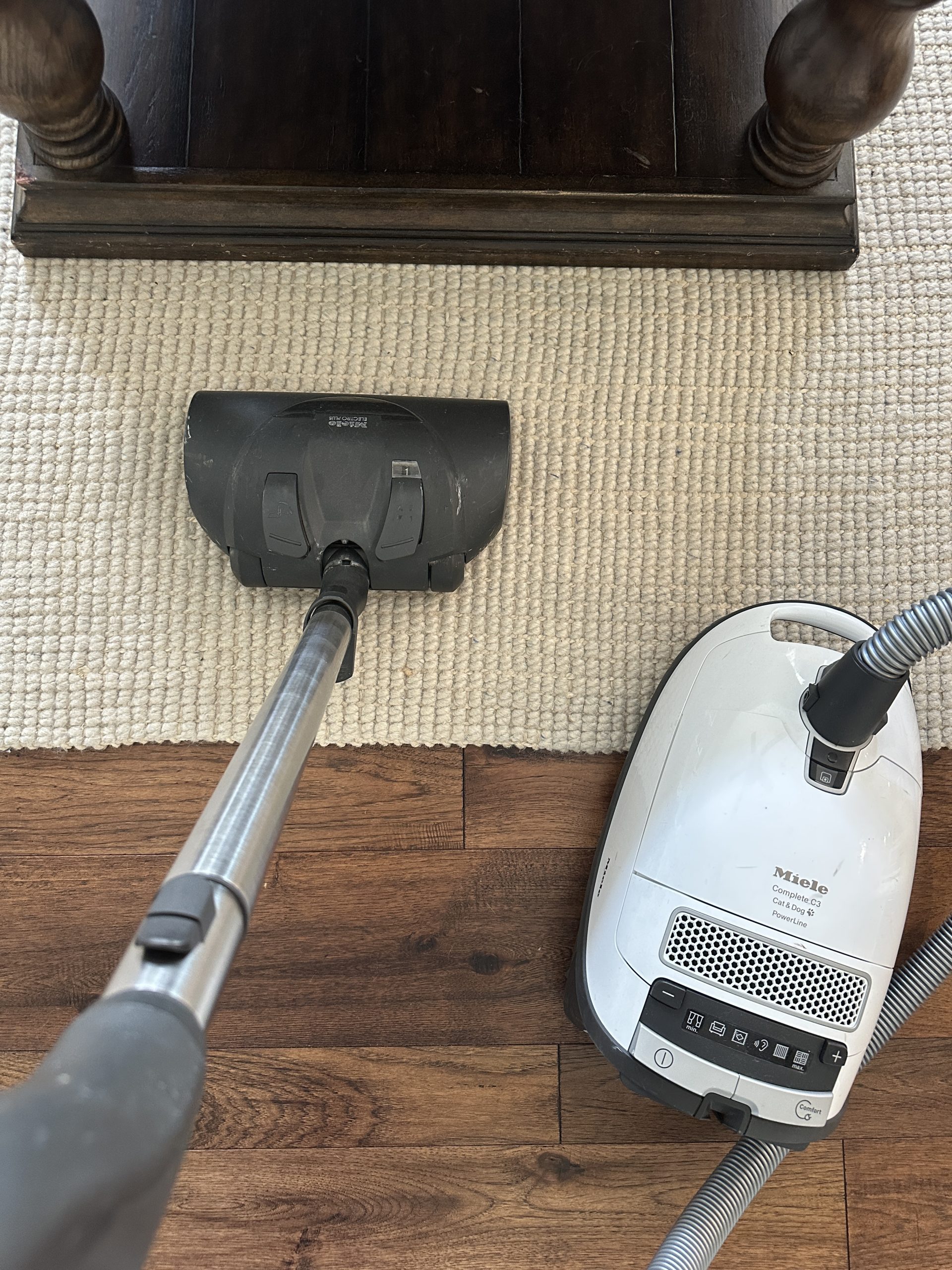
Your floors drive your choice. Carpet needs a strong brush roll. Hard floors need soft bristles or a brush you can turn off. Mixed floors do best with a head that adjusts on its own.
Pets add hair and dander. Look for a tangle-free brush and a pet turbo tool. If you have stairs, pick a lighter machine or one with a lift-off canister. Small homes favor slim sticks or a robot. Large homes need strong suction and long run time.
Ask yourself these quick checks:
- What are my main floors? Carpet, hard floors, or mixed.
- Do I have pets or allergies.
- How big is my home and how many floors.
- Do I prefer corded power or cordless ease.
- Where will I store it.
This is the first step in how to choose a vacuum cleaner for your home. Get this part right, and the rest is easy.

Know the main vacuum types
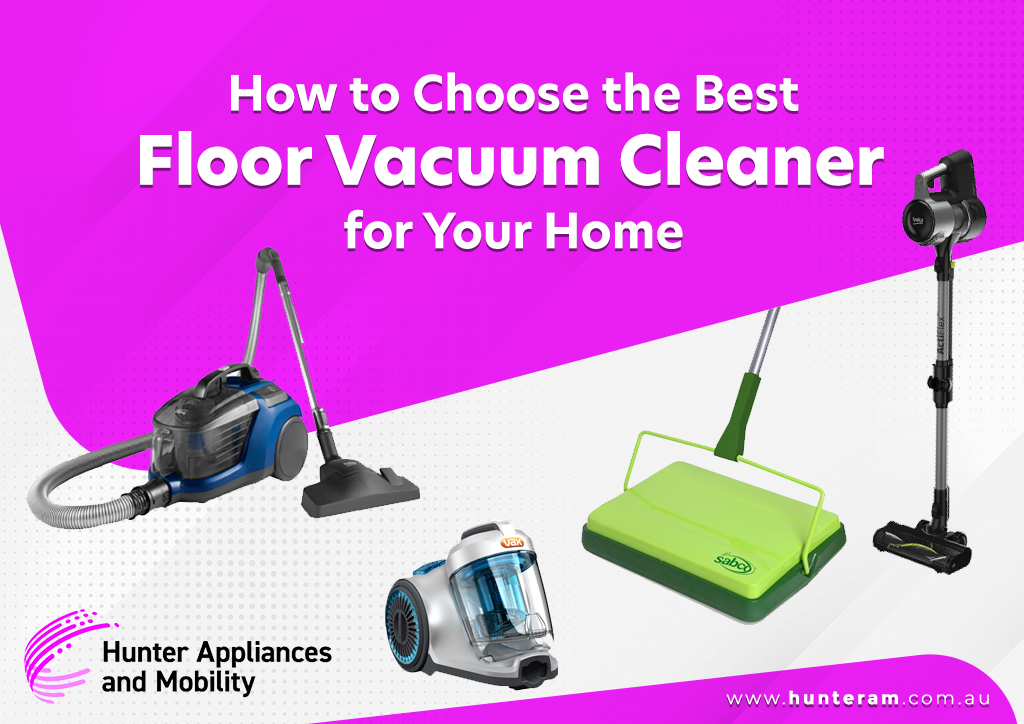
Each type shines in a different role. Here is a plain view.
- Upright: Great on carpet. Strong suction and wide heads. Heavier to push and carry.
- Canister: Best balance for mixed floors. Easy on stairs. You pull the body behind you.
- Stick (corded or cordless): Light and quick. Great for small spaces. Some are less powerful.
- Robot: Daily upkeep with no effort. Great on hard floors. Still need a deep clean tool.
- Handheld: Spot clean only. Cars, couches, crumbs. Not a full-home choice.
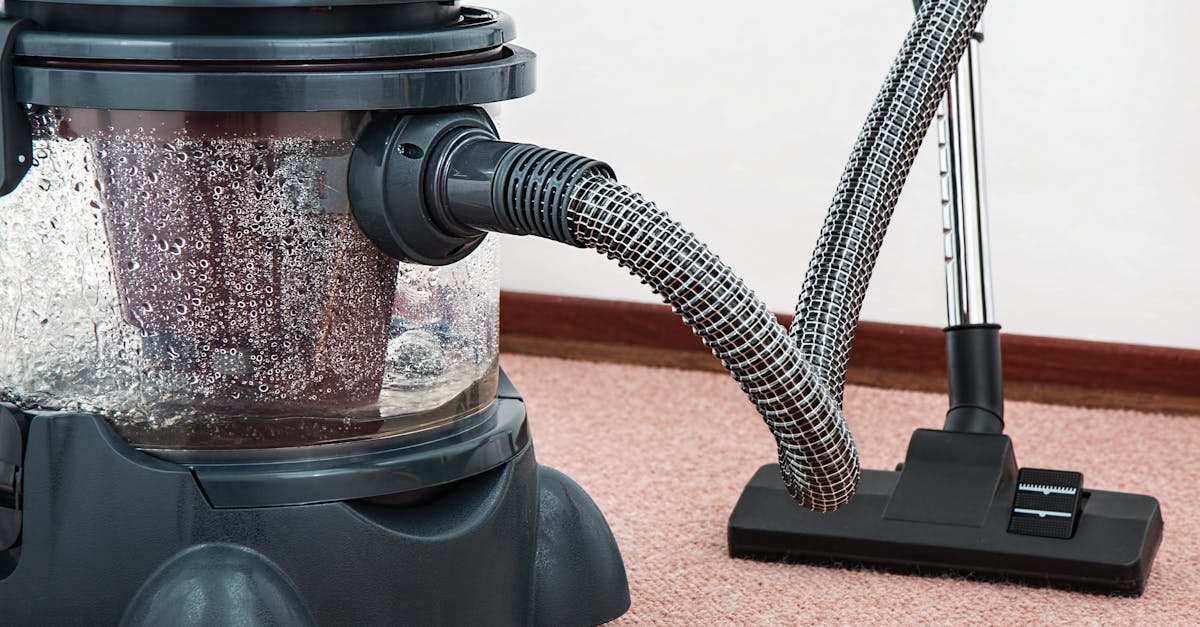
- Wet/dry: Garages and big messes. Not for fine home carpet work.
- Central vacuum: Quiet and strong. High install cost. Great for allergy control.
When I map how to choose a vacuum cleaner for your home, I start with type. Match the tool to the task, and life gets cleaner.
Filtration, bags, and clean air
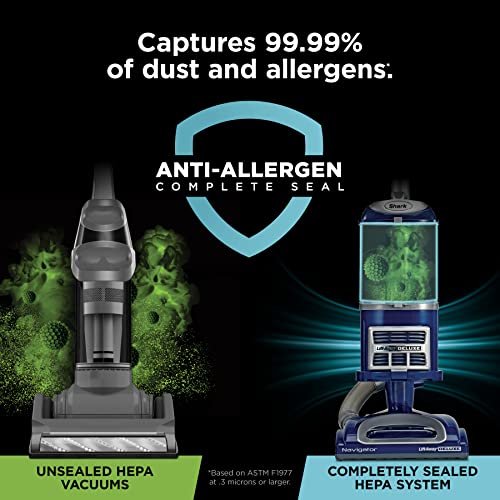
If you sneeze or have asthma, this part matters most. A sealed system with a true HEPA filter keeps tiny dust in the bin, not your lungs. Sealed is key; a HEPA label alone is not enough.
Bagged vs bagless:
- Bagged: Cleaner to empty. Better for allergies. Ongoing bag cost.
- Bagless: No bags to buy. You must empty outside and rinse filters.
Independent lab tests show sealed HEPA can cut fine dust in rooms. From my own home, a sealed, bagged canister stopped my spring sneezes cold. This is core to how to choose a vacuum cleaner for your home if air quality is a concern.
Suction, airflow, and power explained
Specs can confuse. Here is the simple truth. Airflow and sealed suction move dirt. More is better, but balance matters.
What to know:
- Air watts or CFM: Show useful suction. Higher helps on carpet and cracks.
- Water lift: Shows sealed suction. Good for deep carpet pull.
- Amps or watts at the wall: Only show energy draw, not cleaning power.
- Brush roll: Needed for carpet. Turn off or use soft rollers on hard floors.
- Height or auto-adjust: Keeps seal with carpet. Saves effort and boosts pick up.
Try to test on real debris if you can. Rice, sand, pet hair. My rule in how to choose a vacuum cleaner for your home: judge by pickup, not by amps on a box.
Tools, features, and smart tech that matter
Small tools can change daily life. A crevice tool hits baseboards. A mini motorized brush lifts hair from stairs and sofas. A long hose helps reach high vents and fans.
Useful features:
- Tangle-free brush roll: Cuts hair wraps. Saves time and stress.
- LED floor lights: Show dust on dark floors. Handy at night.
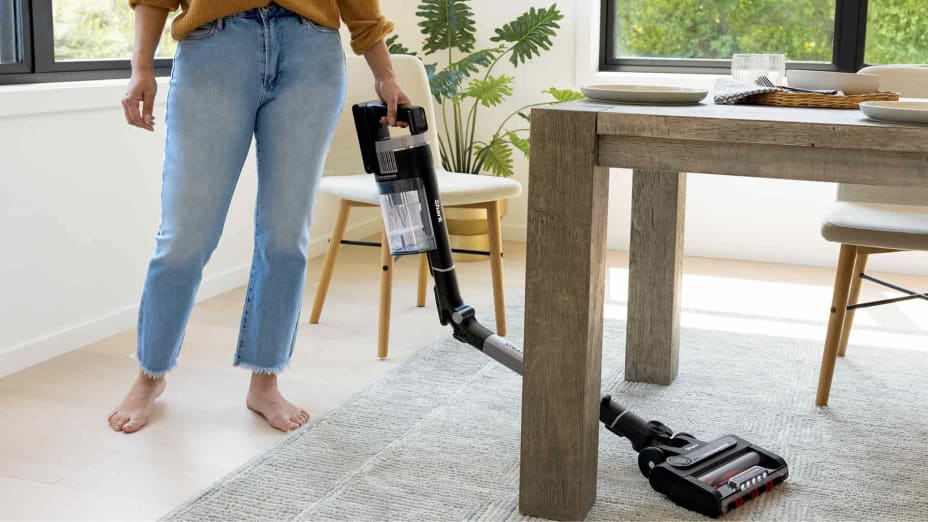
- Swivel steering: Helps around chairs and table legs.
- Self-adjusting head: Moves from rug to tile with no thought.
- Lift-off canister: Turn an upright into a stair tool fast.
- Self-empty base (robot): Less bin work. Great for busy weeks.
- App mapping (robot): Target rooms and set keep-out zones.
Choose features you will use each week. That is the honest way for how to choose a vacuum cleaner for your home without paying for fluff.
Weight, noise, and comfort
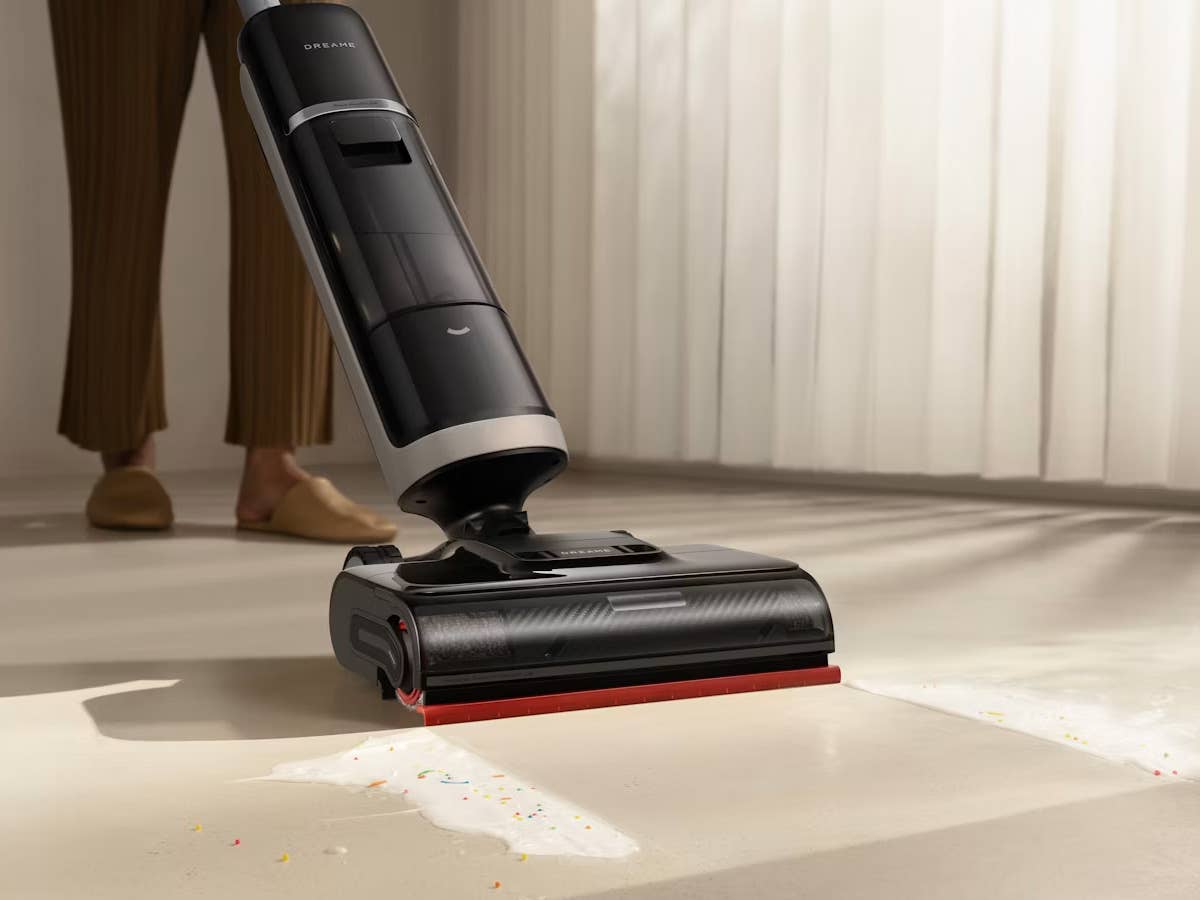
If it hurts to use, you will avoid it. Keep weight in mind if you have stairs or a bad back. Under 15 pounds feels easy for most people.
Noise runs from about 60 to 80 dB. Quieter models cost more but are worth it in small homes. Handle feel, swivel, and wheel glide all shape ease. Try a floor model if you can.
Corded vs cordless:
- Corded: Constant power. Best for large homes and deep cleans.
- Cordless: Fast grab-and-go. Check run time and charge time. Removable batteries help.
Comfort is a big part of how to choose a vacuum cleaner for your home. A smooth push and a comfy handle mean you will clean more often.
Maintenance, costs, and durability
The sticker price is not the full price. Think total cost of ownership over five years. Bags, filters, belts, and brushes all add up. Robots add brush and bag costs for the base.
Plan for:
- Filters: Washable saves money. Replace HEPA on schedule.
- Bags: Budget a few per year. Stock extras for allergy season.
- Belts and brush rolls: Check for wear. Replace to keep strong pickup.
- Repairs and support: A two to five year warranty shows faith.
Quick math example: A bagged canister at $350, plus $60 a year in bags and filters, is about $650 over five years. A cheap stick that fails in year two costs more in the end. This math is central to how to choose a vacuum cleaner for your home with no regrets.
Sustainability and safety
Less waste helps your home and the world. Washable filters and rebuildable brush heads cut trash. Some brands sell spare parts for a decade. That is a green win and a wallet win.
Safety tips:
- Keep cords flat and clear of feet.
- Unplug before clearing clogs or hair.
- Use the right head on rugs to avoid damage.
- Store on a wall mount or stand to prevent falls.
Cleaner air, safe habits, longer life. These points round out how to choose a vacuum cleaner for your home with care.

How to test before you buy
You can test in a store or at home with a return window. Bring a small bag of rice or pet hair if the store allows. Try it on low-pile carpet and hard floor.
Checklist:
- Does it pick up sand and hair in one pass.
- Is push and pull smooth on your floors.
- Is the head easy to turn and fit under chairs.
- How loud is it in a small room.
- How clean is the emptying step.
Read lab tests and owner reviews that rate pickup on sand, pet hair, and edges. This is the data side of how to choose a vacuum cleaner for your home.
Best-fit picks by home type
Here are simple, field-tested fits from my reviews.
- Small apartment, hard floors: A light cordless stick with a soft roller and a swappable battery.
- Large home with pets and carpet: A strong upright or canister with a tangle-free brush and sealed HEPA.
- Allergy household: Bagged, sealed system with true HEPA and a self-sealing bag.
- Mostly rugs and runners: Auto-height head and a gentle brush, or a suction-only head for delicate rugs.
- Busy family with crumbs: Robot for daily upkeep plus a corded stick for deep cleans.
Use these as a map for how to choose a vacuum cleaner for your home without stress.
Buying smart: price, timing, and support
Good deals land on holiday sales and model changeovers. Compare bundles that include spare filters or tools you need. Avoid paying for extras you will not use.
Support matters:
- Clear parts access and phone chat help you fix clogs fast.
- A long battery warranty helps with cordless sticks.
- Easy-return stores let you test at home risk-free.
Smart buys plus strong support make how to choose a vacuum cleaner for your home feel simple and safe.
Frequently Asked Questions of How to Choose a Vacuum Cleaner for Your Home
What is the best vacuum for mixed floors?
Pick a model with a brush you can turn off or a dual roller. Auto head height helps move from carpet to hard floors with no effort.
Bagged or bagless: which is better for allergies?
Bagged is cleaner to empty and holds dust tight. If you go bagless, empty outside and use a sealed HEPA filter.
How many air watts do I need?
For carpet, look for higher air watts and a strong brush. For hard floors, airflow and a soft roller matter more than brute force.
Are cordless vacuums as powerful as corded ones?
Top-tier sticks can match corded on hard floors and small rugs. For large carpeted homes, corded still has the edge for long deep cleans.
How long should a good vacuum last?
With care, five to ten years is common for quality models. Clean filters, cut hair from the brush, and replace belts as needed.
What features help with pet hair?
A tangle-free brush roll and a motorized mini tool help most. Strong edge pickup and sealed HEPA cut dander spread.
How loud is too loud?
Under 70 dB feels calm for most rooms. Anything over 75 dB can feel harsh in small spaces.
Conclusion
You now have a clear path for how to choose a vacuum cleaner for your home. Start with your floors and health needs. Match the type and features to your space. Test pickup, feel, and noise. Plan for upkeep and support.
Set a budget, make a short list, and try one in real life if you can. A good vacuum saves time, air, and sanity. Ready to find your fit? Bookmark this guide, share it with a friend, and tell me what you picked in the comments.