A vacuum cleaner can help remove flea eggs, larvae, pupae, adult fleas, and flea dirt from your home. However, it will not end an infestation on its own. The best plan in the United States is to vacuum often, treat every pet with a veterinarian-approved product, wash pet bedding, and follow safe home treatment steps.
You do not need a special “flea vacuum” in most cases. A strong household vacuum with a crevice tool can work well. A bagged model may be easier to empty safely, while a sealed HEPA vacuum can help reduce fine dust and allergens.
How vacuuming helps control fleas
Vacuuming removes fleas at several life stages. It also removes dust, hair, skin flakes, and flea dirt that support flea development.
Adult fleas live mainly on animals. Their eggs fall from the pet onto carpets, furniture, pet beds, and floor cracks. Larvae then hide in dark areas. They feed on organic matter, including flea dirt. Pupae form a tough cocoon and may remain hidden until heat, movement, or carbon dioxide signals that a host is near.
Vacuuming helps in four ways:
- It removes loose eggs and larvae from carpet fibers.
- It picks up adult fleas that are moving through the home.
- It removes flea dirt and debris that larvae need.
- It disturbs hidden pupae, which can lead to more adult fleas emerging and being removed during later cleanings.
Vacuuming does not reliably kill every flea. Some fleas may survive inside the vacuum, especially in a bagless dust bin. Pupae are also harder to remove because their cocoons can protect them from many controls.
For this reason, vacuuming works best as part of a full flea control plan. The U.S. Environmental Protection Agency recommends an integrated approach that includes treating pets, cleaning the home, and using pesticides only as directed.
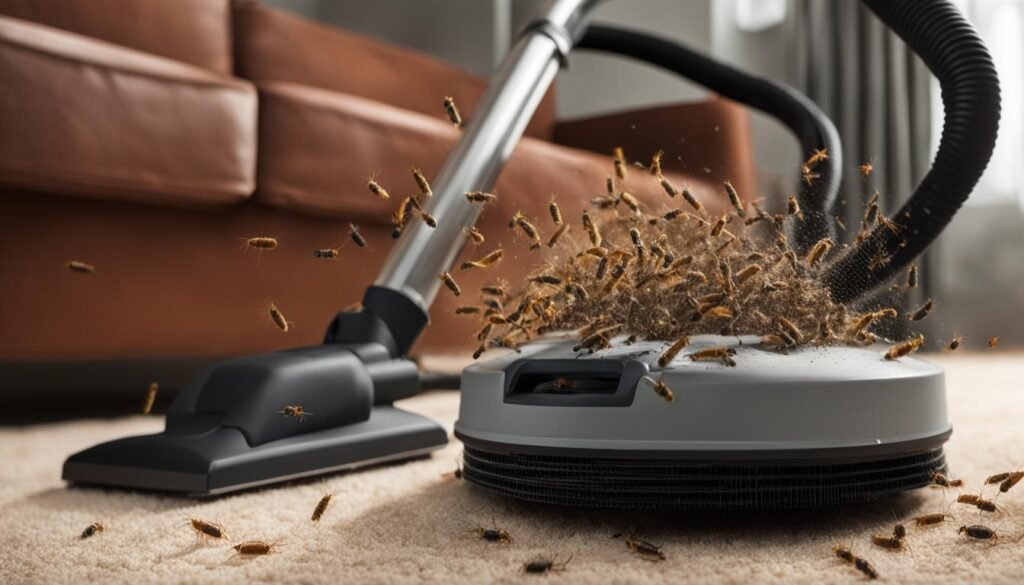
What type of vacuum is best for fleas?
The best vacuum for fleas is one that has strong airflow, good floor contact, useful attachments, and a container you can empty without releasing pests.
Bagged vacuum cleaners
A bagged vacuum is often the simplest choice during a flea problem. The collected material stays inside a sealed bag. After vacuuming, you can remove the bag, place it in a trash bag, seal it, and take it outdoors.
Look for:
- A sealed bag compartment
- A disposable bag
- A strong floor head
- A crevice tool
- An upholstery tool
- A full-bag indicator
- Replaceable filters
Bagged vacuums are not automatically better at removing fleas. Their main benefit is safer disposal.
Bagless vacuum cleaners
A bagless vacuum can work well, but emptying it needs more care. Fleas and flea debris may remain alive in the dust cup. Do not empty the cup inside your home during an infestation.
To reduce the risk:
- Finish vacuuming before opening the dust cup.
- Take the vacuum outdoors.
- Wear gloves if you have sensitive skin.
- Empty the cup into a sealed trash bag.
- Close the bag at once.
- Clean the dust cup according to the manual.
- Wash or replace filters only as the manufacturer allows.
Do not soak the motor or electrical parts. Water can damage the vacuum and create an electrical hazard.
Upright vacuums
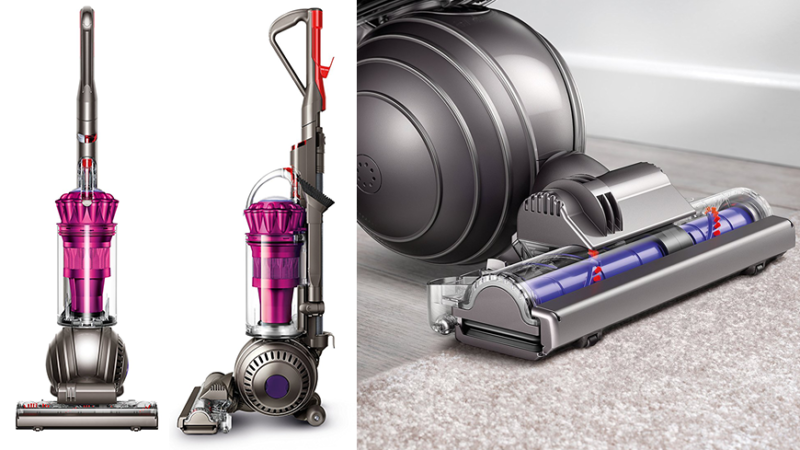
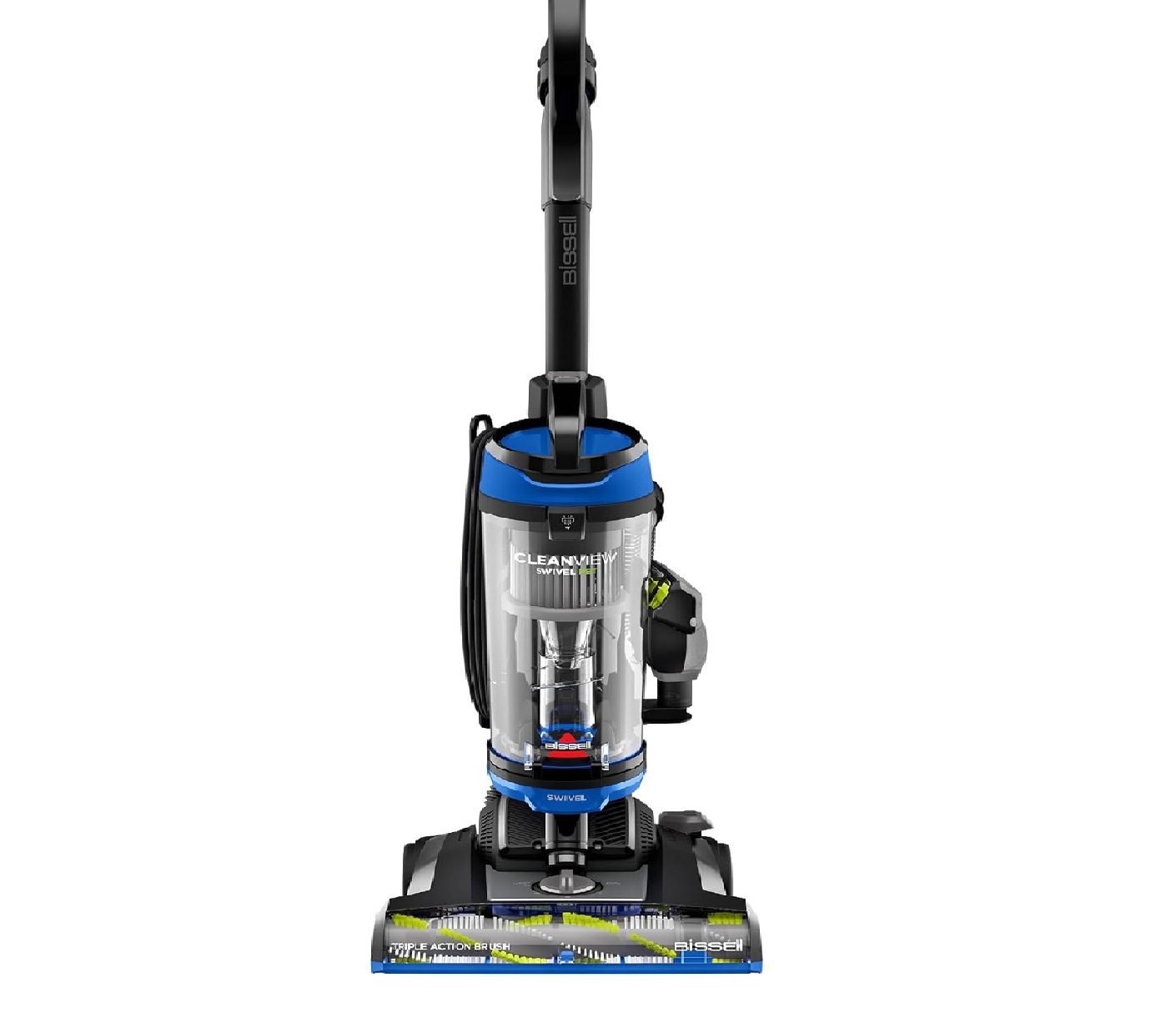
An upright vacuum is useful for large carpeted areas. Its rotating brush can loosen debris from carpet fibers. Use the brush only on surfaces approved by the manufacturer.
An upright model is a good fit when you have:
- Wall-to-wall carpet
- Several carpeted rooms
- Pets that shed heavily
- A need to clean large areas often
Canister vacuums
A canister vacuum can reach stairs, corners, furniture, and hard floors with ease. Its hose and attachments can help clean areas that an upright head may miss.
Choose a canister model if your flea problem is concentrated around:
- Baseboards
- Stairs
- Under furniture
- Pet beds
- Upholstered chairs
- Floor gaps
Handheld and stick vacuums
These models are convenient for quick cleanups. They are useful for pet beds, couch seams, stairs, and small rooms. Their dust bins are often small, so you may need to empty them often.
A small cordless vacuum should not be your only tool for a large infestation unless it has enough battery life and capacity for the job.
HEPA filtration
HEPA filtration can reduce the amount of fine dust and allergen particles released by a vacuum. It does not mean that the vacuum kills fleas.
Choose a sealed HEPA model if someone in the home has allergies or asthma. Check the product manual because “HEPA filter” and “sealed system” do not always mean the same thing.
| Vacuum feature | Why it helps | Main limit |
|---|---|---|
| Strong airflow | Pulls debris from carpet and cracks | Does not kill all fleas |
| Rotating brush | Agitates carpet fibers | May damage delicate rugs |
| Crevice tool | Reaches edges and gaps | Takes more time |
| Sealed bag | Makes disposal easier | Requires replacement bags |
| HEPA filter | Reduces fine particle release | Does not control an infestation alone |
| Large dust cup | Allows longer cleaning | Must be emptied outdoors |

How to vacuum for fleas step by step
Vacuuming must be repeated. One pass will rarely solve a flea problem because flea eggs, larvae, and pupae do not all appear at the same time.
1. Treat pets first
Use a flea product that is labeled for your pet’s species, age, weight, and health status. Ask a veterinarian before treating puppies, kittens, pregnant animals, elderly pets, or pets with medical problems.
Never use a dog flea product on a cat unless the label clearly allows it. Some dog products contain ingredients that can seriously harm cats.
Vacuuming the home without treating the pet often leads to reinfestation. The pet may continue to bring adult fleas into the clean areas.
2. Remove items from the floor
Pick up toys, clothing, blankets, and clutter. Fleas and eggs can hide under these items. Wash washable fabrics according to their care labels.
Move light furniture when practical. Focus on the places where pets sleep, rest, or spend time.
3. Vacuum slowly
Move the vacuum slowly over carpet. Fast passes may leave debris behind. Make overlapping passes in two directions when possible.
Pay close attention to:
- Carpet edges
- Baseboards
- Under beds
- Under sofas
- Pet sleeping areas
- Stair edges
- Floor cracks
- Area rugs
- Upholstery seams
Use the crevice tool along baseboards and in narrow gaps. For furniture, use the upholstery attachment if the fabric allows it.
4. Clean hard floors
Vacuum hard floors before mopping. Eggs and flea dirt can collect along walls, beneath furniture, and between floorboards.
A vacuum will not remove every egg from a deep floor gap. Repeated cleaning is more useful than one aggressive pass.
5. Empty the vacuum safely
Empty a bagless vacuum outdoors. For a bagged vacuum, remove the bag outdoors when possible. Seal the contents in a trash bag before disposal.
Do not leave the full vacuum inside a closet. Fleas may survive in the collected material.
6. Repeat on a schedule
For an active infestation, vacuum high-use areas daily for at least several days. Continue frequent cleaning for a few weeks, based on the severity of the problem and the treatment plan.
After the problem improves, keep vacuuming regularly. Flea pupae can emerge later, so seeing a few fleas after the first treatment does not always mean the plan failed.
Signs that your process is working
You may notice:
- Fewer live fleas on pets
- Less flea dirt in pet bedding
- Fewer bites over time
- Fewer fleas seen after vacuuming
- A gradual decline in flea activity indoors
A brief increase in visible fleas after cleaning can happen when hidden pupae emerge. Continue the full plan rather than stopping after one day.
Where should you vacuum when you have fleas?
Focus first on places where pets spend time. Flea eggs fall from the animal as it rests, sleeps, and moves through the home.
High-priority areas
Clean these areas carefully:
- Pet beds and blankets
- Carpet near food and water bowls
- Sofas and chairs used by pets
- Bedrooms where pets sleep
- Rugs and carpet edges
- Areas under furniture
- Stairs
- Baseboards and floor cracks
- Car interiors if pets ride in the vehicle
Do not ignore hard floors. Eggs and flea dirt can collect in gaps, under appliances, and along walls.
Wash pet bedding on the hottest setting that the fabric can safely handle. Dry it fully. Heat from a dryer can help kill fleas in washable items, but follow the care label to avoid damage.
If a pet bed cannot be cleaned well, replacing it may be more practical. Place the new bed in an area that is easy to vacuum.
Does a vacuum kill fleas?
A vacuum may kill some fleas through impact, airflow, or contact with internal parts. It should not be treated as a guaranteed flea-killing device.
Fleas may survive inside the hose, dust cup, or bag. This is why disposal matters. If you use a bagless vacuum, empty it outdoors and seal the contents.
Do not put powders, essential oils, mothballs, bleach, or pesticides inside the vacuum unless the manufacturer and product label specifically allow it. These substances can damage the machine or create harmful fumes.
Do not vacuum wet pesticide, fogger residue, or chemical spills with a normal household vacuum. Follow the pesticide label and contact poison control or a local professional if exposure occurs.

What to look for when buying a flea vacuum
Use the following checklist if you need a new vacuum for flea control.
Choose strong floor contact
The floor head should seal well against carpet and hard floors. A loose head can reduce suction at the surface.
Choose useful attachments
A crevice tool and upholstery tool are more valuable than extra smart features during flea cleanup. You need to reach seams, edges, corners, and pet beds.
Consider disposal first
A sealed bag makes cleanup simple. If you prefer a bagless model, choose one with a dust cup that opens cleanly and can be washed according to the manual.
Check filter access
Flea debris includes hair, dust, and fine particles. Filters can clog quickly. Choose a model with easy-to-find replacement filters and clear cleaning instructions.
Match the vacuum to your floors
For mostly carpet, an upright vacuum with a brush roll may be useful. For hard floors, stairs, and furniture, a canister or stick model with attachments may be easier to use.
Avoid choosing by “flea” in the product name alone
The phrase “flea vacuum” may describe marketing rather than a special technology. Check the actual specifications. Look for suction, filtration, brush settings, capacity, hose reach, and disposal design.
A vacuum should also be comfortable enough to use often. The best model is one you can move slowly and use on a regular schedule.
Vacuuming versus steam cleaning for fleas
Vacuuming and steam cleaning serve different roles. Vacuuming removes loose material from many surfaces. Steam may expose fleas and their stages to high heat, but results depend on the equipment, speed, surface, and treatment depth.
Do not steam clean a surface unless the material can safely handle heat and moisture. Wet carpet can develop odor or mold if it does not dry quickly.
Vacuum before any approved carpet treatment. This removes debris and helps expose the areas that need attention. Let carpets dry fully before allowing pets or children to return.
Professional pest control may be needed when fleas continue despite proper pet treatment and repeated cleaning. A licensed pest professional can identify likely sources and explain which products are legal and suitable for the home.
Common mistakes when using a vacuum for fleas
Vacuuming only once
A single cleaning removes only the fleas and debris present at that moment. Fleas continue to develop in hidden areas.
Cleaning only the pet’s bed
Flea eggs spread throughout the home. Clean rooms, furniture, rugs, stairs, and vehicle areas that pets use.
Treating the home but not the pet
An untreated pet can keep adding new adult fleas. Use a veterinary-approved plan for every dog and cat in the home.
Emptying the vacuum indoors
This may release fleas and debris back into the room. Empty the vacuum outside and seal the waste.
Using the wrong flea product
Never mix products without checking the labels or speaking with a veterinarian. Do not use products made for dogs on cats unless the label says they are safe for cats.
Relying on flea bombs
Flea foggers may not reach hidden areas under furniture, inside cracks, or deep in carpet. They also create fire, inhalation, and exposure risks when used incorrectly. The EPA advises following every label instruction, including instructions about leaving the home and returning.
Ignoring the yard or shared areas
Pets may pick up fleas outdoors, from another animal, or from shared building areas. If the problem returns, consider where the pet spends time outside the home.
When should you call a veterinarian or pest professional?
Call a veterinarian if your pet has many fleas, pale gums, weakness, skin sores, severe itching, or an allergic reaction. Fleas can cause significant problems, especially in young, small, elderly, or ill animals.
Seek pest control help if:
- Fleas remain after several weeks of correct cleaning and pet treatment.
- Multiple rooms are heavily affected.
- You live in an apartment or shared building.
- Wildlife may be entering the attic, crawl space, or yard.
- You are unsure which pesticide is safe.
- Someone in the home has asthma, chemical sensitivity, or another health concern.
A pest professional cannot replace pet treatment. Flea control works best when the home, animals, and likely outdoor sources are handled together.

Research basis and practical limits
This guide follows public guidance from U.S. sources, including the EPA’s flea control information, the Centers for Disease Control and Prevention’s advice on fleas, and university extension pest-management resources. These sources support repeated cleaning, pet treatment, safe pesticide use, and attention to the flea life cycle.
A vacuum’s real performance varies by model, floor type, carpet depth, filter condition, and cleaning speed. There is no universal vacuum setting that removes every flea or egg. Product names and claims should not replace the machine’s manual or the pesticide label.
FAQs about vacuum cleaners for fleas
Is a regular vacuum good enough for fleas?
Yes. A regular vacuum can remove many fleas, eggs, larvae, and flea-related debris. It should have good floor contact and attachments for edges and furniture. A special flea-labeled vacuum is not required.
How often should I vacuum for fleas?
During an active infestation, vacuum high-use areas daily for several days and continue frequent cleaning for a few weeks. The exact schedule depends on the number of pets, the size of the home, and the treatment used.
Can fleas live in a vacuum cleaner?
Yes, some fleas may survive in a bag, dust cup, or hose. Empty the vacuum outdoors and seal the waste. Do not store a full vacuum inside the home.
Does a HEPA vacuum kill fleas?
No. HEPA filtration helps capture fine particles. It does not guarantee that fleas are killed. The main benefits are particle control and cleaner exhaust air.
Should I vacuum before or after flea spray?
Follow the pesticide label. In many home-cleaning plans, vacuuming first removes debris and exposes treatment areas. You may also need to keep vacuuming after treatment because flea pupae can emerge later.
Can vacuuming alone get rid of fleas?
Usually not. Vacuuming helps lower the flea population, but complete control usually requires treating every pet and cleaning the home repeatedly. Outdoor or wildlife sources may also need attention.
Conclusion
The best vacuum cleaner for fleas is a reliable household vacuum that reaches carpet, hard floors, furniture, edges, and pet bedding. Strong airflow, useful attachments, sealed disposal, and easy filter care matter more than a “flea” label.
Vacuum slowly and often. Empty the machine outdoors. Treat every pet with advice from a veterinarian, wash bedding, and use pesticides only as directed. If fleas continue, contact a veterinarian or licensed pest professional rather than relying on vacuuming alone.