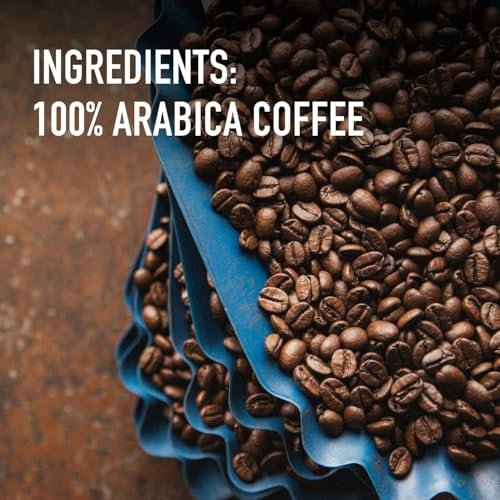
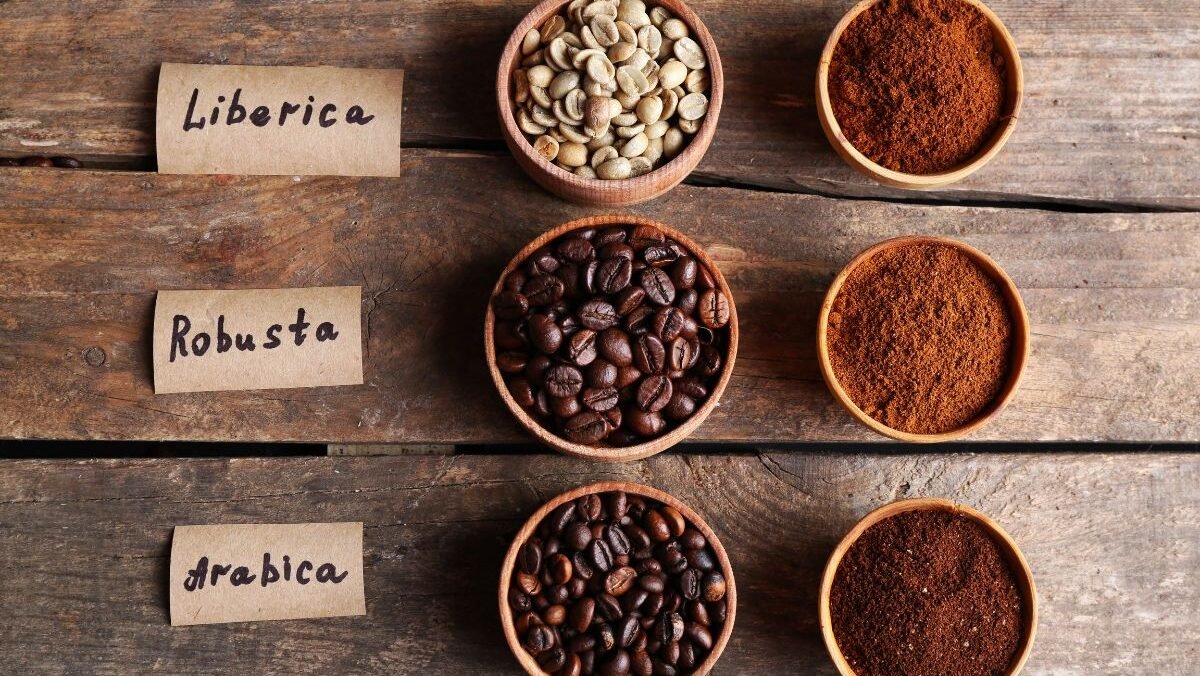
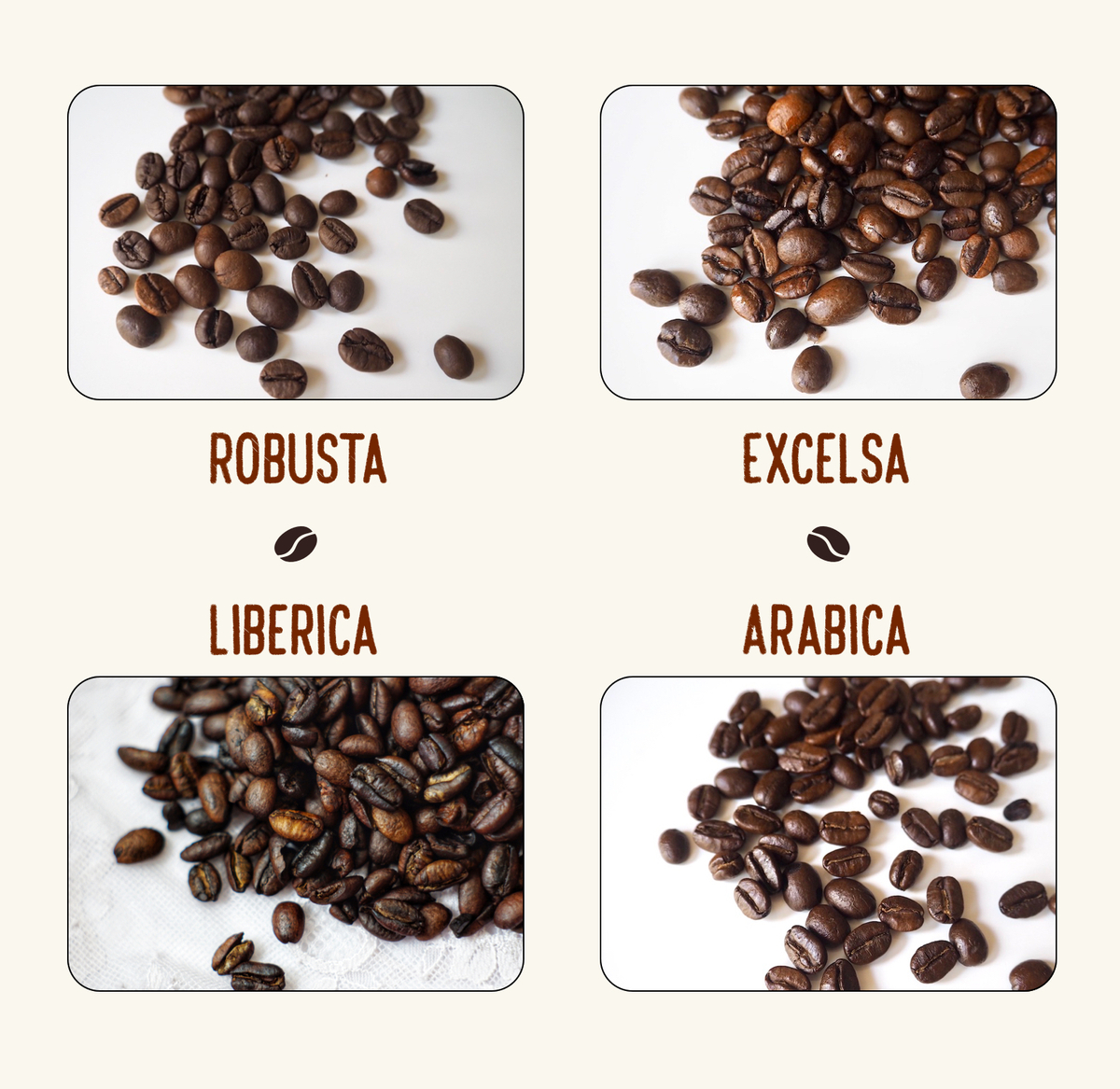
The main Types of Coffee Beans are Arabica, Robusta, Liberica, and Excelsa.
If you love a good cup, knowing the Types of Coffee Beans helps you pick better, brew smarter, and taste more. I’ve spent years roasting, cupping, and teaching baristas. In this guide, I’ll break down the Types of Coffee Beans with clear tips, real notes, and data you can trust.
Understanding the Types of Coffee Beans
When people say Types of Coffee Beans, they often mean species, varieties, and origins. Species are the big groups like Arabica and Robusta. Varieties are subtypes within a species, like Bourbon, Typica, or Geisha. Origin is where a coffee grows, which changes flavor a lot.
A few key facts set the stage:
- Arabica accounts for about 60% of global coffee. It grows at higher altitudes and tastes complex.
- Robusta is close to 40%. It has more caffeine, thicker body, and a bold bite.
- Liberica and Excelsa are niche. They add wild fruit and floral notes to blends.
From my cupping table, the big lesson is this: bean type guides your brew choice. Lighter Arabica shines as a pour-over. Strong Robusta works in espresso blends. Exotic Types of Coffee Beans like Liberica or Excelsa can surprise you with rare aromas.
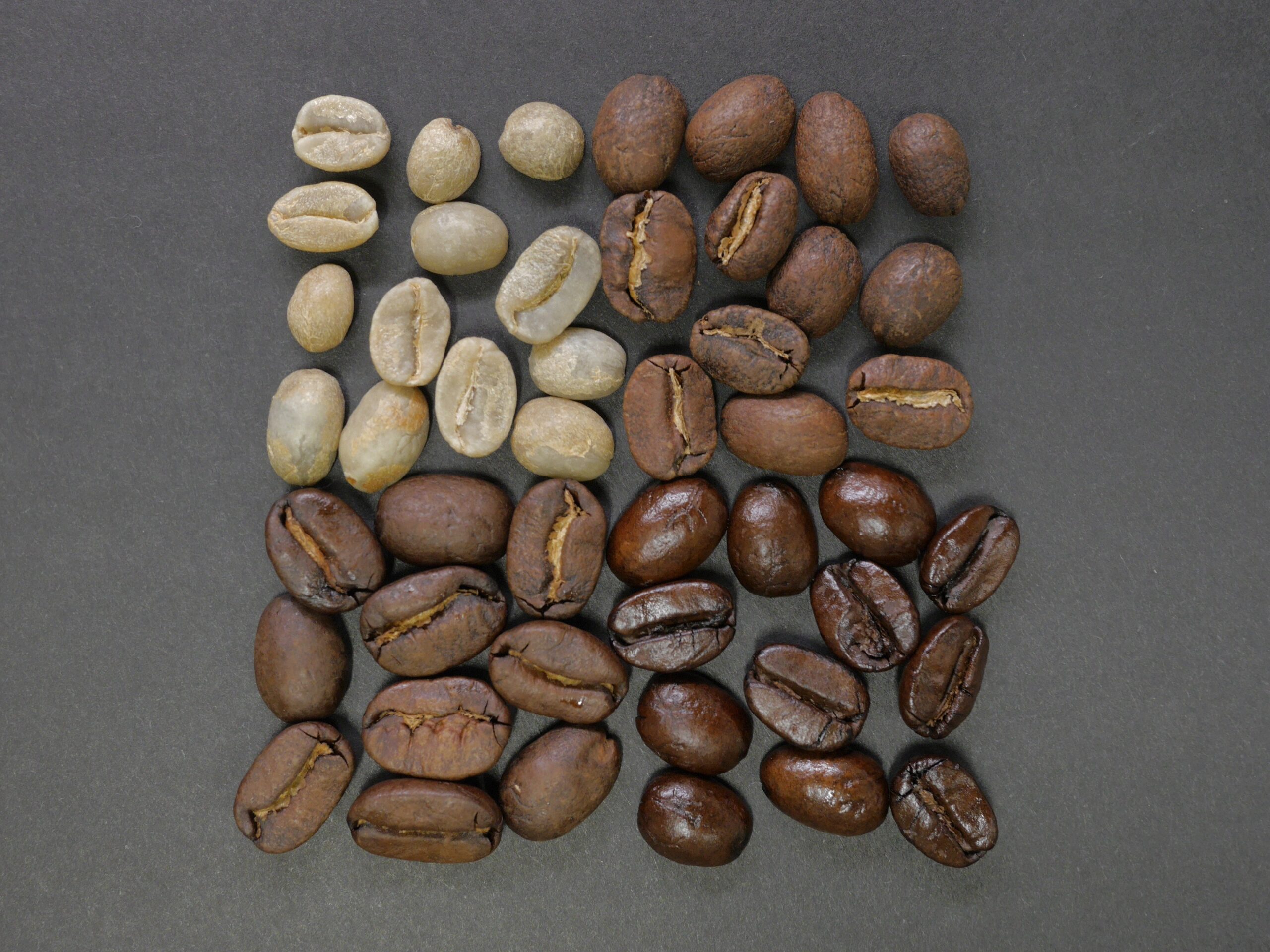
The Big Four Species: Arabica, Robusta, Liberica, Excelsa
Arabica (Coffea arabica)
Arabica is the most loved among the Types of Coffee Beans. It has sweet acidity, floral and fruit notes, and lower caffeine. Common varieties include Bourbon, Typica, Caturra, and Geisha. Typical caffeine ranges around 1.2% to 1.5% by weight.
What it tastes like:
- Ethiopia: jasmine, bergamot, blueberry
- Colombia: caramel, citrus, red apple
- Central America: chocolate, nuts, stone fruit
Best uses:
- Filter brewing, pour-over, light to medium roasts, single-origin tasting
Robusta (Coffea canephora)
Robusta is hardy, disease resistant, and easy to grow at low altitudes. It has bigger crema, strong bite, and higher caffeine (about 2.2% to 2.7%). It is popular in Italian-style espresso and Vietnamese coffee.
What it tastes like:
- Dark chocolate, roasted nuts, earth, sometimes smoky spice
Best uses:
- Espresso blends for body and crema, cold brew for a bold kick
Liberica (Coffea liberica)
Liberica is rare among Types of Coffee Beans but growing in interest. The beans are large and irregular. The cup can be floral, woody, and fruity at once.
What it tastes like:
- Jackfruit, rose, tropical fruit, cedar
Best uses:
- Blend accents, adventurous single origins, medium roasts to protect aromatics
Excelsa (Coffea excelsa, now often classified under Liberica)
Excelsa brings bright acidity and tart fruit. It lifts blends without adding heaviness.
What it tastes like:
- Tamarind, dark berries, citrus zest
Best uses:
- Blend booster for brightness, light to medium roasts, iced coffee
Personal note: The first time I brewed a 20% Robusta espresso blend, the crema was huge and stable. It held latte art longer, and the shot cut through milk with ease. That is a real win for busy mornings.
Origins and Terroir: How Place Shapes Types of Coffee Beans
Terroir is the mix of altitude, soil, climate, and local farming. It shapes how Types of Coffee Beans taste, just like wine.
Regional patterns you can expect:
- Africa (Ethiopia, Kenya, Rwanda): florals, citrus, berries, tea-like body
- Latin America (Colombia, Brazil, Guatemala): nuts, cocoa, caramel, gentle fruit
- Asia-Pacific (Indonesia, Papua New Guinea): earthy spice, herbs, heavy body
- Vietnam: high-quality Robusta, bold and clean when well processed
Altitude plays a big role. Higher farms grow slower cherries, often with sweeter and more complex cups. Lower farms can yield robust, fuller coffees, perfect for dark roasts and blends.
From my field notes: A washed Ethiopia brewed at 1:16 in a V60 gave me bright lemon candy and lavender. A natural Brazil from a lower farm tasted like cocoa and almonds in a French press. Same brew skill, different bean type and origin, very different results.
Using the Types of Coffee Beans to pick by origin keeps your choices simple and smart.
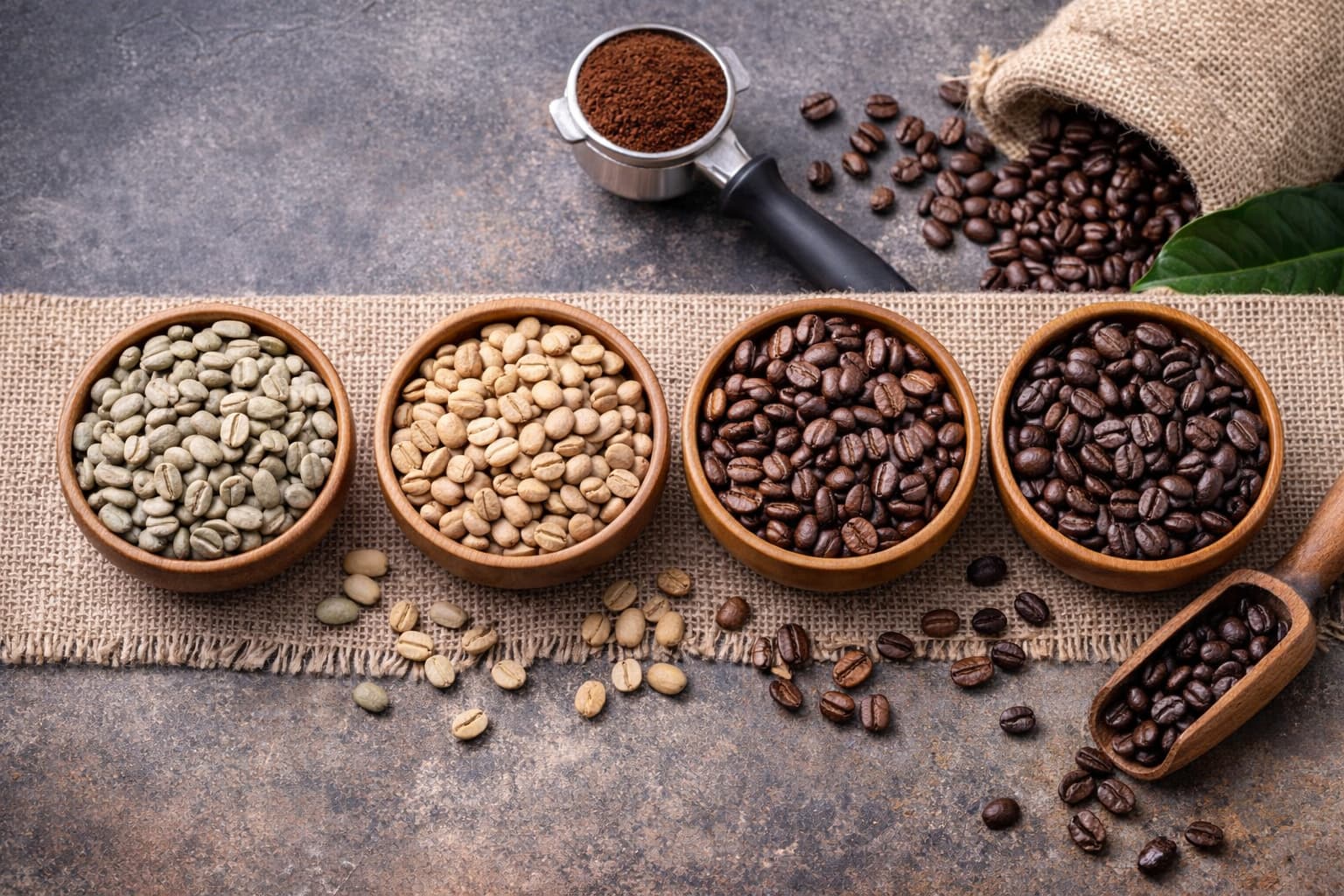
Processing Methods That Change the Cup
Processing is how a coffee cherry becomes a green bean. It shapes sweetness, body, and clarity across all Types of Coffee Beans.
Common methods:
- Washed: mucilage removed with water. Clean, bright, and clear flavors.
- Natural: dried in the fruit. Juicy, fruity, heavy body.
- Honey: dried with some mucilage on. Sweet, balanced body, moderate clarity.
- Wet-hulled: common in parts of Indonesia. Heavy body, earthy spice.
Practical tip:
- If you like tea-like cups, try washed Arabica from East Africa.
- If you like jammy notes, try natural Ethiopia or Brazil.
- If you want thick body for milk drinks, look at honey Central America or wet-hulled Sumatra.
I once served the same Costa Rica farm in washed and honey. Guests swore they were different farms. That is the magic of process on Types of Coffee Beans.
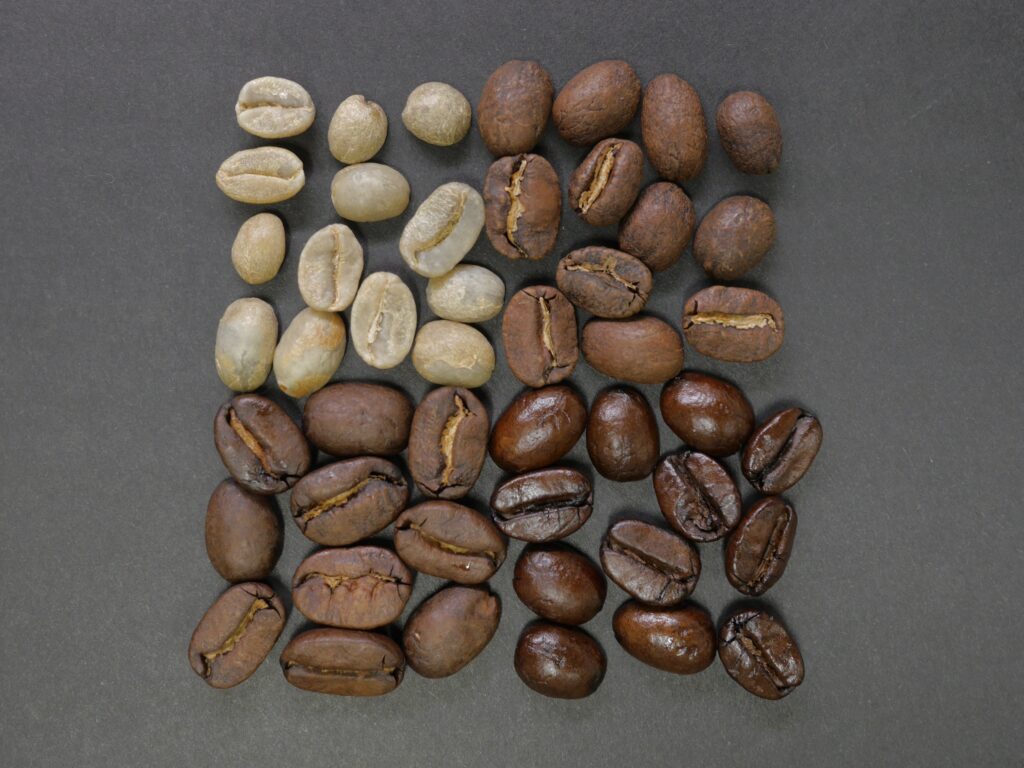
Roast Levels and Best Uses by Types of Coffee Beans
Roast levels change how Types of Coffee Beans express flavor and feel in the cup.
- Light roast: higher acidity, origin notes, delicate florals. Great for Arabica pour-overs.
- Medium roast: balance of sweetness and body. Good all-rounder for drip and espresso.
- Dark roast: bold, smoky, lower acidity. Best for blends and milk drinks, often with some Robusta.
Helpful matches:
- Floral Ethiopia Arabica: light roast, cone filter, 1:16 ratio
- Chocolaty Brazil Arabica: medium roast, batch brew, 1:15 ratio
- Robusta-heavy blend: medium-dark roast, espresso, 1:2 brew ratio
Mistake to avoid: Pushing a floral Arabica to oily dark roasts erases its charm. Keep those roasts lighter to protect the complex top notes.
Single-Origin vs Blends: Choosing the Right Types of Coffee Beans
Single-origin coffees come from one farm or region. They spotlight place and variety. Blends mix lots to hit a steady flavor all year.
Pick single-origin when:
- You want a distinct flavor story like bergamot or mango
- You brew filter and enjoy nuance
Pick blends when:
- You want repeatable flavor week to week
- You pull espresso and need body, crema, and balance
Pro tip: I keep a house blend for milk drinks and a rotating single-origin for weekend pour-overs. This covers many moods and highlights diverse Types of Coffee Beans.
Buying, Storing, and Grinding Tips for Fresh Types of Coffee Beans
Freshness makes or breaks flavor. Even the finest Types of Coffee Beans taste flat when stale.
- Look for a roast date, not just a best-by
- Buy in small amounts you’ll finish in 2 to 4 weeks
- Choose whole bean for better shelf life
Storage basics:
- Use an airtight, opaque container at room temp
- Keep away from light, heat, and moisture
- Avoid the fridge; it adds condensation and odors
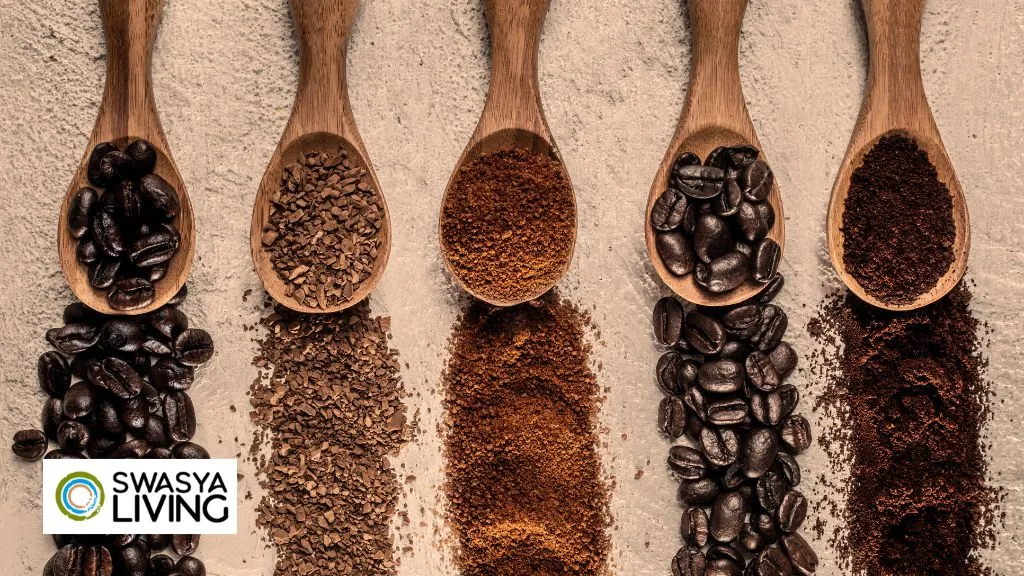
Grind right before brewing:
- Coarse for French press
- Medium for drip
- Fine for espresso
I once stored a rare Geisha in a clear jar by a sunny window. Big mistake. It faded in a week. A dark cupboard and a tight seal would have saved those delicate notes.
Sustainability and Certifications for Types of Coffee Beans
Sustainable choices help farms and flavor. They also build long-term quality for all Types of Coffee Beans.
What labels mean:
- Organic: grown without synthetic pesticides and fertilizers
- Fairtrade: better baseline pay and standards for farmers
- Rainforest Alliance: environmental and social criteria
- Direct trade: roasters buy straight from producers, often at higher prices tied to quality
Why it matters:
- Healthier soil supports better cherries and stable yields
- Reliable pay keeps skilled producers in coffee
- Traceability builds trust and consistent cups
Trade-off note: Certification fees can be high for small farms. Some of the most ethical and high-quality lots come through direct relationships that are not certified but are well documented by roasters.
Frequently Asked Questions of Types of Coffee Beans
What are the main Types of Coffee Beans and how do they differ?
The main Types of Coffee Beans are Arabica, Robusta, Liberica, and Excelsa. Arabica is complex and sweet, Robusta is bold and caffeinated, while Liberica and Excelsa add unique fruit and floral notes.
Which Types of Coffee Beans are best for espresso?
A blend of Arabica and Robusta works well for espresso. Arabica adds sweetness and aroma, while Robusta boosts crema and body.
Are the Types of Coffee Beans from Ethiopia always fruity?
Many Ethiopian coffees taste fruity due to high altitudes and heirloom varieties. Natural-processed lots can be very berry-forward, while washed lots lean floral and citrus.
How do roast levels affect different Types of Coffee Beans?
Light roasts keep origin flavors bright, which suits delicate Arabica. Dark roasts mute acidity and highlight roast notes, which can help blends and milk drinks.
What is the strongest among the Types of Coffee Beans?
Robusta has the most caffeine per bean and a stronger bite. But “strongest” in flavor can also mean dark-roasted blends, which taste bold even with Arabica.
Do different Types of Coffee Beans need different grind sizes?
Yes, match grind to brew method and bean style. Bright, dense beans often need a slightly finer grind for extraction, while heavy-bodied beans can go a touch coarser.
How can I choose between single-origin and blends for Types of Coffee Beans?
Choose single-origin for unique flavors and seasonal variety. Pick blends when you want reliable taste for espresso or milk drinks.
Are Liberica and Excelsa worth trying among the Types of Coffee Beans?
Yes, if you enjoy new flavors and rare profiles. They can add tropical fruit, tartness, or floral notes you won’t get from common beans.
Conclusion
You now know how species, origin, process, and roast shape the cup across all Types of Coffee Beans. Arabica brings nuance, Robusta brings punch, and Liberica and Excelsa add rare tones. With a few smart choices, your daily brew can taste richer and more consistent.
Try one new origin and one new process this month. Compare them side by side, note the differences, and dial your grind and ratio. Ready to dive deeper? Subscribe for more brew guides, or drop a comment with your favorite Types of Coffee Beans and why you love them.