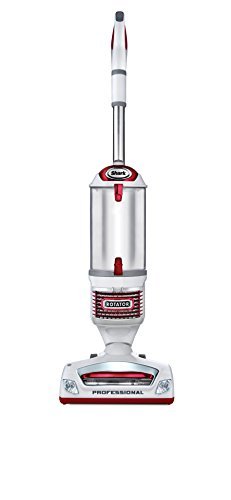
You can dispose of an old vacuum cleaner by recycling its components, donating it if functional, or utilizing e-waste programs.
Hey there! Is your trusty old vacuum cleaner finally giving up the ghost, leaving you wondering how to make it disappear responsibly? You're not alone. Figuring out how to dispose old vacuum cleaner can feel like a puzzling chore, especially with all the different materials involved. But don't worry, as someone who’s navigated the ins and outs of decluttering and responsible disposal for years, I'm here to tell you that getting rid of your old cleaner doesn't have to add to landfill waste. This guide will walk you through every smart, eco-friendly option, ensuring your old appliance finds a new purpose or is recycled properly, saving you hassle and helping the planet.

Why Proper Vacuum Cleaner Disposal Matters
When it comes to getting rid of household appliances like an old vacuum cleaner, it's easy to just toss it in the regular trash. However, understanding why proper disposal is so important is the first step towards making a more responsible choice. Vacuum cleaners, while seemingly harmless, are packed with various materials that can harm the environment if not handled correctly.
Many components, like plastics, metals, and electronic circuit boards, contain valuable resources that can be recovered and reused. Throwing these items into a landfill means these resources are lost forever, contributing to a cycle of constant extraction and production. Moreover, some parts might contain trace amounts of hazardous materials, such as lead or mercury in older models, which can leach into soil and water, posing significant environmental and health risks. Properly disposing of your old vacuum cleaner is a simple yet impactful way to contribute to a greener planet, reduce waste, and protect our natural resources.
Understanding Your Old Vacuum Cleaner's Components
Before diving into disposal methods, it helps to understand what makes up your old vacuum cleaner. This knowledge empowers you to make informed decisions about recycling and ensures you're thinking about how to dispose old vacuum cleaner in the most effective way possible. Generally, vacuum cleaners are a mix of:
- Plastics: The outer casing, many internal parts, and attachments are typically made from various types of plastic. These can be challenging to recycle due to different plastic grades and colors.
- Metals: Motors, screws, and some internal frameworks contain metals like steel, copper, and aluminum. These are highly recyclable and valuable resources.
- Electronics (E-Waste): The motor, circuit boards, wires, and power cord fall under electronic waste. These components often contain precious metals and, sometimes, hazardous substances that require specialized recycling processes.
- Rubber: Hoses, belts, and wheels are often made of rubber, which can be difficult to recycle through standard methods.
- Fabrics/Filters: Dust bags and filters are usually composite materials that are not typically recyclable and should be disposed of as general waste after emptying.
Knowing these components helps you understand why a universal "toss in the bin" approach isn't ideal and highlights the need for specialized methods when you're looking at how to dispose old vacuum cleaner.

The Best Ways to Dispose Old Vacuum Cleaner
Deciding how to dispose old vacuum cleaner doesn't have to be complicated. There are several excellent options available, ranging from giving your appliance a second life to ensuring its components are recycled responsibly.
Donation or Resale
If your old vacuum cleaner is still in good working condition, or perhaps just needs a minor repair, donating or selling it is often the most environmentally friendly option. Think about it: a functioning appliance avoids the landfill and helps someone else out.
- Charitable Organizations: Many charities, like Goodwill or The Salvation Army, accept working small appliances. It’s always best to call ahead and confirm their acceptance policy. They can often provide a tax-deductible receipt!
- Local Buy-Sell-Trade Groups: Websites like Craigslist, Facebook Marketplace, or local community groups are perfect for listing items for sale or even giving them away for free. You'd be surprised who might be looking for an affordable, slightly used vacuum.
- Appliance Repair Shops: Sometimes, a local repair shop might take an older model for parts if it’s no longer repairable, but still has useful components. It never hurts to ask!
Recycling Centers
When your vacuum cleaner has truly reached the end of its life, recycling is the next best step. This is a crucial answer to how to dispose old vacuum cleaner responsibly.
Electronic Waste (E-Waste) Recycling
Because vacuum cleaners contain motors and circuit boards, they're classified as e-waste. This means they shouldn't just go into your regular curbside recycling bin.
- Dedicated E-Waste Facilities: Many cities and counties operate specific e-waste recycling events or permanent drop-off centers. These facilities are equipped to safely dismantle electronics and recover valuable materials while properly handling any hazardous components. A quick online search for "e-waste recycling near me" will usually point you in the right direction.
- Retailer Take-Back Programs: Some electronics retailers, like Best Buy, offer in-store recycling programs for various electronics, including vacuum cleaners, often for a small fee or even for free. Check with your local stores for their current policies.
Local Recycling Programs
While most curbside programs don't accept vacuum cleaners, it’s worth checking your local municipality's waste management website. Some communities have specific drop-off days or facilities for larger household items that might include small appliances. It's really about knowing your local rules when asking how to dispose old vacuum cleaner.
Manufacturer Take-Back Programs
A growing number of manufacturers are offering take-back programs for their products as part of extended producer responsibility initiatives. This means they take back their old products for recycling or refurbishment. Check your vacuum cleaner brand's website or contact their customer service to see if they offer such a program. This is an excellent, often overlooked, way to ensure your old vacuum cleaner is recycled correctly by the people who know it best.
Bulk Waste Pickup
For those who live in areas with municipal waste services, bulk waste pickup might be an option. Many cities offer special pickups for large items that don't fit into regular bins. You usually need to schedule these in advance, and there might be size or item limitations. Be aware that items collected this way may end up in a landfill, so consider it a last resort if other recycling options aren't available for how to dispose old vacuum cleaner.
Specialty Recycling Services
In some regions, you might find private companies that specialize in appliance recycling. These services often come with a fee but provide a convenient way to ensure your appliance is handled responsibly. They're particularly useful if you have several items to dispose of or if local options are limited.
Preparing Your Vacuum Cleaner for Disposal
No matter which disposal method you choose, a little preparation goes a long way. This step is essential for both safety and maximizing recycling potential when you're thinking about how to dispose old vacuum cleaner.
- Empty the Dustbin/Bag: Always start by emptying the dustbin or removing and disposing of the vacuum bag. You wouldn't want to leave a mess for the next person or facility. These typically go into your regular trash.
- Clean It Up: Give your vacuum cleaner a quick wipe down. Remove any large debris, hair, or sticky residue. A cleaner item is easier for donation centers to accept and more pleasant for recycling facility workers to handle.
- Untangle the Cord: Coil the power cord neatly. This prevents it from getting snagged or damaged during transport and helps with safe handling.
- Separate Components (If Possible): If you're particularly handy and know your way around tools, you might be able to separate some components, like the main plastic body from the motor, or remove detachable accessories. However, this isn't necessary for most recycling programs and should only be done if you're comfortable and safe doing so. For most people, simply bringing the whole unit to an e-waste facility is sufficient.
- Remove Batteries: If your vacuum cleaner has a removable battery (especially common in cordless stick vacuums), take it out. Lithium-ion batteries often require separate recycling through specific battery recycling programs found at retailers or local waste centers. This is a critical safety step, as damaged lithium-ion batteries can pose fire hazards.
Taking these small steps makes a big difference in the efficiency and safety of the disposal process for your old vacuum cleaner.
Common Mistakes to Avoid When Disposing of a Vacuum Cleaner
It's easy to make a quick decision when you're eager to clear out old items, but understanding common pitfalls can save you trouble and help the environment when asking how to dispose old vacuum cleaner.
- Tossing it in the Regular Trash: As we've discussed, vacuum cleaners are not general waste. They contain valuable, recyclable materials and potentially hazardous e-waste components that should never end up in a landfill. Landfilling them wastes resources and can pollute the environment.
- Assuming Curbside Recycling Will Take It: Most standard curbside recycling programs are designed for common household items like paper, plastic bottles, and cans. They generally do not accept electronics or appliances, even small ones. Always verify with your local recycling service before putting an old vacuum cleaner out.
- Not Checking Local Regulations: Disposal rules vary significantly by city and state. What's acceptable in one area might be illegal in another. Always take a few minutes to check your local waste management website or call their office to understand specific guidelines for how to dispose old vacuum cleaner in your community.
- Ignoring Battery Disposal: For cordless models, failing to remove and properly recycle the battery is a big no-no. Batteries, especially lithium-ion ones, are considered hazardous waste and require separate, specialized recycling to prevent fires and environmental contamination.
- Disposing Without Cleaning: Leaving a vacuum cleaner full of dust and debris isn't just unpleasant; it can also be a health hazard for those handling it at donation centers or recycling facilities. A quick clean benefits everyone involved.
Avoiding these common mistakes ensures you're not just getting rid of an old appliance, but doing so responsibly and effectively.
Personal Experience and Tips for a Smooth Disposal
Over the years, I've helped countless friends and family members declutter, and appliances like vacuum cleaners always come up. My own experience with how to dispose old vacuum cleaner has taught me a few valuable lessons. I remember one time, I had an ancient, bulky upright vacuum that suddenly gave out. My first thought was to just put it on the curb with the bulk trash, but then I paused. I wondered, "Is there a better way?"
What I learned quickly was that a little research saves a lot of guilt. I called my local waste management, and they directed me to an e-waste drop-off event happening that weekend. It took me 15 minutes to drive there, but seeing the organized process and knowing my vacuum wouldn't just be adding to a landfill was incredibly satisfying. I've also had success with donating slightly used but still functional stick vacuums to local shelters – it's amazing how much a clean, working appliance can help those in need.
Here are my top tips, distilled from these experiences:
- Start Early: Don't wait until the last minute. Begin researching disposal options as soon as you know your vacuum cleaner needs to go. This gives you time to find the best, most convenient, and most eco-friendly solution.
- When in Doubt, Call Your City: Your local waste management department is your best friend here. Their website or a quick phone call can clear up any confusion about local regulations and available services for how to dispose old vacuum cleaner in your community.
- Consider the "Why": Before you simply discard it, think: can it be fixed? Can it be repurposed? Can someone else benefit from it? This mindset shift can turn a disposal task into a community contribution.
- Safety First: Always unplug your vacuum and, if it's a cordless model, remove the battery before handling it for disposal. A little caution goes a long way.
Following these practical steps has made my own disposal processes much smoother and more responsible, and I'm confident they'll do the same for you.

Frequently Asked Questions
Can I put my old vacuum cleaner in regular trash?
No, it's generally not recommended to put your old vacuum cleaner in regular trash. Vacuum cleaners contain various recyclable materials and electronic components (e-waste) that should be disposed of through specific recycling programs or donation centers.
Where can I recycle an old vacuum cleaner?
You can recycle an old vacuum cleaner at dedicated e-waste recycling centers, through retailer take-back programs, or sometimes via municipal bulk waste collection or specialty appliance recyclers. Check your local government's waste management website for specific drop-off locations.
Do appliance stores take old vacuum cleaners for recycling?
Some appliance or electronics stores, like Best Buy, offer take-back or recycling programs for old vacuum cleaners and other small appliances, often for a small fee or even free. It's best to call your local store to confirm their current policies.
Is it safe to disassemble a vacuum cleaner before disposal?
Disassembling a vacuum cleaner is generally not necessary or recommended for most people. While separating components might aid recycling, it can be risky due to sharp parts and electrical components. It's safer to bring the intact unit to an e-waste facility.
Can I donate a broken vacuum cleaner?
Most charities and donation centers only accept vacuum cleaners that are in good, working condition or easily repairable. A broken vacuum cleaner is usually best handled through an e-waste recycling program to ensure its components are properly salvaged.
Conclusion
Getting rid of an old vacuum cleaner doesn't have to be a conundrum that leads to landfill waste. By understanding the components of your appliance and exploring the various responsible disposal options available, you can make a choice that benefits both your community and the environment. Whether it's finding a new home for a gently used model through donation, carefully recycling its e-waste components, or utilizing a specialized take-back program, each step we take towards proper disposal makes a significant difference. Let's commit to making responsible choices for our old appliances. For more guides on eco-friendly living and smart disposal tips, be sure to explore our other resources!