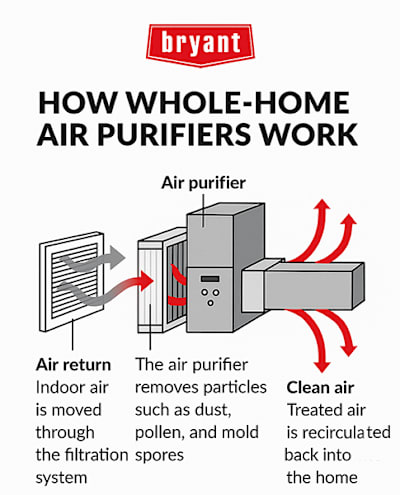
An air purifier works by drawing in air from your room, trapping airborne pollutants through specialized filters, and then circulating clean air back out.
Many of us spend a significant amount of our lives indoors, often without realizing the invisible battle happening right in our breathing space. From dust mites and pet dander to pollen, mold spores, and even microscopic viruses, indoor air can be surprisingly full of unwelcome guests. Understanding "how does an air purifier work" isn't just about technical specifications; it's about gaining control over your home environment and fostering a healthier living space. As someone who has spent years exploring and personally experiencing the profound impact of air purification technologies, I can tell you that unlocking the secrets behind these devices can truly transform your perception of indoor air quality. Let's peel back the layers and discover the fascinating process that leads to fresher, cleaner air.

What Exactly is an Air Purifier?
At its simplest, an air purifier is an appliance designed to remove contaminants from the air in a room to improve indoor air quality. Think of it as a silent guardian, constantly working to scrub your air clean. These devices are especially valuable for people with allergies, asthma, or those living in areas with high pollution levels. They tackle airborne particles that are too small to see but have a big impact on our health and comfort. The core function revolves around circulating air and passing it through a series of filters, which is central to understanding how does an air purifier work effectively.

The Core Mechanics: How Air Purifiers Work
The magic behind an air purifier isn't really magic at all; it's clever engineering. It’s a multi-stage process that systematically eliminates various types of pollutants. From the moment you switch it on, a sophisticated dance of components begins, all working in harmony to deliver that fresh, clean air you're seeking.
The Fan: The Heartbeat of the Purifier
Every air purifier starts with a powerful fan. This isn't just any fan; it's specifically designed to draw large volumes of air from the surrounding environment into the unit. The efficiency of this fan directly influences the "Clean Air Delivery Rate" (CADR), which tells you how quickly the purifier can clean a room. A robust fan ensures that all the air in your room gets a chance to pass through the filtration system multiple times per hour, which is crucial for how does an air purifier work continuously to maintain air quality.

Filtration Stages: The Real Magic Happens Here
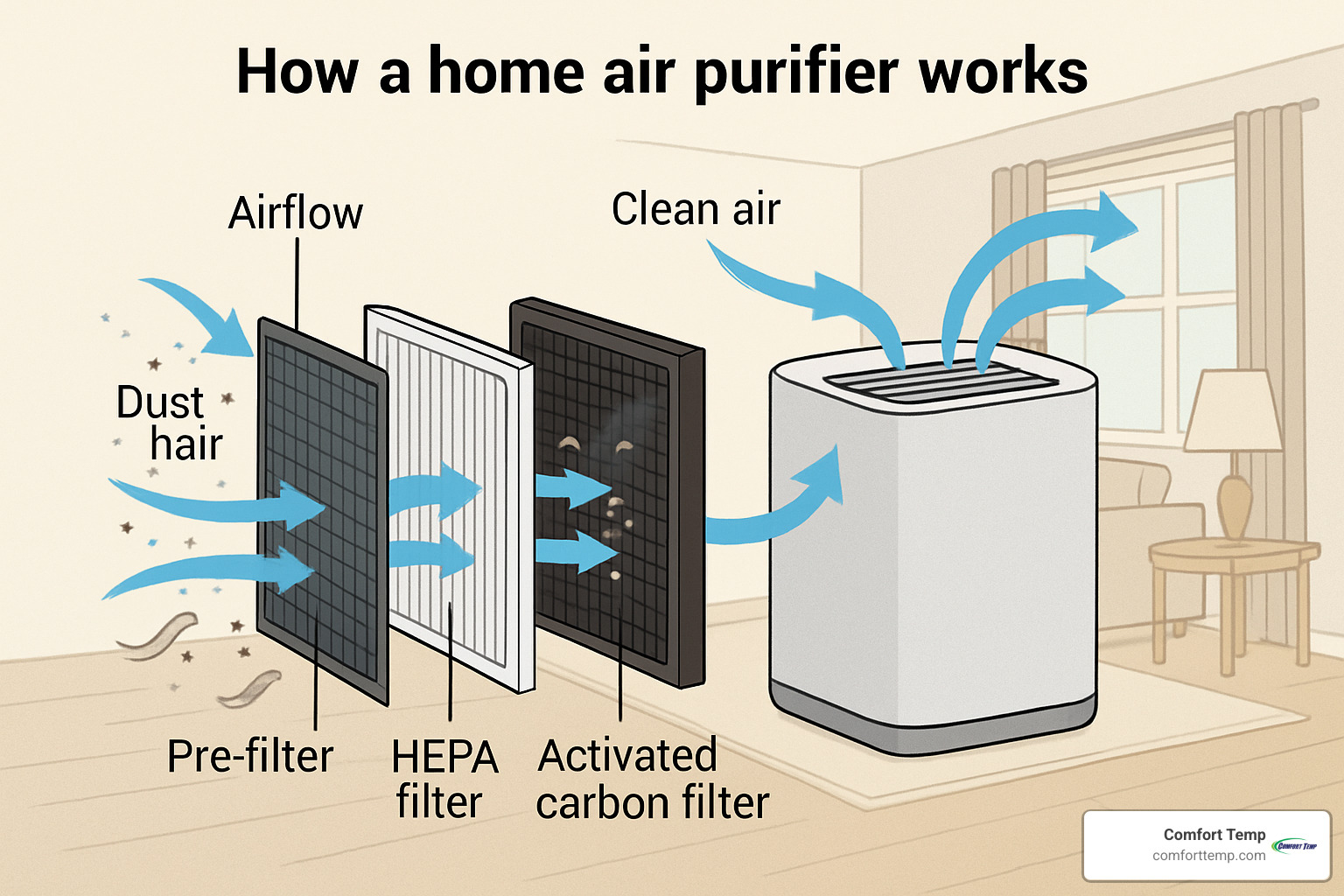
Once the air is drawn in by the fan, it embarks on a journey through various filtration layers. Each filter targets specific types of pollutants, working in sequence to progressively clean the air. This layered approach is key to the comprehensive purification process.
Pre-filter: First Line of Defense
The first stop for incoming air is typically the pre-filter. This coarse filter is designed to capture larger particles like dust, pet hair, and lint. It's essentially the bouncer at the door, preventing bigger debris from reaching and clogging the more delicate, specialized filters downstream. My own experience has shown that regularly cleaning this filter significantly prolongs the life and efficiency of the other filters, ensuring your air purifier continues to work optimally.

HEPA Filter: The Heavy Hitter
Following the pre-filter, the air encounters the HEPA (High-Efficiency Particulate Air) filter. This is arguably the most critical component when discussing how does an air purifier work. A true HEPA filter is certified to capture at least 99.97% of airborne particles as small as 0.3 microns. To give you some perspective, this includes pollen, dust mites, mold spores, pet dander, and even some bacteria and viruses. The filter material is typically a dense mat of randomly arranged fibers that trap particles as air flows through. It’s a mechanical filtration process, meaning it physically stops these tiny invaders.
Activated Carbon Filter: Tackling Odors and VOCs
Next in line is often an activated carbon filter. While HEPA filters excel at trapping particulates, they don't do much for gases and odors. That's where activated carbon comes in. This filter is made from highly porous carbon that has been treated to increase its surface area, creating millions of tiny pores. These pores adsorb (not absorb – it's a surface phenomenon) gaseous pollutants like volatile organic compounds (VOCs) from cleaning products, paints, and furnishings, as well as unpleasant odors from cooking, pets, and smoke. It’s a powerful ally in making your indoor air not just clean, but also fresh-smelling.
Other Filtration Technologies
Beyond the core filters, some air purifiers incorporate additional technologies to enhance their purification capabilities.
- UV-C Light: Some units include a UV-C lamp, which is designed to kill bacteria, viruses, and mold spores as they pass through the purifier. While effective for sterilizing surfaces, its efficacy in a fast-moving airflow within an air purifier is a topic of ongoing research. I've found that while it adds an extra layer of assurance for some, the primary filtration stages do most of the heavy lifting.
- Ionizers/PlasmaWave/PECO/Electrostatic Filters: These technologies work by releasing charged ions into the air or creating an electrostatic charge to attract particles. The charged particles then clump together, making them easier for the filter to capture or causing them to fall out of the air. While they can be effective, it's worth noting that some ionizers can produce ozone, a lung irritant, as a byproduct. Responsible manufacturers design their products to minimize or eliminate ozone production, but it’s always something to be aware of when considering how does an air purifier work with these supplementary features.
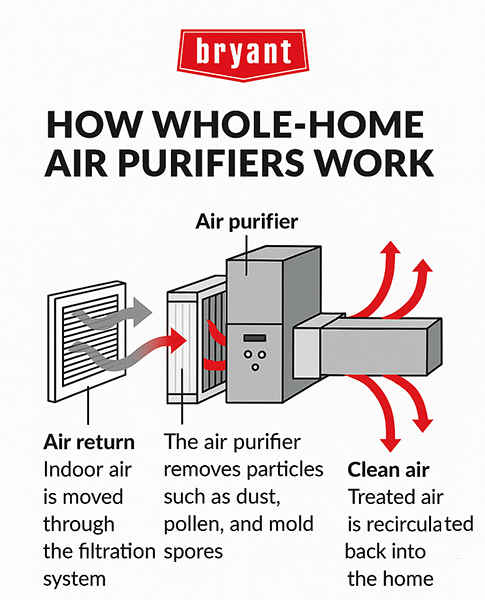
Source: bryant.com
Why You Need One: Benefits of Clean Air
The benefits of having an air purifier extend far beyond simply removing dust. Investing in cleaner air is investing in your health and well-being. From personal experience, the shift in overall comfort and health after introducing an effective air purifier to my home was remarkable.
- Allergy and Asthma Relief: By trapping pollen, pet dander, dust mites, and mold spores, air purifiers significantly reduce airborne triggers for allergy and asthma sufferers. This means fewer sneezes, less congestion, and easier breathing.
- Odor Elimination: Lingering odors from cooking, pets, or even new furniture can be effectively neutralized by activated carbon filters, leaving your home smelling fresher.
- Reduced Airborne Contaminants: Beyond allergens, air purifiers help remove fine particulate matter (PM2.5) from smoke, pollution, and everyday household activities, which can penetrate deep into the lungs and bloodstream.
- Better Sleep Quality: Reduced allergens and irritants in the bedroom can lead to less nighttime coughing, sneezing, and congestion, promoting more restful sleep.
- Improved Overall Health: Long-term exposure to indoor air pollutants has been linked to various health issues. By continuously cleaning the air, these devices contribute to a healthier living environment for everyone in the household.
Source: sharkninja.com

Choosing the Right Air Purifier: What to Look For
Selecting the right air purifier can feel a bit overwhelming with so many options available. However, focusing on a few key factors will help you make an informed decision.
- CADR (Clean Air Delivery Rate): This metric indicates how quickly an air purifier can clean a room of smoke, dust, and pollen. Match the CADR to your room size for optimal performance.
- Filter Type: Always prioritize units with true HEPA filters and a robust activated carbon filter for comprehensive purification.
- Room Size: Air purifiers are rated for specific room sizes. Make sure the unit you choose is appropriate for the area you intend to purify. I always recommend going a size up if you're on the fence, as it provides a quicker turnover of air.
- Noise Level: Especially important for bedrooms or offices, check the noise level (measured in decibels, dB) at various fan speeds.
- Features: Consider features like filter change indicators, fan speed settings, sleep modes, and smart controls.

Source: youtube.com
My Personal Experience with Air Purifiers
My journey with air purifiers began years ago when my family moved into an older house that, while charming, came with a persistent musty odor and an increase in seasonal allergies for my kids. I initially thought it was just "old house smell," but after some research, I realized it was likely a combination of mold spores and settled dust from decades past.
I invested in my first air purifier, a mid-range model with a HEPA and activated carbon filter, primarily for their bedroom. Within a week, the difference was palpable. The musty smell began to fade, and more importantly, my son's morning sniffles and itchy eyes dramatically reduced. It was a clear, tangible improvement. This firsthand experience solidified my belief in how does an air purifier work in real-world scenarios.
One practical tip I learned early on: placement matters! Tucking an air purifier away in a corner or behind furniture significantly reduces its effectiveness. For optimal air circulation, place it in an open area, ideally where it can draw air from one side of the room and discharge clean air towards another. Also, don't forget to regularly check and clean the pre-filter – it’s a small step that makes a huge difference in maintaining overall efficiency and filter longevity.
Limitations and Considerations
While air purifiers are incredibly beneficial, it's important to have realistic expectations and understand their limitations. They are a tool to improve air quality, not a magic bullet that completely eliminates all airborne issues.
- Source Control is Key: An air purifier will help, but it's not a substitute for addressing the source of pollution. For instance, if you have a significant mold problem, an air purifier will help with airborne spores, but you still need to fix the leak causing the mold.
- Ventilation Still Matters: Fresh air from outdoors is crucial for diluting pollutants and preventing the buildup of carbon dioxide. Air purifiers work best in conjunction with good ventilation practices, like opening windows periodically.
- Filter Replacement Costs: Filters need to be replaced periodically (typically every 6-12 months for HEPA and carbon filters, depending on usage and air quality). These ongoing costs are an important part of the long-term investment.
- Limited Scope for Very Large Spaces: While powerful units exist for larger rooms, completely purifying an entire open-concept living area with a single unit might be challenging. Multiple units or a whole-home filtration system might be necessary for extensive spaces.
Maintaining Your Air Purifier
Just like any appliance, an air purifier requires a bit of tender loving care to keep it performing at its best. Proper maintenance ensures that your investment continues to deliver clean air efficiently.
- Regular Pre-filter Cleaning: Most pre-filters are washable or can be vacuumed. Make it a routine to clean it every 2-4 weeks. This prevents larger particles from clogging the HEPA filter and extends its life.
- Timely Filter Replacement: Pay attention to your unit's filter change indicator or the manufacturer's recommendations. For HEPA and activated carbon filters, this usually ranges from 6 to 12 months. Trying to stretch the life of a filter beyond its prime significantly reduces the air purifier's effectiveness.
- Keep the Air Intake/Outtake Clear: Ensure that nothing is blocking the vents where air enters and exits the unit. This allows for optimal airflow and efficient operation.
Frequently Asked Questions of How Does an Air Purifier Work
Can an air purifier remove viruses and bacteria?
Yes, high-efficiency particulate air (HEPA) filters in air purifiers are capable of capturing particles as small as 0.3 microns, which includes many viruses and bacteria when they are airborne. Some models also include UV-C light, which can further neutralize these microorganisms.
How long does it take for an air purifier to clean a room?
The time it takes depends on the air purifier's Clean Air Delivery Rate (CADR) and the size of the room. A good rule of thumb is that a well-matched air purifier can clean the air in a room approximately 3-5 times per hour.
Do air purifiers use a lot of electricity?
Generally, no. Most modern air purifiers are energy-efficient, especially when running on lower fan settings. The energy consumption is comparable to a light bulb or a small fan, though it can increase on higher settings.
Should I run my air purifier all the time?
For continuous improvement of indoor air quality, running your air purifier regularly, especially in the rooms you spend the most time in, is beneficial. Many people choose to run them 24/7 or during peak allergen/pollutant times.
What's the difference between an air purifier and a humidifier?
An air purifier cleans the air by filtering out pollutants, while a humidifier adds moisture to the air. They serve different functions for indoor air quality, though both can contribute to a more comfortable and healthy environment.
Conclusion
Understanding "how does an air purifier work" reveals a fascinating synergy of mechanical filtration and advanced technologies designed to protect your home's air quality. From the initial draw of the fan to the precise trapping by HEPA and activated carbon filters, each component plays a vital role in transforming stagnant, polluted air into a breath of fresh purity. Having experienced the tangible benefits firsthand, I can confidently say that these devices are more than just gadgets; they are guardians of your indoor environment, contributing significantly to health and well-being. By considering the factors outlined and maintaining your unit properly, you're not just buying an appliance, you're investing in cleaner air for yourself and your loved ones. Take the next step towards a healthier home by exploring air purification options today, and feel free to share your own experiences or questions in the comments below!