Regularly cleaning your air purifier filter extends its life and ensures optimal air quality. Maintaining your air purifier filters isn't just about keeping your device running; it's about safeguarding the very air you breathe and ensuring your home remains a sanctuary of freshness. Many people overlook this crucial step, often leading to diminished performance, increased energy consumption, and ultimately, shorter filter lifespans. As someone who's helped countless homeowners troubleshoot their indoor air quality dilemmas, I can tell you firsthand that understanding how to clean air purifier filter types correctly is a game-changer for both your health and your wallet. This comprehensive guide will equip you with all the knowledge you need to keep your air purifier running at its peak, transforming your home into a haven of clean air.
:strip_icc()/GettyImages-2211844018-c7feaace22a14ed19947df80bac294d7.jpg)
Why Cleaning Your Air Purifier Filter Matters
Imagine diligently cleaning your floors, dusting your furniture, and wiping down surfaces, but never emptying your vacuum cleaner bag. That's essentially what happens when you neglect your air purifier filters. These unsung heroes work tirelessly, trapping dust, pollen, pet dander, mold spores, and even microscopic pollutants that float unseen in your home. Over time, these collected particles clog the filter, making it less effective at purifying the air. A dirty filter forces your air purifier to work harder, consuming more energy and potentially leading to premature wear and tear on the motor. I remember a client once complaining about their air purifier making strange noises and not seeming to improve their allergies; a quick inspection revealed a pre-filter so caked with dust it looked like a felt blanket. A simple cleaning brought it back to life, and the difference in their indoor air quality was immediate. Learning how to clean air purifier filter elements properly ensures your device performs optimally, protecting your family’s health and extending the life of your appliance.
Understanding Your Air Purifier Filters: Types and What They Do
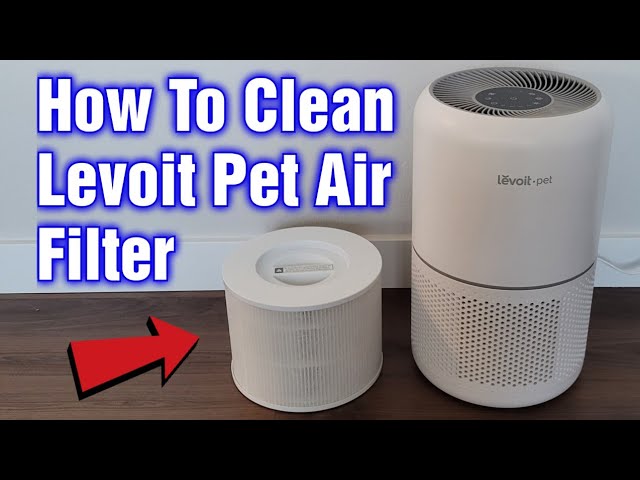
Before you start cleaning, it's vital to understand the different types of filters inside your air purifier. Not all filters are created equal, and attempting to clean a filter designed for replacement can actually damage it and hinder your air purifier’s performance. Generally, most home air purifiers use a combination of these types:
Pre-filters
These are typically the first line of defense in an air purifier system. Pre-filters are designed to capture larger particles like dust, pet hair, lint, and other visible debris before they can reach the more delicate HEPA or carbon filters. They are usually made of mesh material, often washable, and significantly extend the life of the subsequent filters by preventing them from getting prematurely clogged. Knowing how to clean air purifier filter pre-screens is often the simplest step.
Activated Carbon Filters
Carbon filters are the unsung heroes against odors, smoke, and volatile organic compounds (VOCs) from things like cleaning products, paints, and new furniture. They work by absorbing these airborne chemicals into their porous surface. Most activated carbon filters are not washable; water can degrade their activated properties. Instead, they are typically replaced after a certain period, as their absorptive capacity eventually becomes saturated.
HEPA Filters
HEPA (High-Efficiency Particulate Air) filters are the gold standard for capturing microscopic particles. A true HEPA filter is certified to capture 99.97% of airborne particles 0.3 microns in size, including pollen, dust mites, mold spores, and pet dander. The fibers of a HEPA filter are designed to trap particles in an intricate web. True HEPA filters are generally not washable. Washing them can damage the delicate filter media, reducing their effectiveness and potentially releasing trapped particles back into the air. While some manufacturers market "washable HEPA-type" filters, these often don't meet the same strict standards as true HEPA and their efficiency can still degrade with washing. For most, knowing how to clean air purifier filter HEPA components means gentle vacuuming, not washing.

When to Clean Your Air Purifier Filter: The Right Timing
Knowing when to clean your air purifier filter is just as important as knowing how. Regular maintenance ensures consistent air quality and extends your unit's lifespan. Here's how to tell if it's time for a cleaning or replacement:
- Manufacturer Recommendations: Always check your air purifier's user manual first. Manufacturers provide specific guidelines for cleaning and replacing each filter type, often based on expected usage.
- Indicator Lights: Many modern air purifiers feature filter indicator lights that alert you when it's time for maintenance or replacement. These are usually based on operating hours.
- Visible Dirt and Dust Buildup: If you can see a thick layer of dust, pet hair, or debris on your pre-filter, it's definitely time for a cleaning. A visual inspection every month or so is a good habit.
- Decreased Airflow: If the fan seems to be working harder but less air is coming out, it's a strong sign your filters are clogged and need attention.
- Increased Noise: A struggling motor trying to push air through a blocked filter can often lead to louder operation.
- Persistent Odors: If your carbon filter is no longer neutralizing odors, or if your air purifier itself starts emitting a strange smell, it's likely saturated and needs replacement.
- Environmental Factors: If you live in a dusty area, have pets, smoke indoors, or are doing renovations, you'll need to clean and replace filters more frequently than average.
From my experience, a good personal rule of thumb is to visually check your pre-filter monthly and adhere strictly to manufacturer guidelines for HEPA and carbon filter replacements. This proactive approach prevents major performance drops.

Step-by-Step Guide: How to Clean Washable Pre-Filters
Cleaning your washable pre-filter is straightforward and can significantly boost your air purifier's efficiency. Learning how to clean air purifier filter components like the pre-filter is often the easiest starting point for maintenance.
-
Safety First: Unplug the Unit
Before doing anything, always unplug your air purifier from the power outlet. Safety is paramount when working with electronics.
-
Disassemble: Open the Purifier and Remove the Pre-filter
Consult your user manual to learn how to open your specific air purifier model. Carefully remove the pre-filter, which is usually the outermost filter layer.
-
Initial Cleaning (Dry): Vacuum Gently
Take the pre-filter outside or over a trash can and gently shake off loose dust and debris. For a more thorough dry clean, use a vacuum cleaner with a brush attachment on a low setting to remove larger particles from both sides of the filter.
-
Washing: Rinse Under Cool Water
Hold the pre-filter under cool, running water. Rinse it thoroughly until the water runs clear, indicating all the trapped dirt has been washed away. If the filter is particularly greasy or grimy, you can use a small amount of mild dish soap, gently rubbing it with your fingers or a soft brush, then rinse thoroughly.
-
Drying: Air Dry Completely
This step is crucial! Place the cleaned pre-filter on a clean towel or drying rack in a well-ventilated area, away from direct sunlight or heat. Allow it to air dry completely for at least 24 hours, or until it is absolutely bone dry. Reinstalling a damp filter can lead to mold growth and damage your air purifier. I once made the mistake of putting a slightly damp filter back in, only to find a musty smell a few days later – lesson learned!
-
Reassemble: Place Back in Unit
Once the pre-filter is completely dry, carefully place it back into your air purifier according to the manufacturer's instructions. Close the unit securely, plug it back in, and enjoy your cleaner air!

Step-by-Step Guide: How to Maintain Non-Washable HEPA and Carbon Filters
For non-washable HEPA and carbon filters, the approach is different. The key here is maintenance through gentle cleaning and timely replacement, as these filters cannot be restored by washing. Understanding how to clean air purifier filter types like these means knowing their limitations.
-
Gentle Vacuuming (External)
With the unit unplugged and the filters removed, you can use a soft brush attachment on your vacuum cleaner on a very low suction setting to gently vacuum the exterior of the HEPA or carbon filter. This can help remove loose dust and debris from the surface, which might be impeding airflow. However, never press hard or try to clean deep into the filter media, as this can damage the delicate fibers of a HEPA filter or dislodge carbon granules.
-
Wiping Down
Use a dry, soft microfiber cloth to wipe down the filter housing and any visible dust that has collected on the edges of the filter. This helps maintain the overall cleanliness of the unit.
-
Replacement
It’s crucial to understand that HEPA and activated carbon filters have a finite lifespan. Once they are saturated with particles or odors, they must be replaced, not cleaned. Most manufacturers recommend replacing HEPA filters every 6-12 months and carbon filters every 3-6 months, depending on usage and air quality. Trying to extend their life by washing or harsh cleaning will diminish their effectiveness and can compromise your indoor air quality. It’s tempting to try and save a few bucks by stretching the life of these filters, but your health and the purifier’s efficiency are worth the investment in new filters.
-
Tracking Filter Life
Keep track of when you last replaced your non-washable filters. Many purifiers have a reset button for filter life indicators. If yours doesn't, consider setting a reminder on your phone or marking it on a calendar. This ensures you're replacing them at the optimal time for continuous clean air.

Common Mistakes to Avoid When Cleaning Air Purifier Filters
Even with the best intentions, it's easy to make mistakes that can harm your air purifier or reduce its effectiveness. Knowing how to clean air purifier filter elements also means knowing what not to do.
- Washing Non-Washable Filters: This is arguably the biggest mistake. Washing a true HEPA or activated carbon filter will destroy its ability to capture particles or absorb odors, rendering it useless. Always check your manual!
- Using Harsh Chemicals: Never use bleach, abrasive cleaners, or strong detergents on any part of your air purifier filter. These can damage materials, leave behind harmful residues, and even release unpleasant fumes into your air.
- Not Drying Washable Filters Completely: Reinstalling a pre-filter that is still damp creates a perfect breeding ground for mold and mildew within your air purifier, which will then release spores into your home.
- Ignoring Filter Replacement Indicators: These lights aren't just for show. They indicate that your filter has reached the end of its effective life. Pushing it further means your air isn't being purified as effectively.
- Not Unplugging the Unit: Forgetting to unplug the air purifier before performing any maintenance is a serious safety hazard and can lead to electric shock or damage to the unit.
- Trying to "Clean" a Truly Clogged HEPA Filter: Once a HEPA filter is truly clogged deep within its fibers, surface vacuuming will do little. It’s time for a replacement. Trying to force air or water through it will only damage its intricate structure.

Benefits of Regular Air Purifier Filter Maintenance
Regularly cleaning and replacing your air purifier filters isn't just about ticking off a chore; it offers a multitude of benefits that directly impact your health, your home, and your wallet. Understanding how to clean air purifier filter types effectively unlocks these advantages.
- Improved Indoor Air Quality: This is the primary benefit. Clean filters mean your air purifier can efficiently remove allergens, pollutants, and odors, leading to fresher, healthier air for you and your family.
- Extended Appliance Lifespan: When filters are clean, the air purifier's motor doesn't have to work as hard. This reduces strain, prevents overheating, and significantly extends the overall life of your appliance.
- Energy Efficiency: A clogged filter restricts airflow, forcing the unit to consume more power to achieve the desired air circulation. Clean filters allow the purifier to operate efficiently, potentially lowering your energy bills.
- Cost Savings: While replacement filters have a cost, proactive cleaning of washable filters and timely replacement of non-washable ones can prevent premature wear on the unit itself, saving you from expensive repairs or having to buy a new purifier sooner.
- Better Odor Removal: For units with activated carbon filters, regular replacement ensures that your air purifier continues to effectively neutralize cooking smells, pet odors, smoke, and VOCs.
- Peace of Mind: Knowing that your air purifier is running at its best, consistently providing clean air, offers a comforting sense of security and improved well-being for everyone in your home.

Frequently Asked Questions
How often should I clean my air purifier pre-filter?
You should aim to clean your air purifier pre-filter every 2-4 weeks, or more frequently if you have pets or live in a dusty environment. A visual inspection is always a good indicator of when it needs attention.
Can I wash a HEPA filter?
No, true HEPA filters are generally not washable. Washing them can damage the delicate filter media, reducing their effectiveness and potentially releasing trapped particles. Always check your specific air purifier's manual.
What happens if I don't clean my air purifier filter?
If you don't clean your air purifier filter, it will become clogged with pollutants, reducing its efficiency, increasing energy consumption, straining the motor, and ultimately shortening the lifespan of your unit and its ability to clean your air.
How do I know if my air purifier filter needs to be replaced?
Most modern air purifiers have indicator lights that signal when a filter needs replacement. Additionally, reduced airflow, increased noise, or persistent odors even after cleaning washable components are signs it's time for new filters.
Can cleaning a filter improve its efficiency?
Yes, cleaning a washable pre-filter significantly improves your air purifier's overall efficiency by removing large debris and improving airflow. For non-washable filters, gentle vacuuming can help maintain external cleanliness, but only replacement restores their full filtering capacity.
Conclusion
Taking the time to understand how to clean air purifier filter types and performing regular maintenance is an investment in your home's air quality and the longevity of your appliance. Think of your air purifier as a tireless guardian, silently working to protect your indoor environment. By simply cleaning washable filters and replacing non-washable ones as recommended, you're ensuring that this guardian remains strong and effective. This small effort translates into tangible benefits: healthier air for you and your loved ones, a more efficient and longer-lasting device, and ultimately, a greater sense of peace and comfort in your home. Don't let dusty filters compromise your well-being. Take a moment today to check your air purifier's manual, inspect its filters, and give it the care it deserves. Feel free to share your own air purifier maintenance tips in the comments below!