You can recycle your old vacuum cleaner by first preparing it and then taking it to a specialized e-waste facility, a retail take-back program, or a local recycling center that accepts electronics.
Dealing with an old, broken vacuum cleaner can feel like a chore, often leading to it gathering dust in a garage or, worse, ending up in a landfill. But as someone who has navigated countless home appliance dilemmas, I can tell you that understanding how to recycle old vacuum cleaner components properly is not only simpler than you might think but also incredibly beneficial for our environment. This guide is designed to empower you with the knowledge and practical steps to ensure your old cleaning buddy gets a new lease on life, demonstrating a deep understanding of sustainable disposal practices.
Why Recycling Your Old Vacuum Cleaner Matters
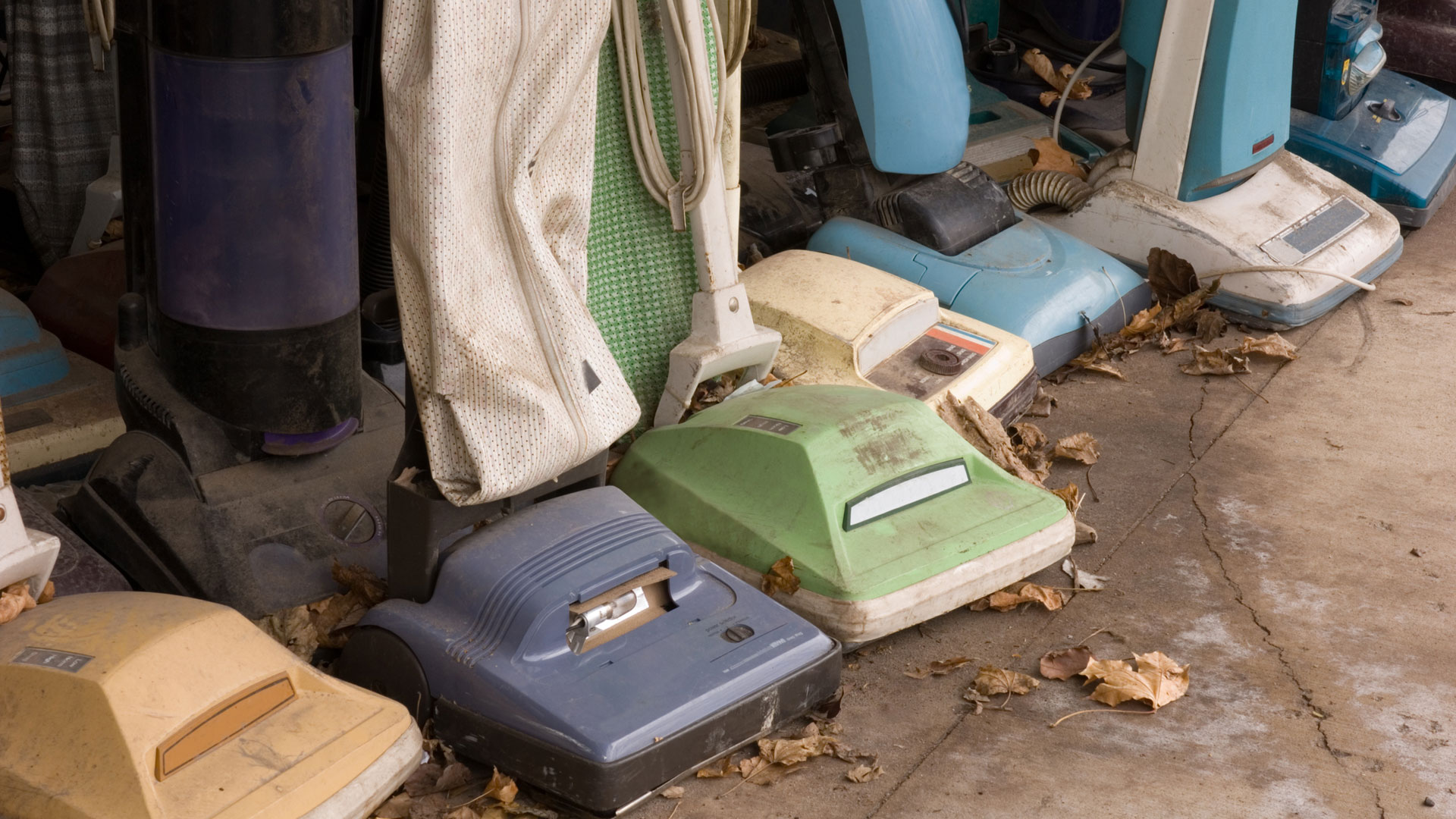
When we talk about getting rid of old appliances, it’s easy to overlook the bigger picture. Tossing an old vacuum into the regular trash means it heads straight to a landfill, where its various components—plastics, metals, and electronics—can take hundreds of years to break down, releasing potentially harmful chemicals into the soil and groundwater. From my perspective, embracing conscious consumerism means thinking beyond the immediate disposal and considering the entire lifecycle of a product. Recycling an old vacuum cleaner helps conserve valuable resources, reduces pollution, and lessens the demand for new raw materials, contributing to a circular economy.

Understanding What Makes Up Your Vacuum Cleaner
Before diving into how to recycle old vacuum cleaner, it's helpful to know what exactly goes into one. A typical vacuum cleaner is a complex assembly of different materials. You'll find a significant amount of plastic in the casing, nozzles, and internal mechanisms. Metals are present in the motor, fasteners, and sometimes in extension wands. Then there are the electronic components: circuit boards, wiring, and the motor itself. Understanding this mix is crucial because it dictates how and where you can properly recycle old vacuum cleaner parts.
Preparing Your Vacuum Cleaner for Recycling
Proper preparation is the first critical step when you decide how to recycle old vacuum cleaner. Safety should always be your priority.
- Unplug It: Always start by ensuring the vacuum cleaner is completely disconnected from any power source. This prevents accidental activation and potential electrical hazards.
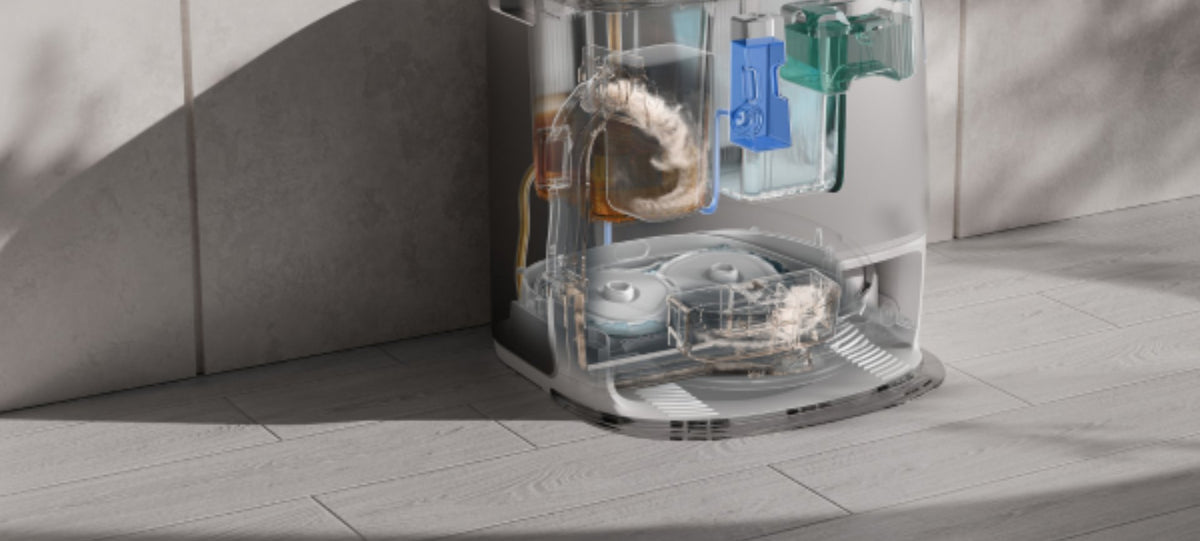
- Empty and Clean: Remove the dust bag or empty the dirt canister. Give the canister a quick rinse if possible. Clean out any visible debris, hair, or lint from brushes and hoses. This makes it more acceptable for recycling facilities and also helps keep their operations cleaner.
- Consider Disassembly: For some specialized recycling programs, or if you're trying to reclaim specific parts, limited disassembly might be an option. This usually involves separating the main body from hoses and attachments, and perhaps removing the power cord. In my experience, facilities that handle e-waste are often equipped to do this, so don't feel pressured to take it completely apart unless specifically instructed.

Where to Recycle Your Old Vacuum Cleaner
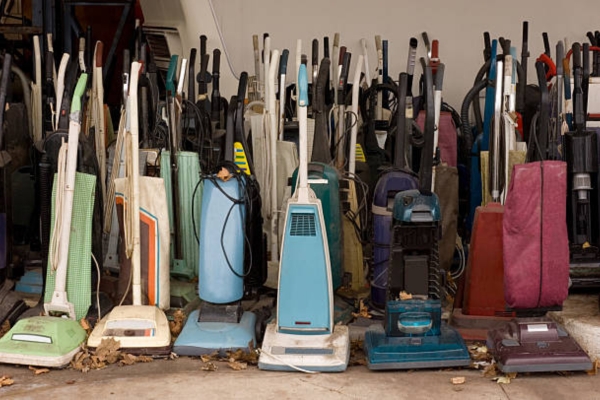
Knowing the options for how to recycle old vacuum cleaner can save you time and hassle. The availability of recycling points can vary by location, so a little research goes a long way.
- Local Municipal Recycling Centers: Many cities and counties operate household hazardous waste (HHW) or e-waste collection sites. These facilities are specifically designed to handle electronics, and your old vacuum cleaner often falls into this category. Check your local municipality's website for specific drop-off locations, hours, and any fees.
- Retail Take-Back Programs: Major electronics retailers, like Best Buy, often have recycling programs for a wide range of electronics, sometimes including vacuum cleaners. These programs are incredibly convenient, and they handle the proper disposal of various materials. I've personally used these programs for everything from old computers to small kitchen appliances.
- Specialized Electronics Recyclers: There are private companies dedicated solely to recycling electronics. You can often find them through online searches for "e-waste recycling near me." These recyclers are experts in dismantling and recovering materials from complex devices.
- Donation Centers (If Functional): If your vacuum cleaner is still in good working order but you're upgrading, consider donating it to a local charity, thrift store, or school. Many organizations are happy to accept functional appliances. This isn't technically "recycling," but it’s an excellent form of reuse.
- Junk Removal Services: As a last resort, if you have multiple large items to dispose of, a junk removal service might be an option. However, be sure to confirm that they responsibly recycle the items they collect, rather than just taking them to a landfill.
Step-by-Step Guide: How to Recycle Old Vacuum Cleaner
Let’s put it all together. Here’s a simple, actionable guide on how to recycle old vacuum cleaner:
- Assess Its Condition: First, determine if your vacuum is truly at the end of its life. Can it be repaired? Could someone else use it? If yes, consider repair or donation first.
- Clean and Prepare: As discussed earlier, unplug it, empty the bag/canister, and clean out debris.
- Research Local Options: Use online search engines, your city’s waste management website, or call your local public works department. Ask specifically about e-waste or small appliance recycling. Look for programs that explicitly state how to recycle old vacuum cleaner models.
- Transport or Schedule Pickup: Once you’ve identified a suitable recycling point, either transport the vacuum there yourself or inquire about curbside pickup services, if available in your area.

Beyond Recycling: Reusing and Repurposing Old Vacuums
While knowing how to recycle old vacuum cleaner parts is important, sometimes the best option isn't recycling but rather extending its life or giving it a new purpose.
- Donation: If your vacuum is still working but you’re simply upgrading, local charities, schools, or even friends and family might appreciate a functional appliance. This prevents waste and helps someone in need.
- Parts for Repairs: For the mechanically inclined, an old vacuum could serve as a source of spare parts for a similar model that just needs a motor, a new hose, or a specific attachment. I once saved a friend a significant amount by swapping a working motor from an old, discarded vacuum into his newer model that had a burnt-out one.
- Creative Repurposing: Think outside the box! Some people convert old canister vacuums into shop vacs with better filtration or even use parts for art projects. While these are niche ideas, they highlight the potential for creative reuse before considering how to recycle old vacuum cleaner components.

Common Hurdles in Recycling Vacuum Cleaners
Despite the clear benefits, there are often obstacles when people try to understand how to recycle old vacuum cleaner units.
- Lack of Awareness: Many individuals simply don't know that vacuum cleaners are recyclable or where to take them. This is a common challenge for all forms of e-waste.
- Inconvenience of Drop-off: Dedicated e-waste facilities might be out of the way, or have limited operating hours, making it less convenient than simply throwing it in the trash.
- Costs for Specialized Recycling: While many municipal programs are free, some specialized recyclers or junk removal services might charge a fee, which can deter people.
- Varied Local Regulations: What's accepted in one county might not be in another, leading to confusion about how to recycle old vacuum cleaner appliances.
Frequently Asked Questions
What parts of a vacuum cleaner can be recycled?
Most components of a vacuum cleaner, including its plastic casing, metal motor parts, wires, and electronic circuit boards, are recyclable through specialized e-waste programs. The dust bag, however, should be disposed of in regular trash.
Can I put my old vacuum cleaner in my curbside recycling bin?
Generally, no. Vacuum cleaners are considered e-waste and typically contain a mix of materials that require specialized processing. Always check with your local municipal recycling program for specific guidelines, as curbside programs rarely accept them.
Do appliance stores take back old vacuum cleaners for recycling?
Yes, some major electronics and appliance retailers, such as Best Buy, offer take-back or recycling programs for old vacuum cleaners, often regardless of where you purchased them. It's always a good idea to call ahead to confirm their current policy.
Is it safe to dismantle a vacuum cleaner myself before recycling?
While you can remove the dust bag or canister and clean obvious debris, extensive dismantling isn't usually necessary or recommended. Specialized e-waste facilities have the equipment and expertise to safely separate materials, especially electronic components, which can contain small amounts of hazardous substances.
What are the environmental benefits of recycling an old vacuum cleaner?
Recycling an old vacuum cleaner reduces landfill waste, conserves natural resources by recovering plastics and metals, and prevents potential soil and water contamination from harmful chemicals found in electronic components. It supports a circular economy and reduces the demand for new raw materials.
Conclusion
Successfully navigating how to recycle old vacuum cleaner components is a small but significant step towards a more sustainable lifestyle. By taking the time to prepare your old vacuum and locate the appropriate recycling or donation centers, you're not just decluttering your home; you're actively contributing to environmental conservation and responsible waste management. Let's make a conscious choice to dispose of our appliances thoughtfully, ensuring that even our household helpers get a second life through recycling. Ready to make a difference? Explore your local recycling options today!