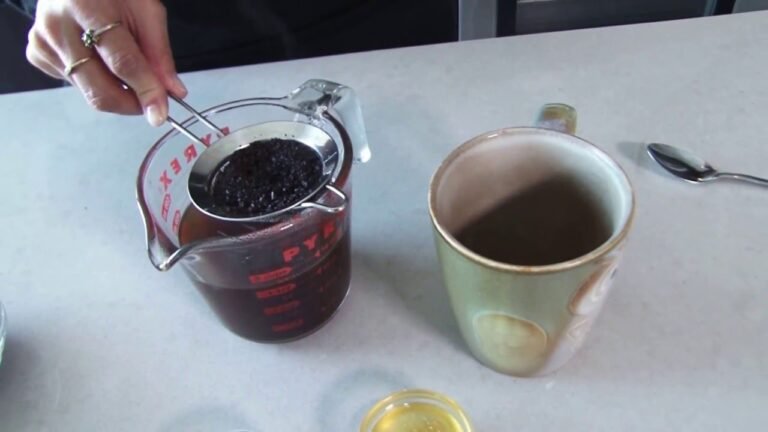
To clean a brass and glass coffee table, use gentle cleaners like vinegar for glass and a lemon-baking soda paste for brass, polishing with soft cloths.
A brass and glass coffee table is more than just a piece of furniture; it's often a statement, adding a touch of elegance and vintage charm to any living space. However, maintaining its pristine condition can feel a bit daunting. As someone who has spent years perfecting the art of home care, I can assure you that bringing back that gleaming shine to both the delicate glass surface and the often-temperamental brass frame is entirely achievable. This guide will walk you through the precise steps and techniques, drawing on tried-and-true methods to ensure your cherished coffee table not only looks spectacular but also retains its beauty for years to come. You'll gain the confidence to make your brass and glass coffee table a sparkling centerpiece once more.
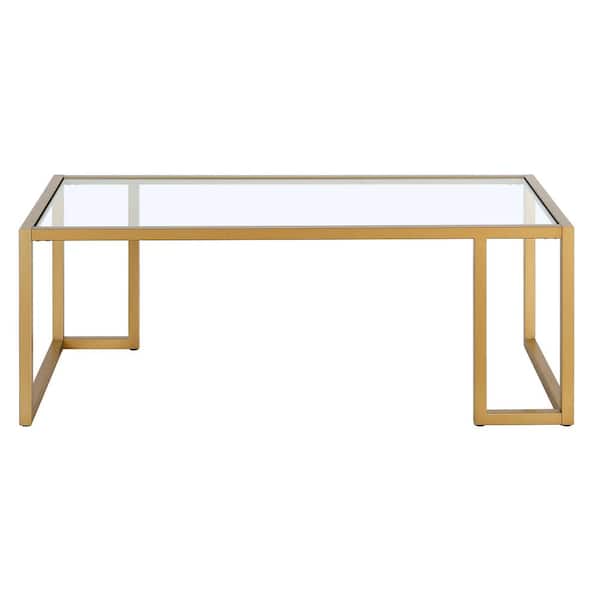
Understanding Your Brass and Glass Coffee Table
Before we dive into the cleaning process, let's take a moment to understand the unique characteristics of your brass and glass coffee table. The combination of materials presents distinct challenges: glass is prone to streaks and fingerprints, while brass can develop tarnish, fingerprints, and dullness over time. Understanding these material behaviors is the first step in effective cleaning. Regular cleaning is crucial not just for aesthetics but also for preserving the integrity of both materials, preventing stubborn buildup on the glass and deep tarnish on the brass that can become much harder to remove later. From my own experience, ignoring a growing film on glass or a developing patina on brass for too long often leads to a much more intensive cleaning session down the line, and sometimes even a dull finish if not handled with care.

Gathering Your Cleaning Arsenal
Having the right tools and cleaning solutions on hand makes all the difference when you're ready to clean a brass and glass coffee table. Think of it like a chef preparing their mise en place – everything you need, precisely where you need it. For the glass, you'll want high-quality microfiber cloths, which are excellent for achieving a streak-free shine. For the brass components, a different set of supplies is required to safely remove tarnish and restore luster without causing damage.
Here's a list of essential items:
- For Glass:
- Two clean microfiber cloths (one for applying, one for buffing dry).
- Spray bottle.
- Distilled white vinegar or a reputable, ammonia-free glass cleaner.
- Warm water.
- Rubbing alcohol (optional, for stubborn spots).
- For Brass:
- Several soft, clean cloths or cotton pads (old t-shirts work great!).
- Gentle dish soap.
- Warm water.
- Lemon juice and baking soda (for a natural paste).
- White vinegar and salt (another natural option).
- Commercial brass polish (ensure it's suitable for unlacquered brass if yours is, or choose a polish safe for lacquered brass).
- Cotton swabs (for intricate areas).
When choosing your tools, always prioritize soft materials to avoid scratches, especially on the glass. For brass, it's vital to avoid abrasive scrubbers or harsh chemical cleaners that can strip away finishes or cause irreparable damage. I once learned this the hard way with an antique brass lamp, where a too-strong cleaner left permanent discoloration. Always go for the gentlest option first.

Step-by-Step Guide to Cleaning the Glass Top
Cleaning the glass top of your coffee table to a sparkling, streak-free finish might seem tricky, but with the right technique, it's surprisingly simple. The goal is to lift dirt and grime without leaving behind any residue that could cause streaks.
- Dust First: Begin by gently wiping down the glass surface with a dry microfiber cloth or a feather duster. This removes any loose dust, crumbs, or pet hair, preventing them from turning into muddy streaks when you introduce liquid.
- Prepare Your Cleaning Solution: For an excellent, natural glass cleaner, mix equal parts distilled white vinegar and warm water in a spray bottle. If you prefer a commercial cleaner, opt for an ammonia-free product to protect any surrounding materials.
- Spray Sparingly: Lightly mist the glass surface with your chosen cleaner. Avoid oversaturating, as too much liquid can lead to drips and streaks.
- Wipe and Polish: Using one clean microfiber cloth, wipe the glass in an S-pattern or from top to bottom, ensuring you cover the entire surface. This motion helps to pick up dirt efficiently.
- Buff for Shine: Immediately follow up with a second, dry microfiber cloth. Buff the glass until it's completely dry and sparkling, removing any lingering moisture or streaks. For exceptionally stubborn spots or fingerprints, a dab of rubbing alcohol on a cotton pad can work wonders, followed by a quick re-polish with your dry cloth. I've found this two-cloth method to be the most reliable for achieving that pristine, invisible glass look every time.
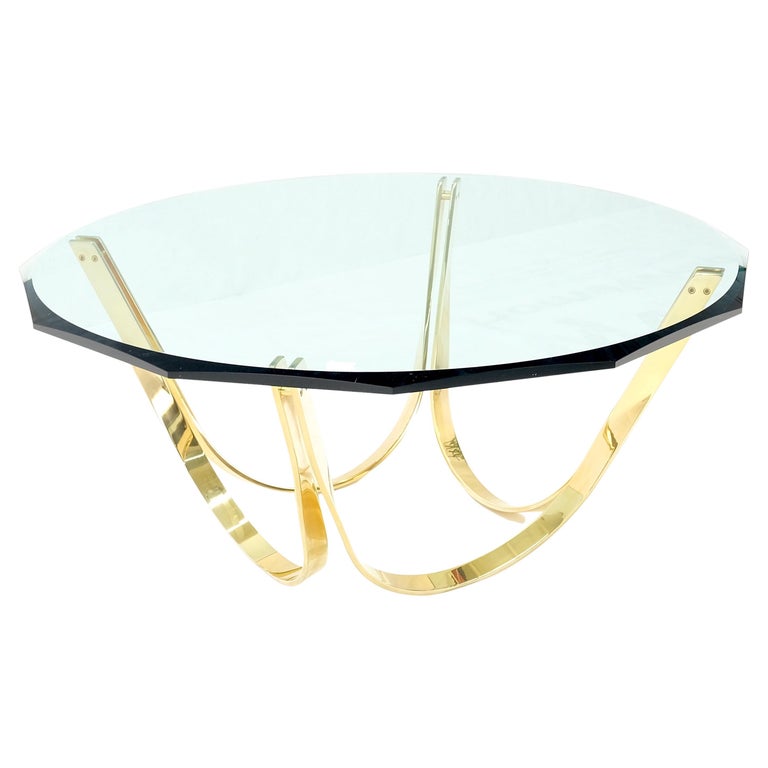
Mastering Brass Cleaning: A Gentle Touch
Cleaning the brass frame of your coffee table requires a bit more care and attention than the glass. Brass can be unlacquered (which will tarnish naturally) or lacquered (which has a protective coating). Most vintage brass and glass coffee tables will likely have unlacquered brass, making gentle cleaning methods crucial.
Initial Wipe-Down
Start by wiping down the entire brass frame with a soft, dry cloth to remove any dust or loose dirt. This prevents scratching the surface when you introduce cleaning solutions. For slightly grimy brass, a cloth dampened with warm water and a tiny drop of mild dish soap can do the trick, ensuring you dry it thoroughly afterward.
Tackling Tarnish on Brass
Tarnish is brass's natural enemy, dulling its beautiful golden sheen. Here's how to combat it, starting with gentle, natural methods.
- Natural Remedies:
- Lemon and Baking Soda Paste: Mix the juice of half a lemon with a tablespoon of baking soda to form a thick paste. Apply this paste to the tarnished areas of your brass and glass coffee table with a soft cloth. Let it sit for a few minutes (5-10 minutes is usually sufficient), then gently rub with the cloth. Rinse thoroughly with warm water and dry immediately with a clean, soft cloth.
- Vinegar and Salt: Another effective natural method is to create a paste using white vinegar and salt. Apply it similarly to the lemon and baking soda paste. This combination works wonders on tougher tarnish. I've personally used the lemon and baking soda method to restore a particularly tarnished antique brass frame, and the results were truly impressive – it went from dull brown to a warm golden glow.
- Commercial Brass Polish: For heavier tarnish or if natural remedies aren't quite cutting it, a commercial brass polish can be very effective. Always choose a polish specifically designed for brass. Apply it according to the product instructions, usually with a soft cloth, rubbing gently in small sections. Remember to rinse well and dry completely after use. If your brass is lacquered, you'll need a polish specifically for lacquered brass, or just warm soapy water, as traditional brass polish can damage the lacquer.
Buffing and Protecting Brass
Once the brass is clean and dry, take a clean, dry cloth and buff the surface to a brilliant shine. Use circular motions to enhance the luster. To help protect the brass from tarnishing quickly, you can apply a thin layer of car wax or a specialized brass lacquer, especially if it’s an unlacquered piece. This creates a protective barrier that delays the oxidation process, keeping your brass and glass coffee table looking its best for longer. However, if you appreciate the natural patina that develops over time, you can skip this step.
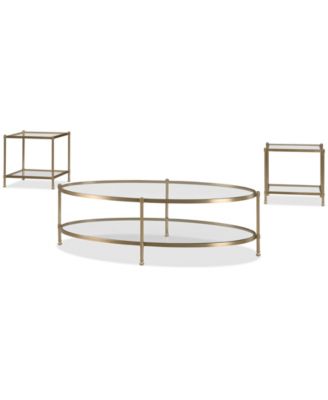
Common Mistakes to Avoid When Cleaning Brass and Glass Coffee Tables
Cleaning your brass and glass coffee table can bring it back to life, but making certain mistakes can unintentionally damage your cherished piece. It's important to be aware of these pitfalls to ensure you're cleaning effectively and safely.
- Using Abrasive Cleaners or Tools: Never use steel wool, abrasive scouring pads, or harsh chemical cleaners on either the glass or brass. These can cause irreversible scratches on the glass and strip the finish or protective lacquer from the brass.
- Mixing Cleaners: Avoid mixing different cleaning products, especially those containing ammonia (often in glass cleaners) with other chemicals like bleach. This can create dangerous fumes or damage your table's surfaces.
- Ignoring the Frame: While the glass might be the immediate focus, neglecting the brass frame can lead to severe tarnish buildup. Make sure to give both components equal attention when you clean a brass and glass coffee table.
- Over-Polishing Brass: While regular cleaning is good, over-polishing with abrasive polishes can wear down the brass over time. Use polishes sparingly and only when necessary to remove tarnish, relying on gentle wipes for regular maintenance.
- Leaving Moisture on Brass: Brass can water spot or tarnish more quickly if left wet. Always dry the brass thoroughly immediately after cleaning. Trust me, I once left a brass sculpture to air dry after a quick rinse, only to find new water marks that were almost as stubborn as the tarnish I’d just removed!

Maintaining Your Coffee Table's Luster
The key to a long-lasting, beautiful brass and glass coffee table is consistent, gentle maintenance. While deep cleaning sessions are necessary every so often, simple daily and weekly habits can significantly reduce the effort required to keep it sparkling.
- Regular Dusting: Make it a habit to dust your entire coffee table, both the glass and brass, a few times a week with a dry microfiber cloth. This prevents dust and grime from settling and becoming harder to remove later.
- Use Coasters: Protect the glass from water rings, heat marks, and scratches by always using coasters for drinks. This simple step prevents one of the most common causes of glass damage.
- Address Spills Immediately: Spills on either the glass or brass should be wiped up as soon as they occur. Acidic liquids like coffee, soda, or wine can etch glass and accelerate tarnish on brass if left to sit.
- Gentle Wipes: For minor smudges or fingerprints on the glass, a quick wipe with a clean, dry microfiber cloth is often enough. For brass, a quick buff with a soft cloth can remove light fingerprints and restore shine. Following these simple maintenance tips for your brass and glass coffee table will save you considerable time and effort compared to waiting for significant buildup to occur.
Frequently Asked Questions of How to Clean a Brass and Glass Coffee Table?
How often should I clean my brass and glass coffee table?
For general tidiness, wipe down the glass daily and dust the brass weekly. A thorough cleaning of both the glass and brass, including addressing tarnish, should be done every 1-3 months, depending on use and exposure.
Can I use Windex on the brass parts?
No, it's generally not recommended to use Windex or other ammonia-based glass cleaners directly on brass. Ammonia can be too harsh for brass, potentially stripping its finish or accelerating tarnishing, especially on unlacquered pieces.
What's the difference between brass polish and brass cleaner?
Brass polish typically contains mild abrasives designed to remove tarnish and buff the surface to a shine. Brass cleaner often focuses on dissolving dirt and grime without the polishing agents, sometimes also containing anti-tarnish properties.
How do I protect brass from tarnishing quickly?
To protect unlacquered brass, ensure it's kept dry and consider applying a thin coat of car wax or a specialized brass lacquer after cleaning. This creates a barrier against air and moisture, slowing down the oxidation process.
My glass has stubborn water spots; how can I remove them?
For stubborn water spots, try a solution of equal parts white vinegar and water, or a specialized hard water stain remover. Apply with a microfiber cloth, let it sit for a moment, then scrub gently and buff dry.
Conclusion
Bringing back the sparkle to your brass and glass coffee table is a rewarding endeavor that significantly enhances your living space. By understanding the unique needs of each material and employing the gentle yet effective cleaning techniques we've discussed, you're well-equipped to tackle any grime or tarnish. From preparing your cleaning supplies to mastering the art of streak-free glass and gleaming brass, you now have a comprehensive guide to keep your table looking its absolute best. Don't let the fear of intricate cleaning stop you from enjoying your beautiful piece; embrace these methods, and you'll find that maintaining your brass and glass coffee table is a surprisingly satisfying task. Start today, and experience the joy of a truly radiant centerpiece. If you found these tips helpful, consider sharing your own experiences or asking further questions in the comments below – let's keep our cherished pieces shining brightly!