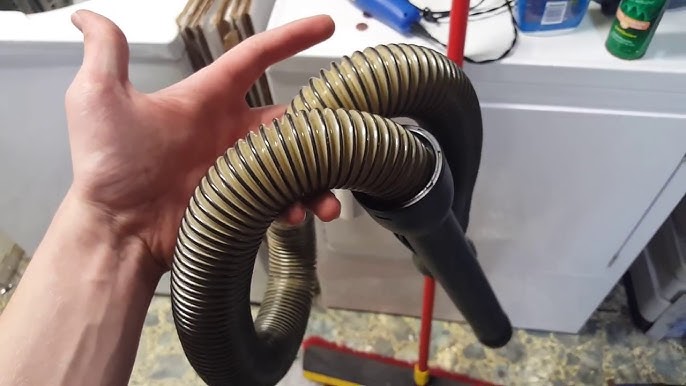
To effectively clean a vacuum cleaner hose, you should first disconnect it, visually inspect for clogs, use a broom handle or specialized brush to dislodge debris, and then thoroughly rinse and dry it.
Keeping your home sparkling clean often involves a reliable vacuum cleaner, but what happens when that trusty machine starts losing its suction power? More often than not, the culprit isn't a dying motor or a full bag, but a clogged or dirty vacuum cleaner hose. As someone who has dealt with countless vacuum cleaner issues over the years, from my own home to helping friends battle pet hair monsters, I can tell you that knowing how to clean a vacuum cleaner hose is a game-changer for maintaining optimal performance and extending the life of your appliance. It's a simple task that makes a huge difference, and I'm here to walk you through exactly how to tackle it with ease and expertise.

Why a Clean Vacuum Hose Matters
A clean vacuum cleaner hose is more than just aesthetically pleasing; it's fundamental to your vacuum's performance and the overall cleanliness of your home. Think of the hose as the main artery of your vacuum. If it's congested, everything else suffers. When debris, pet hair, dust, and even small toys get lodged inside, the airflow is restricted, leading to a significant drop in suction power. This means you’re not picking up as much dirt, and you're spending more time and effort trying to clean.
Beyond performance, a clean hose contributes to the longevity of your vacuum. When the hose is clogged, the motor works harder to compensate for the restricted airflow, leading to overheating and potential damage over time. From a health perspective, a dirty hose can harbor mold, mildew, and bacteria, releasing unpleasant odors and allergens back into your home's air, which nobody wants. Regular maintenance, including knowing how to clean your vacuum cleaner hose, is key to a healthier, happier home.
Signs Your Vacuum Hose Needs Cleaning
Sometimes, the signs your vacuum hose needs cleaning are obvious, and other times, they are a bit more subtle. Having dealt with my fair share of vacuum woes, I’ve learned to spot these indicators quickly. The most common sign is a noticeable loss of suction. If your vacuum isn't picking up dirt and debris like it used to, or if you find yourself going over the same spot multiple times, a clogged hose is a likely suspect.
Another tell-tale sign is unusual noises. A vacuum that’s struggling with a blockage might make a high-pitched whine or a straining sound as the motor works harder. You might also visibly see debris stuck in the transparent sections of some hoses. Lastly, if your vacuum emits an unpleasant, musty, or stale odor while running, it’s a strong indication that trapped dirt, food particles, or pet dander within the hose are decomposing and need to be cleaned out. These are all clear signals that it's time to learn how to clean a vacuum cleaner hose thoroughly.

Gather Your Tools and Supplies
Before you dive into cleaning, it's essential to have the right tools and supplies on hand. This will make the process much smoother and more effective. From my experience, trying to clean a vacuum cleaner hose without the proper equipment can be frustrating and less successful.
Here’s a simple checklist of what you'll need:
- Protective Gloves: To keep your hands clean and protect them from dust and grime.
- Long Brush or Hose Cleaning Kit: Specialized brushes designed for vacuum hoses, or even a chimney brush for smaller applications, work wonders.
- Broom Handle or Sturdy Rod: For pushing through stubborn clogs. Ensure it's not sharp or abrasive.
- Bucket of Warm Water: For rinsing and soaking.
- Dish Soap or Mild Detergent: To break down grease and grime.
- Baking Soda or White Vinegar: Excellent for deodorizing and tackling mold.
- Old Towels or Rags: For drying and protecting your workspace.
- Shop-Vac (Optional): If you have one, it can be incredibly useful for sucking out loose clogs.
Having these items ready will ensure you're fully equipped to tackle the task of how to clean your vacuum cleaner hose effectively.

Step-by-Step Guide: How to Clean a Vacuum Cleaner Hose
Learning how to clean a vacuum cleaner hose is a straightforward process, but taking it step-by-step ensures you do it thoroughly and safely. I've used this method countless times, and it consistently delivers excellent results.
- Disconnect the Hose from the Vacuum: First and foremost, ensure your vacuum cleaner is unplugged. Safety first! Carefully detach the hose from both ends of the vacuum – usually from the main unit and any attachments. This might involve pressing release buttons or twisting sections.
- Visually Inspect for Visible Clogs: Hold the hose up to a light source. Can you see any large obstructions like socks, paper, or clumps of pet hair? Sometimes the blockage is obvious and near one of the openings.
- Loosen Debris (Shaking and Tapping): With the hose detached, try shaking and gently tapping it against a hard surface. Sometimes, loose debris will simply fall out. You might be surprised by what comes tumbling free!
- Use a Long Brush or Snake: This is where the specialized tools come in handy. Insert a long, flexible brush or a plumber's snake (or even a straightened wire hanger if you're careful) into one end of the hose. Push and twist it gently, working your way through the entire length to dislodge any stuck-on dirt or hair. Repeat from the other end if necessary.
- Rinse with Water (If Safe for Your Model): Most modern vacuum hoses are safe to rinse with water, but always double-check your vacuum's manual first. If it's safe, run warm water mixed with a few drops of dish soap through the hose in a sink or tub. You can let it soak for 10-15 minutes for tougher grime.
- Deal with Odors (Baking Soda/Vinegar): If odors persist after rinsing, create a solution of equal parts white vinegar and water, or a paste of baking soda and water. Pour or spread it through the hose, let it sit for about 30 minutes, and then rinse thoroughly.
- Thoroughly Dry the Hose: This step is crucial. Hang the hose vertically (perhaps over a shower rod or clothesline) to allow all water to drain out. You can also aim a fan at it to speed up the process. Never reattach the hose if it’s still wet, as this can lead to mold growth and damage to your vacuum. Let it air dry completely, which might take several hours or even overnight.
- Reassemble the Vacuum: Once the hose is bone dry, carefully reattach it to your vacuum cleaner. Test it out, and you should notice a significant improvement in suction and performance.
Following these steps will ensure you successfully how to clean a vacuum cleaner hose and restore your vacuum to its full potential.

Dealing with Stubborn Clogs
Sometimes, no matter how much shaking or brushing you do, a clog just won't budge. I've encountered my share of these stubborn blockages, usually caused by a combination of pet hair, dust, and something slightly larger that got sucked up. When you're trying to how to clean a vacuum cleaner hose and hit a wall, don't despair!
For really tough clogs, try this:
- Use a Broom Handle: Find a thin broom handle or a sturdy, non-sharp rod. Carefully push it through the hose from one end to the other. Apply steady, gentle pressure rather than brute force to avoid damaging the hose.
- Shop-Vac Power: If you have access to a shop-vac, this can be incredibly effective. Attach your shop-vac hose to one end of the clogged vacuum hose and turn it on. The powerful suction can often pull out even deeply lodged debris.
- Disassemble Further: For some vacuum models, the hose might be made of multiple sections or have removable cuffs. Check your user manual to see if you can safely disassemble it further to access the clog directly.
If, after all these attempts, the clog remains, or if you notice any tears or damage to the hose, it might be time to consider professional repair or, more often, a replacement hose. A damaged hose will only lead to recurring suction problems, making your efforts to how to clean a vacuum cleaner hose futile.

Preventative Maintenance Tips
Knowing how to clean a vacuum cleaner hose is one thing, but preventing future clogs is just as important. Over the years, I've found that a few simple habits can drastically reduce the frequency of needing a deep clean and keep your vacuum running smoothly.
- Regular Checks: Before each use, quickly scan the hose for any visible obstructions or large items near the opening. A quick glance can save you a lot of hassle later.
- Avoid Vacuuming Certain Items: Be mindful of what you're vacuuming. Avoid large pieces of debris, string, shoelaces, coins, or excessively wet items. These are notorious for causing blockages and damaging the vacuum.
- Empty Canister/Bag Frequently: A full dustbin or bag reduces airflow and makes your vacuum work harder, increasing the likelihood of clogs forming in the hose. Empty it before it gets completely full.
- Pre-Clean Larger Debris: If you see large crumbs or hairballs on the floor, pick them up manually before vacuuming. This reduces the strain on your vacuum and prevents large items from getting stuck in the hose.
- Trim Pet Hair from Brushes: For pet owners, pet hair can quickly build up in the brush roll and eventually work its way into the hose. Regularly trim and remove pet hair wrapped around the brush roll.
By incorporating these preventative measures, you'll find that the task of how to clean a vacuum cleaner hose becomes a much less frequent necessity, allowing your vacuum to perform at its best, day in and day out.
Frequently Asked Questions
How often should I clean my vacuum hose?
It's a good practice to visually inspect your vacuum hose monthly. A deep clean, like the one described, should be performed whenever you notice a significant drop in suction, unusual noises, or bad odors coming from your vacuum.
Can I put my vacuum hose in the dishwasher?
No, it's generally not recommended to put your vacuum hose in the dishwasher. The high heat and harsh detergents can damage the plastic and rubber components, leading to cracks or reduced flexibility.
What if I can't remove the clog?
If you've tried all methods and the clog remains, or if the hose appears damaged, it's best to contact the manufacturer's customer service or consider purchasing a replacement hose. Forcing a stubborn clog can damage the hose further.
How do I get rid of bad smells from my vacuum hose?
After physically removing debris, rinse the hose with a solution of warm water and dish soap. For persistent odors, follow up with a rinse of equal parts white vinegar and water, or a baking soda paste, allowing it to sit before a final rinse and thorough drying.
Is it safe to use water on all vacuum hoses?
While most modern vacuum hoses are designed to withstand water rinsing, always check your specific vacuum cleaner's user manual first. Some older or specialized models might not be compatible with water and could be damaged.
Conclusion
Taking the time to understand how to clean a vacuum cleaner hose is a small effort that yields significant rewards, from improved suction and a cleaner home to extending the life of your appliance. It's an act of basic maintenance that often gets overlooked but is crucial for peak performance. By following the detailed steps and preventative tips we've covered, you're not just cleaning a part of your vacuum; you're investing in the efficiency and longevity of your entire cleaning routine. Don't let a clogged hose diminish your vacuum's potential. Roll up your sleeves, tackle that grime, and enjoy the satisfaction of a vacuum that performs like new. Share your own vacuum cleaning tips in the comments below, or explore our other guides on maintaining a spotless home!