Store beans airtight in an opaque container, cool and dry, away from light.
If you care about taste, learning how to store an open bag of coffee beans is the easiest way to brew better cups at home. I’ve tested many methods in cafes and at home, and I’ll show you how to store an open bag of coffee beans so it stays fresh, fragrant, and consistent day after day.

Why freshness drops fast after you open the bag
The moment you open coffee, air rushes in and starts oxidation. Oxygen breaks down delicate aromatics, which dulls sweetness and body. Light and heat also speed this process.
Freshly roasted beans release CO2 for days. That gas protects flavors at first. As it fades, staling speeds up. Moisture is another risk. Coffee is like a sponge. It pulls in humidity and odors from the air and nearby foods.
Good storage slows all this down. Keep out air, light, heat, and moisture. Do this, and you get stable bloom, crema, and flavor clarity all week.

The core method: How to Store an Open Bag of Coffee Beans
Follow this simple routine. It works for most homes and offices.
- Keep beans in their high‑barrier bag if it has a one‑way valve. Squeeze out extra air, fold the top tight, and clamp it.
- Place that bag inside an airtight, opaque canister or jar. The double layer gives better protection.
- Store in a cool, dark cabinet away from the oven, dishwasher, or sunny windows.
- Open the container fast, take what you need, then close it right away.
- Grind only what you will brew. Grounds stale much faster than whole beans.
If your bag is thin or lacks a valve, move the beans to a tight, opaque container the same day you open them. This is the most reliable way to handle how to store an open bag of coffee beans for peak results.
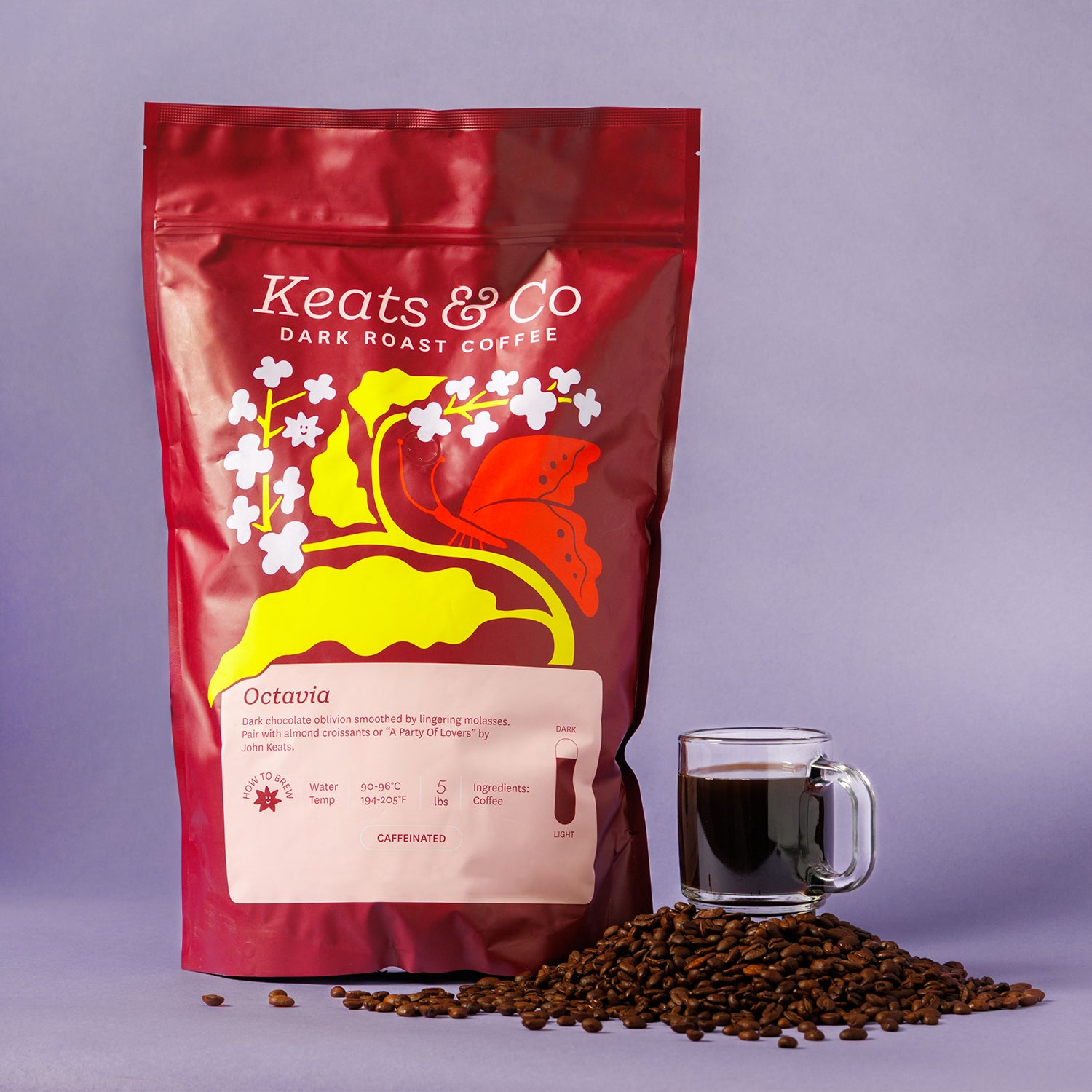
Picking the right container
The container matters. Small details change taste by the end of the week.
- Opaque, airtight canisters are best. They block light and reduce oxygen. Many coffee canisters use food‑safe silicone seals to keep air out.
- Vacuum canisters help, but use them with care. Very fresh beans release gas, which can loosen the seal. Vent before resealing. For week‑two beans, a vacuum canister can slow staling.
- Glass jars work if they are tinted or stored in the dark. Clear glass on a counter is risky because of light.
- Keep headspace small. Use the smallest container that fits the beans. Less air means slower oxidation.
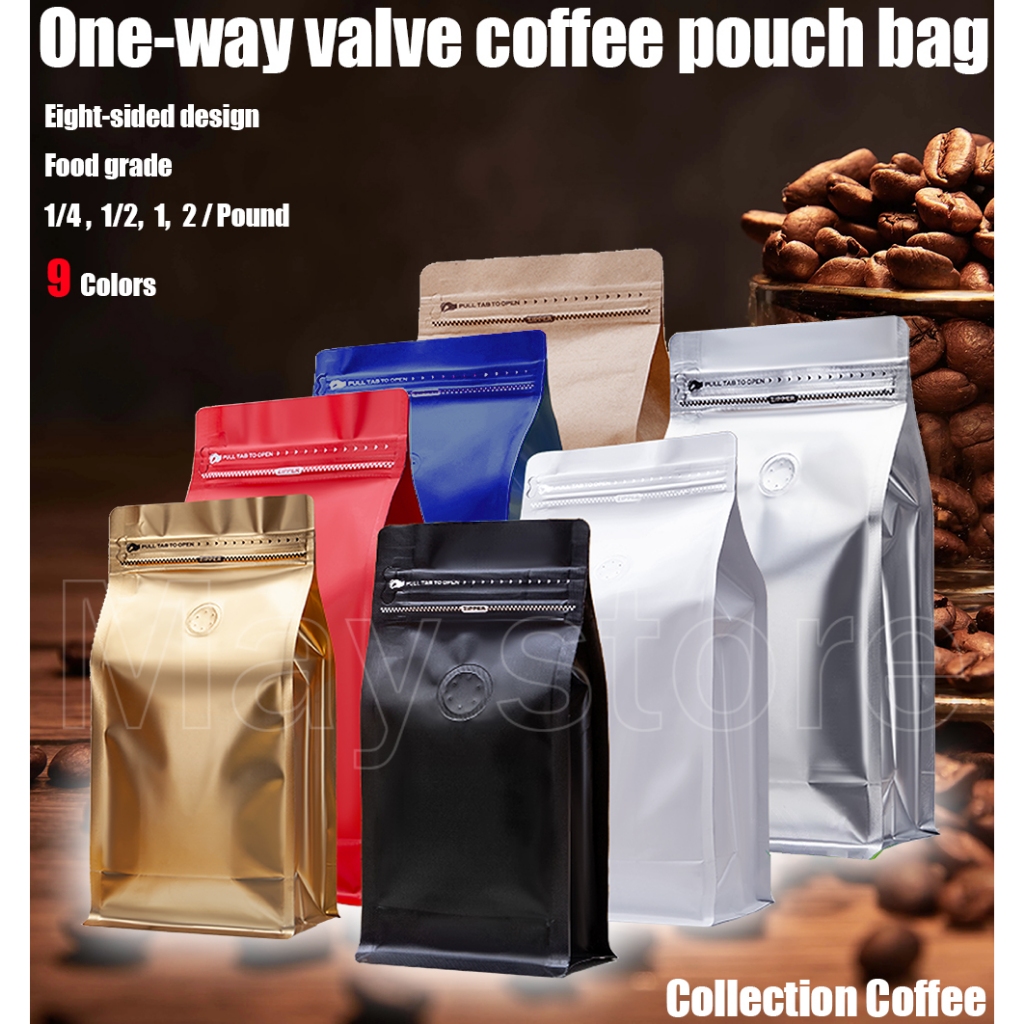
- Original valve bags are fine if they are thick and lined. Fold tight and clip. Then place in a second container for extra protection.
I’ve tested these side by side. After five days, the opaque, airtight setup had a stronger aroma and more stable bloom than clear jars or loose bags. This is why the best answer to how to store an open bag of coffee beans is to combine a good bag with a tight, opaque container.

Where to put your beans at home
Location is a big deal. Heat doubles staling speed as temperature rises. Keep it cool and steady.
- Use a dark pantry or lower cabinet away from the stove.
- Avoid the fridge. Condensation forms when you take beans in and out. Beans also absorb odors from cheese, onions, and leftovers.
- Avoid warm, bright spots like window sills or shelves above appliances.
When friends ask me how to store an open bag of coffee beans without buying gear, I tell them to use the original bag, fold and clamp it, then stash it in a cool, dark cabinet. Simple and effective.

Freezing beans the right way
Freezing can lock in flavor if you do it right. Many coffee pros and lab tests agree. The trick is to prevent moisture and odor transfer.
- Divide beans into small, one‑brew portions. About 20–25 grams per bag works for most pour overs.
- Use airtight, freezer‑safe bags. Double‑bag or vacuum‑seal for best results.
- Freeze fast. Keep the door closed to limit temp swings.
- Thaw in the bag at room temp before opening. This stops condensation from forming on the beans.
- You can refreeze portions if they stayed sealed. If opened, do not refreeze.
If you want a month of fresh cups, freezing is the best answer to how to store an open bag of coffee beans when you cannot use it in a week.

How long your coffee beans last after opening
Roast level, roast date, and storage all matter. Here is a simple guide.
- Light to medium roasts stay bright for 1–3 weeks at room temperature in airtight storage.
- Dark roasts can taste best in the first 7–14 days because oils oxidize faster.
- In the freezer, sealed portions can hold flavor for 2–3 months or more.
I plan around a one‑week window for my daily beans. For the rest, I freeze. That balance has given me steady cups and less waste. It is a very practical take on how to store an open bag of coffee beans with a busy schedule.
:max_bytes(150000):strip_icc()/sea-coffee-canisters-lead-afton-cyrus-01-8f20d82f70ef40a1b79e6aa9ee25f627.jpeg)
Signs your beans have gone stale
Trust your senses. Stale beans show clear clues.
- Aroma fades fast. The bag smells flat or papery.
- The bloom is weak. Grounds do not puff up when water hits.
- Espresso crema thins and dissipates fast. Shots run sharp or hollow.
- Flavors lose sweetness and finish. You taste more bitter or woody notes.
If you spot these signs, refresh your stock and review how to store an open bag of coffee beans to prevent a repeat.

Common mistakes to avoid
Small missteps add up. Skip these and keep your coffee happy.
- Leaving bags open on the counter. Air and light are the fastest way to dull flavor.
- Storing next to spices or cleaning products. Beans grab odors with ease.
- Using a giant container that is half empty. Too much air speeds oxidation.
- Keeping beans in the fridge. Moisture and smells will win.
- Grinding days in advance. Grounds stale many times faster than whole beans.
Every one of these hurts freshness. Fix them, and you will master how to store an open bag of coffee beans with confidence.
My tested routine for home and office
At home, I buy 12‑ounce bags with roast dates. I open one bag, push out air, fold and clamp, then drop it into an opaque canister. I keep it in a cool cabinet. I grind right before brewing. Cups stay lively all week.
For the office, I portion 3–4 single‑brew packs and freeze the rest. Each morning, I pull one pack, let it warm while I boil water, then open and grind. Flavor stays fresh and repeatable. This is my real‑world proof that simple steps solve how to store an open bag of coffee beans without fuss.
Frequently Asked Questions of How to Store an Open Bag of Coffee Beans?
Should I keep coffee in the fridge?
No. The fridge creates condensation when you take beans in and out. Beans also absorb odors from nearby food, which hurts flavor.
Is freezing whole beans safe for flavor?
Yes, if you pack them airtight and portion them. Thaw sealed portions before opening to avoid moisture on the beans.
Are vacuum canisters worth it?
They help by reducing oxygen. They work best after the first few days post‑roast, once degassing slows.
How much coffee should I store at room temperature?
Keep only what you will drink in 7–10 days. Freeze the rest in sealed, single‑brew portions to lock in freshness.
Do clear glass jars ruin coffee?
They can if exposed to light. If you use glass, pick tinted glass or keep it in a dark cabinet.
Can I store beans in the original bag?
Yes, if it is a thick, lined bag with a one‑way valve. Push out air, fold tight, clamp, and place in an airtight canister.
Conclusion
Great coffee starts with great storage. Keep air, light, heat, and moisture away, and your beans will taste sweet and clean for days. Use a tight, opaque container, stash it in a cool cabinet, and freeze the extras in small, sealed portions.
Put one or two of these tips to work today. Then taste the difference in your next cup. Want more guides like this? Subscribe, share your results, or drop a question in the comments.