A bagless vacuum cleaner pulls air and dust in, spins debris out, and traps fine particles with filters.
Curious about How Does a Bagless Vacuum Cleaner Work? You’re in the right place. I test, tear down, and maintain floor-care machines for a living. In this guide, I’ll explain How Does a Bagless Vacuum Cleaner Work in plain language. You’ll see the airflow path, the role of cyclones and filters, and smart tips to keep suction strong for years.
What Is a Bagless Vacuum Cleaner?
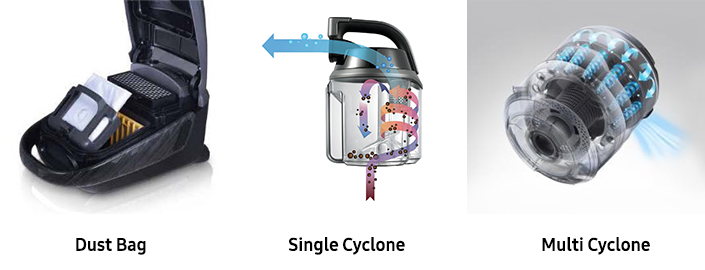
A bagless vacuum cleaner stores dust in a reusable bin rather than a disposable bag. It uses airflow, cyclonic separation, and filters to keep dirt in the bin and clean air going out. Many models add multi-cyclone arrays and HEPA filters for better capture of tiny particles.
If you’ve ever wondered How Does a Bagless Vacuum Cleaner Work without a bag, the secret is the cyclone and filter stack that replace the bag’s job of separating dust from air.
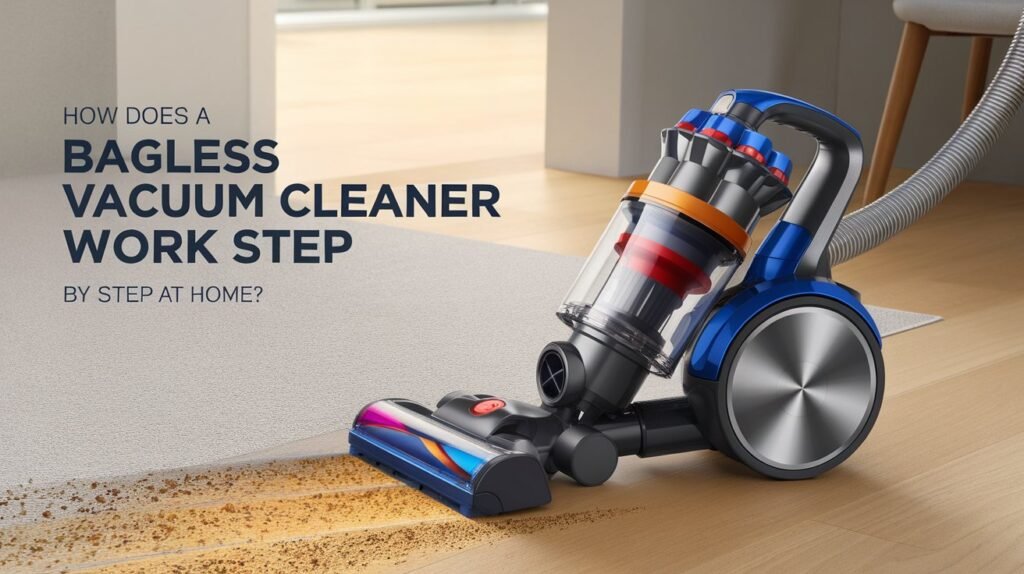
How Does a Bagless Vacuum Cleaner Work, Step by Step
Here is the basic sequence most units follow:
- Air intake: The brush head or nozzle lifts debris as the motor creates suction.
- Primary separation: Air spirals in a cyclone chamber where heavy dirt and hair drop into the bin.
- Pre-motor filtration: A foam or fabric filter catches medium particles to protect the motor.
- Post-motor filtration: A fine filter, often HEPA, captures tiny particles before air returns to your room.
- Sealed exhaust: Gaskets help keep unfiltered air from leaking out.
That’s the short path. How Does a Bagless Vacuum Cleaner Work at peak performance? It depends on airtight seals, clean filters, and steady airflow from floor to exhaust.
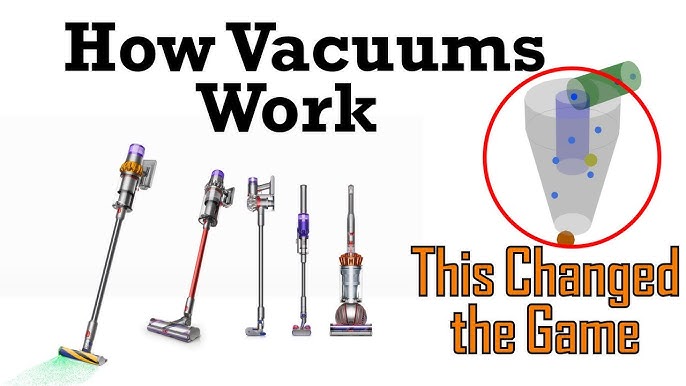
Cyclonic Separation Explained
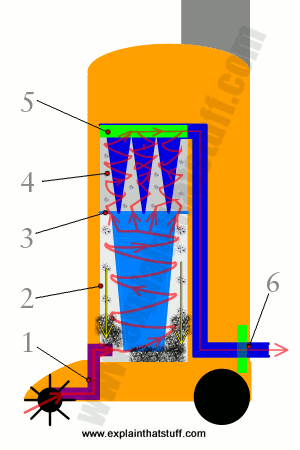
Think of swirling tea leaves in a cup. As the liquid spins, leaves move to the edges. A cyclone does the same with dust. The motor drives air into a cone or cylinder at high speed. Centrifugal force flings heavy particles outward against the walls. Gravity drops them into the dustbin.
Many high-end bagless units use multiple small cyclones. These create stronger localized spin to strip out fine dust before it reaches the filters. This design keeps filters cleaner for longer and helps maintain suction as the bin fills.
Filtration Stages and HEPA Performance
Filters do the precision work after the cyclone removes the big stuff. Expect at least two stages:
- Pre-motor filter: Often foam and mesh. It protects the motor from dust buildup.
- Post-motor filter: Often HEPA. It traps very fine particles.
HEPA is a standard, not a buzzword. A true HEPA filter captures 99.97% of particles at 0.3 microns, the most difficult size to trap. Look for sealed systems with rubber gaskets. Without a sealed path, air can bypass the filter. Industry tests for particle capture and airflow include EN 1822 for HEPA media and ASTM-style methods for vacuum performance.
If you ask, How Does a Bagless Vacuum Cleaner Work to reduce allergens, the answer is cyclone plus sealed HEPA. Both matter.

Components and Airflow Path
A quick map of parts helps you see the airflow:
- Brush head: Agitates carpet and lifts debris. On hard floors, soft rollers help grab fine dust.
- Wand and hose: Directs airflow. Bends or blockages reduce suction.
- Cyclone assembly: Spins air to separate dust and hair.
- Dustbin: Holds debris. Clear walls help you see fill level.
- Pre-motor filter: Foam or felt. Often washable.
- Motor and impeller: Create suction and airflow. Power and efficiency vary.
- Post-motor (HEPA) filter: Cleans air before exhaust.
- Seals and gaskets: Prevent leaks that kill suction.
When you picture How Does a Bagless Vacuum Cleaner Work from end to end, it’s one clean tunnel: floor to cyclone to filters to exhaust.

Maintenance, Cleaning, and Best Practices
I learned this the hard way on a client job. Suction dropped mid-clean. The fix was simple: wash the pre-motor filter and clear a wad of dog hair in the wand. Since then, I follow this routine:
- Empty the bin at the max line or sooner. A packed bin hurts airflow.
- Tap or wash the pre-motor filter every 1–3 months, as the manual says.
- Replace the HEPA filter on schedule. Some are washable, others are not.
- Check for clogs in the hose, wand, and floor head. A wooden skewer helps.
- Cut hair off the brush roll. Tangled hair strains the motor and burns belts.
If you want reliable results and wonder How Does a Bagless Vacuum Cleaner Work best over time, clean filters and clear paths are the secret.
Pros, Cons, and When to Choose Bagless vs Bagged
Benefits:
- No ongoing bag costs. You see what you pick up.
- Steady suction with good cyclones and clean filters.
- Fast bin emptying and easy clump removal.
Limitations:
- More hands-on maintenance. Filters need care.
- Dust exposure when emptying the bin.
- Some models lose suction as fine dust clogs filters.
Choose bagless if you want low running costs and do not mind quick, regular filter care. Choose bagged if you have strong dust allergies or want low-contact disposal.

Troubleshooting and Common Issues
- Loss of suction: Empty the bin, wash the pre-motor filter, and check for blockages.
- Fine dust blowback: Replace the HEPA filter and confirm seals are seated.
- Overheating or auto-shutoff: A clog or dirty filter reduces cooling airflow. Clear and cool down.
- Odors: Wash filters if allowed. Clean the bin with mild soap and dry fully. Add a pinch of baking soda to the bin.
- Brush roll not spinning: Clear hair, check the belt or clutch, and test for jam protection.
When I get calls about How Does a Bagless Vacuum Cleaner Work but “not like it used to,” nine times out of ten it’s a filter or a clog.
Buying Guide and Key Specs That Matter
If you are shopping and asking How Does a Bagless Vacuum Cleaner Work in your home, match specs to your floors:
- Airflow and suction: Look for air watts or CFM. Higher is better, but seal quality matters.
- Filtration: True HEPA with a sealed system is best for allergies.
- Bin capacity: Larger bins help in pet homes and big spaces.
- Weight and maneuverability: Lighter uprights or stick vacs are easier on stairs.
- Brush roll type: Soft rollers for hard floors. Stiff bristles for carpet. Tangle-free designs help with pets.
- Noise: Many run at 70–80 dB. Quieter is nicer in small homes.
- Battery and runtime (cordless): Aim for 30–60 minutes on eco modes. Check removable packs.
- Attachments: Crevice tool, dusting brush, motorized mini head for pet hair on sofas.
- Warranty and parts: Filters, belts, and batteries should be easy to buy.
Try before you buy if you can. Listen for air leaks and feel for strong, even pick-up.
Energy Use, Noise, and Safety
Most corded bagless models use 600–1200 watts under load. Cordless units rely on efficient brushless motors and high-capacity lithium-ion packs. Suction depends more on airflow path and seals than raw wattage.
Use your vacuum safely:
- Do not pick up hot ash, wet plaster, or liquids unless rated for them.
- Keep cords clear of the brush head.
- Empty the bin outdoors if you have allergies.
- Store batteries away from heat. Let filters dry 24 hours after washing to avoid mold.
If you still wonder How Does a Bagless Vacuum Cleaner Work quietly and safely, remember: clean filters lower motor strain and noise.
Frequently Asked Questions of How Does a Bagless Vacuum Cleaner Work
Is cyclonic separation better than a bag?
Cyclones keep larger dust out of filters, so suction lasts longer between cleanings. A good bag, though, can also keep strong airflow if it’s designed to breathe well.
How often should I wash the filters?
Check monthly and wash every 1–3 months, or as the manual says. If you vacuum fine dust or have pets, clean more often.
Can a bagless vacuum be HEPA certified?
Yes, if it has a true HEPA filter and a sealed system. Look for clear labeling and test standards on the box.
Why does my vacuum smell musty?
Wet filters or a dusty bin cause odors. Wash parts you can, dry fully, and replace the HEPA if smells persist.
What clogs a bagless vacuum the most?
Long hair, pet fur, and fine drywall or plaster dust. Clear the brush roll, wand, and hose, and avoid large debris that can wedge in bends.
Does a full bin reduce suction?
Yes. When the bin hits the max line, airflow slows and separation suffers. Empty early for steady performance.
Are multi-cyclone models worth it?
Often yes, because they protect filters better. That means more stable suction and fewer wash cycles.
Conclusion
Now you know How Does a Bagless Vacuum Cleaner Work from nozzle to exhaust: air in, cyclone spin, filters, and clean air out. Keep the path clear and the filters fresh, and your machine will feel powerful for years.
Take action today. Empty the bin, wash that pre-motor filter, and check for clogs. If you’re shopping, use the checklist above to match a model to your floors. Want more how-tos and picks? Subscribe for updates or drop your questions in the comments.