
Ounce for ounce, espresso is stronger; by the cup, drip coffee has more.
Curious about how much buzz you get from each brew? You’re in the right place. I’ve spent years making and testing shots, pour-overs, and cold brew. In this guide on Caffeine in Espresso vs Coffee, I’ll break down the real numbers, the science, and the tricks baristas use. You’ll learn what hits harder, what lasts longer, and how to choose the best cup for your day.
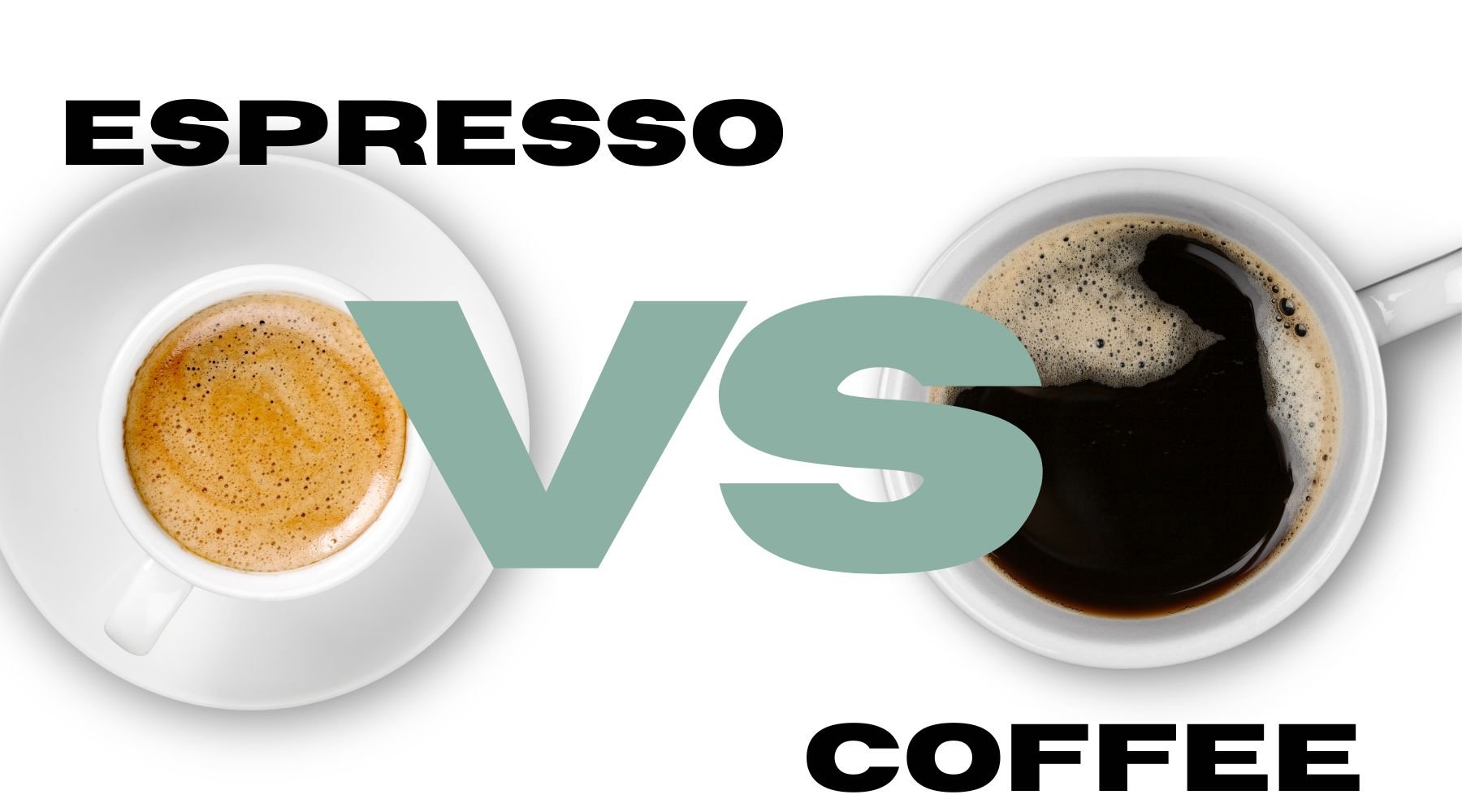
Caffeine in Espresso vs Coffee at a glance
Caffeine in Espresso vs Coffee comes down to serving size. Espresso is dense. Coffee is larger in volume. So the winner changes with how much you drink.
Typical ranges per serving:
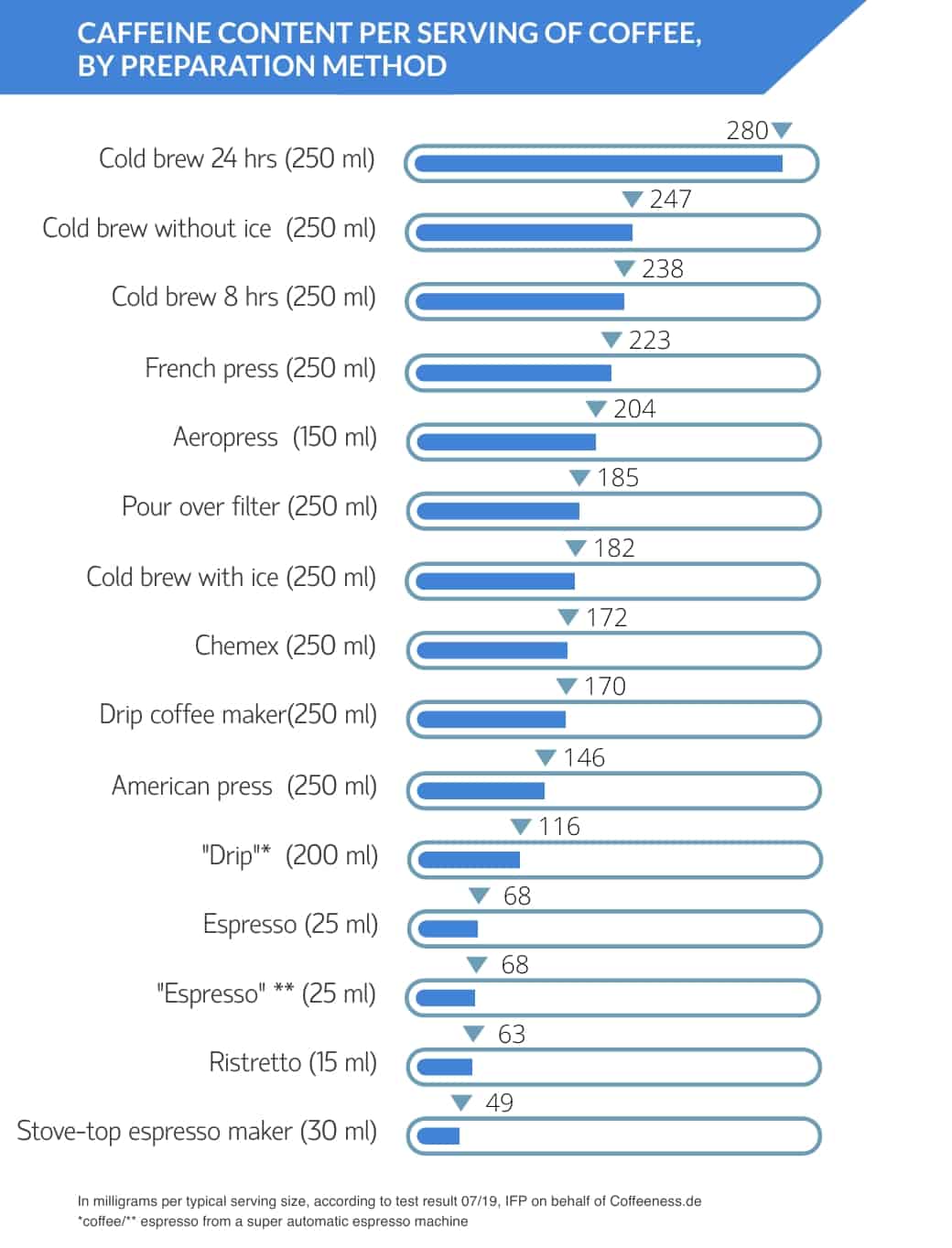
- Espresso single shot, 1 ounce: about 40 to 75 mg
- Espresso double shot, 2 ounces: about 80 to 150 mg
- Drip coffee, 8 ounces: about 80 to 120 mg
- Drip coffee, 12 ounces: about 120 to 180 mg
- Cold brew, 12 ounces (ready to drink): about 150 to 250 mg
- Instant coffee, 8 ounces: about 60 to 90 mg
- Decaf coffee, 8 ounces: about 2 to 7 mg
- Decaf espresso, 1 ounce: about 0 to 15 mg
Two key truths:
- Per ounce, espresso is stronger.
- Per cup, coffee often has more caffeine.
These figures come from lab tests and industry data. The spread is wide. Beans, roast, dose, and brew style all change the final number. If you need steady focus, this Caffeine in Espresso vs Coffee guide will help you plan your intake with care.
What “caffeine” means in your cup
Caffeine is a natural compound in coffee beans. It wakes up your brain by blocking adenosine. That is the signal that makes you feel sleepy. It peaks in your blood in 30 to 60 minutes. It can last for hours.
Espresso uses pressure to pull flavor and caffeine fast. Drip and pour-over use more water and time. So they pull more total caffeine into the cup.
Milk does not change caffeine. A latte or cappuccino has the same caffeine as the shots in it. A 12-ounce latte with one double shot has the caffeine of that double shot.
Robusta beans have about twice the caffeine of Arabica. Some espresso blends use Robusta for extra crema and punch. That bumps the caffeine up. When we compare Caffeine in Espresso vs Coffee, bean type and blend matter a lot.
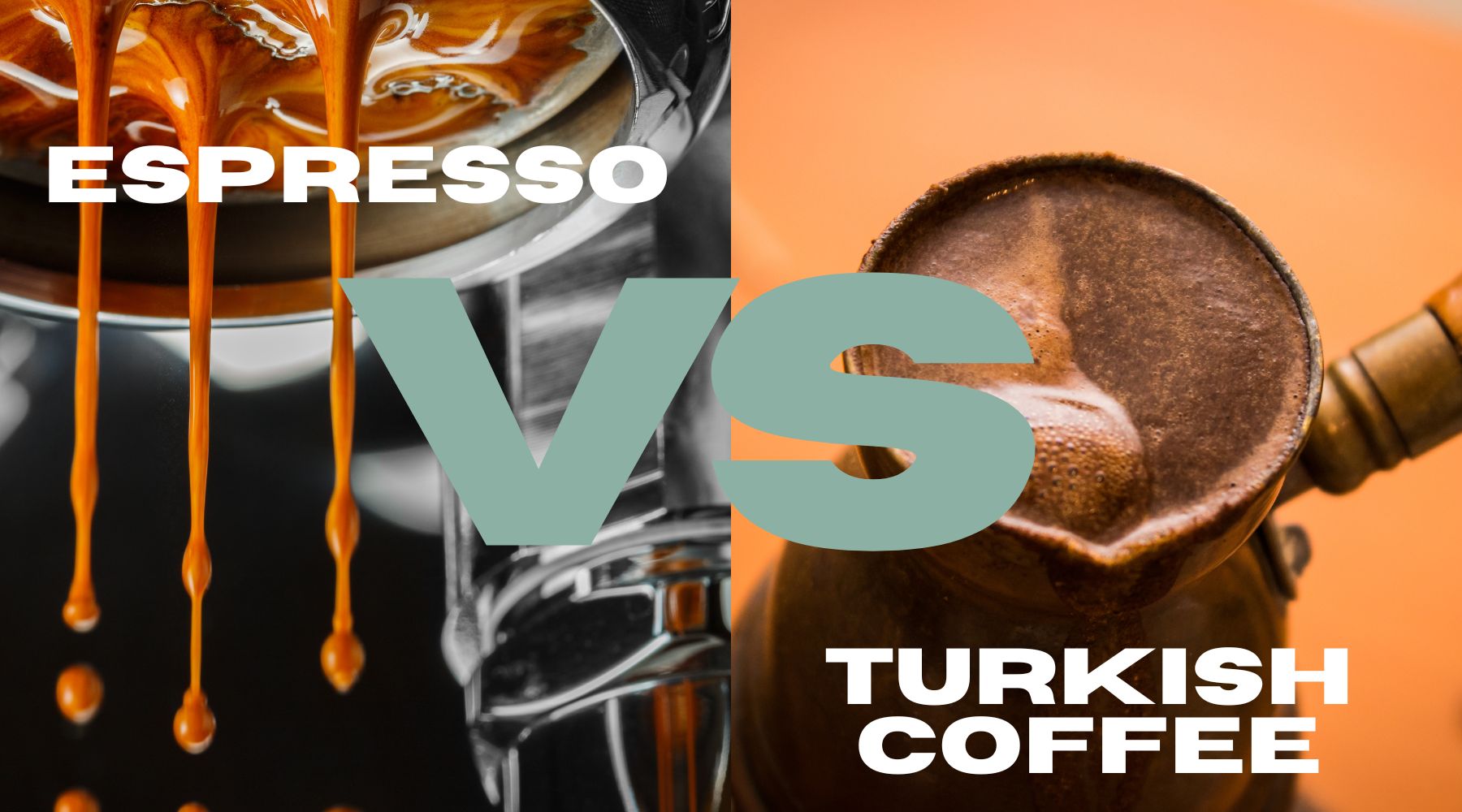
What changes caffeine levels
Brew method is only the start. Small tweaks shift the result. Here are the big ones that move the needle in Caffeine in Espresso vs Coffee.
Dose and brew ratio
More ground coffee in the basket or filter means more caffeine. Many cafes pull a “double” with 16 to 20 grams of coffee. Home machines sometimes use less. If you use 18 grams instead of 14, you will feel the jump.
Grind size and contact time
A finer grind extracts faster. Longer brew time also extracts more. Espresso runs short but fine. Drip runs longer but coarse. Both can pull plenty of caffeine. If your pour-over drags on, expect a stronger cup.
Water temperature
Hotter water extracts more. Most brews do well near 195 to 205°F. If the water is too cool, you may get less caffeine and a flat taste.
Roast level
Light vs dark roast changes flavor more than caffeine. Roast does not “burn off” much caffeine. But scoop vs weight can trick you. Dark beans are larger and lighter per scoop. If you scoop by volume, you may get less mass and a bit less caffeine.
Bean species and blend
Arabica is smooth and common. Robusta is bold and higher in caffeine. A blend with Robusta will boost caffeine, shot for shot.
Serving size illusions
This is the heart of Caffeine in Espresso vs Coffee. A small, strong shot feels intense. A big mug can have far more total caffeine. A 16-ounce drip can top 200 mg. That is more than many double shots.
Cold brew specifics
Cold brew can be very strong. It often uses a high coffee-to-water ratio. Some shops dilute, others do not. Ask if it is concentrate or ready to drink. The difference can be huge.

Health, timing, and safety
Caffeine in Espresso vs Coffee is not only about numbers. It is also about how you feel over time. Most healthy adults can have up to 400 mg per day. Pregnancy limits are lower, often near 200 mg per day.
Caffeine peaks fast. It has a half-life of about 3 to 7 hours in most people. That means half stays in your system after that time. Some meds, hormones, and genes can slow or speed this up.
Good habits:
- Stop caffeine at least 8 hours before bed if you sleep light
- Drink water with your coffee
- Eat a snack if you feel jitters on an empty stomach
- Track your total from all sources, like tea, soda, and chocolate
Research links moderate coffee intake with some health perks. These include mood support and lower risk of some diseases. The dose and your own response matter. If you get anxiety or sleep loss, cut back and time your cups with care. This Caffeine in Espresso vs Coffee guide helps you choose the right brew and time window.
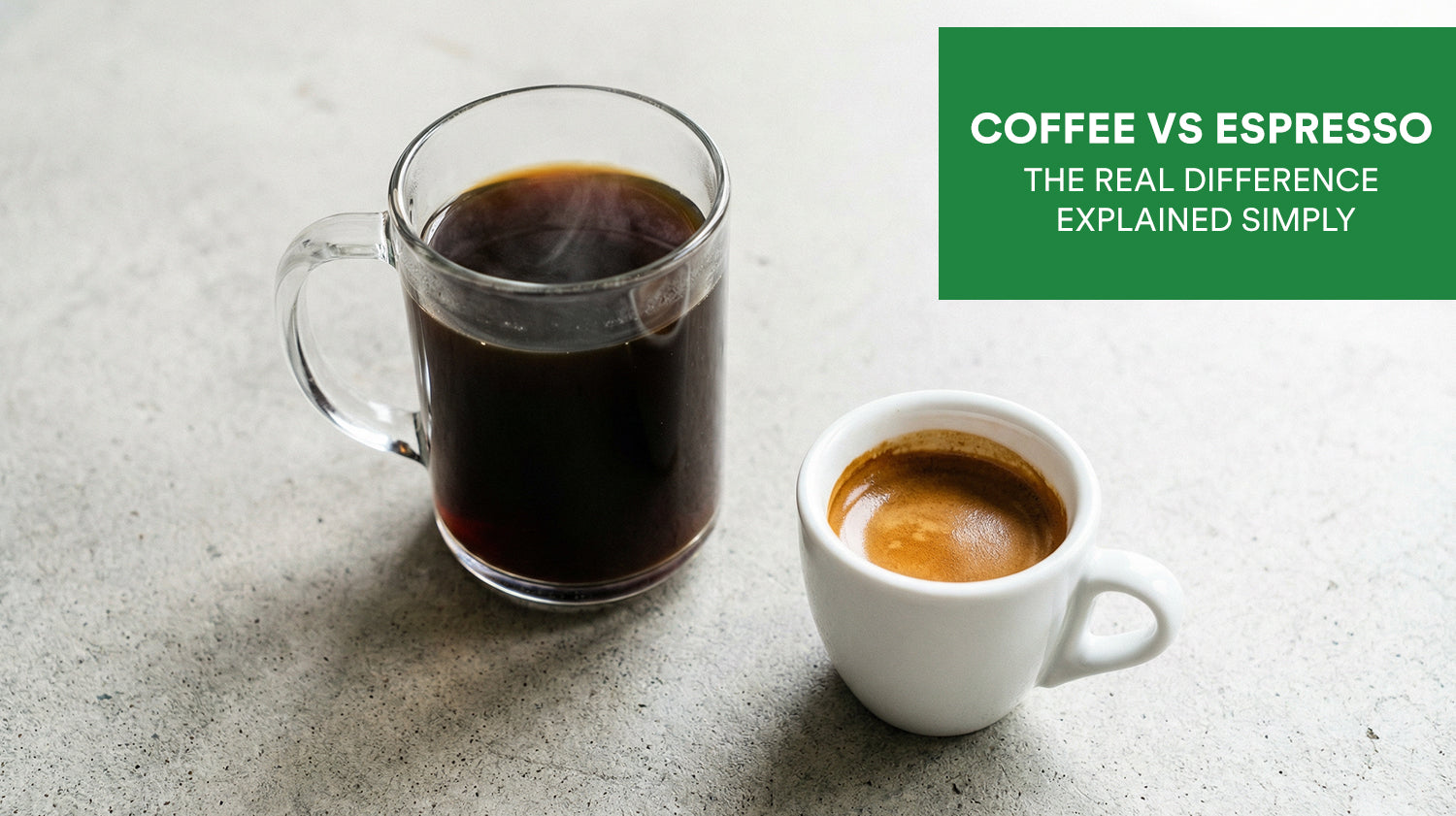
How to choose for your day
Pick the brew that fits your goal. Here is a simple plan built on Caffeine in Espresso vs Coffee data and daily life.
For a quick, small boost:
- One espresso or macchiato
- Hits fast, light on the stomach, easy to track
For steady focus at work:
- A 10 to 12-ounce drip or Americano
- Smoother rise, longer tail
For long study sessions:
- Split intake into small cups
- One small coffee each 2 to 3 hours beats one giant blast
For workouts:
- Aim for 2 to 3 mg per kg body weight, 45 minutes before
- A double shot or a 12-ounce coffee works for many people
For less caffeine with full flavor:
- Choose a half-caf blend
- Try a small pour-over of a light roast
For very low caffeine:
- Go decaf but note it is not zero
- A decaf espresso or decaf drip still has a few milligrams
Caffeine in Espresso vs Coffee is also about culture and joy. If you love a silky flat white, keep it. Just count the shots. If you love a big mug, choose a smaller size when you need to sleep well.

Barista notes and real-world lessons
I learned these tips while dialing in shots and brewing at home and in cafes. They make Caffeine in Espresso vs Coffee choices simple and real.
What worked:
- Weigh your dose. A 1 to 2 gram change can shift caffeine and taste.
- Log your drinks. Note time, size, and how you felt. Patterns jump out fast.
- Use consistent gear. A burr grinder and a good kettle help a lot.
Mistakes to avoid:
- Chasing strength by roasting darker. It hurts flavor more than it helps caffeine.
- Ignoring serving size. I once swapped a double espresso for a 16-ounce drip. I felt wired for hours.
- Drinking late. Even one extra shot at 4 p.m. wrecked my sleep.
Practical hacks:
- If a double shot feels too sharp, turn it into an Americano. Same caffeine, softer sip.
- If you want less, ask for a “single shot” in milk drinks. Many shops default to doubles.
- If cold brew hits too hard, ask if it is concentrate. Add water or ice to fit your needs.
These small moves make Caffeine in Espresso vs Coffee easy to live with. You get the buzz you want and the sleep you need.
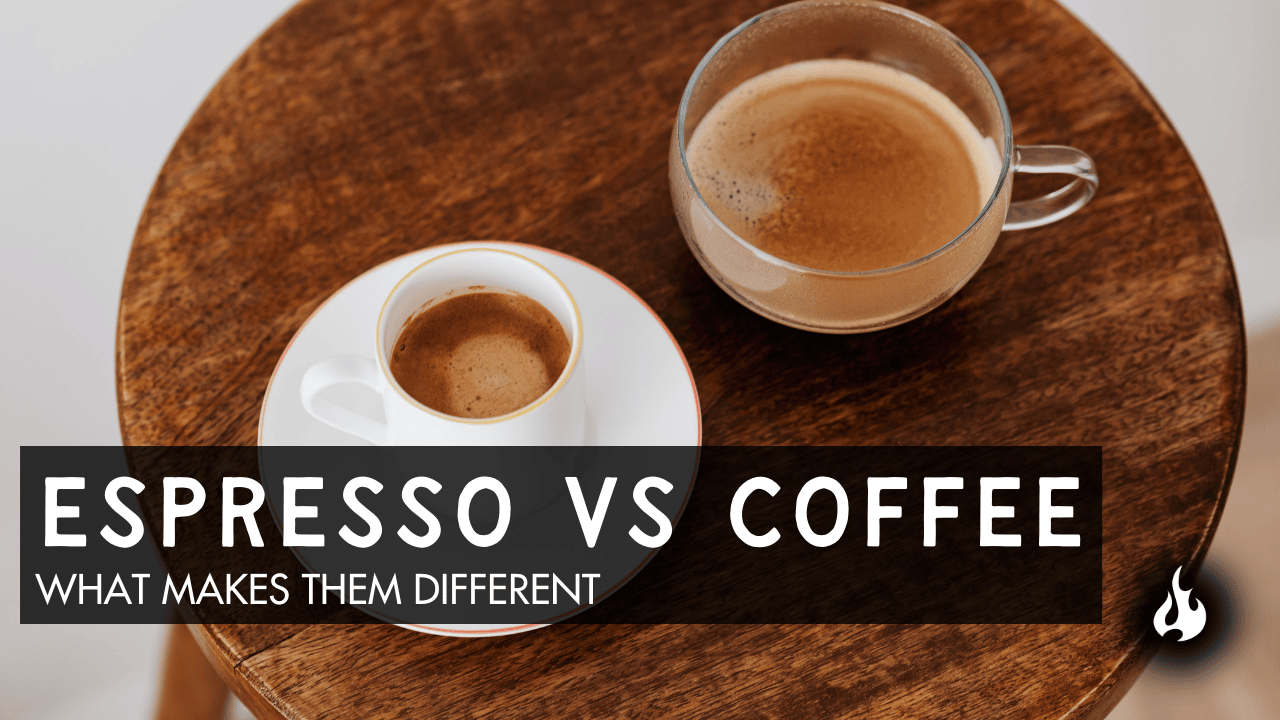
Frequently Asked Questions of Caffeine in Espresso vs Coffee
Which has more caffeine, espresso or coffee?
Per ounce, espresso has more. Per cup, drip coffee usually has more total caffeine due to volume.
How many espresso shots equal one cup of coffee?
About one to two shots equal an 8-ounce coffee. It depends on the dose and the brew strength.
Is cold brew stronger than espresso?
Per ounce, espresso is stronger. By the cup, many cold brews have more caffeine because the serving is larger.
Does roast level change the caffeine a lot?
Not much. Light and dark roasts have similar caffeine by weight. The difference comes from how much coffee you use.
Is decaf really caffeine-free?
No. Decaf still has a small amount. Expect a few milligrams per cup.
Do milk drinks like lattes have less caffeine?
No. Milk does not change caffeine. The number of shots sets the caffeine.
How long does caffeine last?
It peaks in 30 to 60 minutes. It can linger for 3 to 7 hours or more based on your body.
Conclusion
Espresso is compact and potent. Drip coffee is larger and often delivers more total caffeine. Cold brew can be the heavyweight by volume. The right pick in Caffeine in Espresso vs Coffee depends on your goal, your schedule, and how your body feels.
Use simple rules. Count your shots. Watch serving size. Time your last cup. Try small changes and note the result. You will find your sweet spot fast.
Want more guides like this on Caffeine in Espresso vs Coffee? Subscribe, share a comment with your go-to brew, and tell me what you want to learn next.
One Comment