Best methods: pour-over, French press, espresso, AeroPress, cold brew; each extracts differently.
If you are wondering what are the best coffee brewing methods and their differences, you are in the right place. I have spent years brewing at home, in cafes, and at competitions. This guide on what are the best coffee brewing methods and their differences breaks down flavor, gear, time, and cost with clear steps and honest tips. By the end, you will know which method fits your taste, routine, and budget.

What Makes a Brewing Method “Best”?
Best is personal. It depends on taste, time, budget, and skill. Still, there are useful benchmarks that help you choose.
- Flavor profile. Do you want clarity and bright notes, or heavy body and deep sweetness?
- Body and mouthfeel. Clean and tea-like, or thick and creamy?
- Control. Do you want total control, or a set-and-forget routine?
- Speed and yield. One cup fast, or a big pot for guests?
- Cost and upkeep. Simple gear, or an espresso setup with a learning curve?
From my test kitchen, I learned this rule: pick a method that matches your day, not your dream day. That one choice leads to better cups more often. If you still ask what are the best coffee brewing methods and their differences, start with how you like to drink coffee and how much time you have.

The Best Coffee Brewing Methods and Their Differences
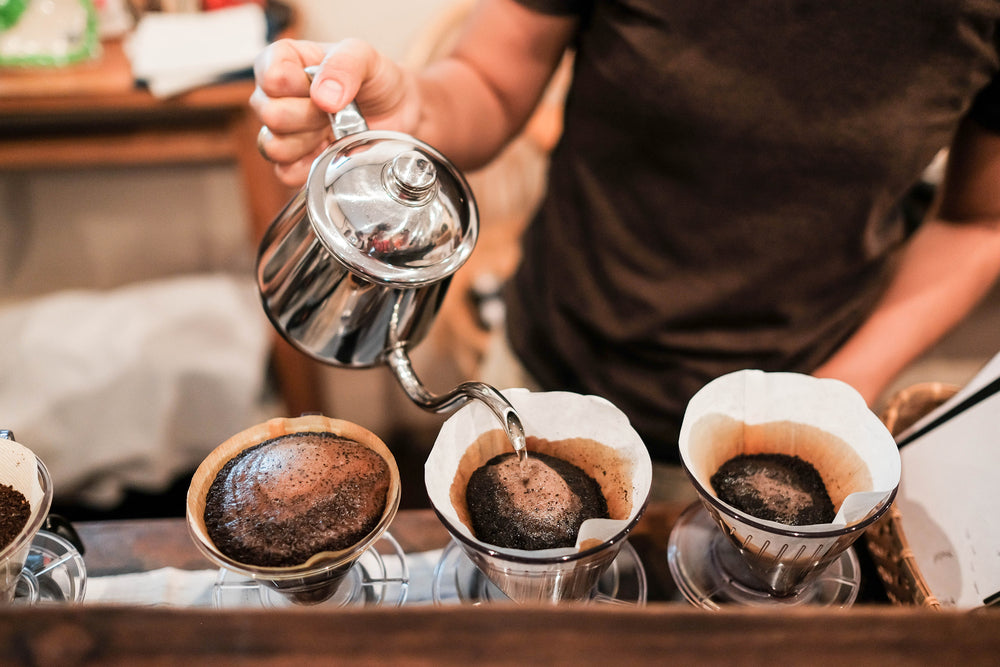
Pour-Over (V60, Kalita, Chemex)
- Taste. Clean, bright, and nuanced. Great for fruity or floral single origins.
- Grind. Medium-fine for V60, medium for Kalita, medium-coarse for Chemex.
- Ratio and time. 1:15–1:17 ratio, 2.5–4 minutes total.
- Water. 195–205°F. Use filtered water for best clarity.
- Tips. Rinse the filter. Bloom for 30–45 seconds. Pour in steady circles.
- Mistakes to avoid. Overly fine grind and fast pouring lead to bitterness and astringency.
Real-world note: When I judge pour-overs, the best cups show a clear flavor arc. First sip bright, middle sweet, finish clean.
French Press
- Taste. Full body, rich oils, strong aroma. Some sediment is normal.
- Grind. Coarse.
- Ratio and time. 1:12–1:15 ratio, 4 minutes steep.
- Water. 200°F. Stir gently, then plunge slowly.
- Tips. Skim the foam before plunging for a cleaner cup.
- Mistakes to avoid. Letting it sit too long turns sweet into bitter.
Espresso
- Taste. Intense, syrupy, complex. The base for lattes and cappuccinos.
- Grind. Very fine, with a high-quality grinder.
- Ratio and time. 1:2 brew ratio in 25–35 seconds.
- Water and pressure. About 200°F at 9 bars.
- Tips. Distribute and tamp evenly. Keep your puck dry after extraction.
- Mistakes to avoid. Channeling from poor prep ruins even great beans.
From years behind the bar, I learned that small changes matter most with espresso. A half-gram dose change or a one-second shot swing can flip the flavor.
AeroPress
- Taste. Versatile. Can be clean like pour-over or rich like espresso-style.
- Grind. Medium-fine for classic, medium for inverted.
- Ratio and time. 1:12–1:15 ratio, 1–2 minutes.
- Water. 175–205°F, depending on recipe.
- Tips. Try the inverted method for more body. Use paper filters for clarity.
- Mistakes to avoid. Pressing too fast can taste sharp.
Cold Brew
- Taste. Smooth, low acid, chocolatey. Great over ice or with milk.
- Grind. Coarse.
- Ratio and time. 1:5 for concentrate; 12–18 hours steep in the fridge.
- Water. Cold, filtered.
- Tips. Dilute concentrate 1:2 or to taste. Use dark or medium roast for body.
- Mistakes to avoid. Over-steeping creates woody, papery notes.
Moka Pot (Stovetop)
- Taste. Bold and roasty, between espresso and drip.
- Grind. Fine-medium, not as fine as espresso.
- Ratio and time. Fill the basket level; 3–5 minutes on low heat.
- Water. Preheat to reduce bitterness; stop early when it blondes.
- Tips. Do not tamp. Cool the base under water when done to halt extraction.
- Mistakes to avoid. High heat scorches coffee and ruins flavor.
Automatic Drip Coffee Maker
- Taste. Balanced and consistent with good machines and fresh beans.
- Grind. Medium.
- Ratio and time. 1:16 ratio, about 5–7 minutes.
- Water. Use a machine that hits 195–205°F and has an even spray head.
- Tips. Use a good filter. Clean monthly with a descaler.
- Mistakes to avoid. Cheap machines that brew too cool lead to flat cups.
Siphon (Vacuum Pot)
- Taste. Clean yet round, with great aroma. A showpiece brew.
- Grind. Medium.
- Ratio and time. 1:15–1:16 ratio, 1–1.5 minutes of immersion.
- Water. Near boiling with gentle heat control.
- Tips. Stir at the start and just before drawdown.
- Mistakes to avoid. Overheating causes thin body and harshness.
Turkish Coffee
- Taste. Strong, sweet if sugared, unfiltered texture.
- Grind. Extra fine, like powder.
- Ratio and time. About 1:10 ratio, 2–4 minutes to a foamy near-simmer.
- Tips. Do not boil. Let grounds settle before sipping.
If you need a quick compass for what are the best coffee brewing methods and their differences, match these: pour-over for clarity, French press for body, espresso for intensity, AeroPress for travel, cold brew for smooth iced, and drip for easy daily batches.
Variables That Change Flavor Regardless of Method
- Grind size. Finer means faster extraction and can turn bitter. Coarser slows it and can taste sour if too under-extracted.
- Brew ratio. Common range is 1:15–1:18 for filter coffee. Stronger cups use lower ratios.
- Water temperature. Aim for 195–205°F for most hot methods. Cooler water needs more time, like with cold brew.
- Water quality. Use filtered water at 75–150 ppm hardness for reliable clarity.
- Time and turbulence. Stirring, blooming, and pouring patterns shift extraction and mouthfeel.
- Roast level. Light roasts shine in pour-over. Medium roasts balance across methods. Dark roasts suit espresso and Moka.
Industry standards back these ranges. They help you reproduce results. This is central to what are the best coffee brewing methods and their differences, because the same bean will change across settings.

Practical Pairings: Which Method Fits Your Life
- Busy weekday routine. Automatic drip or AeroPress. Fast, repeatable, low mess.
- Weekend tasting. Pour-over or siphon. Slow down and taste the layers.
- Milk drinks. Espresso or strong Moka. Enough strength to punch through milk.
- Iced coffee. Cold brew for smooth, flash-brew pour-over for bright.
- Travel and office. AeroPress or a compact pour-over with a collapsible dripper.
- Big groups. Automatic drip or large Chemex.
If friends ask me what are the best coffee brewing methods and their differences, I start with this lifestyle map. The best method is the one you will use every day.
Budget and Gear Checklist
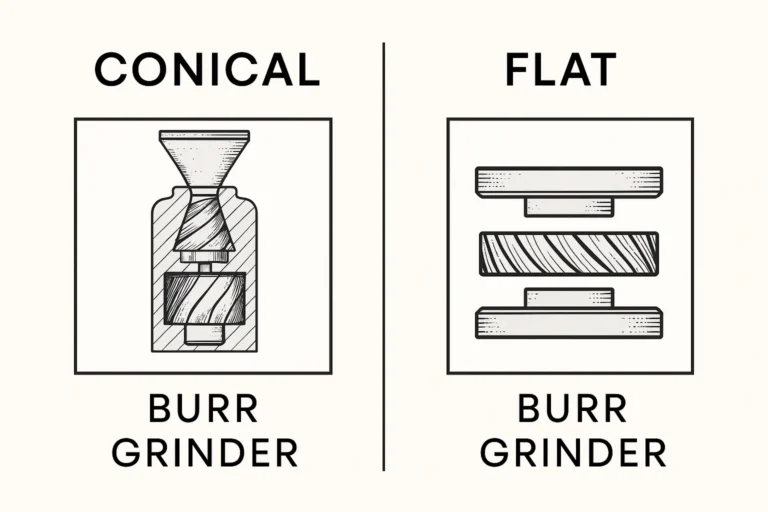
- Grinder. A good burr grinder is the biggest upgrade. It boosts clarity and balance.
- Kettle. A gooseneck helps with pour control for pour-over and AeroPress.
- Scale and timer. Dose and time remove guesswork and improve taste fast.
- Filters. Use the right filter for your brewer. Rinse paper filters first.
- Cleaning. Backflush espresso machines. Descale brewers. Replace worn gaskets.
A note from my own mistakes: I once chased a pricey brewer but kept a dull grinder. The cups stayed average. To answer what are the best coffee brewing methods and their differences in practice, fix your grinder first and your water second.

Frequently Asked Questions of what are the best coffee brewing methods and their differences
Which method is best for beginners?
Pour-over with a Kalita or an automatic drip maker is easy to learn. Both are forgiving and give clean, tasty cups.
What ratio should I start with for most methods?
Start with 1:16 coffee to water. Adjust stronger to 1:15 or lighter to 1:17 based on taste.
Is espresso always better than filter coffee?
Not always. Espresso is intense and great for milk drinks, while filter coffee highlights delicate flavors and clarity.
Why does my French press taste muddy?
The grind may be too fine or the brew sat too long. Use a coarse grind and pour it out right after plunging.
Can I use the same beans for every method?
Yes, but adjust grind and ratio. Light roasts shine in pour-over, while medium to dark roasts suit espresso and Moka.
How do I choose if I want iced coffee?
Pick cold brew for smooth chocolate notes. Choose flash-brew pour-over for bright, crisp flavors over ice.
What are the best coffee brewing methods and their differences in simple terms?
Pour-over is clean, French press is rich, espresso is intense, AeroPress is flexible, and cold brew is smooth. Each changes body, acidity, and strength.
Conclusion
You now have a clear map of the landscape. Pour-over for clarity, French press for body, espresso for intensity, AeroPress for flexibility, cold brew for smooth ease, and drip for daily use. With a good grinder, fresh beans, and simple controls on water, ratio, and time, you can dial any cup to your taste. If you still wonder what are the best coffee brewing methods and their differences, brew two small cups side by side and taste the story each method tells.
Pick one method and practice it this week. Log your ratio, grind, and time. Then tweak one variable at a time. Want more guides and tested recipes? Subscribe, share your results, or drop your questions in the comments.