Your coffee tastes watery because the brew is under-extracted, under-dosed, or diluted.
If you’ve ever asked yourself Why Does My Coffee Taste Watery, you’re not alone. I’ve coached home brewers and baristas for years, and I’ve debugged thousands of cups. In this guide, I’ll walk you through clear fixes, based on hands-on experience and proven coffee science, so you can brew a rich, balanced cup every time.

What “watery” coffee means and how to spot it
Watery coffee is weak in flavor and body. It often has a pale color, thin mouthfeel, and a hollow finish. If you’ve been wondering Why Does My Coffee Taste Watery, you’re dealing with low brew strength, poor extraction, or both.
In coffee terms, strength is how much dissolved coffee is in the cup. For most drip or pour-over coffee, a strength of about 1.2% to 1.5% is ideal. Espresso is much higher. Extraction is how well water pulled flavors from the grounds. Low extraction gives sour, tea-like coffee.
You do not need a lab tool to spot it. Taste for quick sourness, see-through color, and a quick, empty finish. These are classic signs of under-extraction and thin strength.

The main reasons your coffee tastes watery
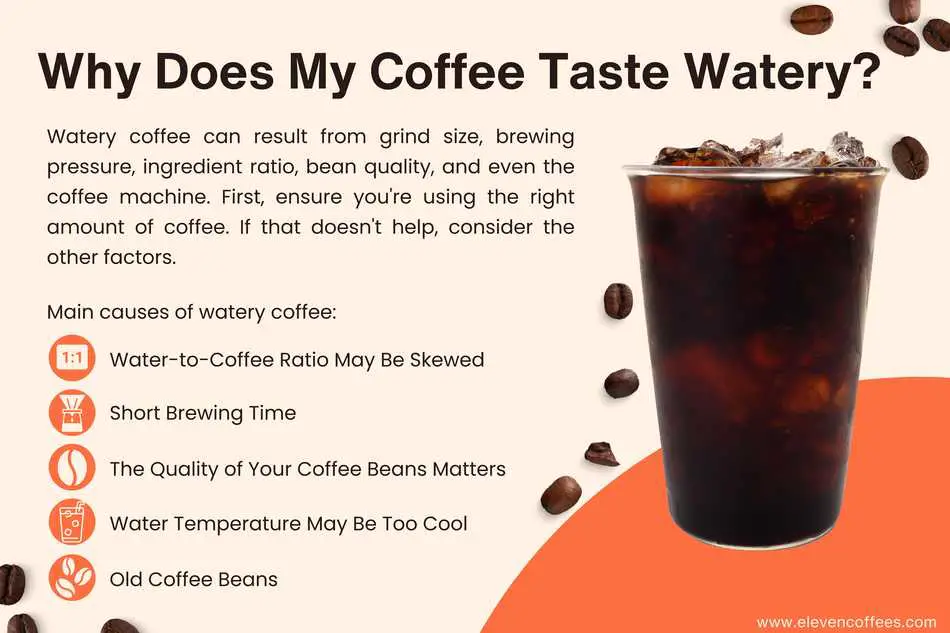
If you keep asking Why Does My Coffee Taste Watery, start here. These are the most common causes I see when helping people fix weak cups.
Wrong coffee-to-water ratio
Using too little coffee gives a thin cup. A good baseline is 1:15 to 1:17 by weight. That’s 20 grams coffee to 300–340 grams water.
Practical tip: Weigh both coffee and water. Scoops are not accurate.
Grind size too coarse
Coarse grinds slow extraction. Water passes fast and grabs less flavor. The result is flat and watery.
Practical tip: For drip or pour-over, aim for medium or medium-fine. Adjust one small notch finer and retaste.
Brew time too short
A short contact time leads to under-extraction. You get bright sour notes and no sweetness.
Practical tip: For pour-over, target 2:30–3:30 minutes for smaller brews. For French press, steep 4 minutes.
Water temperature too low
Cool water cannot pull flavor well. Ideal brew temperature is 195–205°F (90–96°C).
Practical tip: If you lack a kettle with control, boil water and wait 30 seconds, then brew.
Channeling and uneven flow
Uneven flow paths let water rush through. This leaves parts of the bed untouched and leads to a weak cup.
Practical tip: Level the bed, pour in steady circles, and avoid pouring only on the edges.
Old or stale beans
Stale coffee loses aromatics and sweetness. You can brew it strong and it still feels hollow.
Practical tip: Use beans roasted within 2–4 weeks. Store them airtight, away from heat and light.
Roast level mismatch
Very light roasts can taste thin if brewed like dark roasts. They need finer grinds and hotter water.
Practical tip: Go a touch finer and longer on light roasts. Keep the water near 205°F.
Water quality issues
Very soft or very hard water hurts extraction and flavor. You may taste flatness or dull notes.
Practical tip: Aim for balanced minerals. Filter tap water or use a coffee water recipe for best results.
Filter and paper quirks
Extra thick or double filters can restrict flow and cause under-extraction. Some papers also keep oils, reducing body.
Practical tip: Rinse your paper filter well. Try different brands if your coffee tastes papery or thin.
Ice and dilution
For iced coffee, melting ice waters down the cup fast.
Practical tip: Brew stronger or use coffee ice cubes to balance dilution.
Step-by-step fixes to stop watery coffee
If you ask Why Does My Coffee Taste Watery and want a clear plan, use this simple path.
-
Weigh everything
Use a scale. Start with a 1:16 ratio. Example: 25 grams coffee to 400 grams water. -
Dial in grind
If the cup is weak, go one notch finer. Keep other variables the same. -
Set water temperature
Aim for 195–205°F. Light roasts like the high end. -
Control brew time
Target steady flow and the right total time for your method. -
Improve technique
Bloom 30–45 seconds for pour-over. Pour gently and evenly. -
Use fresh coffee
Buy small amounts. Grind right before brewing. -
Fix your water
Use filtered water. Avoid extreme hardness or softness. -
Taste and log
Take quick notes. Change only one thing at a time. -
Calibrate by method
Match grind and time to your brewer. A single “best” grind does not fit all. -
Retest and repeat
Brewing is a loop. Small tweaks give big gains.
Brew method-specific tweaks to add body
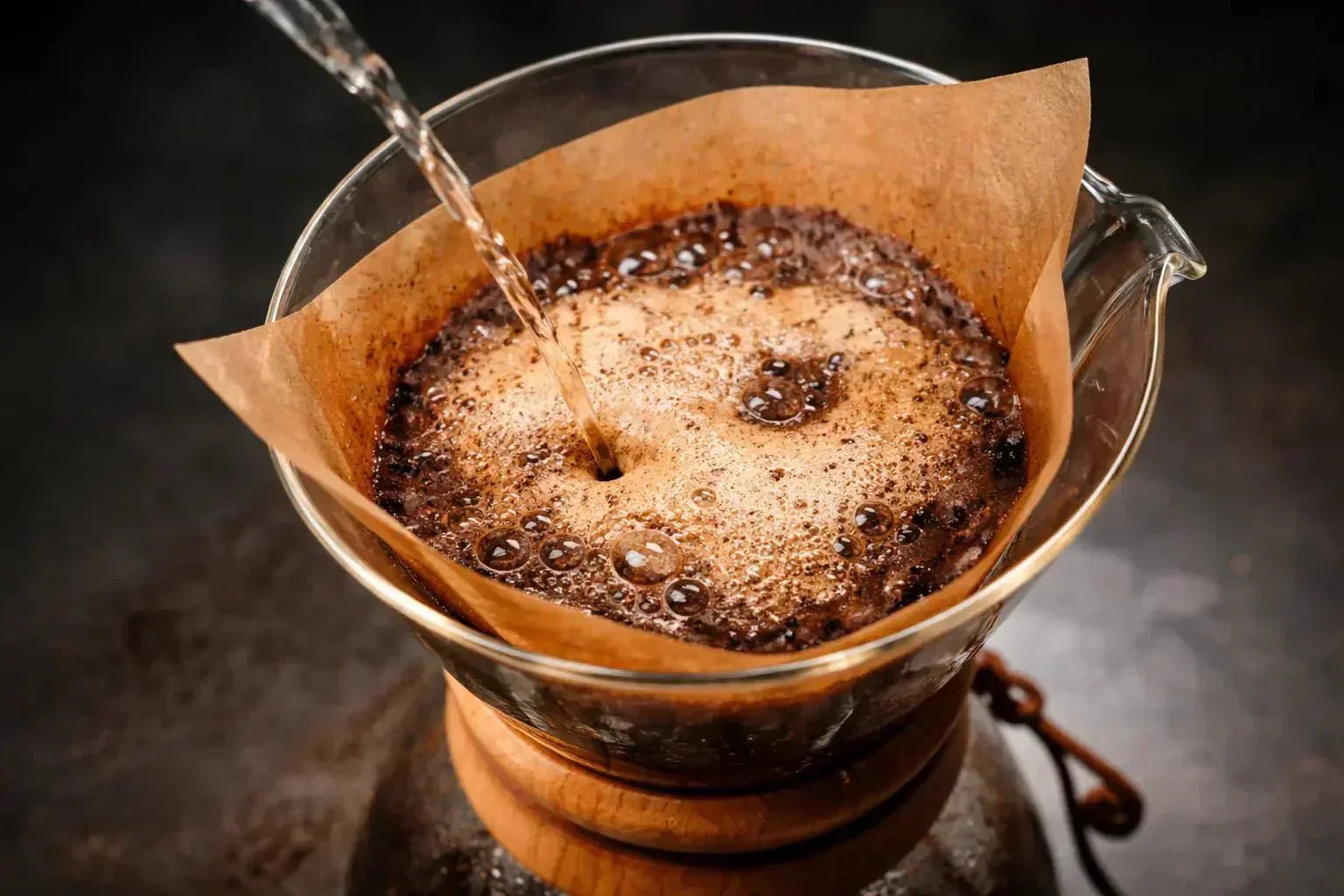
Every device answers Why Does My Coffee Taste Watery in its own way. Tune for your setup.
Drip machine
- Use a medium grind and a 1:16 ratio.
- Pre-wet the filter and use fresh water.
- If it still tastes thin, go a touch finer or add 1–2 grams of coffee.
Pour-over (V60, Kalita, etc.)
- Grind medium-fine. Keep total time near 3 minutes for smaller brews.
- Bloom with about twice the coffee weight in water.
- Pour steady circles to avoid channeling.
French press
- Use a medium-coarse grind, but not too coarse.
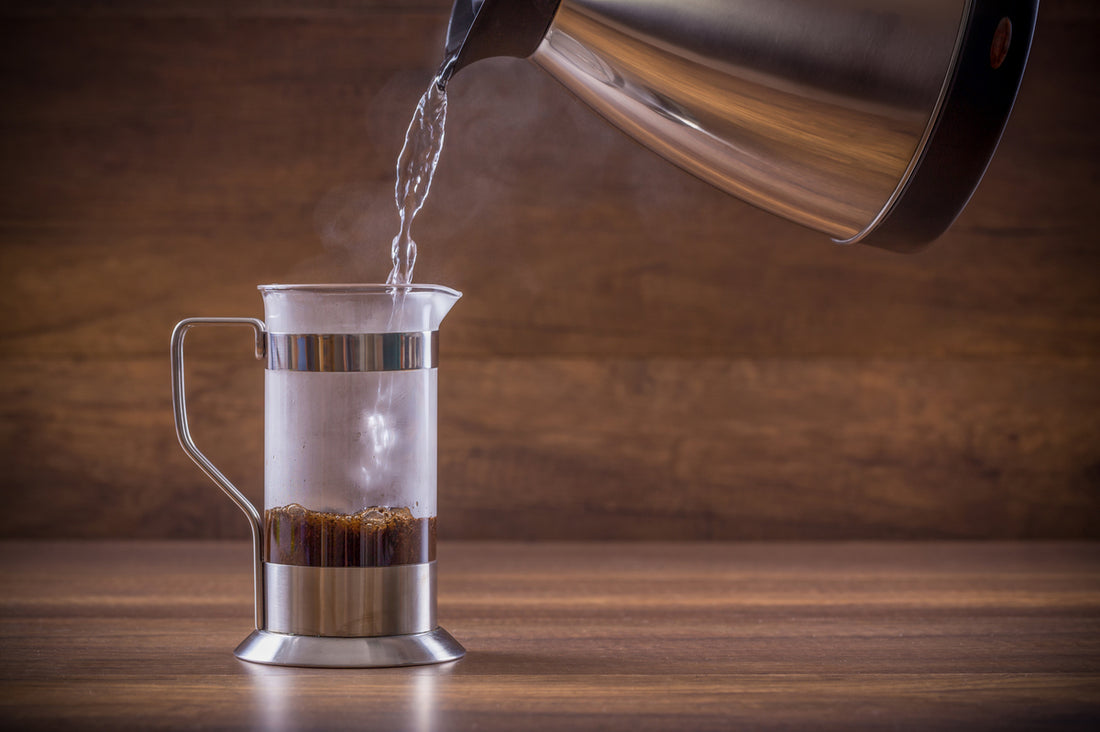
- Steep 4 minutes. Stir lightly and skim foam if you want clarity.
- If thin, grind a bit finer or extend steep by 30 seconds.
AeroPress
- Try 15–17 grams coffee to 200–230 grams water.
- Use a finer grind and a 1–1:30 minute press time.
- If watery, shorten dilution or use the inverted method.
Espresso
- Dose, grind, and time matter. A fast shot is often thin.
- Aim for 1:2 ratio in 25–35 seconds, starting from first drip.
- If it gushes, go finer and tamp even to reduce channeling.
Cold brew
- Use a higher ratio, like 1:5 to 1:8 for a concentrate.
- Steep 12–18 hours in the fridge.
- Dilute to taste, not too much. If thin, shorten dilution.

A simple diagnostic flow you can follow today
If you’re still stuck on Why Does My Coffee Taste Watery, walk through this quick check.
-
Is your ratio near 1:15–1:17?
If no, add coffee. -
Is your grind too coarse?
If yes, go one step finer. -
Is your water 195–205°F?
If no, heat it more. -
Is your brew time too short?
If yes, slow the pour or extend the steep. -
Is your coffee fresh?
If no, buy fresh beans and re-test. -
Does your method match the roast?
If no, adjust grind, temp, and time for that roast level. -
Still thin?
Check water quality and filter choice. Then change only one thing and retaste.
Frequently Asked Questions of Why Does My Coffee Taste Watery
Why Does My Coffee Taste Watery even when I add more grounds?
More coffee helps strength, but if the grind is too coarse or the brew is too short, it still under-extracts. Make the grind a bit finer and hold brew time steady.
Why Does My Coffee Taste Watery with fresh beans?
Fresh beans can still taste thin if the water is too cool or the flow is uneven. Aim for 195–205°F and refine your pour or agitation.
Why Does My Coffee Taste Watery after switching filters?
Some papers restrict flow or hold back oils, which reduces body. Rinse the filter well and test another brand to compare.
Why Does My Coffee Taste Watery when iced?
Ice dilutes fast. Brew a stronger cup or use coffee ice cubes to keep flavor.
Why Does My Coffee Taste Watery in a French press?
The grind may be too coarse or the steep too short. Go a notch finer and steep 4 minutes before pressing.
Can water hardness make my coffee taste watery?
Yes. Very soft water struggles to extract, and very hard water can mute flavor. Use filtered water with balanced minerals.
Why is my espresso watery and sour?
The shot likely runs too fast due to a coarse grind or channeling. Grind finer, distribute well, and aim for a 25–35 second shot.
Conclusion
A watery cup is not a mystery. It is a signal that your ratio, grind, time, temperature, or water needs a nudge. Fix one variable at a time, taste, and you will land on a full, sweet, and satisfying brew.
Use this guide today. Pick your method, set a 1:16 ratio, and make one small change. If this helped, share your results, subscribe for more coffee tips, or ask your own Why Does My Coffee Taste Watery question in the comments.