Regular coffee can lower liver disease risk and support healthy liver function.
I have spent years studying how daily habits shape liver health. Coffee for Liver Health stands out because the data is strong and the tips are easy to use. In this guide, I will break down the science, show what works in real life, and help you use coffee in a safe, smart way. Read on to see how a simple cup can support a hard-working organ.
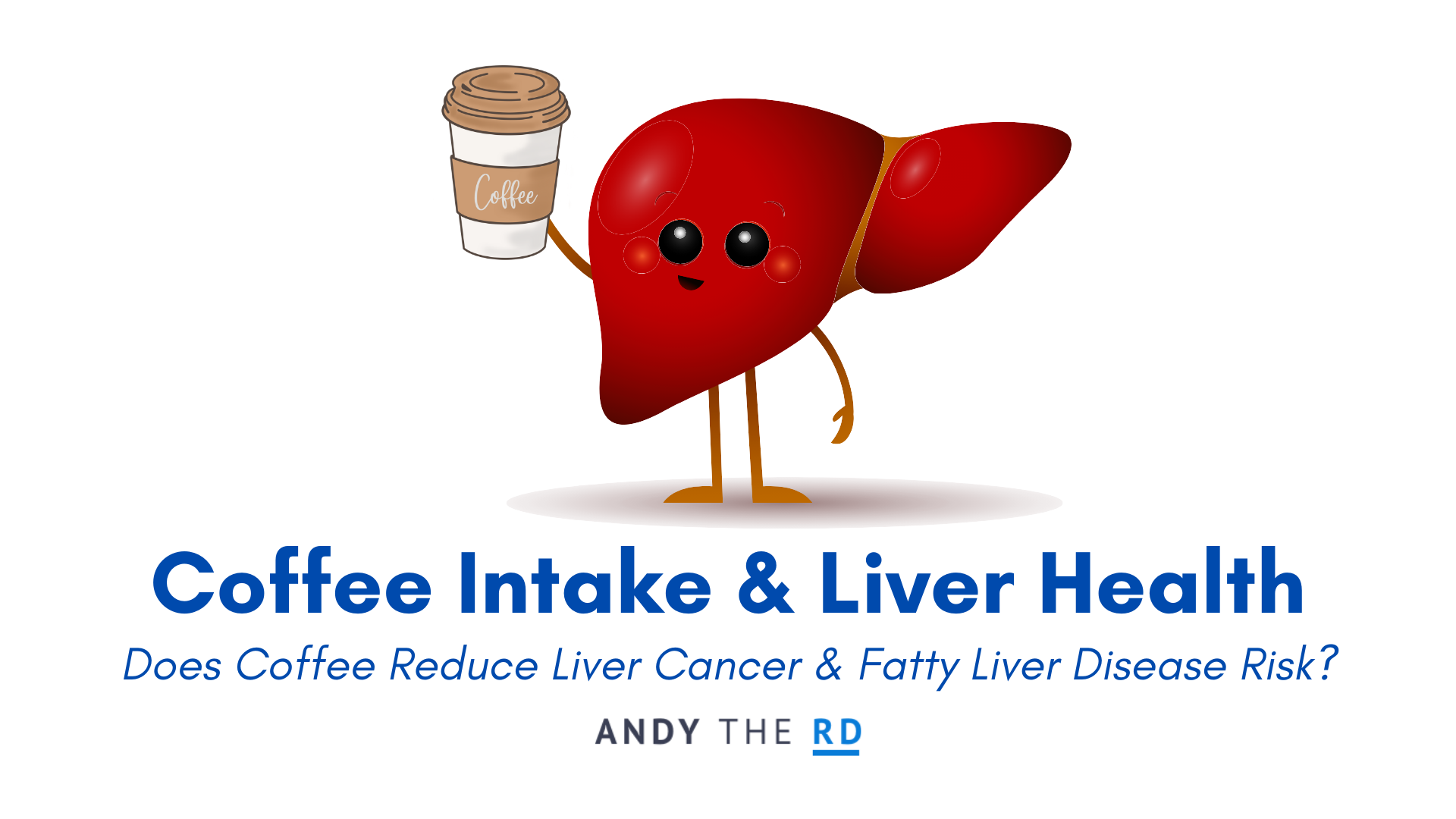
What Science Says About Coffee for Liver Health
Large population studies link regular coffee with a lower risk of chronic liver disease, cirrhosis, and liver cancer. People who drink coffee often show lower ALT, AST, and GGT, which are common liver enzymes. The effect appears dose related, with clear gains from about two to four cups a day.
Both regular and decaf coffee show liver benefits. That suggests antioxidants and other compounds, not only caffeine, are at work. Coffee for Liver Health is not a cure, but it is a helpful daily habit with strong support from many studies.

How Coffee Supports Liver Health: The Mechanisms
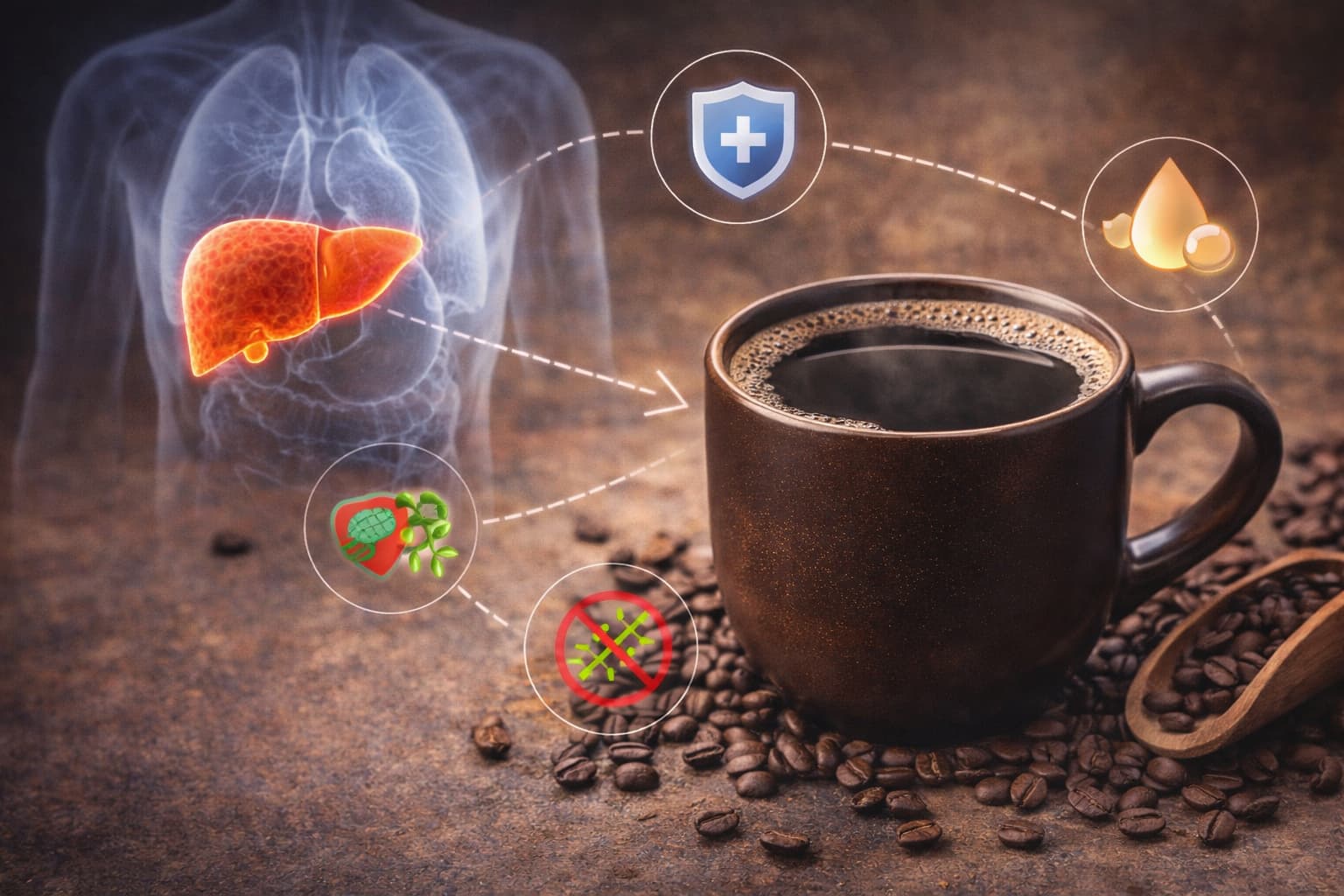
Coffee is a complex mix of bioactive compounds. Several of them help the liver do its job.
- Antioxidants reduce oxidative stress. Chlorogenic acids and related polyphenols protect liver cells from free radicals.
- Anti-inflammatory effects calm pathways that drive liver injury. This can help slow fibrosis.
- Metabolic support improves how the liver handles fat and sugar. Coffee can activate AMPK and support better fat burning.
- Enzyme induction boosts detox capacity. Diterpenes like cafestol and kahweol can nudge phase II enzymes.
- Gut-liver axis support modulates the microbiome and reduces endotoxin load. Less gut-derived stress can mean a happier liver.
- Caffeine blocks adenosine receptors. This may reduce scarring signals in the liver.
These actions work together. That is why Coffee for Liver Health shows up across many studies, even when the brew or roast differs.
:max_bytes(150000):strip_icc()/What-Happens-to-Your-Liver-When-You-Drink-Coffee-Every-Day-4fad19fe74da45148419db9ea67ec9e5.jpg)
How To Use Coffee For Liver Benefits
Coffee for Liver Health works best when it fits your routine and you keep it simple.
- Aim for two to four cups a day if you tolerate it. Benefits often start at one cup and rise with more, up to a point.
- Both caffeinated and decaf can help. Choose decaf if you are sensitive to caffeine or it disrupts your sleep.
- Filtered coffee is a safe default. Paper filters trap diterpenes that can raise LDL cholesterol. If your cholesterol is fine, espresso or French press can be okay.
- Go easy on sugar and syrups. Excess sugar works against liver goals. Try cinnamon, a splash of milk, or unsweetened alternatives.
- Drink it earlier in the day. Good sleep is vital for liver repair. Avoid coffee six to eight hours before bedtime.
- Hydrate. Coffee counts toward fluids for regular drinkers, but water is still key.
- Pair it with food if you get jitters. A small snack can help reduce stomach upset.
I coach clients to start with one cup in the morning for a week. If all is well, move to two. This slow build keeps Coffee for Liver Health safe and pleasant.
Coffee for Liver Health Across Common Conditions
Coffee for Liver Health can help in several liver conditions, but the role differs.
- Fatty liver (NAFLD or MASLD). Regular coffee links to less fat buildup and slower fibrosis. It also tends to lower liver enzymes over time.
- Hepatitis B and C. Coffee use ties to lower fibrosis risk and a lower chance of liver cancer. It is not a treatment, but it may support long-term outcomes.
- Cirrhosis. Moderate coffee intake is linked to lower risk of decompensation and death. People with cirrhosis should still follow medical advice first.
- Liver cancer (HCC). Higher coffee intake is associated with lower risk of HCC in many studies. Decaf shows some of this effect too.
In my work, clients with fatty liver who added two to three cups of mostly filtered coffee, cut sugar, and walked daily saw steady drops in ALT and GGT in three to six months. Coffee is part of a full plan, not the whole plan.

Safety, Side Effects, and Who Should Be Careful
Coffee for Liver Health is not for everyone. Most healthy adults do fine with up to 400 mg of caffeine a day, which is about three to four 8-ounce cups of brewed coffee. But there are exceptions.
- Pregnancy and breastfeeding. Keep caffeine under 200 mg per day. Decaf is a good option.
- Sleep issues, anxiety, or palpitations. Use smaller doses or switch to decaf.
- Acid reflux or ulcers. Try low-acid roasts, cold brew, or take coffee with food.
- High LDL cholesterol. Favor paper-filtered coffee.
- Iron deficiency. Coffee can reduce iron absorption from meals. Drink it between meals.
- Certain meds. Talk with your clinician if you take stimulants, thyroid meds, or anticoagulants.
If you have known liver disease, ask your care team how Coffee for Liver Health fits your plan. Start low, go slow, and track how you feel.

A Practical Daily Plan And What I Learned
I used to chase fancy coffee drinks packed with sugar. My energy crashed by noon, and my labs did not look great. When I switched to two cups of filtered coffee, black or with a splash of milk, and timed it before lunch, my focus rose and my liver enzymes improved.
Here is a simple plan you can try:
- Morning. One cup of filtered coffee with or after breakfast. Add cinnamon or a dash of milk.
- Late morning or early afternoon. One more cup if you want. Stop at least six hours before bed.
- Keep sugar under one teaspoon per cup. Skip syrups and heavy creamers most days.
- On rest days or if anxious, go half-caf or decaf.
Common mistakes to avoid:
- Overdoing coffee to “detox.” Coffee supports, but it does not cleanse the liver.
- Loading coffee with sugar. That undercuts Coffee for Liver Health.
- Drinking coffee instead of water. Keep a water bottle near your mug.
- Ignoring sleep. Poor sleep hurts liver health more than one extra cup helps.
This is how I coach clients. Simple steps, done daily, add up fast.

Myths And Facts About Coffee for Liver Health
- Myth: Coffee dehydrates you. Fact: Regular coffee drinkers maintain fluid balance. It can count toward daily fluids.
- Myth: Only dark roast helps the liver. Fact: Light roasts have more chlorogenic acids. Dark roasts add other helpful compounds. Both can fit.
- Myth: Decaf is useless. Fact: Decaf still carries many liver-friendly polyphenols.
- Myth: Coffee can replace medicine. Fact: Coffee for Liver Health is a habit, not a cure. Keep your care plan.
- Myth: Coffee enemas are a good detox. Fact: They can cause harm and infections. Stick to drinking coffee.
Use facts to guide your cup and you will get the most from this habit.
Frequently Asked Questions of Coffee for Liver Health
How much coffee is best for liver health?
Most studies show benefits at two to four cups per day. Start with one cup and increase if you feel well.
Does decaf coffee help the liver too?
Yes. Decaf retains many polyphenols that support the liver. It is a smart choice if caffeine bothers you.
Can coffee reverse fatty liver?
Coffee alone will not reverse fatty liver. It can help when paired with weight loss, better diet, and exercise.
Which brew method is best for liver health?
Filtered coffee is a safe default because it limits LDL-raising compounds. If your cholesterol is fine, espresso or French press can still fit.
When should I drink coffee for the best liver benefits?
Drink it earlier in the day to protect sleep. Good sleep is key for liver repair.
Can I add milk or cream and still get benefits?
Yes, in small amounts. The main issue is added sugar and high-calorie syrups.
Is coffee safe if I already have liver disease?
Many people with stable liver disease tolerate moderate coffee. Always ask your clinician about your case.
Conclusion
Coffee for Liver Health is one of the simplest, most researched habits you can adopt. Two to four cups of mostly filtered coffee, light on sugar, can support liver enzymes, slow fibrosis risk, and fit into a balanced lifestyle. Decaf works too, and timing your cups to protect sleep makes the gains even better.
Try a one-week Coffee for Liver Health plan: one cup in the morning, one before lunch, and note how you feel. If this helps, keep going and share your results. Want more tips like this? Subscribe, leave a comment with your questions, and let’s build a liver-friendly routine together.