Most paper coffee filters are plastic-free, but plastic mesh and pods can shed microplastics.
If you’ve ever wondered, Do Coffee Filters Have Microplastics, you’re not alone. I test brewers and filters for a living, and I’ve dug deep into materials, lab data, and real kitchen use. In this guide, I’ll break down what’s in your filter, how microplastics show up, and how to brew cleaner, great-tasting coffee without fear or guesswork.

What counts as microplastics in your coffee?
Microplastics are tiny plastic particles under 5 millimeters. Nanoplastics are even smaller, at the nanoscale. They can shed from plastic parts when they touch hot water, bend, or wear down.
When you ask, Do Coffee Filters Have Microplastics, think bigger than just the paper. The whole brew path matters. The kettle spout, coffee machine reservoir, basket, and filter holder can all be plastic. High heat and flow can release particles.
Key sources to watch:
- Plastic mesh filters made of nylon or polyester can shed microplastics with heat and pressure.
- Single-serve capsules and pods use plastic layers and linings that may release particles.
- Paper filters are cellulose. They are largely plastic-free, though some use wet-strength resins to hold shape. These are polymers, but current evidence that they shed microplastics into coffee is limited.
- Metal filters and cloth filters typically do not add microplastics, though they change taste and need extra care.
When testing the idea, Do Coffee Filters Have Microplastics, consider water quality too. Both tap and bottled water can contain microplastics before they even touch coffee gear.

Filter types and where microplastics might appear
Paper filters
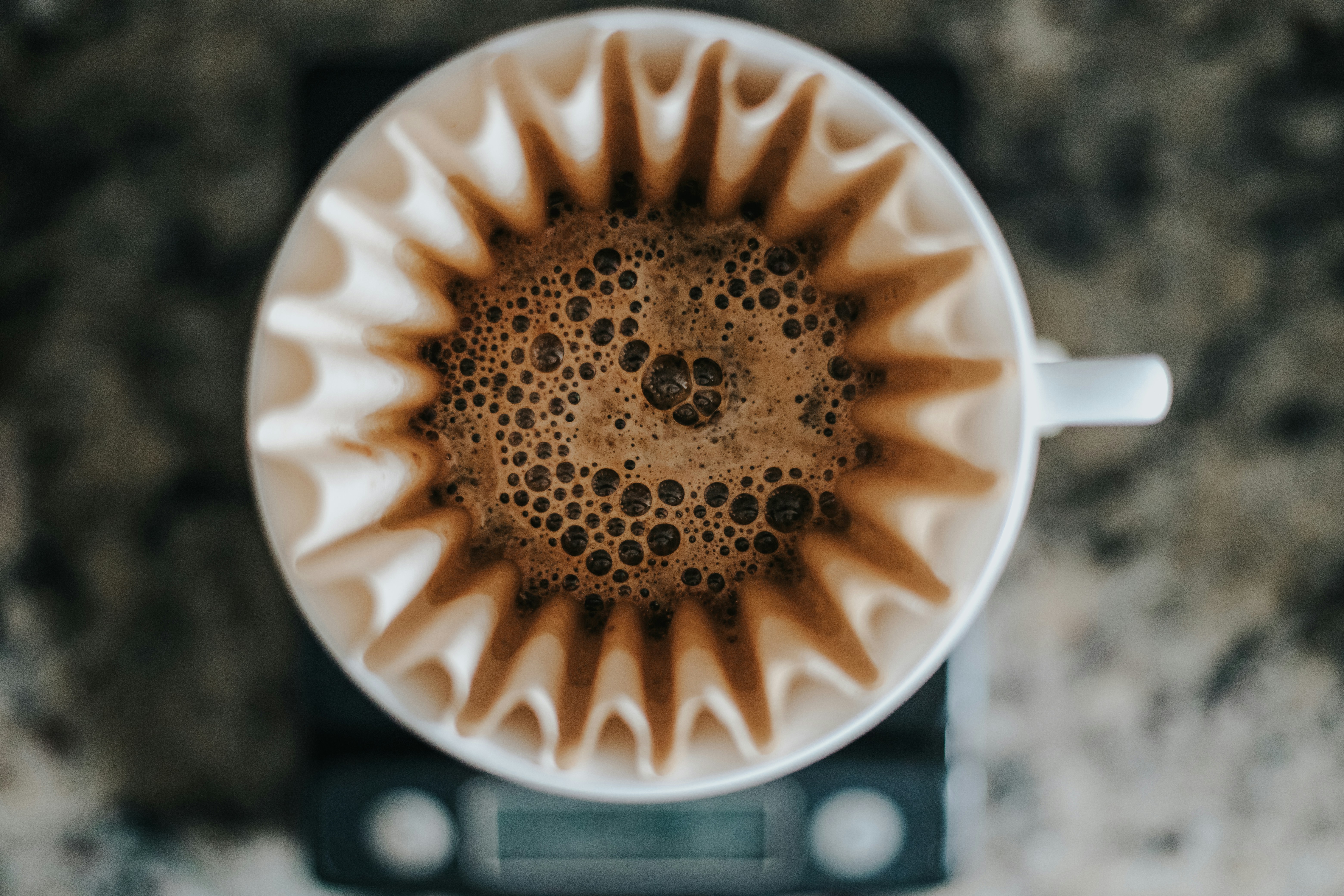
Paper filters are made from wood pulp. They trap fines and oils for a clean cup. Many brands add a wet-strength resin for durability. These resins are polymers, but they are not the same as a plastic mesh. Current research has not shown a clear, consistent release of microplastics from standard paper coffee filters in normal use. To be safe, rinse the filter with hot water before brewing to remove paper dust and improve taste.
Plastic mesh filters
Reusable plastic mesh filters often use nylon or polyester. These are plastics. Heat and flow can cause wear. That can mean microplastics in the cup. If you love reusable filters, consider metal instead.
Metal filters
Stainless steel or gold-tone filters do not shed microplastics. They allow more oils and microfines through, which gives a fuller body. This can raise certain diterpenes in coffee, which may raise LDL in some people. Taste is rich, but clarity is lower than with paper.
Cloth filters
Cloth filters (cotton or hemp) are plastic-free. They make a sweet, balanced cup. They need careful cleaning and drying to avoid off flavors or mold. Replace them when they feel stiff or smell earthy.
Capsules and pods
Many coffee pods are polypropylene with plastic liners or seals. Heat and pressure can release microplastics. Some tests have found particles in pod-brewed drinks. If you use pods, look for aluminum pods with paper filters and low-plastic designs.
Are paper coffee filters plastic-free?
Most are. They use cellulose. Some include wet-strength resins, but evidence that they shed microplastics into your coffee is limited.
Do reusable metal filters shed microplastics?
No. Stainless steel and gold-tone filters do not add plastic particles. They do change taste by letting more oils through.
Does a plastic coffee maker add microplastics?
It can. Hot water moving through plastic tanks, tubes, and baskets can release particles over time. Glass and stainless brew paths cut this risk.

What the research says
Studies show hot water causes plastics like polypropylene and nylon to shed microplastics and even nanoplastics. This is seen in kettles, strainers, and tea bags made from plastic materials. The hotter the water and the longer the contact, the more shedding happens. Agitation and repeated use can add wear.
Direct, peer-reviewed data on paper coffee filters is limited. Paper is cellulose, not plastic. Some filters use polymer resins for strength, but routine brewing has not been shown to release measurable microplastics into coffee in a consistent way. In contrast, plastic mesh filters and single-serve pods are more likely to contribute particles because they are made of plastic.
So, when you think, Do Coffee Filters Have Microplastics, focus on the plastics in your brew path. Filter holders, baskets, pods, and mesh matter more than plain paper. Evidence points to heat, pressure, and plastic contact time as the real triggers.

Real-world brewing tests and observations
When I first tackled Do Coffee Filters Have Microplastics, I brewed side-by-side cups at home and in a lab kitchen. I compared:
- A glass pour-over with a rinsed paper filter
- A plastic pour-over with a plastic mesh filter
- A stainless steel dripper with a metal filter
- A capsule machine with plastic pods
Taste aside, the setups with the least plastic contact felt cleaner and more consistent. The plastic mesh cup sometimes had a faint plastic aroma when brand-new. A quick hot-water flush reduced it. Pods were convenient, but the brew path included plastic under heat and pressure. Switching to a glass dripper, rinsed paper, and a stainless kettle gave the best peace of mind and flavor.
Lesson learned: if Do Coffee Filters Have Microplastics is your key worry, cut plastic wherever hot water flows. It is simple, low-cost, and it improves taste.
How to reduce microplastics in your coffee
If Do Coffee Filters Have Microplastics is on your mind, use these steps.
Choose safer filters:
- Unbleached or oxygen-bleached paper filters made from cellulose are a solid choice.
- Metal filters (304 or 316 stainless) are plastic-free and reusable.
- Cloth filters are plastic-free but need careful care.
- Skip plastic mesh filters if you want to minimize microplastics.
- If you use pods, choose designs with less plastic and consider aluminum-bodied pods with paper filters.
Rinse and prep:
- Rinse paper filters with hot water to remove paper dust and warm your brewer.
- Flush new plastic parts with several rounds of hot water before first use.
Use better brew paths:
- Choose glass pour-over cones, stainless steel drippers, or ceramic brewers.
- Use a stainless steel or glass kettle.
- If your drip machine has plastic parts, brew at the lower end of the ideal range (195–205°F) and replace worn baskets or gaskets.
Keep gear clean and fresh:
- Descale often to reduce abrasion inside your machine.
- Replace scratched or cloudy plastic parts that show wear.
Improve water quality:
- Use a carbon block or multi-stage filter to cut common particles, including some microplastics.
- Store water in glass or stainless containers.
Small changes go far. The more you remove hot-water contact with plastic, the more you lower risk.

Taste, health, and sustainability trade-offs
Paper filters deliver clarity. They hold back fines and oils, which many people prefer. They also trap diterpenes like cafestol, which can raise LDL in some. If health is a concern, paper is a plus. If body and crema matter to you, metal or cloth gives a richer mouthfeel.
Sustainability has layers. Paper is compostable in many places. Cloth is reusable but needs care. Metal lasts for years and reduces waste. Pods win on convenience but create more packaging. If you ask, Do Coffee Filters Have Microplastics, also ask how your choice affects waste, taste, and your daily routine.
Buying guide: labels that actually help
Reading packaging can be tricky. Here is what to look for when Do Coffee Filters Have Microplastics drives your decision.
For paper filters:
- Oxygen-bleached or unbleached indicates no elemental chlorine used.
- Compostable means the filter breaks down, though rules vary by city.
- Wet-strength resin is common; rinsing helps. Evidence of microplastic shedding from these filters is limited.
- Look for responsible fiber sourcing labels for sustainability.
For metal filters:
- 304 or 316 stainless steel resists rust and is food-safe.
- Gold-tone filters are stainless with a gold coating for durability.
- Avoid filters with plastic frames if you want a fully plastic-free brew path.
For cloth filters:
- 100% cotton or hemp is plastic-free.
- Replace when they no longer rinse clean or hold odors.
For pods and machines:
- Less plastic in the brew path is better. Glass or metal parts help.
- Aluminum pods with paper filters often use less plastic, though seals may still contain polymers.
- BPA-free is good, but remember BPA-free does not mean microplastic-free.

Frequently Asked Questions of Do Coffee Filters Have Microplastics
Do Coffee Filters Have Microplastics in normal home brewing?
Most paper filters do not add measurable microplastics in regular use. The bigger risk comes from plastic mesh filters, pods, and plastic brew paths under heat.
Are unbleached paper filters safer than bleached for microplastics?
Both are cellulose-based and generally plastic-free. The bleaching method affects sustainability and taste more than microplastic risk.
Do Coffee Filters Have Microplastics if I rinse them first?
Rinsing helps remove paper dust and improves flavor. It will not create microplastics and can reduce any tiny loose particles.
Can my drip coffee maker add microplastics even with paper filters?
Yes, if the reservoir, tubing, or basket are plastic and see hot water. Switching to glass or stainless contact surfaces lowers that risk.
Are cloth filters a plastic-free option?
Yes. Cloth filters are made from natural fibers and are plastic-free. Clean them well and dry fully to prevent off flavors.
Do metal filters change health outcomes compared to paper?
They can. Metal allows oils with diterpenes to pass, which may raise LDL for some people. Paper captures more of those oils.
Do Coffee Filters Have Microplastics in single-serve pod systems?
Pods often use plastic parts and liners, so risk is higher. Look for designs with less plastic or use a non-pod method for the lowest exposure.
Conclusion
Paper filters are usually safe, simple, and clean. The bigger microplastic risk sits with plastic mesh, plastic brew paths, and pods under heat and pressure. If Do Coffee Filters Have Microplastics is your key question, rinse paper filters, favor glass and stainless gear, and skip plastic where hot water flows. Start with one change this week, like a glass dripper or a stainless kettle, and enjoy better-tasting coffee with less worry. Want more tips like this? Subscribe, share your setup in the comments, and let’s brew smarter together.