Espresso machines use high pressure for rich shots; coffee machines drip-brew clean, mild cups.
If you want clear answers on Espresso vs Coffee Machine, you’re in the right place. I’ve tested both at home and in cafes, and I’ll show what really matters: taste, speed, cost, care, and daily fit. You’ll learn how each machine works, the drinks they make best, and which one suits your routine and budget.

Espresso vs Coffee Machine: Key Differences at a Glance
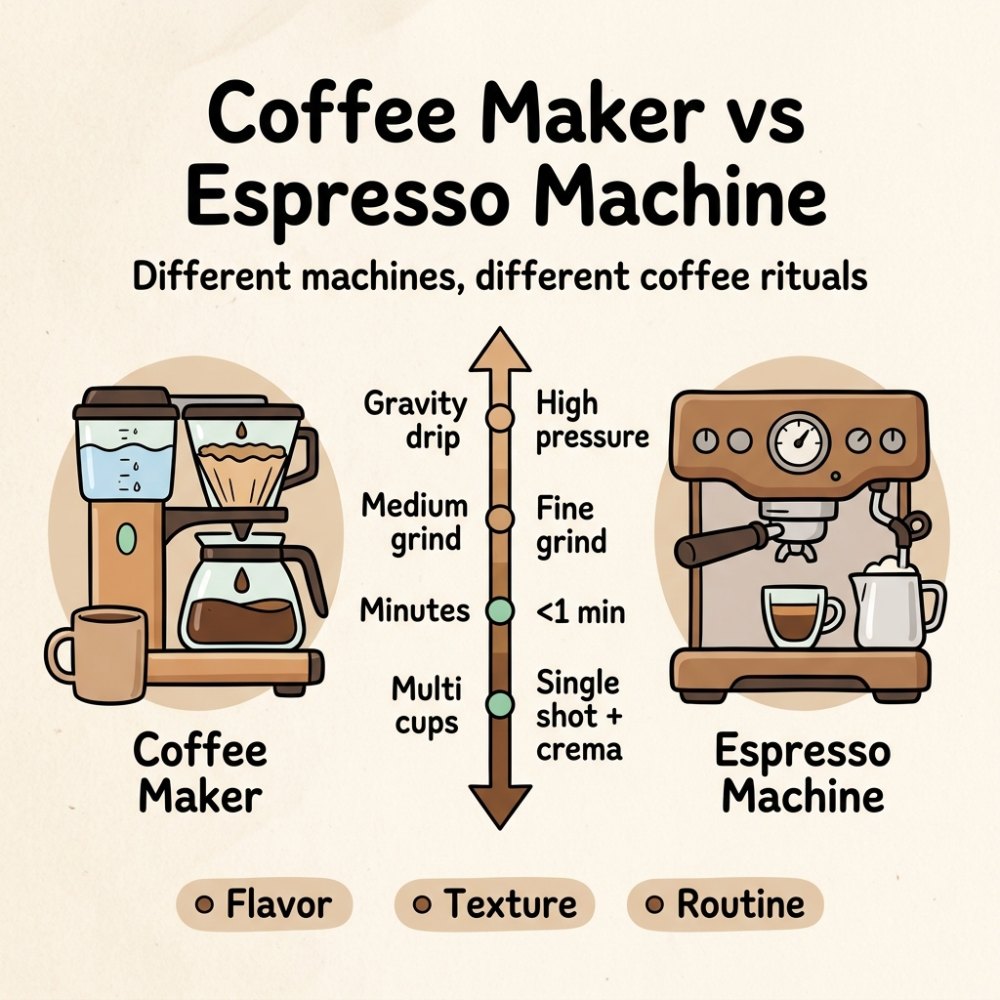
Espresso uses pressure to pull a small, strong shot with crema. A coffee machine uses gravity to brew a larger, lighter cup. That is the heart of Espresso vs Coffee Machine.
Here’s a fast side-by-side view:
- Brewing method: Espresso uses about 9 bars of pressure; coffee machines use gravity.
- Time: Espresso is 25–35 seconds per shot; coffee makers brew in 4–6 minutes.
- Grind: Espresso needs a fine grind; coffee machines use medium grind.
- Taste: Espresso is dense and creamy; drip coffee is clean and smooth.
- Milk drinks: Espresso rules for lattes and cappuccinos; coffee makers give straight coffee best.
- Skill: Espresso has a learning curve; coffee machines are set-and-forget.
- Cost: Espresso setups cost more; coffee makers are budget friendly.
In short, Espresso vs Coffee Machine is a choice about style, flavor goals, and daily habit.

How Each Works: Pressure, Time, and Grind
At its core, the Espresso vs Coffee Machine split comes down to pressure and flow. Espresso machines drive hot water through a compact coffee puck at about 9 bars. Water sits near 195–205°F. A good shot runs in about 25–35 seconds. The ratio is often 1:2. For example, 18 grams in, 36 grams out.
Coffee machines heat water to a similar range but let it drip by gravity. Brew time is longer. Most drip brews run 4–6 minutes. A common ratio is 1:15 to 1:17 coffee to water by weight. Bloom time helps reduce gas and makes flavor more even.
Grind is vital. Espresso needs a fine, even grind from a quality burr grinder. Coffee machines prefer a medium grind. This keeps the cup clear and sweet.
Taste, Texture, and Drinks You Can Make
Espresso has punch. You get crema on top, syrupy body, and bold flavor. Notes can taste like chocolate, nuts, or ripe fruit. In milk, that power shines. Lattes and cappuccinos taste sweet and rich.
Drip coffee is clean and sippable. You taste origin notes with more clarity. Light roasts sing with citrus or tea-like notes. Dark roasts feel smooth and toasty. If you drink coffee black, drip gives a longer, gentler cup.
If you want milky cafe drinks at home, espresso wins. If you love a mug that lasts, choose drip. That is the flavor core of Espresso vs Coffee Machine.

Cost, Maintenance, and Durability
Espresso setups cost more. Entry machines start around a few hundred dollars. Prosumer machines with strong steam and stable temps can reach the low thousands. You also need a burr grinder, which can cost as much as the machine.
Coffee machines are simple and cheaper. Good brewers start in the low hundreds. Filters and carafes add small ongoing costs. Thermal carafes keep heat without cooking the coffee.
Upkeep matters. Espresso machines need backflushing, descaling, and gasket checks. Coffee machines need regular descaling and clean showerheads. Use good water to reduce scale. In the long run, Espresso vs Coffee Machine cost swings on how much you value milk drinks and speed.

Which One Fits Your Life? Use Cases and Personas
I’ve owned both for years. Here is what I’ve seen help most people:
- You love lattes and flat whites: Get an espresso machine. A strong steam wand is key.
- You drink two big mugs each morning: A quality drip coffee maker with a thermal carafe is perfect.
- You host often: Drip keeps guests happy, fast. Add a grinder for fresh taste.
- You want no fuss: A super-automatic espresso machine does beans-to-cup with one button.
- You live small: A compact espresso machine or a small drip brewer saves space.
Think about schedule, taste, and budget. This is how to win the Espresso vs Coffee Machine choice.

Buying Guide: Key Features to Compare
For espresso machines:
- Temperature control: PID helps keep stable heat for repeatable shots.
- Boiler type: Single boiler is budget friendly. Heat exchanger allows milk and shots at once. Dual boiler gives top control.
- Pump and pressure: Vibra pumps are common. Rotary pumps are quiet and stable. Look for gentle pre-infusion.
- Portafilter size: 58 mm is a common pro size with many baskets and tools.
- Steam power: Strong, dry steam makes silky microfoam for latte art.
For coffee machines:
- Brew temp: Aim for 195–205°F. Consistency matters more than peak heat.
- Showerhead and bloom: Even water spread and a timed bloom help full extraction.
- Carafe type: Thermal keeps flavor stable. Glass needs a smart warming plate.
- Certification: Standards from specialty groups can be a good sign of quality.
Extras that help both:
- A good burr grinder: It is the biggest flavor upgrade you can buy.
- Water quality: Use filtered or mineral-balanced water to protect flavor and gear.
- Footprint and workflow: Make sure it fits your counter and routine.
Use this checklist to compare models during your Espresso vs Coffee Machine search.

Common Mistakes and How to Avoid Them
- Using the wrong grind: Too fine for drip or too coarse for espresso ruins taste. Adjust and test.
- Skipping scales and timers: Guessing makes results drift. Weigh your dose and shot or brew time.
- Ignoring water: Hard water causes scale. Very soft water can taste flat. Aim for balanced minerals.
- Stale beans: Buy fresh, rest 5–14 days after roast for espresso. Use within a month for drip.
- No cleaning habit: Descale on schedule. Clean baskets, shower screens, and carafes weekly.
If you avoid these traps, your Espresso vs Coffee Machine setup will shine every day.
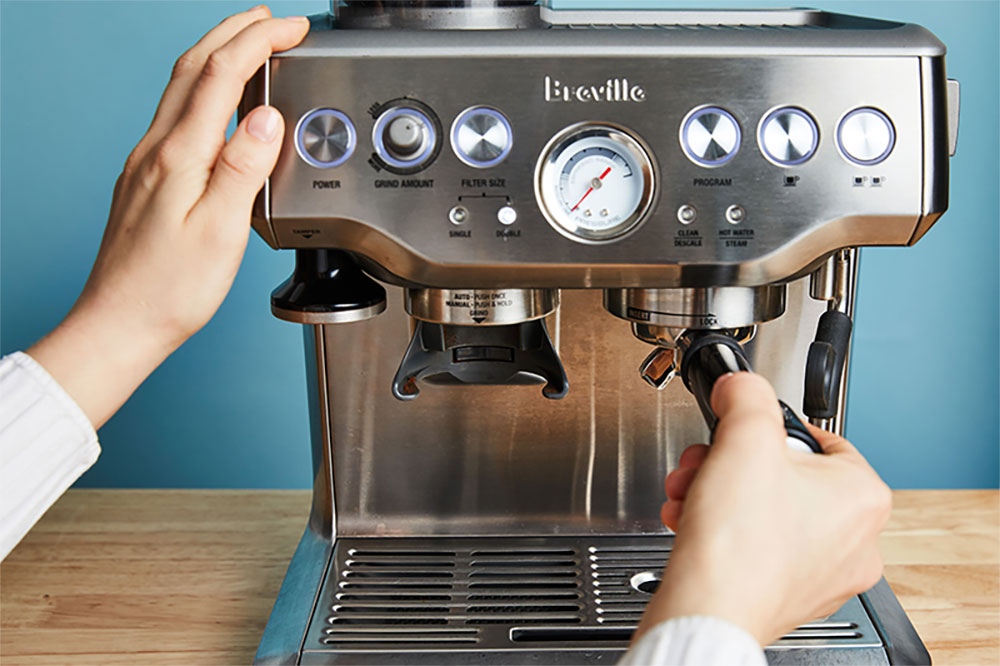
Brewing Tips from Hands-On Experience
Here are simple, tested recipes that work:
For espresso:
- Start with 18 g in the basket.
- Aim for 36–40 g out in 28–32 seconds.
- Use a gentle 2–5 second pre-infusion. Keep tamp level and firm.
For milk:
- Purge the wand, then steam to about 140–150°F.
- Stretch milk for 3–5 seconds, then roll to polish microfoam.
For drip coffee:
- Use a 1:16 ratio. For example, 30 g coffee to 480 g water.
- Bloom 30–45 seconds with twice the coffee weight in water.
- Total brew should finish in 4–5 minutes with a medium grind.
Track small changes. Log grind, dose, time, and taste. This is how you master your Espresso vs Coffee Machine day to day.

Frequently Asked Questions of Espresso vs Coffee Machine
Can a coffee machine make espresso?
Not true espresso. Espresso needs about 9 bars of pressure. Some machines make strong coffee, but the crema and texture will differ.
Do I need a grinder for espresso?
Yes. Espresso is very sensitive to grind size and freshness. A quality burr grinder makes dialing in fast and repeatable.
Is an espresso machine worth it for lattes at home?
If you love milk drinks, yes. The steam power and pressure shots make cafe-style drinks that drip coffee cannot match.
How much should I spend on my first espresso setup?
Plan for the machine plus a grinder. Many people find a starter setup near the mid-hundreds to low-thousands gives reliable results.
What water should I use in my machine?
Use filtered water with balanced minerals. This protects parts from scale and keeps flavor bright.
Can pods or capsules replace a full espresso machine?
They are fast and clean, but flavor is limited. A real machine with fresh beans will taste fuller and more nuanced.
Conclusion
Choose the tool that matches your mornings. If you crave short, rich shots and silky milk, go espresso. If you love a long, clean cup with little fuss, pick a great drip brewer. Either way, fresh beans, a burr grinder, and simple habits will lift your cup.
Ready to decide? Save this guide, compare two models today, and try one of the recipes above. If you found this helpful, subscribe for more brewing tips or drop a comment with your setup and questions.