For speed and reheating, a microwave wins; for crispy, healthier 'fried' food, an air fryer is superior.
Navigating the world of kitchen appliances can feel like choosing between two very different superheroes, each with unique powers. In nearly every modern kitchen, the microwave oven has been a longtime staple, offering unparalleled speed and convenience. But lately, the air fryer has swooped in, promising healthier cooking and deliciously crispy results that microwaves simply can't deliver. The burning question on many home cooks' minds is, "air fryer vs microwave oven which is better?" It's not just about which one heats food, but which one truly elevates your cooking experience and fits your lifestyle. As someone who’s spent countless hours experimenting with both in my own kitchen, I'm here to unpack the strengths and weaknesses of each, helping you decide which appliance deserves a prime spot on your countertop – or if you might even need both.
Understanding the Air Fryer: The Crispy Revolution
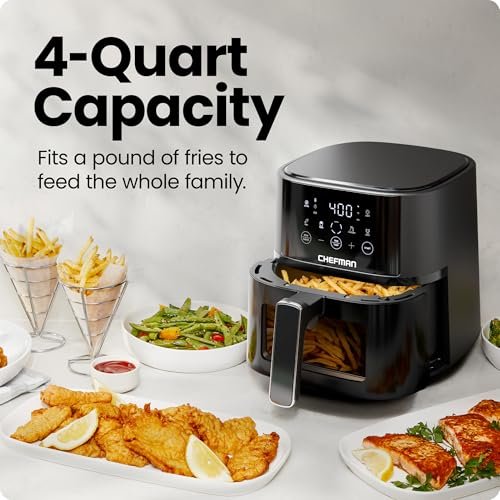
An air fryer is essentially a compact convection oven designed for speed and efficiency. It works by circulating incredibly hot air around your food at high speed, creating a powerful heat current. This process mimics the effect of deep-frying, giving foods a wonderfully crispy exterior with little to no added oil. Think of it as a super-charged fan oven that gets the job done quickly and with impressive texture.
The benefits of incorporating an air fryer into your cooking routine are numerous. It's fantastic for achieving that coveted crispy texture on items like frozen fries, chicken wings, vegetables, and even reheating leftover pizza to perfection. Because it requires only a tablespoon or two of oil, if any, it's often hailed as a healthier alternative to traditional deep-frying. I remember the first time I made sweet potato fries in my air fryer – they were perfectly crisp outside and tender inside, without the greasy mess. It was a complete game-changer for healthier snacking. However, air fryers typically have a smaller capacity compared to conventional ovens, making them less ideal for large family meals. They also take a bit longer than a microwave for simple reheating tasks and aren't suited for liquid-heavy foods like soups or stews.

Exploring the Microwave Oven: Speed and Convenience
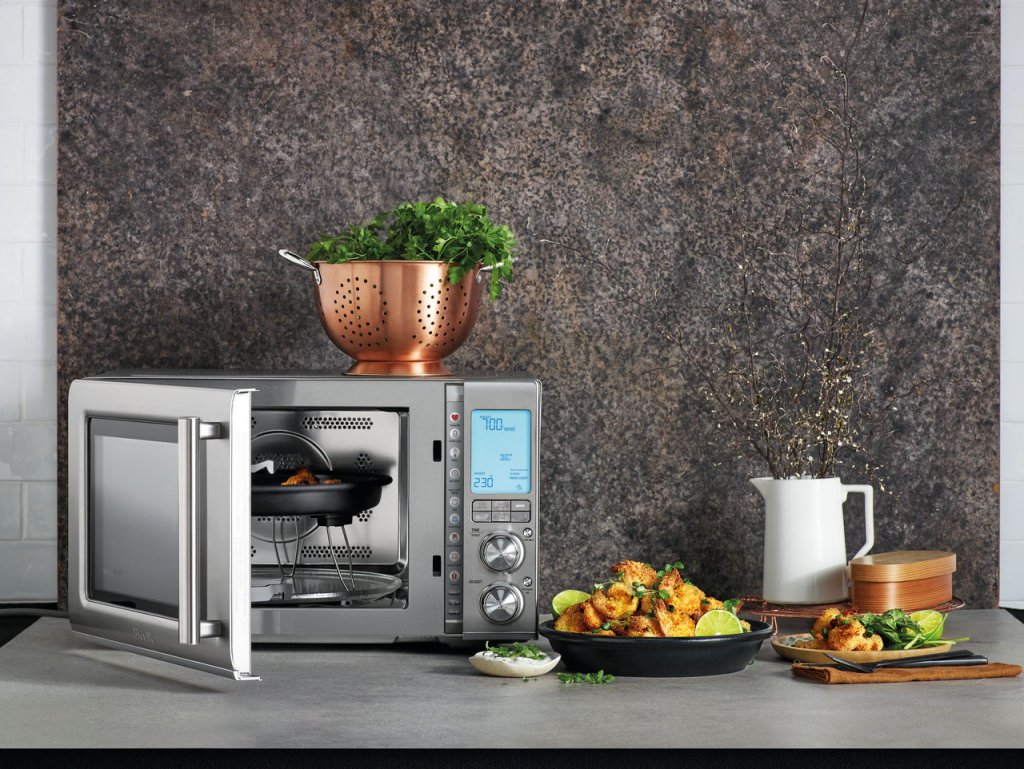
The microwave oven, a true workhorse of the modern kitchen, operates on a fundamentally different principle. It uses electromagnetic waves, specifically microwaves, to excite water molecules within your food. This rapid vibration generates heat, cooking or reheating food from the inside out. It's a marvel of efficiency, known for its ability to quickly warm up leftovers, defrost frozen items, or even boil a cup of water in minutes.
The primary advantage of a microwave is its sheer speed and unparalleled convenience. For those mornings when you're rushing out the door and just need to warm up a coffee or a quick breakfast, nothing beats a microwave. It's also incredibly useful for defrosting meats safely and efficiently. Through the years, my microwave has been my go-to for quick workday lunches, easily warming up prepared meals. However, its method of heating food primarily through water molecules means it struggles to achieve any browning or crispiness. Foods often come out soft, sometimes rubbery, and can heat unevenly, leading to cold spots. It's fantastic for speed, but not for texture or developing complex flavors.
Air Fryer vs. Microwave Oven: A Head-to-Head Comparison
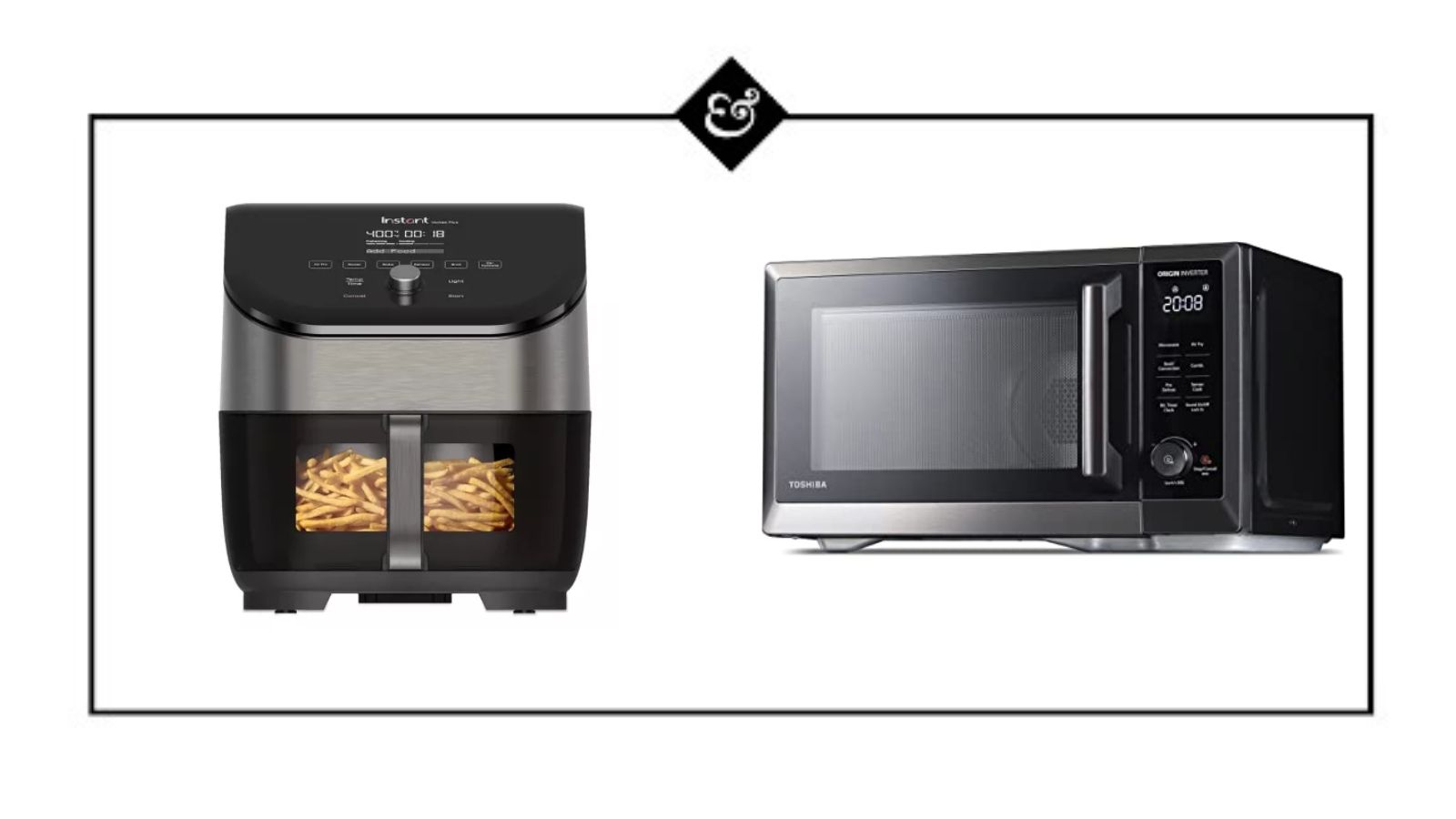
When considering "air fryer vs microwave oven which is better," it’s crucial to look at how these appliances stack up in key areas. They aren't really direct competitors but rather complementary tools, each excelling in different kitchen tasks.
Cooking Method and Results
The core difference lies in their cooking methods. An air fryer uses convection heat, essentially circulating extremely hot air to cook food and create a crispy, often browned, exterior. This makes it ideal for foods where texture is paramount, like fried chicken, roasted vegetables, or anything you'd typically bake or fry. A microwave, on the other hand, uses electromagnetic radiation to heat water molecules, steaming food from the inside. This is why microwaved food often comes out soft and moist, lacking any crispness or browning. If you're pondering air fryer vs microwave oven which is better for achieving a golden-brown finish, the air fryer is the clear winner.
Speed and Efficiency
For sheer speed in reheating or defrosting, the microwave oven is unmatched. It can warm up a plate of leftovers in a minute or two. An air fryer, while faster than a traditional oven, still requires a few minutes to preheat and then cooks for a longer duration than a microwave, typically 10-20 minutes for many dishes. So, if your priority is simply to get food warm as quickly as possible, the microwave takes the lead.
Food Suitability
This is where the distinction truly shines. An air fryer excels with foods that benefit from dry heat and a crispy finish – think frozen appetizers, chicken nuggets, French fries, roasted vegetables, or even fresh fish and chicken breasts. It's also fantastic for revitalizing leftovers that might otherwise turn soggy in a microwave, like pizza or spring rolls. The microwave is best for liquid-rich foods, reheating pre-cooked meals, cooking simple vegetables, melting butter, or making popcorn. Can an air fryer replace a microwave for all cooking needs? No, because they serve distinct purposes. You wouldn't make a bowl of oatmeal in an air fryer, nor would you expect crispy onion rings from a microwave.
Health Aspects
For foods that are traditionally deep-fried, an air fryer offers a significantly healthier alternative by drastically reducing the amount of oil needed. It allows you to enjoy "fried" textures with far less fat and calories. Is an air fryer truly healthier than a microwave? Yes, if you're comparing it to deep-frying. A microwave itself doesn't inherently make food healthier or unhealthier; it just heats it. The health aspect largely depends on the food you choose to cook in it.
Energy Consumption
Generally, microwaves use less energy per minute of operation because their cooking times are so short. However, air fryers, while running longer, are often more energy-efficient than a full-sized oven for smaller portions, as they heat up and cook a smaller space more quickly. For small reheating tasks, the microwave is more energy-efficient, but for cooking from scratch or crisping, the air fryer can be more efficient than turning on a large oven.
Cost and Size
Microwave ovens are typically more affordable and come in a wider range of sizes, including compact models perfect for small apartments. Air fryers have become more budget-friendly, but higher-end models can still be a significant investment. They also tend to be bulkier than many microwaves, requiring more countertop space.
Making the Right Choice for Your Kitchen
Deciding on "air fryer vs microwave oven which is better" truly boils down to your personal cooking habits, lifestyle, and kitchen needs.
If your primary goal is rapid reheating of leftovers, defrosting frozen items, or quickly warming up drinks and simple meals, a microwave oven is an indispensable tool. It’s perfect for busy individuals, dorm rooms, or offices where speed and convenience are paramount.
However, if you prioritize healthier cooking, crave crispy textures, enjoy cooking from scratch, or frequently prepare frozen snacks and appetizers, an air fryer will be a fantastic addition. It excels at transforming ordinary ingredients into delicious, guilt-free treats. From my own experience, after much debate on air fryer vs microwave oven which is better, I found that having both appliances provides the ultimate kitchen versatility. The microwave handles the quick re-heats and defrosts, while the air fryer takes care of all the crisping, roasting, and healthier "frying" tasks. They truly complement each other, covering nearly every cooking need without compromise.

Frequently Asked Questions
Which appliance is better for reheating pizza?
An air fryer is significantly better for reheating pizza, as it restores the crust's crispiness and heats the toppings evenly, avoiding the soggy results often seen with a microwave.
Can I cook a whole chicken in an air fryer?
While smaller air fryers might struggle, many larger models (especially oven-style air fryers) can comfortably cook a whole chicken, delivering incredibly crispy skin and juicy meat.
Is it safe to use metal in an air fryer?
Generally, it's safe to use small amounts of oven-safe metal, like aluminum foil or small metal ramekins, in an air fryer, but always check your specific air fryer's manual for recommendations.
Do air fryers make food taste like deep-fried food?
Air fryers can produce food with a similar crispy texture to deep-fried food, but without the heavy oil saturation, meaning the taste will be less greasy and often lighter.
Which one is easier to clean?
Microwave ovens are generally easier to clean as they typically only require a wipe-down of the interior. Air fryers often have baskets or racks that need to be washed after each use, which can be more involved.
Can an air fryer defrost food like a microwave?
While some air fryers have a defrost setting, they are not as efficient or fast as microwave ovens for defrosting food, which specifically uses microwaves to target ice crystals.
Conclusion
Ultimately, the choice between an air fryer and a microwave oven isn't about one being universally "better" than the other, but rather which one aligns more closely with your everyday cooking priorities and culinary aspirations. The microwave stands as the undisputed champion of speed and convenience for reheating and defrosting. The air fryer, on the other hand, is a game-changer for anyone seeking healthier ways to achieve crispy textures and "fried" flavors without excessive oil. Evaluate your kitchen routine: do you often need to quickly warm up leftovers, or do you crave perfectly crisp chicken wings and roasted veggies? Many households, like mine, find that owning both offers the best of both worlds, providing a comprehensive toolkit for almost any meal prep challenge. Consider your needs, explore the possibilities, and make an informed decision that enhances your cooking journey!