
Arabica is smoother and aromatic; Robusta is stronger, bolder, and more caffeinated.
If you want a clear, friendly guide on Arabica Coffee vs Robusta, you are in the right place. I have brewed, blended, and cupped both for years, from home setups to pro tastings. In this deep dive, I explain how they differ in taste, caffeine, farming, price, and best brewing uses. By the end, you will know which bean fits your taste, your gear, and your budget.

What Makes Arabica Different From Robusta?
When people debate Arabica Coffee vs Robusta, they are comparing two coffee species. Arabica is Coffea arabica. Robusta is Coffea canephora. They look alike as green beans, yet they behave very differently in the cup and on the farm.
Arabica is native to the highlands of Ethiopia. It grows best at higher altitudes and cooler nights. It is self-pollinating and more delicate. Robusta hails from Central and West Africa. It thrives in lower elevations and warmer climates. It is cross-pollinating and more hardy.
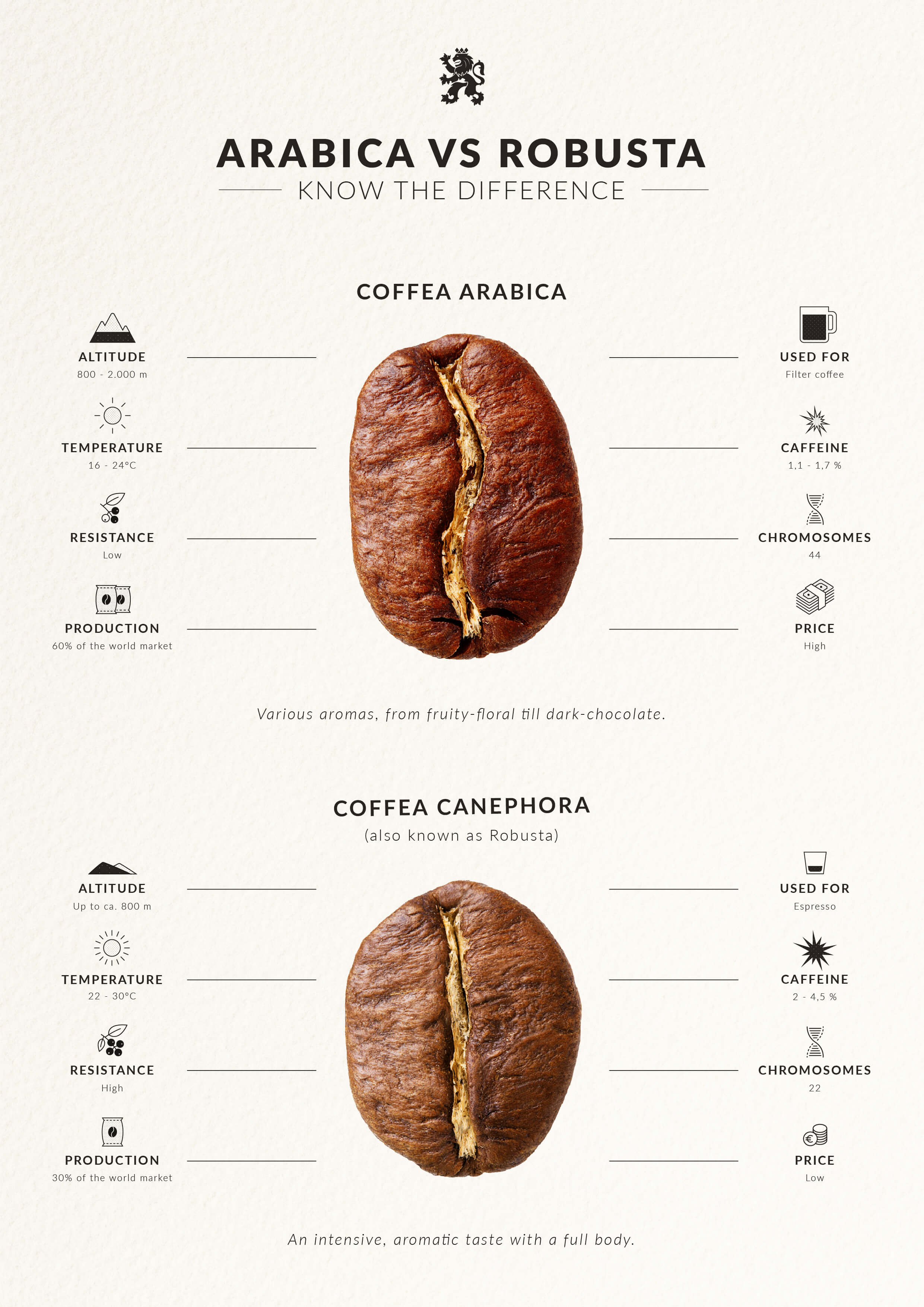
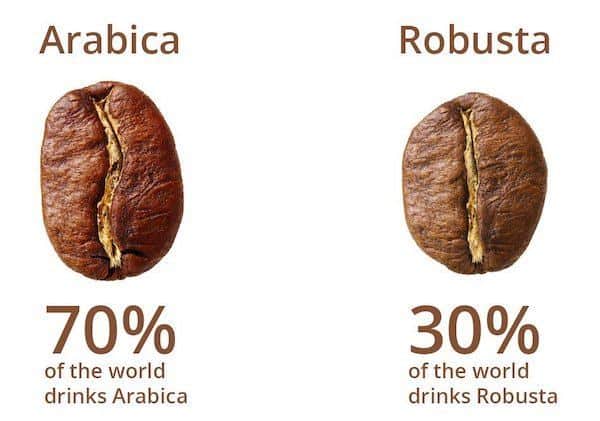
Arabica beans are oval with a curved crease. Robusta beans are rounder with a straight crease. Those shapes hint at the inner makeup. Arabica has more natural sugars and oils. Robusta packs more caffeine and certain acids. That is why Arabica tastes soft and sweet, and Robusta hits bold and bitter.
Flavor, Aroma, and Body
In Arabica Coffee vs Robusta tasting, flavor is the first split you feel. Arabica often brings notes of fruit, flowers, honey, or cocoa. The body is silky. The finish can be long and clean. It is a gentle ride with many layers.
Robusta leans earthy and nutty, with dark chocolate and wood tones. It has a heavier body and a punchy bite. It can taste harsh if roasted or brewed wrong. Yet a good Robusta, grown and processed with care, can taste clean and strong.
From my cuppings, washed Arabica from Ethiopia can show jasmine, lemon, and tea-like notes. A well-processed Robusta from Vietnam can be bold, with dark cocoa and a thick mouthfeel. If you take milk or cream, Robusta stands up well. If you sip black and seek nuance, Arabica shines.

Caffeine, Acids, and Oils: The Chemistry Behind the Taste
Arabica Coffee vs Robusta also shows up in the cup because of chemistry. Arabica has less caffeine, about 1.2 to 1.5 percent. Robusta often ranges from 2.2 to 2.7 percent. More caffeine adds bitterness and a stronger buzz.
Arabica carries more natural sugars and lipids. Those support sweetness, aroma, and crema texture. Robusta has higher chlorogenic acids. These add bite and body but can turn bitter if over-extracted. Lipids in Arabica sit around the mid-teens by percent of dry matter. In Robusta, they sit lower. That is one reason Arabica smells complex and feels smooth.
This balance guides brew choices. If you want a clean, sweet cup, light-roast Arabica is a great start. If you need power and crema in milk drinks, a blend with some Robusta nails it.
Farming, Altitude, and Yield
On farms, Arabica Coffee vs Robusta means different needs and risks. Arabica grows best between about 2,000 and 6,500 feet. It likes cool nights and steady rain. It is prone to leaf rust and pests. Robusta grows well from sea level to about 2,600 feet. It handles heat and humidity better and shrugs off more pests.
Robusta trees often yield more per acre and need fewer inputs. That lowers costs for growers. Arabica needs more care and shade at times. It rewards that care with higher cup scores and higher prices when quality is high.
Climate change is changing the map. Heat and erratic rain hurt Arabica zones. Robusta is filling some gaps in warmer areas. Yet Robusta hates cold snaps. Both need smart farming to adapt. Shade trees, soil care, and better varieties can help keep quality high.
Price, Quality Grades, and Market Trends
In the market, Arabica Coffee vs Robusta pricing reflects risk and demand. Arabica usually sells for more. Top microlots can go very high. Robusta trades lower on average, though fine Robusta can earn premiums now.
Buyers grade beans by size, defects, and cup score. Arabica lots with fewer defects and higher scores bring more money. Robusta is graded too, and “fine Robusta” is a growing niche. Blenders often mix 70 to 90 percent Arabica with 10 to 30 percent Robusta for espresso. That blend gives sweet notes and strong crema.
Trends show steady demand for specialty Arabica. At the same time, large brands use more Robusta to manage costs and keep caffeine high. As farm costs rise, expect more interest in high-quality Robusta on café menus.

Brewing Tips: When to Choose Arabica vs Robusta
At home, Arabica Coffee vs Robusta choice depends on brew style and taste. I keep two jars on my shelf. One is a washed Arabica for pour-over. The other is a blend with 20 percent Robusta for my moka pot. Each has a job.
Try this simple guide:
- Pour-over or drip. Use 100 percent Arabica for clarity and sweet notes.
- Espresso. Use an Arabica base with 10 to 30 percent Robusta for crema and punch.
- Milk drinks. Add some Robusta to cut through milk and keep a bold taste.
- Cold brew. Arabica gives a smooth, sweet brew. Robusta can add body and caffeine.
- French press. Arabica for a round, rich cup. A touch of Robusta if you like a heavy body.
Practical tips from my tests:
- If espresso tastes flat, add 10 percent Robusta. Your crema will bloom.
- If moka pot tastes harsh, slow the heat and grind a bit coarser. Use more Arabica.
- If cold brew is dull, add a small dose of Robusta. It boosts depth without harshness.

Health, Sustainability, and Ethics
For bodies and the planet, Arabica Coffee vs Robusta has trade-offs. Robusta’s higher caffeine may not suit people who get jitters. Arabica tends to be smoother on the stomach, yet brew method matters. Cold brew and medium roasts can lower perceived acidity in the cup.
Both species offer antioxidants. Taste and tolerance should guide your pick. If you are sensitive to caffeine, keep serving size small or choose Arabica. If you want a strong buzz for workouts, a Robusta blend works well.
On sustainability, Robusta’s resilience can mean less pesticide use in some regions. Arabica grown with shade trees can support birds and soil health. Fair pay and transparent buying help both sets of farmers. Ask your roaster about origin, lot info, and harvest date. Freshness and trace data are good trust signals.

Frequently Asked Questions of Arabica Coffee vs Robusta
Which is healthier, Arabica or Robusta?
Both can be part of a healthy diet. Robusta has more caffeine and chlorogenic acids, while Arabica has more lipids and sugars that shape aroma and feel.
Is Robusta always bitter?
No. Poor roasting and over-extraction cause harsh cups. Well-grown, fresh Robusta roasted with care can taste clean, chocolatey, and bold.
Why is Arabica more expensive?
It is harder to grow, yields less, and often scores higher on quality tests. These factors raise farm risk and price, especially for specialty lots.
Can I mix Arabica and Robusta at home?
Yes. Start with 80 percent Arabica and 20 percent Robusta for espresso. Adjust to taste if you want more crema or strength.
Which is better for espresso, Arabica or Robusta?
Many cafés use an Arabica base with some Robusta. This blend gives sweetness, structure, dense crema, and a strong finish in milk drinks.
Conclusion
Arabica Coffee vs Robusta comes down to taste, strength, and use. Arabica brings nuance, sweetness, and aroma. Robusta adds body, crema, and a firm caffeine kick. Your best cup might be a smart blend or a single-origin gem.
Test small batches, take notes, and match the bean to your brew gear. Explore your palate the same way you try new foods. If this guide helped, share it with a coffee friend, subscribe for more brew tips, or leave a comment with your favorite blend ratio.



One Comment