
Introduction
If you had a tooth removed by a dentist or oral surgeon in the United States, it is usually best to wait at least 24 hours before drinking coffee. Hot coffee can loosen the blood clot that protects the empty tooth socket. The heat, suction, and caffeine may also increase discomfort or bleeding.
Your dentist’s instructions come first. A simple extraction may heal faster than a wisdom tooth removal, surgical extraction, or bone graft. When you do return to coffee, choose a lukewarm drink, take small sips, and do not use a straw.

Quick answer: How long should you wait to drink coffee?
Most people should wait 24 hours after a tooth extraction before drinking coffee. Some dentists advise waiting 48 hours, especially after wisdom tooth surgery or if bleeding continues.
Use this guide:
| Situation | Usual coffee advice |
|---|---|
| Simple tooth extraction | Wait at least 24 hours |
| Wisdom tooth removal | Wait 24–48 hours, or follow your surgeon’s advice |
| Surgical extraction | Often wait 24–48 hours |
| Extraction with bone graft | Follow the surgeon’s exact instructions |
| Ongoing bleeding | Do not drink coffee yet |
| Strong pain, swelling, or infection signs | Call your dentist |
The safest first drink is cool or room-temperature water. Once your dentist allows coffee, let it cool first. Drink it from a cup, not through a straw.

Why can coffee cause problems after tooth extraction?
Coffee may cause problems because the extraction site needs a stable blood clot. This clot covers the exposed bone and helps new tissue grow. If the clot breaks down or moves, the socket may become painful and slow to heal.
Heat may increase bleeding
Hot drinks can irritate the fresh wound. Heat may also widen nearby blood vessels. This can make the area bleed again, especially during the first day.
For this reason, avoid:
- Hot coffee
- Hot tea
- Hot soup
- Very hot cocoa
- Any drink that makes the extraction site feel warm or sore
Let coffee cool to lukewarm before drinking it.
Suction can disturb the blood clot
Sipping through a straw creates suction in the mouth. That pressure can pull on the clot. The same concern applies to smoking, vaping, and forceful spitting.
Drink from an open cup instead. Take gentle sips and swallow without force.
Caffeine may affect how you feel
Caffeine does not always cause a problem by itself. However, it may make some people feel shaky, anxious, or aware of their heartbeat. Those effects can feel worse after dental surgery, pain medicine, poor sleep, or mild dehydration.
Coffee can also replace water. Your body needs fluids during recovery, so make water your main drink.
Milk and sugar are not the main concern
Milk and sugar do not usually damage the extraction site by themselves. The bigger concerns are heat, suction, and irritation.
Still, very sweet drinks may leave sugar near the wound. After the first 24 hours, follow your dentist’s instructions for gentle rinsing. Do not swish hard.

What should I drink during the first 24 hours?
Choose cool or room-temperature liquids during the first day. Water is the best choice. You can also ask your dentist whether these options are suitable for you:
- Plain water
- Cool oral rehydration drinks
- Smooth, non-acidic drinks
- Cool broth that is not hot
- Smooth foods with enough fluid
Avoid drinks that can irritate the wound or affect the blood clot:
- Hot coffee
- Alcohol
- Carbonated drinks, if they cause discomfort
- Citrus drinks, if they sting
- Drinks through a straw
- Very sugary drinks
- Energy drinks with high caffeine
Do not rinse your mouth hard during the first 24 hours unless your dental professional tells you to do so. Gentle care helps protect the clot.

How to drink coffee safely after tooth extraction
If your bleeding has stopped and your dentist has not told you to avoid coffee, use these steps:
- Wait at least 24 hours. Wait longer if your dentist advised it or if the extraction was complex.
- Check the temperature. Coffee should be cool or lukewarm, not hot.
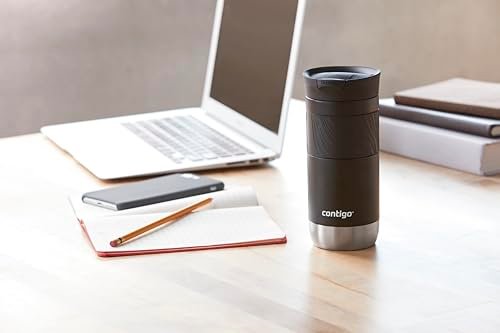
- Use a regular cup. Do not use a straw, travel lid that requires strong suction, or narrow bottle.
- Take small sips. Do not swish the coffee around your mouth.
- Keep it plain if possible. Avoid thick, sticky, or very sweet add-ins near the wound.
- Drink water too. Have water before and after the coffee.
- Watch the socket. Stop if pain or bleeding increases.
- Follow your dentist’s cleaning instructions. After the first day, your dentist may allow gentle salt-water rinses.
A small, lukewarm coffee is a better first test than a large, very hot drink. If the site stays calm, you can slowly return to your normal routine.

Can I drink iced coffee after tooth extraction?
Iced coffee may be easier to tolerate than hot coffee, but it is not automatically safe right away. The cold temperature does not remove the risk from suction, straws, caffeine, or added sugar.
If you drink iced coffee after your waiting period:
- Do not use a straw.
- Do not create strong suction.
- Sip from a cup.
- Avoid very acidic flavor syrups if they sting.
- Choose a drink with little added sugar.
- Stop if the area starts throbbing or bleeding.
A cold drink may feel soothing, but it cannot prevent dry socket. Protecting the blood clot matters more than the drink’s temperature.

What changes the waiting time?
The right waiting time depends on the type of dental procedure and your health.
Simple extraction
A simple extraction removes a visible tooth with dental tools. Many people can return to lukewarm coffee after 24 hours if bleeding has stopped and pain is mild.
Wisdom tooth removal
Wisdom tooth removal often involves more tissue injury. The dentist may cut the gum or remove a small amount of bone. For this reason, your oral surgeon may recommend waiting 48 hours or longer.
Surgical extraction
An impacted tooth or broken tooth may need a surgical extraction. This type of wound may bleed or swell more than a simple extraction. Follow the written instructions from your dental office.
Bone graft or implant preparation
If your dentist placed bone-graft material, do not assume that the advice for a simple extraction applies. Ask the dental office when you may drink hot or caffeinated beverages.
Sedation or anesthesia
If you received sedation, follow all food and drink instructions until you are fully alert. Do not drink coffee if your care team told you to avoid oral intake for a set time.
Medical conditions and medicines
Ask your dentist or physician for personal advice if you:
- Take blood thinners
- Have a bleeding disorder
- Have uncontrolled high blood pressure
- Have diabetes
- Are pregnant or sensitive to caffeine
- Take medicine that interacts with caffeine
- Had heavy bleeding during or after the extraction

What if coffee causes bleeding after extraction?
If the socket starts bleeding after coffee, stop drinking it. Sit upright and place clean gauze over the area. Bite with steady, gentle pressure for about 30 minutes, unless your dentist gave different instructions.
Do not keep checking the socket every few minutes. Do not spit forcefully, rinse hard, or use a straw. These actions may disturb the clot.
Call your dentist if:
- Bleeding does not slow after firm pressure
- Your mouth fills with blood
- You feel weak, faint, or very dizzy
- Pain becomes severe
- Bleeding returns several times
- You have swelling that makes breathing or swallowing hard
If you take a prescribed blood thinner, do not stop it on your own. Contact your dentist or prescribing clinician.

Coffee, dry socket, and normal healing
A dry socket happens when the protective clot is lost or breaks down too soon. It can cause strong, deep pain that may spread toward the ear, temple, or jaw. The socket may look empty, and bad taste or bad breath may occur.
Coffee does not guarantee that a dry socket will develop. However, hot drinks, straws, smoking, and forceful rinsing may increase the chance of disturbing the clot.
Contact your dentist if pain gets worse two to five days after extraction instead of improving. A dentist can examine the socket and provide treatment. Do not place aspirin directly on the gum, as it may irritate the tissue and increase bleeding.

When can I return to my normal coffee routine?
Many people can return to their usual coffee routine after 24–48 hours if:
- Bleeding has stopped
- Pain is controlled
- Swelling is not getting worse
- The extraction was uncomplicated
- Their dentist has not given stricter instructions
Return slowly. Start with a smaller cup at a mild temperature. Keep drinking water and avoid a straw until the area has healed well.
If coffee causes throbbing, fresh bleeding, or sharp pain, stop and wait. Contact your dental office if the problem continues.

Common mistakes to avoid
Avoid these common habits after an extraction:
Drinking coffee while it is very hot
A drink can feel comfortable on your lips but still be too hot for a fresh socket. Let it cool before sipping.
Using a straw
The suction can place stress on the clot. Drink from an open cup instead.
Smoking after coffee
Many people pair coffee with a cigarette or vape. Smoking can slow healing and expose the wound to heat and chemicals. Ask your dentist how long you should avoid tobacco; many dental offices advise several days or longer.
Swishing or spitting hard
Do not try to “wash” the coffee out with force. Use only gentle rinsing when your dentist says it is safe.
Ignoring worsening pain
Mild soreness is common. Pain that becomes stronger after a few days needs dental advice.
Treating online advice as a personal clearance
General guidance cannot account for your extraction, stitches, medicines, or health history. Your dentist’s instructions should override general timelines.

Key takeaways
- Wait at least 24 hours before drinking coffee after most tooth extractions.
- After wisdom tooth or surgical extraction, you may need to wait 24–48 hours or longer.
- Choose coffee that is cool or lukewarm, not hot.
- Do not use a straw or create strong suction.
- Drink water and follow your dentist’s cleaning instructions.
- Stop if coffee causes pain or bleeding.
- Call your dentist for heavy bleeding, severe pain, worsening swelling, fever, or trouble breathing or swallowing.
Frequently asked questions
Can I drink coffee 12 hours after tooth extraction?
It is usually better to wait until at least 24 hours have passed. At 12 hours, the blood clot is still vulnerable. Your dentist may give different advice based on the procedure.
Can I drink coffee before tooth extraction?
Your dentist may allow food and drink before a simple extraction, but sedation changes the rules. If you will receive sedation or anesthesia, follow the fasting instructions from your dental office.
Can I drink coffee with cream after tooth extraction?
Cream is usually not the main concern. Temperature and suction matter more. If your dentist allows coffee, use a lukewarm drink and sip from a cup.
Can I drink decaf coffee after tooth extraction?
Decaf coffee still may be hot and may require sipping. Wait the recommended time, let it cool, and avoid a straw. Decaf does not remove the risk of heat or suction.
Is cold coffee better than hot coffee after extraction?
Cold coffee may be less irritating than hot coffee, but it is not risk-free. Avoid straws, strong suction, excess sugar, and coffee before the recommended waiting period.
When should I call the dentist after drinking coffee?
Call your dentist if you develop heavy bleeding, severe or worsening pain, a bad taste with increasing pain, fever, pus, or swelling that affects breathing or swallowing.
Conclusion
For most people in the United States, the safest answer is to wait at least 24 hours after tooth extraction before drinking coffee. After that, choose a lukewarm drink, use a normal cup, and take gentle sips. Wisdom tooth removal, surgical extraction, bone grafts, ongoing bleeding, and certain medical conditions may require a longer wait.
If your dentist gave you a specific timeline, follow it. When in doubt, protect the blood clot and call the dental office before returning to coffee.



One Comment