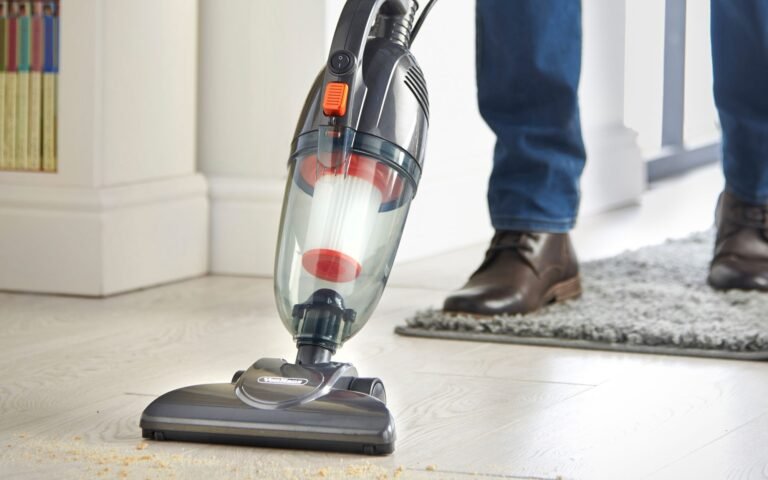
Most vacuum cleaners operate between 60 to 80 decibels (dB), similar to a normal conversation or a noisy restaurant.
As someone who's spent countless hours battling dust bunnies and evaluating home appliances, I can tell you that the sound a vacuum cleaner makes isn't just a number on a spec sheet; it's a critical factor in your cleaning experience. We've all been there – trying to clean while someone is on a call, or waking up the entire house with a roaring machine. Understanding how loud a vacuum cleaner is and what those decibel levels actually mean can transform your chore from a noisy nuisance into a much more pleasant task. In this article, we'll dive deep into the world of vacuum cleaner noise, helping you find that sweet spot between powerful suction and peaceful cleaning.

Understanding Decibels: What Do the Numbers Mean?
To truly grasp how loud a vacuum cleaner is, we first need to understand the unit of measurement: decibels (dB). Decibels measure sound intensity, but they operate on a logarithmic scale, meaning that a small increase in decibel numbers represents a much larger increase in perceived loudness. For instance, a 10 dB increase signifies that a sound is roughly twice as loud to the human ear. This is why a vacuum cleaner at 70 dB can sound significantly louder than one at 60 dB, even though the numerical difference seems small. A quiet whisper might be around 30 dB, normal conversation is typically 60 dB, a busy street can be 70 dB, and a loud rock concert can exceed 100 dB.

Factors Influencing Vacuum Cleaner Noise
Several design and functional aspects contribute to how loud a vacuum cleaner is. It's not just one thing, but a combination of elements working together to create the overall sound profile.
- Motor Power and Design: The motor is the heart of any vacuum, and its power directly correlates with the suction it generates. Higher wattage motors often produce more noise as they spin faster and work harder. The motor's design, including its insulation and housing, also plays a significant role in dampening or amplifying sound. A poorly insulated motor will vibrate more and transfer that vibration into audible noise.
- Airflow and Suction Mechanism: The way air flows through the vacuum, from the nozzle to the dustbin, is crucial. Any obstructions, sharp turns, or narrow passages can create turbulence, which generates significant noise. Stronger suction often requires more vigorous airflow, which can inherently be louder.
- Filtration System: Multi-stage filtration systems, especially those with HEPA filters, can sometimes restrict airflow slightly. While essential for trapping allergens, this restriction can make the motor work harder, potentially increasing the noise level of the vacuum cleaner.
- Build Materials and Construction: The quality of the materials used in the vacuum's body, hoses, and attachments greatly impacts its sound. Thicker, more durable plastics or well-sealed components can absorb vibrations and prevent rattling. Cheaper, thinner plastics can resonate more, making the vacuum cleaner sound louder and more grating.
- Brush Bar Type: For upright and stick vacuums, the rotating brush bar is another source of noise, particularly on hard floors where bristles can create a slapping sound. Different bristle types and brush bar speeds can affect this noise.

Source: angryturtlesupply.com
Types of Vacuum Cleaners and Their Typical Noise Levels
When considering how loud a vacuum cleaner is, the type of vacuum you own or are looking to buy makes a big difference. Each design has inherent characteristics that influence its sound output.
- Upright Vacuums: These are traditionally among the louder options, often ranging from 70 to 80 dB. Their powerful motors and rotating brush bars contribute significantly to the noise, especially on carpets.
- Canister Vacuums: Generally, canister vacuums tend to be a bit quieter than uprights, typically falling between 65 to 75 dB. This is because the motor unit is separate from the cleaning head, allowing for better sound insulation in the main body.
- Stick Vacuums: With their compact design and often smaller motors, stick vacuums usually land in the 60 to 70 dB range. While convenient, their reduced power might mean they're not as effective for deep cleaning heavily soiled areas, but they are great for quick tidies.
- Robot Vacuums: These automated helpers are often the quietest, operating from 55 to 65 dB. Their motors are designed for prolonged, less intensive cleaning cycles, prioritizing low noise for unobtrusive operation. However, some models can get louder when on max power settings or when encountering obstacles.
- Handheld Vacuums: Small and portable, handheld vacuums can vary widely, but many are in the 60 to 75 dB range. Their compact size often means less space for noise insulation, yet their use is typically short-lived.
What is a good decibel level for a quiet vacuum cleaner? A good decibel level for a quiet vacuum cleaner is generally considered to be in the 60 to 65 dB range. Anything below 60 dB is exceptionally quiet, while anything above 70 dB starts to become noticeably louder and potentially disruptive.
The Impact of a Loud Vacuum Cleaner
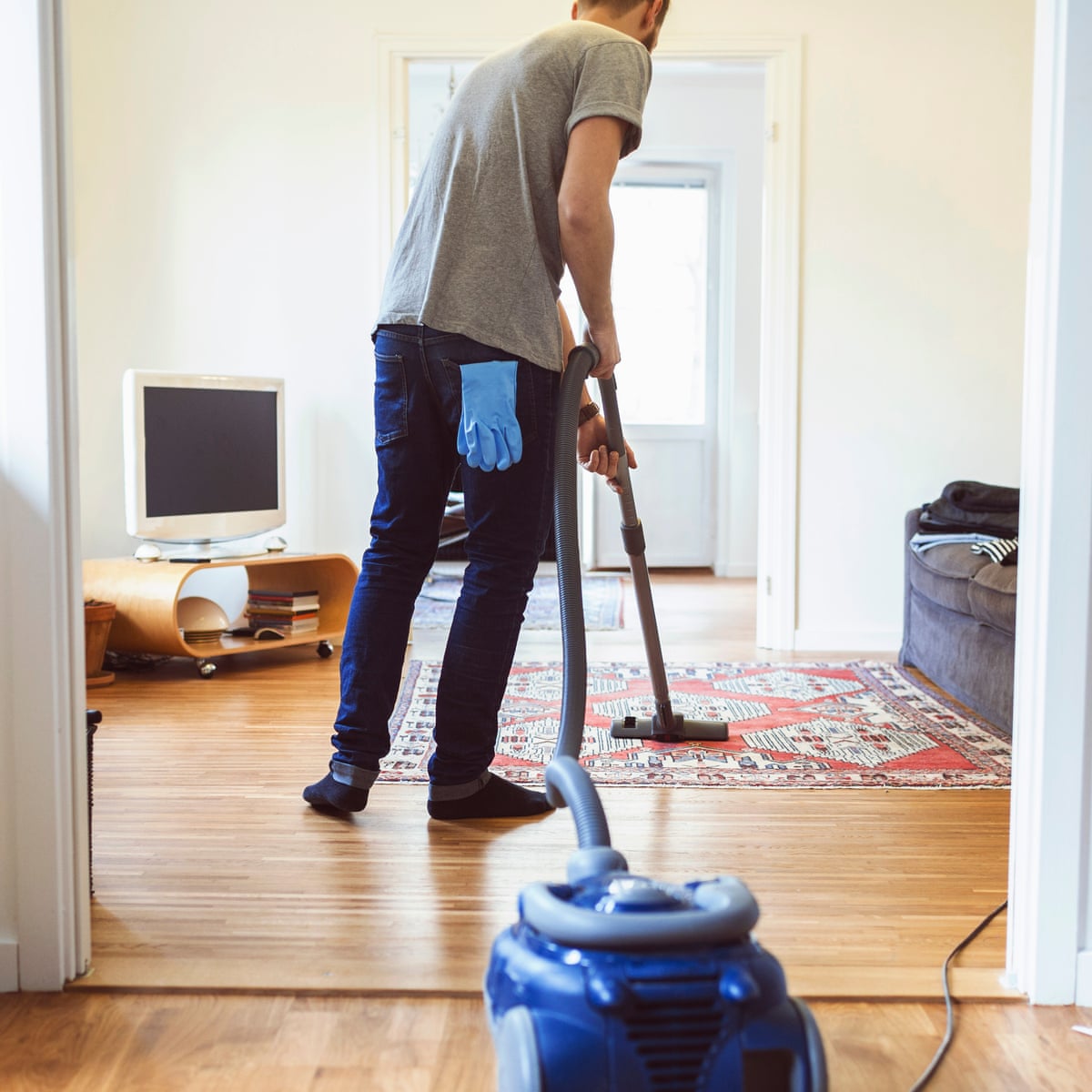
Beyond just being annoying, a loud vacuum cleaner can have several real-world impacts on your home life and even your well-being. From personal experience, I remember a particular old upright model I used to own that was so loud, it effectively halted all other household activities.
- Disruption and Inconvenience: Trying to hold a conversation, listen to music, or let a baby nap becomes impossible when the vacuum is roaring. This can restrict your cleaning to specific times, which isn't always practical. My kids always knew when I was vacuuming because the noise was unmistakable and would often complain about it.
- Hearing Health Concerns: While occasional exposure to a vacuum cleaner's noise is unlikely to cause permanent damage, prolonged and regular exposure to decibel levels above 85 dB can contribute to hearing loss over time. Most household vacuums don't reach this level, but it's something to be aware of, especially if you clean for extended periods.
- Stress and Annoyance: Constant exposure to loud, unpleasant noises can increase stress levels and lead to irritability. What should be a simple chore can become a source of dread due to the sheer noise.
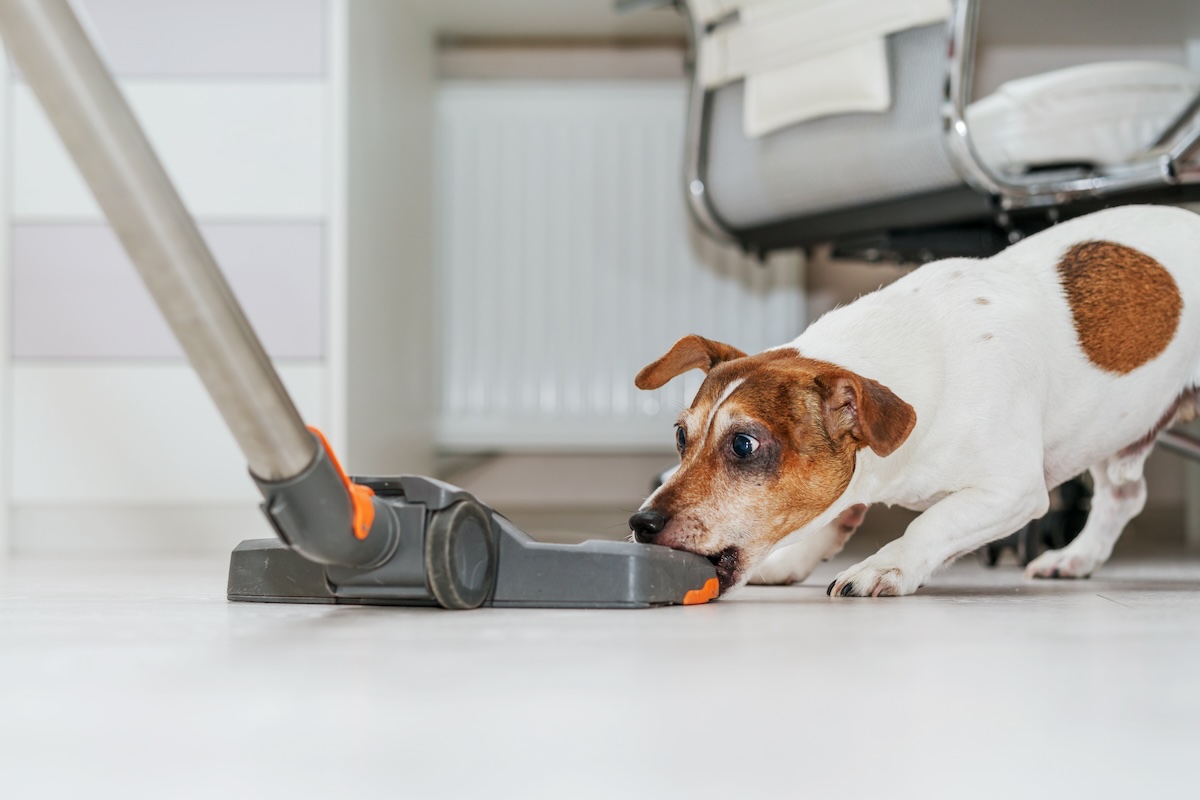
- Pet Sensitivity: Our furry friends are often much more sensitive to loud noises than we are. A noisy vacuum cleaner can be a source of significant anxiety and stress for pets, causing them to hide or bark excessively.
Source: edisonvacuums.com
Tips for Reducing Vacuum Cleaner Noise
If you find yourself asking, "how loud is a vacuum cleaner?" because yours is too noisy, don't despair! There are several things you can do to potentially quiet down your existing machine or make the cleaning experience less jarring.
- Regular Maintenance is Key:
- Empty the Dustbin/Bag: A full dustbin or bag restricts airflow, making the motor work harder and sound louder.
- Clean/Replace Filters: Clogged filters also impede airflow, forcing the vacuum to strain. Regularly cleaning or replacing them can significantly reduce the noise level and improve performance.
- Clear Blockages: Check the hose, brush bar, and nozzles for any blockages like tangled hair or debris. Obstructions create turbulence and make the vacuum work harder and louder.
- Check and Tighten Components: Loose parts can vibrate and rattle, adding to the overall noise. Periodically check that all attachments are securely fitted and that the vacuum's body components are snug.
- Lubricate Moving Parts: If your vacuum has accessible moving parts that can be safely lubricated (check your manual!), a little silicone spray can sometimes quiet down squeaks or grinding sounds.
- Use on Appropriate Surfaces: Some vacuums are louder on hard floors than on carpets due to the brush bar or suction head design. Be mindful of the surface you're cleaning.
Why are some vacuum cleaners so loud? Some vacuum cleaners are so loud primarily due to powerful motors lacking sufficient sound insulation, inefficient airflow design creating turbulence, and cheaper construction materials that resonate more vibrations. Older models or those designed for maximum suction over quiet operation also tend to be louder.
Choosing a Quiet Vacuum Cleaner
When the question "how loud is a vacuum cleaner?" becomes a primary concern in your buying decision, looking for specific features can guide you toward a quieter model. As someone who has tested countless vacuums, I've learned that manufacturers often highlight quiet operation as a key selling point for a reason.
- Look for Decibel Ratings: The most straightforward approach is to check the decibel (dB) rating on the product specifications. Aim for models in the 60-65 dB range for a truly quiet experience. Many brands are now transparent about this, which is a huge help.
- Consider Motor Technology: Vacuums with "silent" or "low-noise" motors often incorporate advanced insulation and design to minimize sound. These might use brushless motors or have specific acoustic dampening materials.
- Sealed Systems and Quality Construction: A well-sealed vacuum system prevents air leaks that can create whistling or hissing noises. High-quality, robust materials in the vacuum's construction also help absorb vibrations, reducing overall noise.
- Adjustable Power Settings: Many modern vacuums offer variable power settings. While the maximum setting might be loud, you can often achieve effective cleaning on a lower, quieter setting for less challenging messes.
- Specific "Quiet" Models: Some manufacturers specifically design and market models for quiet operation. These usually come with a slightly higher price tag but are an investment in your home's peace and quiet.
Source: hunker.com
Can a Loud Vacuum Cleaner Damage Hearing?
Can a loud vacuum cleaner damage hearing? While most household vacuum cleaners operate below the generally accepted threshold for immediate hearing damage (85 dB), sustained exposure over many years to even 70-80 dB can contribute to gradual hearing loss. For occasional use, the risk is low, but for prolonged, daily cleaning, it's a consideration.
Frequently Asked Questions
What is the average decibel level of a typical vacuum cleaner?
The average decibel level of a typical household vacuum cleaner falls between 60 to 80 dB. This range is comparable to normal conversation or background noise in a busy office.
Are robot vacuums quieter than traditional vacuums?
Yes, generally robot vacuums are significantly quieter than traditional upright or canister models, typically operating in the 55 to 65 dB range due to their smaller motors and design.
Does a louder vacuum cleaner mean it has more suction power?
Not necessarily. While very powerful motors can be louder, advancements in design and airflow efficiency mean that many modern, quieter vacuum cleaners can still offer excellent suction. It's not a direct correlation.
How can I make my existing vacuum cleaner less noisy?
You can make your existing vacuum cleaner less noisy by regularly emptying the dustbin, cleaning or replacing filters, checking for and clearing blockages, and ensuring all components are tightly fitted to prevent rattling.
What noise level should I look for if I want a quiet vacuum?
If you're looking for a quiet vacuum cleaner, aim for models with a decibel rating of 65 dB or lower. Anything in the 60-65 dB range is considered very quiet for a vacuum.
Conclusion
Understanding how loud a vacuum cleaner is and what those decibel numbers truly mean empowers you to make smarter choices for your home and well-being. We've explored everything from the technical factors influencing noise to the various types of vacuums and their typical sound profiles. It's clear that while a certain level of noise is inevitable with any cleaning appliance, you don't have to sacrifice peace for cleanliness. With careful consideration of decibel ratings, maintenance tips, and design features, you can find a vacuum cleaner that tackles dirt effectively without disrupting your entire household. Don't let a noisy machine dictate your cleaning schedule or stress levels any longer; explore the quieter options available or implement the maintenance tips we've discussed to transform your cleaning routine. Consider sharing your own experiences with noisy (or wonderfully quiet) vacuums in the comments below!