
If you buy coffee in the United States, you have likely seen the term single-origin coffee on bags at local cafés, grocery stores, and online shops. It means the coffee comes from one defined geographic source rather than a blend of beans from several origins.
That source may be a country, region, farm, cooperative, washing station, or specific lot. The exact meaning depends on how clearly the roaster shares the coffee’s supply chain. Single-origin coffee can offer a stronger sense of place, but the label alone does not guarantee better flavor, higher quality, or ethical sourcing.

What Does Single-Origin Coffee Mean?
Single-origin coffee is coffee made from beans linked to one geographic origin. The origin may be broad, such as Colombia, or narrow, such as one farm in Huila, Colombia.
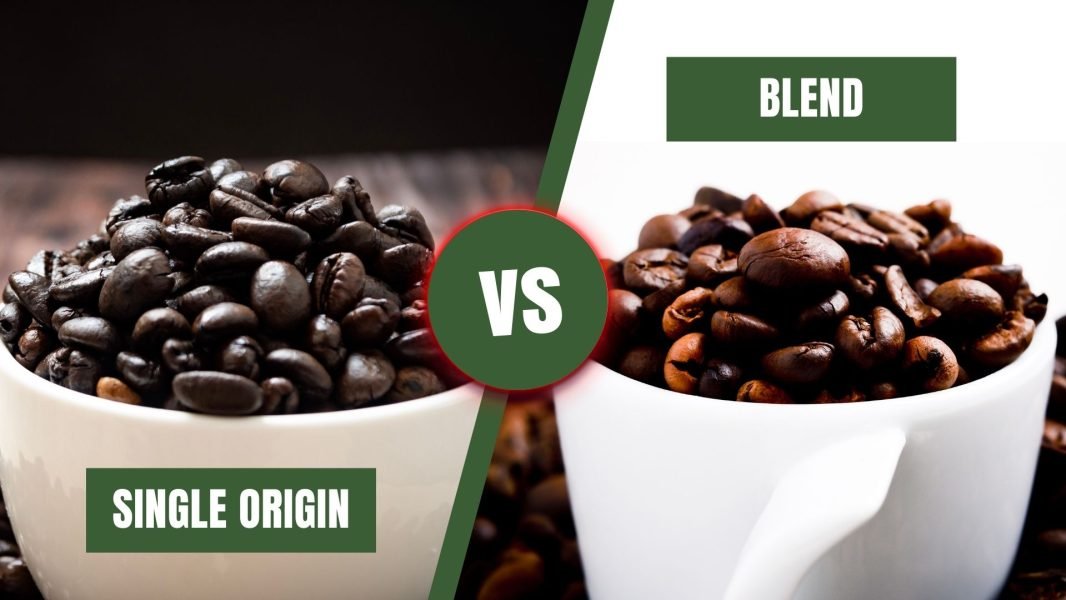
A coffee blend combines beans from two or more origins. A roaster may blend coffee to create a steady flavor, balance costs, or keep a familiar taste all year. Single-origin coffee, by contrast, aims to show the traits of one source during a particular harvest or buying period.
The term has no single worldwide legal definition that sets one required geographic size. That means one roaster may use “single origin” for a whole country, while another may use it for one farm or lot.
Common types of single-origin coffee
| Label on the bag | What it usually means |
|---|---|
| Country of origin | Beans come from one country |
| Region of origin | Beans come from one area within a country |
| Cooperative | Farmers in one cooperative supplied the coffee |
| Estate or farm | Coffee came from one named farm or estate |
| Washing station | Coffee was processed at one shared facility |
| Micro-lot | A small, separated lot with specific traceability |
| Community lot | Coffee came from a defined local group of producers |
These labels do not always describe the same level of traceability. A country-level coffee may include beans from many farms and elevations. A farm-level coffee usually gives you more specific information about where the coffee grew.
Single-Origin Coffee vs. Coffee Blends
The main difference is the number of origins in the final coffee. Single-origin coffee points to one defined source, while a blend contains coffee from multiple sources.
Neither type is automatically better. The best choice depends on what you want from your cup.
| Feature | Single-origin coffee | Coffee blend |
|---|---|---|
| Source | One defined origin | Two or more origins |
| Flavor | Often more distinct or seasonal | Often more balanced and consistent |
| Availability | May change with harvests | Often easier to keep in stock |
| Traceability | Can be very detailed, but varies | May include several supply chains |
| Best for | Exploring place and season | Reliable daily flavor |
| Taste | May show bright, floral, fruity, or earthy notes | May combine sweetness, body, and balance |
A blend can be carefully sourced and high quality. A single-origin coffee can be poorly roasted or stale. Origin is one factor in coffee quality, not a complete quality score.

Why Does Single-Origin Coffee Taste Different?
Single-origin coffee can taste different because growing conditions, plant genetics, processing, storage, roasting, and brewing all affect the final cup.
Coffee plants respond to their environment. Important factors include:
- Altitude: Higher growing areas often have cooler conditions and slower cherry development.
- Climate: Rain, sunlight, temperature, and seasonal changes affect plant growth.
- Soil: Soil helps shape plant health, although it does not act alone.
- Coffee variety: Arabica varieties can have different flavor and growth traits.
- Harvest timing: Ripe cherries often produce a cleaner and sweeter cup than mixed-ripe harvests.
- Processing method: The way farmers remove fruit from the seed changes flavor and texture.
- Storage: Heat, moisture, oxygen, and time can reduce freshness.
- Roasting: Roast level and roast development can highlight or hide origin traits.
- Brewing: Grind size, water, temperature, and brew time affect extraction.
For example, a washed coffee may taste clean and bright, while a natural coffee may show stronger fruit notes and a fuller body. These are broad patterns, not guarantees. The specific farm, crop year, processing details, roast, and brew method all matter.
Does geography create a fixed flavor?
No. Geography can influence coffee, but it does not create one fixed taste for every coffee from a region.
Two farms in the same country may produce very different coffees. They may grow different varieties, use different processing methods, or harvest at different stages of ripeness. A coffee’s flavor is better understood as the result of several linked choices and conditions.
How Is Single-Origin Coffee Produced?
Single-origin coffee moves through several stages before it reaches a U.S. coffee bag. Each stage can affect quality and traceability.
1. Coffee is grown and harvested
Coffee cherries grow on trees in the tropical coffee belt. Farmers harvest the cherries by hand, machine, or a mix of methods, depending on the farm and local conditions.
Selective harvesting focuses on ripe cherries. Strip picking removes many cherries at once, which can include fruit at different ripeness levels. Harvest systems vary by country, farm size, labor supply, and terrain.
2. The cherries are processed
The seed inside the coffee cherry becomes the green coffee bean used by roasters. Common processing methods include:
- Washed processing: Most fruit is removed before the coffee dries.
- Natural processing: Whole cherries dry before the fruit is removed.
- Honey or pulped-natural processing: Some fruit remains during drying.
- Anaerobic or other controlled fermentation: Producers manage fermentation in a low-oxygen or otherwise controlled setting.
Processing terms describe a method, not a guaranteed flavor. A natural coffee is not always intensely fruity, and a washed coffee is not always mild.
3. The coffee is dried and stored
Coffee must dry to a stable moisture level before it can be stored and shipped. Producers may dry it on raised beds, patios, or mechanical dryers.
Poor drying or storage can lead to defects. Green coffee is commonly stored in protective packaging and kept away from excess heat and moisture.
4. A roaster evaluates and roasts the coffee
Roasters assess green coffee through sample roasting and tasting. They then create a roast profile that changes the bean’s color, aroma, solubility, and flavor.
A light roast may preserve more origin character. A darker roast may bring more roast flavor and reduce some delicate notes. Roast color alone does not fully explain quality, since roast development and the coffee’s starting condition also matter.
5. The coffee is packed and brewed
After roasting, coffee slowly loses freshness. The best brewing results depend on the roast date, package design, storage, grind, water, and recipe.
A detailed origin label cannot rescue coffee that has been stored poorly or brewed unevenly. The bag tells you where the coffee came from; your brew method determines how much of that coffee you taste.

What Should You Look for on a Single-Origin Coffee Bag?
A useful single-origin label gives more than a country name. Look for details that show how specific and transparent the sourcing is.
Helpful details include:
- Country and region
- Farm, estate, cooperative, or washing station
- Producer name, when available
- Coffee variety
- Processing method
- Elevation or growing range
- Harvest season or crop year
- Roast date
- Tasting notes
- A clear explanation of the roaster’s sourcing or buying relationship
Not every roaster can publish every detail. Smallholder coffee may pass through a cooperative or washing station, making farm-level identification difficult. Missing farm-level information does not prove that the coffee lacks quality or ethical sourcing.
Be careful with vague claims
Words such as “premium,” “exotic,” and “artisan” are not enough to explain quality. A better label connects the claim to a real detail, such as a named producer group, processing method, or harvest period.
“Tasting notes” are also descriptions, not ingredients. A bag that says “peach, jasmine, and cocoa” does not contain those foods. The notes describe aromas and flavors that some people may perceive.
How to Choose Single-Origin Coffee
Choose a single-origin coffee by matching the label, roast, and flavor profile to your goal.
If you want bright or fruit-forward coffee
Look for tasting notes such as:
- Citrus
- Berry
- Stone fruit
- Floral
- Tea-like
A lighter roast may help preserve these traits, but the result also depends on brewing and the specific coffee.
If you want a balanced daily cup
Look for notes such as:
- Caramel
- Chocolate
- Nuts
- Brown sugar
- Mild fruit
A medium roast may offer a familiar balance, although roast labels are not standardized across all roasters.
If you want a fuller cup
Look for terms such as:
- Syrupy
- Rich
- Cocoa
- Spice
- Dried fruit
A natural-process coffee or a coffee roasted further may provide more body, but either choice can also make certain flavors less clear.
Match the coffee to your brew method
For pour-over and other filter methods, many people enjoy coffees with clear acidity and floral or fruit notes. For French press, AeroPress, or immersion brewing, coffees with chocolate, spice, or heavier body may feel more balanced.
Espresso is less predictable. A single-origin coffee can work well as espresso, but some coffees may taste sharp or thin when brewed under pressure. A blend is often chosen for espresso because it can combine sweetness, body, and balance.
How to Brew Single-Origin Coffee
Start with a consistent recipe rather than changing several variables at once.
- Use fresh, clean water.
- Weigh the coffee and water when possible.
- Grind just before brewing.
- Use a grind size suited to your method.
- Keep the water temperature and brew time consistent.
- Taste the coffee after it cools slightly.
- Change one variable at a time.
A common starting point for filter coffee is a coffee-to-water ratio near 1:16. For a hypothetical example, 20 grams of coffee with 320 grams of water produces that ratio. This is a starting point, not a universal rule.
If the cup tastes sour, thin, or sharp, extraction may be too low. Try a finer grind, longer brew time, or slightly hotter water. If it tastes bitter, dry, or harsh, extraction may be too high. Try a coarser grind, shorter brew time, or slightly cooler water.
Do not assume that strong flavor means good extraction. A coffee can taste intense because of roast level, bitterness, or concentration.

Is Single-Origin Coffee More Ethical?
Single-origin coffee can improve traceability, but the label alone does not prove fair pay, sustainable farming, or good working conditions.
Traceability answers a question such as, “Where did this coffee come from?” Ethical sourcing involves additional questions:
- How were producers paid?
- Was the price linked to quality or production costs?
- Did workers receive fair treatment?
- What environmental practices were used?
- Does the producer have a long-term relationship with the buyer?
- Can the roaster explain its sourcing claims?
Certifications may provide rules and oversight within a defined program, but each certification has its own scope. A certification is not the same as a complete report on every labor, environmental, and financial issue.
The most useful approach is to look for specific information rather than relying on the phrase “single origin.” A roaster that explains its sourcing model, producer relationships, and pricing approach gives you more information than a vague origin claim.
Does Single-Origin Coffee Cost More?
Single-origin coffee may cost more, but the label itself does not set the price.
Price can reflect:
- Farm size and production costs
- Labor and selective harvesting
- Processing and drying
- Quality sorting
- Transportation and import costs
- Roaster operating costs
- Certification or verification programs
- The size and scarcity of the lot
Some single-origin coffees are widely available and priced close to blends. Others come from small lots with limited supply and may cost more.
A higher retail price does not prove that farmers received a higher share. If producer payment matters to you, look for clear sourcing and pricing information from the roaster.
Common Misunderstandings About Single-Origin Coffee
“Single-origin means one farm.”
Not always. It may mean one country, region, cooperative, washing station, or farm. Read the full label to see how specific the claim is.
“Single-origin always tastes better.”
Not necessarily. Quality depends on green coffee, processing, roasting, storage, and brewing. A blend may taste better to someone who prefers a steady, balanced cup.
“All coffee from one country tastes the same.”
Coffee from one country can vary widely by region, farm, variety, processing method, roast, and crop year.
“A dark roast hides all origin flavor.”
A darker roast can make roast flavors more prominent and may reduce delicate origin notes. It does not erase every difference between coffees.
“Tasting notes are a promise.”
Tasting notes are sensory references. People may perceive them differently, and brewing changes what comes through in the cup.
“Single-origin coffee is always fresher.”
Freshness depends mainly on the roast date, packaging, storage, and time since roasting. A blend roasted recently may be fresher than an old single-origin coffee.
Frequently Asked Questions
Is single-origin coffee stronger than regular coffee?
No. “Single origin” describes where the coffee comes from, not its caffeine level or strength. Strength depends on the coffee-to-water ratio, roast, grind, brew method, and serving size.
Is single-origin coffee always Arabica?
No. Single-origin describes geographic sourcing. It does not require a particular coffee species or variety. The bag may identify Arabica, a specific variety, or no variety at all.
How long does single-origin coffee stay fresh?
There is no single freshness deadline for every coffee. Keep roasted beans sealed, cool, dry, and away from light. Use the roast date and the roaster’s guidance as your main reference. Whole beans usually preserve aroma better than ground coffee because less surface area is exposed to air.
Can I use single-origin coffee in a drip coffee maker?
Yes. Drip machines can brew single-origin coffee well. Use a grind made for flat-bottom or cone-shaped filters, follow a consistent ratio, and adjust the grind if the cup tastes too sour or bitter.
Should I buy single-origin coffee or a blend?
Choose single-origin coffee if you want to explore differences between places, harvests, and processing methods. Choose a blend if you want a familiar flavor that is often easier to keep in stock. You can enjoy both for different reasons.
Key Takeaways
- Single-origin coffee comes from one defined geographic source.
- The source may be a country, region, cooperative, farm, washing station, or lot.
- Single-origin does not automatically mean higher quality, fresher coffee, or ethical sourcing.
- Flavor depends on origin, variety, processing, harvest, roasting, storage, and brewing.
- Read the full bag label for traceability, roast date, processing details, and sourcing information.
- A single-origin coffee is a good choice when you want to explore how place and production shape flavor.
Conclusion
Single-origin coffee gives you a way to connect a cup of coffee with a defined place. It can reveal differences in climate, variety, processing, harvest, and roasting that a broad blend may combine or soften.
The smartest way to choose one is to treat the label as a starting point. Check how specific the origin is, look for a roast date, consider the tasting notes, and brew with a consistent method. Then let your own taste decide whether that coffee belongs in your daily routine.




2 Comments