For most adults in the United States, the healthiest coffee is plain, filtered coffee with little or no added sugar. A standard cup of brewed coffee can fit a healthy diet and may provide helpful plant compounds. The best choice depends on your caffeine tolerance, sleep, cholesterol level, stomach, and the ingredients added to the cup.
A simple rule works well: choose black coffee, use a paper filter when possible, keep portions moderate, and limit sweet syrups and cream. Decaf coffee is also a healthy choice if caffeine causes problems.
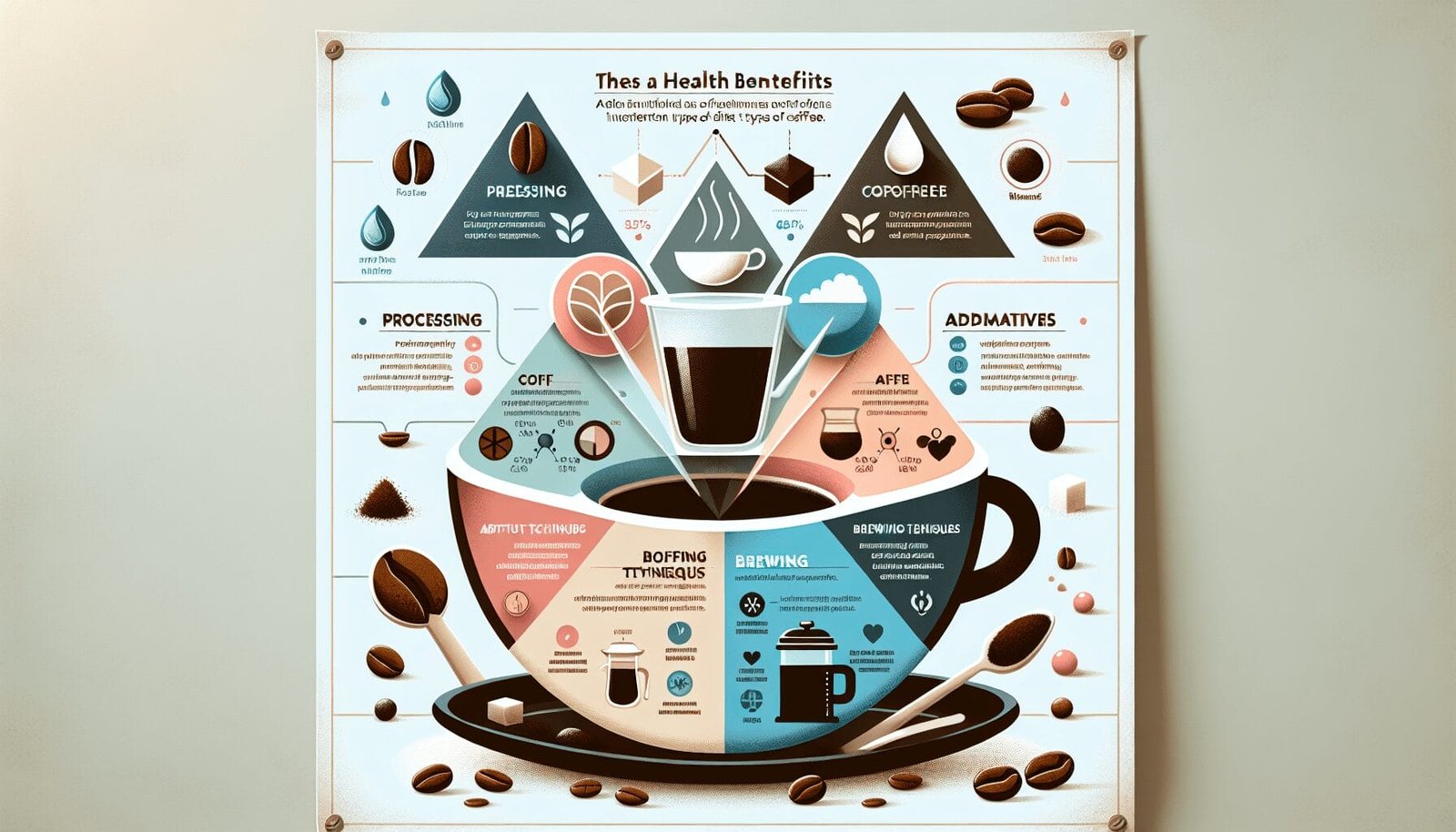
The Quick Answer: Choose Plain Filtered Coffee
Plain coffee made with a paper filter is a strong all-around choice for health. It has very few calories, no added sugar, and less of the coffee oils that may raise LDL cholesterol.
An 8-ounce cup of black brewed coffee has about 2 calories, though the exact amount varies by brand and brew method. The USDA FoodData Central database lists nutrition values for many coffee products and serving sizes.
The healthiest daily coffee usually has these traits:
- It is brewed with clean water.
- It uses a paper filter.
- It contains little or no sugar.
- It uses a modest amount of milk, if desired.
- It fits within your personal caffeine limit.
- It does not disrupt sleep or worsen symptoms.
Coffee does not become unhealthy simply because it is hot, iced, dark roast, or light roast. The larger issue is often what goes into it after brewing.

What Makes Coffee Healthy or Less Healthy?
Coffee itself is low in calories. The health difference often comes from caffeine, brewing method, and add-ins.
Caffeine
Caffeine is the main active compound in coffee. It can improve alertness and reduce feelings of tiredness. It may also cause jitters, a fast heartbeat, anxiety, heartburn, or poor sleep in sensitive people.
The U.S. Food and Drug Administration says that up to 400 milligrams of caffeine per day is an amount not generally linked with dangerous negative effects for most healthy adults. This is a general limit, not a target. Caffeine levels vary by cup size, bean type, roast, and brew method. See the FDA’s caffeine guidance.
Coffee compounds
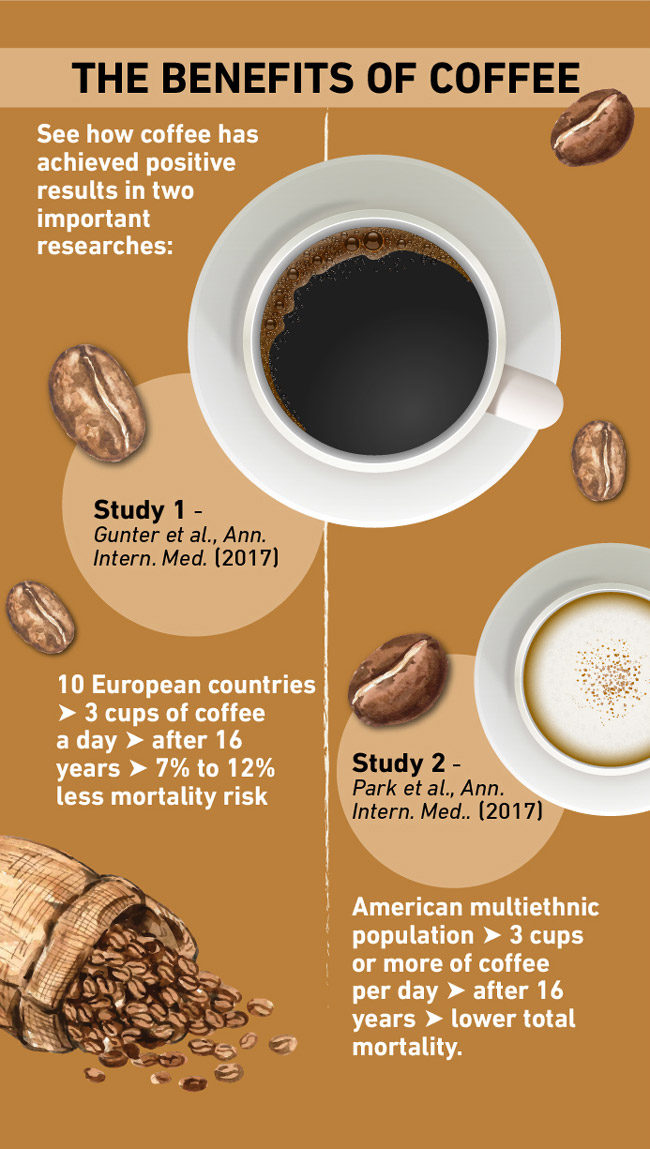
Coffee contains polyphenols and other plant compounds. These substances may help explain why coffee intake is linked with a lower risk of some health problems in many large studies.
However, much of the research is observational. That means it can show a link but cannot prove that coffee alone caused the benefit. A healthy diet, exercise, sleep, and other habits may also affect the result.
Brewing method
Some brewing methods allow more coffee oils into the cup. These oils include compounds called cafestol and kahweol. In large amounts, they may raise blood cholesterol.
Paper filters trap much of these oils. Metal filters, French presses, and boiled coffee let more pass through. This difference matters most for people with high LDL cholesterol or a strong need to manage cholesterol through diet.
Added ingredients
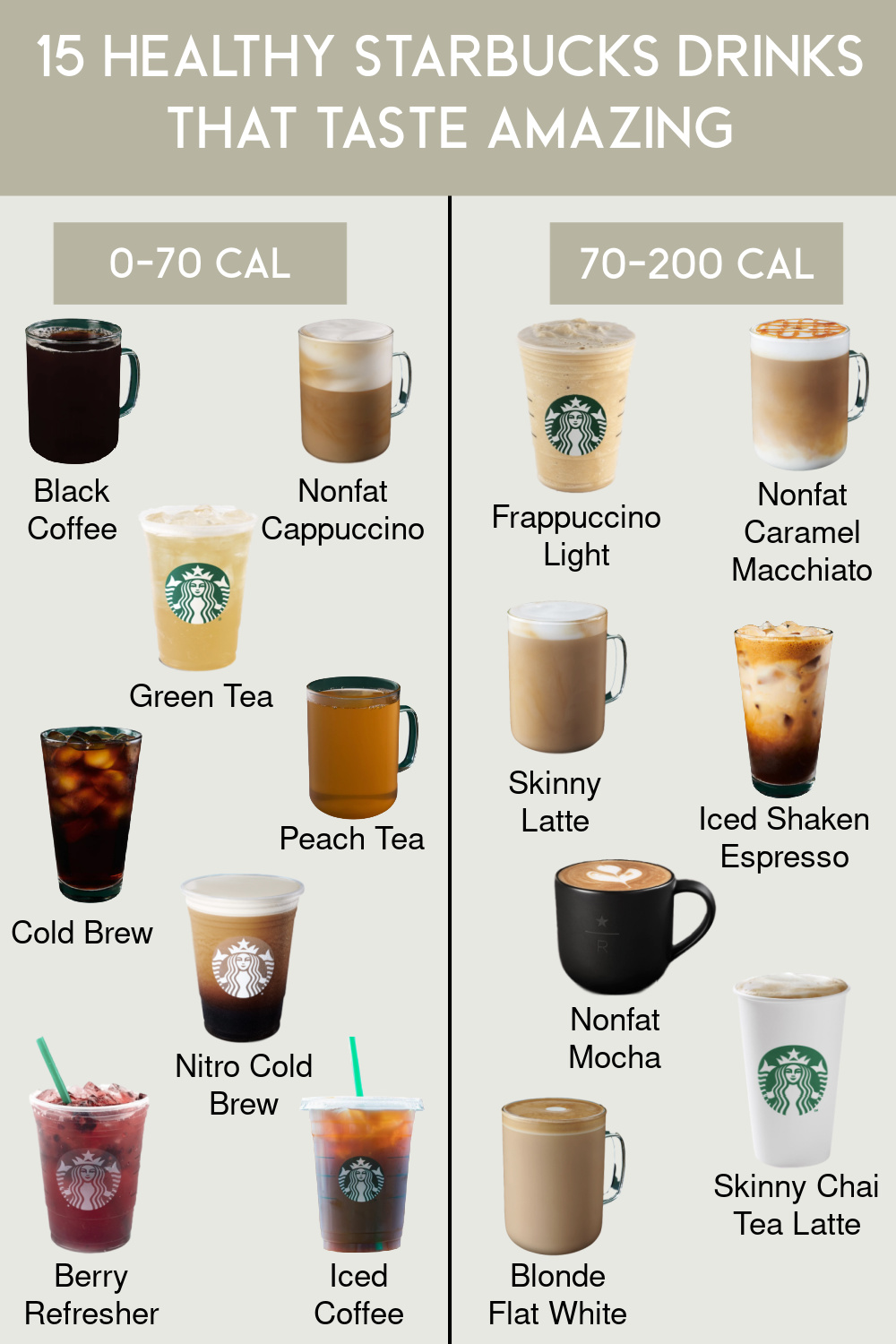
A plain cup may have almost no calories. A large coffee drink with flavored syrup, whipped cream, and sweet cream can have far more sugar and calories.
For example, a drink can shift from a simple beverage to a dessert when it contains:
- Several pumps of syrup
- Sweetened condensed milk
- Whipped cream
- Large amounts of flavored creamer
- Candy, cookie, or chocolate toppings
You do not need to avoid milk. Unsweetened milk can add protein and other nutrients. The main issue is usually added sugar and portion size.
Which Type of Coffee Is Healthiest?
No single coffee wins for every person. Use the table below as a practical guide.
| Coffee type | Main benefit | Main concern | Best fit |
|---|---|---|---|
| Paper-filtered black coffee | Low in calories and lower in coffee oils | Can be bitter; contains caffeine | Most healthy adults |
| Filtered coffee with a little milk | Softer taste and some nutrients | Milk adds calories | People who dislike black coffee |
| Decaf coffee | Coffee flavor with very little caffeine | Small amounts of caffeine remain | People with sleep or caffeine concerns |
| Cold brew | Smooth taste and often less bitter | May be served as a large, strong drink | People who prefer cold coffee |
| Espresso | Small serving and strong flavor | Caffeine is concentrated by volume | People who enjoy small portions |
| French press coffee | Rich flavor and no paper filter | More coffee oils may enter the cup | Occasional use for people with normal cholesterol |
| Instant coffee | Fast, low-calorie option when plain | Taste varies; some products contain sugar | Convenient home or office use |
| Sweetened coffee drinks | Enjoyable treat | May contain a lot of sugar and calories | Occasional treat |
Is black coffee the healthiest?
Black coffee is often the simplest choice because it has almost no calories or sugar. It is not automatically better than coffee with a small amount of unsweetened milk.
If black coffee makes you add several spoonfuls of sugar later, a little milk may be the better practical choice. A healthy coffee habit should be easy to maintain, not a daily battle.
Is decaf coffee healthy?
Yes. Decaf coffee still contains many of the compounds found in regular coffee, but it has much less caffeine. It is a good option for people who get anxious, sleep poorly, or feel shaky after regular coffee.
Decaf is not completely caffeine-free. The amount varies by product. If you must avoid caffeine for a medical reason, check the label and ask your health professional how much is appropriate.
Is light roast or dark roast healthier?
Neither roast is clearly the healthiest for everyone. Light and dark roasts differ in taste and in the amounts of certain compounds. A dark roast may taste less acidic to some people, while a light roast may have a brighter flavor.
Your best choice is the roast you can drink without adding lots of sugar or cream. Brewing method and serving size usually matter more than roast color.
How to Make a Healthier Cup of Coffee
Use this simple method at home or at work.
1. Start with a moderate serving
Begin with 8 to 12 ounces rather than a very large cup. Many coffee-shop “cups” are much larger than the traditional 8-ounce serving.
A larger serving may contain much more caffeine than expected. Check the product label when available, especially for bottled coffee, energy coffee, and strong cold brew.
2. Use a paper filter
A paper filter is a useful choice if you want to reduce coffee oils. It works with standard drip machines and pour-over brewers.
You do not need to stop using a French press or metal filter if your cholesterol is healthy and you enjoy the taste. But filtered coffee is a sensible default for people managing LDL cholesterol.
3. Keep the coffee plain or lightly sweetened
Try cinnamon, nutmeg, cocoa powder without added sugar, or a small amount of unsweetened milk for flavor. These options can reduce the need for large amounts of syrup.
If you use sugar, measure it. One teaspoon is different from an unmeasured pour that slowly becomes several teaspoons.
4. Drink it early enough to protect sleep
Caffeine can stay in the body for hours. Late-day coffee may make it harder to fall asleep, even if you feel tired at bedtime.
A useful personal test is to move your last caffeinated coffee earlier for one to two weeks. If sleep improves, keep the earlier schedule or switch later cups to decaf.
5. Count all caffeine sources
Coffee is only one source. Tea, soda, chocolate, pre-workout products, energy drinks, and some medicines may also contain caffeine.
Add these sources together before deciding that another cup is safe for you.
Signs your coffee habit is working
Your coffee routine is probably serving you well when:
- You feel alert without feeling shaky.
- Your sleep remains steady.
- You do not need large amounts of sugar.
- You have no new or worsening stomach symptoms.
- Your total caffeine intake stays within your personal limit.
- Your blood pressure and cholesterol plan remain on track.
Coffee and Health Conditions: When the Best Choice Changes
The healthiest coffee depends on your body and medical needs.
Pregnancy
The American College of Obstetricians and Gynecologists commonly advises keeping caffeine intake below 200 milligrams per day during pregnancy. This includes caffeine from coffee, tea, soda, chocolate, and medicine.
Because cup strength varies, check labels and ask your prenatal care clinician for personal advice. The ACOG guidance on caffeine during pregnancy explains the general limit.
High cholesterol
Choose paper-filtered coffee more often if you have high LDL cholesterol or have been told to limit cafestol-rich coffee. Limit large amounts of French press, boiled, or unfiltered coffee until you have discussed the choice with a clinician or dietitian.
Coffee is not a replacement for prescribed cholesterol treatment, a high-fiber diet, or other care.
Acid reflux or a sensitive stomach
Coffee may worsen reflux or stomach discomfort in some people. If symptoms occur, try:
- A smaller serving
- Decaf coffee
- Drinking coffee with food
- A less acidic-tasting coffee
- Avoiding coffee close to bedtime
If pain, trouble swallowing, vomiting, black stools, or ongoing reflux occurs, seek medical care.
Anxiety, panic symptoms, or a fast heartbeat
Caffeine can worsen anxiety or make some people feel a racing heart. Switch to decaf or reduce your serving if you notice this pattern.
Seek urgent care for severe chest pain, fainting, severe shortness of breath, or a new irregular heartbeat.
Diabetes
Plain coffee has little or no sugar, but sweet coffee drinks can add a large sugar load. People with diabetes should focus on the full drink, not just the coffee itself.
Milk, cream, syrups, and toppings may all affect calories and blood glucose. Follow the plan given by your diabetes care team.
High blood pressure
Caffeine can cause a short-term rise in blood pressure in some people. If you have high blood pressure, avoid making large changes without tracking your response.
You can measure your blood pressure before coffee and again 30 to 120 minutes afterward on several days. Share unusual readings with your health professional.

Common Mistakes That Make Coffee Less Healthy
The most common mistake is treating every coffee drink as equal. A plain 12-ounce drip coffee and a large sweetened coffee beverage may share the same base, but their nutrition can be very different.
Avoid these habits:
- Using a large cup without checking caffeine content
- Drinking coffee late and accepting poor sleep
- Adding sugar by habit rather than taste
- Assuming “natural” syrups are sugar-free
- Replacing meals with coffee
- Using coffee to cover severe sleep loss
- Ignoring a rise in anxiety, reflux, or palpitations
- Choosing unfiltered coffee often while managing high LDL cholesterol
- Assuming decaf contains no caffeine
- Mixing coffee with energy drinks or stimulant supplements
Do not judge coffee by roast name alone. “Organic,” “single-origin,” “cold brew,” and “dark roast” do not automatically mean healthier. The useful questions are simpler: How much caffeine does it contain? How much sugar is added? How large is the serving? Does it cause symptoms?

FAQs About the Healthiest Coffee
Is coffee healthier with milk or without it?
Both can fit a healthy diet. Black coffee has the fewest calories. A small amount of unsweetened milk can add protein and make the drink easier to enjoy without sugar.
Is cold brew healthier than hot coffee?
Not automatically. Cold brew may taste smooth, but some servings are very strong or very large. Check the serving size and caffeine amount. Plain cold brew is usually a low-calorie drink unless sugar, syrup, or cream is added.
Does coffee dehydrate you?
Normal coffee intake does not usually cause meaningful dehydration. Coffee contains water, and the mild diuretic effect of caffeine is generally offset by the fluid in the drink. Very large caffeine doses may cause unwanted symptoms and should be avoided.
How much coffee should you drink each day?
There is no single ideal amount. Many healthy adults can tolerate up to 400 milligrams of caffeine per day, but some people need much less. Start with a small amount and reduce it if coffee affects sleep, mood, digestion, blood pressure, or heart symptoms.
Is coffee on an empty stomach bad?
Not for everyone. Some people can drink coffee before eating with no problem. Others may develop nausea, reflux, or stomach discomfort. If that happens, drink a smaller amount with food or try decaf.
Key Takeaways
- Paper-filtered black coffee is the best general choice for most healthy adults.
- Decaf coffee is a good option for people who are sensitive to caffeine.
- Keep added sugar, syrups, and sweet cream low.
- A small amount of unsweetened milk is usually reasonable.
- Paper filters may help reduce compounds that can raise LDL cholesterol.
- Most healthy adults should stay at or below 400 milligrams of caffeine per day.
- During pregnancy, general guidance commonly limits caffeine to less than 200 milligrams per day.
- Your healthiest coffee is the one that supports good sleep and does not worsen your symptoms.
Conclusion
For most people in the United States, choose plain, paper-filtered coffee in a moderate serving. Drink it early enough to protect sleep, and add little or no sugar. If caffeine causes problems, choose decaf.
The healthiest coffee is not the most expensive roast or the trendiest brew. It is the cup that fits your health needs, tastes good without excess sugar, and leaves you feeling well.