Introduction
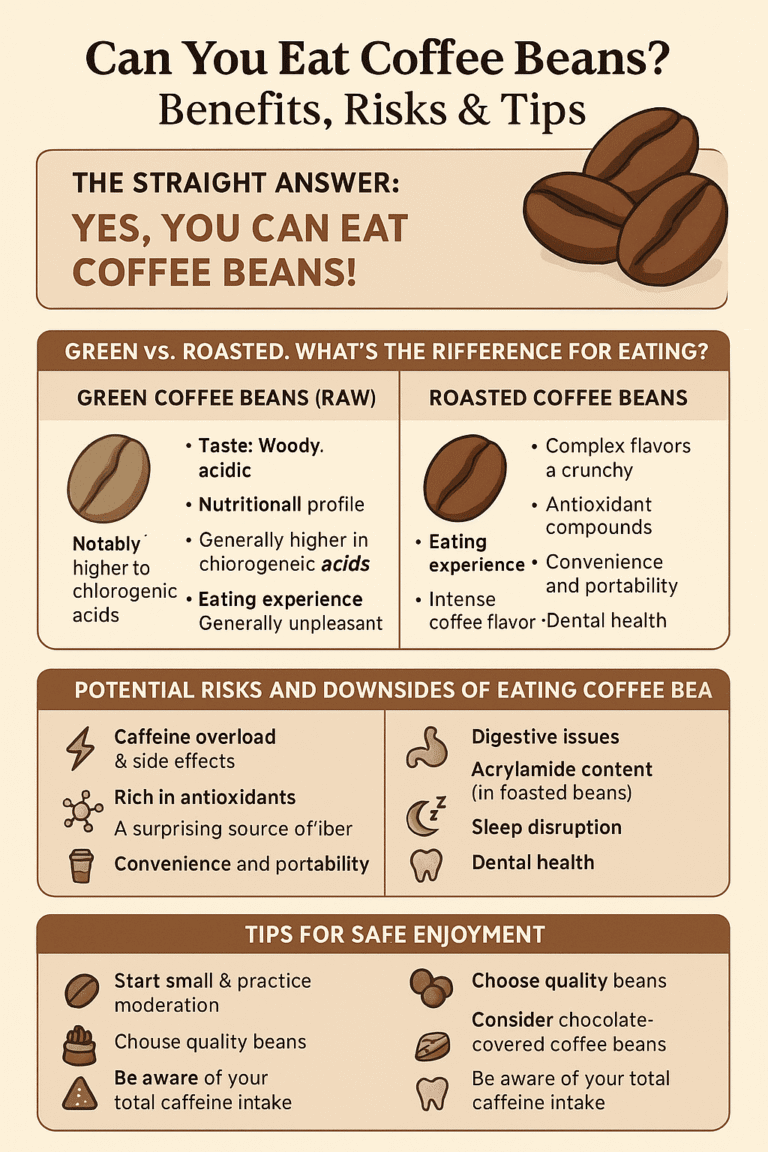
Yes, you can eat coffee beans in the United States. Roasted coffee beans are food, not just a brewing ingredient. People eat them whole, grind them into desserts, or coat them in chocolate.
The main issue is caffeine. Whole beans can deliver caffeine in a small, fast dose. They may also cause stomach upset, heartburn, loose stools, or dental problems. The safe amount depends on the bean, serving size, your health, and other caffeine you consume that day.
For most healthy adults, eating a small amount of roasted coffee beans is usually safe. However, eating a large amount can lead to too much caffeine. The U.S. Food and Drug Administration (FDA) says that up to 400 milligrams of caffeine per day is not generally linked with dangerous, negative effects for most adults.
What Are Coffee Beans?
Coffee beans are the seeds of coffee cherries. After farmers remove the fruit, the seeds are dried, processed, roasted, and sold as coffee beans.
There are two common forms:
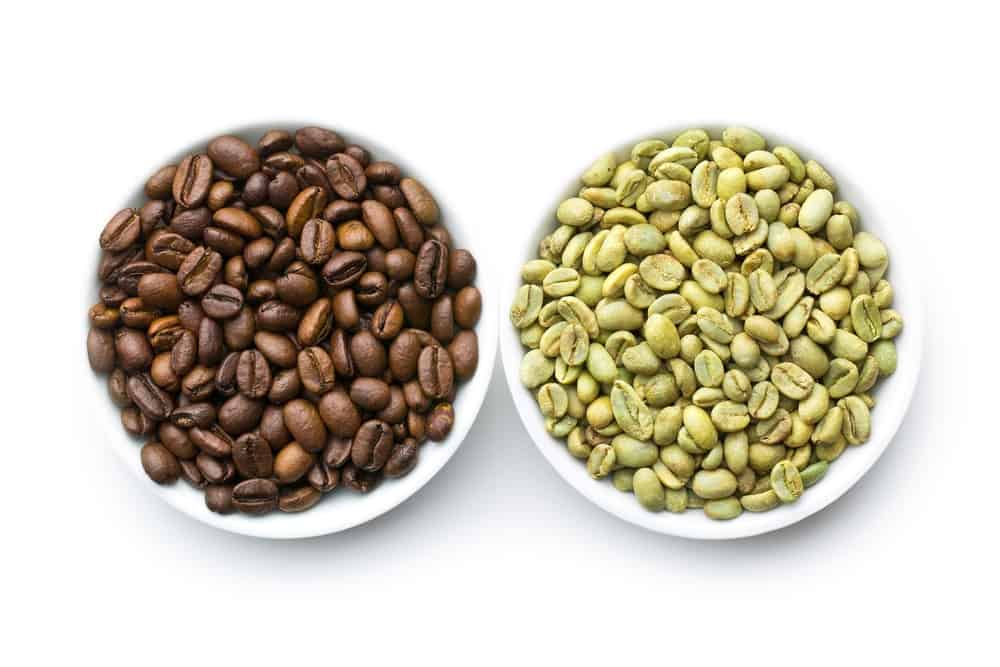
- Green coffee beans: Raw, unroasted seeds. They are hard, dense, and often bitter.
- Roasted coffee beans: Seeds heated to develop the familiar coffee flavor. They are darker, more brittle, and easier to chew.
Coffee beans are not true beans like black beans or kidney beans. They are seeds, but the name “coffee bean” is widely used.
Can You Eat Raw, Green Coffee Beans?
You can eat green coffee beans, but most people do not enjoy them. They are much harder than roasted beans and may be difficult to chew. Their taste is grassy, sharp, and bitter.
Green coffee beans also contain caffeine. Roasting changes flavor, texture, aroma, and some chemical compounds, but it does not remove all caffeine.
Do not assume that “raw” means healthier or safer. Green coffee beans can still cause caffeine side effects and stomach discomfort.
Can You Eat Roasted Coffee Beans?
Yes. Roasted beans are the best choice if you want to eat coffee beans. They are easier to bite and have a richer flavor.
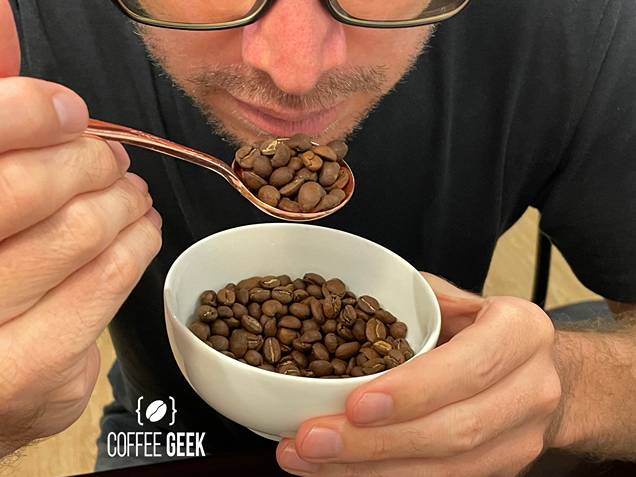
Choose beans made for human food use. Avoid beans that are moldy, stale, contaminated, or stored in a damp place. Plain roasted beans and chocolate-covered beans are both edible, but chocolate-covered beans add sugar, fat, and more calories.

What Happens When You Eat Coffee Beans?
Eating coffee beans gives you caffeine, fiber, oils, and plant compounds in a concentrated form. Brewing spreads these compounds through water, while eating the bean gives you the whole seed.
A whole bean may release caffeine more quickly than a cup of coffee because you chew and digest the bean directly. The exact amount varies by:
- Bean species, such as Arabica or Robusta
- Roast level
- Bean size
- Serving size
- How well you chew the beans
- Whether the beans are plain or covered in chocolate
- Your personal caffeine sensitivity
Coffee beans also contain dietary fiber. However, a typical small serving is not a major source of fiber compared with foods such as beans, oats, fruits, and vegetables.
How Much Caffeine Is in a Coffee Bean?
There is no single caffeine amount for every coffee bean. A rough estimate often used for roasted beans is about 5 to 10 milligrams per bean, but actual values can vary widely.
Robusta beans usually contain more caffeine than Arabica beans. A small handful can therefore contain as much caffeine as a cup of coffee, or more.
For a simple estimate:
Estimated caffeine intake = number of beans × estimated caffeine per bean
For example, if a person eats 10 beans and each contains about 5 to 10 milligrams of caffeine, the estimated intake would be about 50 to 100 milligrams. This is only an estimate, not a measured value.
Chocolate-covered beans make the calculation harder. The package may list serving size and caffeine, but not always. If caffeine content is not listed, treat the beans as a concentrated caffeine food.
Is Caffeine Absorbed From Whole Beans?
Yes. Your body can absorb caffeine from coffee beans after you chew and digest them. The effect may feel strong because whole beans are easy to eat quickly.
Caffeine can cause:
- Alertness
- Faster heart rate
- Restlessness
- Shaky feelings
- Anxiety
- Trouble sleeping
- Upset stomach
- Frequent urination
The FDA notes that caffeine sensitivity differs from person to person. A dose that feels mild to one person may cause strong symptoms in another.

Are Coffee Beans Healthy?
Coffee beans contain antioxidants and other plant compounds. But eating them is not a proven way to gain a special health benefit.
Most research on coffee and health examines brewed coffee, not people chewing whole beans. You should not assume that research on coffee drinks applies directly to eating beans.
A small serving of plain roasted beans may fit into a balanced diet. Still, it is a concentrated source of caffeine, and the health effect depends on your total intake.
Possible Benefits
Eating coffee beans may offer these possible benefits:
- A quick caffeine boost
- A strong coffee flavor without brewing
- Some fiber
- Plant compounds found in coffee
- Convenience when traveling or outdoors
These benefits have limits. Coffee beans are not a replacement for sleep, water, or a balanced meal. They also do not provide the same hydration as a drink.
Potential Drawbacks
The main drawbacks are the caffeine dose and the texture.
Eating too many beans may cause caffeine-related symptoms. The beans may also irritate your stomach or worsen heartburn. Their rough texture can place stress on teeth, especially if you bite hard beans often.
Chocolate-covered beans add another concern. They may contain added sugar and calories, and dark chocolate contains additional caffeine.
How Many Coffee Beans Can You Safely Eat?
There is no universal bean limit because caffeine levels differ. A safer approach is to count your total daily caffeine from all sources.
Common sources include:
- Coffee
- Tea
- Energy drinks
- Soda
- Chocolate
- Pre-workout products
- Caffeine tablets
- Some medicines and supplements
The FDA’s general limit of 400 milligrams per day applies to most healthy adults, not every person. It is not a target, and it does not guarantee that you will feel well at that amount.
A Practical Portion Guide
If you are healthy and already tolerate caffeine, start with a small portion:
| Portion | General guidance |
|---|---|
| 1–3 roasted beans | Small test amount |
| 4–10 beans | May provide a noticeable caffeine dose |
| 10 or more beans | Caffeine may rise quickly, depending on the bean |
| A large handful | Higher risk of excess caffeine and stomach upset |
These ranges are only practical estimates. They are not official serving limits. Check the package when possible, especially for chocolate-covered beans or products that list caffeine.
Stop eating the beans if you develop a racing heart, shaking, nausea, anxiety, or other unwanted symptoms.

Who Should Limit or Avoid Coffee Beans?
Some people should use extra care with whole coffee beans. Talk with a health professional if you are unsure how caffeine fits your health needs.
Pregnant or Breastfeeding People
Pregnant people may need to limit caffeine more carefully. The American College of Obstetricians and Gynecologists commonly advises keeping caffeine below 200 milligrams per day during pregnancy.
Because bean caffeine varies, count coffee beans along with coffee, tea, chocolate, and other sources. Ask your obstetric clinician for advice based on your health and pregnancy.
For breastfeeding, caffeine can pass into breast milk in small amounts. Infants may be more sensitive than adults. Discuss high caffeine intake with a pediatrician or health professional if a baby seems unusually fussy or has trouble sleeping.
People With Heart or Anxiety Conditions
Caffeine may worsen palpitations, anxiety, tremors, or sleep problems. People with certain heart rhythm conditions, uncontrolled high blood pressure, panic symptoms, or strong caffeine sensitivity may need to limit or avoid coffee beans.
Do not use whole beans as a way to self-treat fatigue. If tiredness is ongoing, look for the cause with a qualified health professional.
Children and Teenagers
Children and teenagers may be more sensitive to caffeine. The American Academy of Pediatrics discourages caffeine use in children and advises caution for adolescents.
Chocolate-covered coffee beans can be especially easy for young people to overeat. Keep them away from children unless a parent or health professional has approved the amount.
People Taking Medicines
Caffeine can interact with some medicines and supplements. The effect may depend on the drug, dose, and your health.
Ask a pharmacist or clinician if you take medicine for:
- Heart conditions
- Asthma
- Depression
- Anxiety
- ADHD
- Blood pressure
- Sleep problems

What Are the Side Effects of Eating Coffee Beans?
The most common side effects come from too much caffeine or from the beans irritating your digestive system.
Possible short-term effects include:
- Nervousness or jitters
- Fast heartbeat
- Headache
- Nausea
- Stomach pain
- Heartburn
- Loose stools
- Restlessness
- Trouble sleeping
- Increased urination
The risk rises when you eat beans quickly or combine them with energy drinks, coffee, caffeine pills, or pre-workout products.
Signs You May Have Had Too Much Caffeine
Stop consuming caffeine and monitor your symptoms if you notice mild effects such as shakiness, restlessness, or a fast heartbeat.
Seek urgent medical help for severe symptoms, such as:
- Chest pain
- Fainting
- Severe vomiting
- Confusion
- A very fast or irregular heartbeat
- Seizures
- Trouble breathing
In the United States, you can contact Poison Control at 1-800-222-1222 or use PoisonHelp.org for guidance. Call 911 for a severe or life-threatening reaction.

Can Coffee Beans Damage Your Teeth?
Yes, hard coffee beans can contribute to tooth damage if you bite them often or use a lot of force. A cracked tooth may cause sudden pain, sensitivity, or pain when chewing.
Coffee beans may also stain teeth over time. Chocolate coatings add sugar, which can increase the risk of tooth decay when oral hygiene is poor.
To reduce the risk:
- Chew slowly
- Do not bite very hard beans
- Avoid chewing beans if you have weak, cracked, or sensitive teeth
- Rinse your mouth with water afterward
- Brush and floss as directed by your dental professional
- Do not brush immediately after acidic foods or drinks if your dentist has advised you to wait
Swallowing a whole bean is not the same as chewing it. Whole beans can be a choking risk, especially for young children or anyone with swallowing problems.
How to Eat Coffee Beans More Safely
Use these steps if you want to try coffee beans:
- Choose fresh, food-grade roasted beans. Avoid beans with visible mold, moisture damage, or an unusual smell.
- Check the label. Look for serving size, caffeine information, sugar, and allergens.
- Start with one to three beans. Wait to see how your body responds.
- Count other caffeine sources. Include coffee, tea, chocolate, soda, supplements, and medicine.
- Chew carefully. Do not rush or bite extremely hard beans.
- Drink water. Water can help with dry mouth and the strong taste, though it does not cancel caffeine.
- Avoid eating them late in the day. Caffeine can affect sleep for hours.
- Stop if symptoms appear. Do not keep eating beans to “push through” jitters or nausea.
Plain roasted beans let you control the portion more easily than candy-style products. If you choose chocolate-covered beans, treat them as both a caffeine product and a sweet snack.
Best Ways to Use Coffee Beans in Food
You can add a small amount of ground coffee beans to:
- Chocolate bark
- Cookies
- Brownies
- Ice cream
- Smoothies
- Spice rubs
- Desserts
Grinding the beans reduces the risk of biting a hard piece. It does not remove caffeine, so the same portion rules still apply.

Coffee Beans vs. Brewed Coffee
The main difference is concentration and portion control.
| Feature | Whole coffee beans | Brewed coffee |
|---|---|---|
| Caffeine control | Harder to estimate | Easier when the drink lists size or strength |
| Fiber | Some fiber from the bean | Very little fiber in filtered coffee |
| Texture | Hard or crunchy | Liquid |
| Drinking speed | Easy to eat quickly | Often consumed more slowly |
| Dental concerns | Can stress teeth | More likely to stain teeth |
| Stomach effect | May cause irritation or loose stools | May also cause symptoms, but the dose is easier to adjust |
| Convenience | No brewing needed | Requires water and equipment |
Neither option is automatically healthier. Brewed coffee may be easier for measuring caffeine. Whole beans may be useful when you want a portable snack with a strong flavor.

Common Mistakes to Avoid
Mistake 1: Assuming One Bean Equals One Fixed Dose
Bean size, species, roast, and processing change caffeine levels. Do not treat an estimate as a precise measurement.
Mistake 2: Forgetting Chocolate Caffeine
Dark chocolate contains caffeine. A chocolate-covered coffee bean may deliver caffeine from both the bean and the coating.
Mistake 3: Combining Several Caffeine Products
A few beans may seem harmless until you add a large coffee, an energy drink, and a pre-workout supplement. Add all sources before deciding whether to eat more.
Mistake 4: Using Green Beans as a Health Supplement
Green coffee bean products can come as extracts, capsules, or powders. These are not the same as eating a few roasted beans. Supplements can have concentrated doses and may carry different risks.
Mistake 5: Giving Beans to Pets
Coffee beans and caffeine can be toxic to dogs and cats. Keep coffee, beans, grounds, and caffeine products away from pets. Contact a veterinarian or the ASPCA Animal Poison Control Center if a pet eats them.

Frequently Asked Questions
Can you eat coffee beans straight from the bag?
Yes, if the beans are food-grade, clean, and properly stored. Roasted beans are easier to eat than green beans. Start with a small amount because caffeine content varies.
Are coffee beans stronger than coffee?
They can deliver a concentrated caffeine dose, but “stronger” depends on how many beans you eat and how much caffeine is in them. A large handful may contain more caffeine than a normal cup of coffee.
Do coffee beans help with weight loss?
There is not enough reason to treat whole coffee beans as a reliable weight-loss food. Caffeine may affect appetite or energy for a short time, but eating beans does not replace a balanced diet, movement, or medical care.
Can you eat decaf coffee beans?
Yes. Decaffeinated beans still contain small amounts of caffeine, so they are not completely caffeine-free. Check the label if you need to limit caffeine closely.
Are chocolate-covered coffee beans safe?
They can be safe in small portions for many healthy adults. They contain caffeine from the coffee bean and often from the chocolate. They also contain added sugar and calories, so check the serving size.
Can you eat coffee grounds instead of beans?
You can eat small amounts of coffee grounds, but they may be gritty and unpleasant. Grounds still contain caffeine. Avoid eating grounds that have been exposed to moisture, mold, chemicals, or poor storage.
Conclusion
You can eat coffee beans, especially roasted beans made for food use. The safest approach is to start with a small portion, chew carefully, and count the caffeine from every source you consume.
For most healthy adults, a few beans may be fine. Larger amounts can cause jitters, heartburn, stomach upset, sleep problems, or more serious caffeine symptoms. If you are pregnant, sensitive to caffeine, taking medication, or managing a heart or anxiety condition, ask a qualified health professional how much caffeine is appropriate for you.
The practical next step is simple: check the package, begin with one to three beans, and stop if your body reacts poorly.