
A DEWALT vacuum cleaner can be a good fit for American garages, workshops, job sites, vehicles, and home repairs. The right model depends on the work: dry dust, liquid spills, fine construction dust, car cleaning, or cordless use. DEWALT sells several types, including portable wet/dry vacuums, corded shop vacuums, cordless 20V MAX models, FLEXVOLT units, and dust extractors.
For most homeowners, a portable wet/dry vacuum is the simplest choice. For power tools that make fine dust, choose a dust extractor with the correct filter, hose, and automatic power feature. Before buying, compare suction, tank size, power source, filter design, noise, hose size, and replacement-part support.
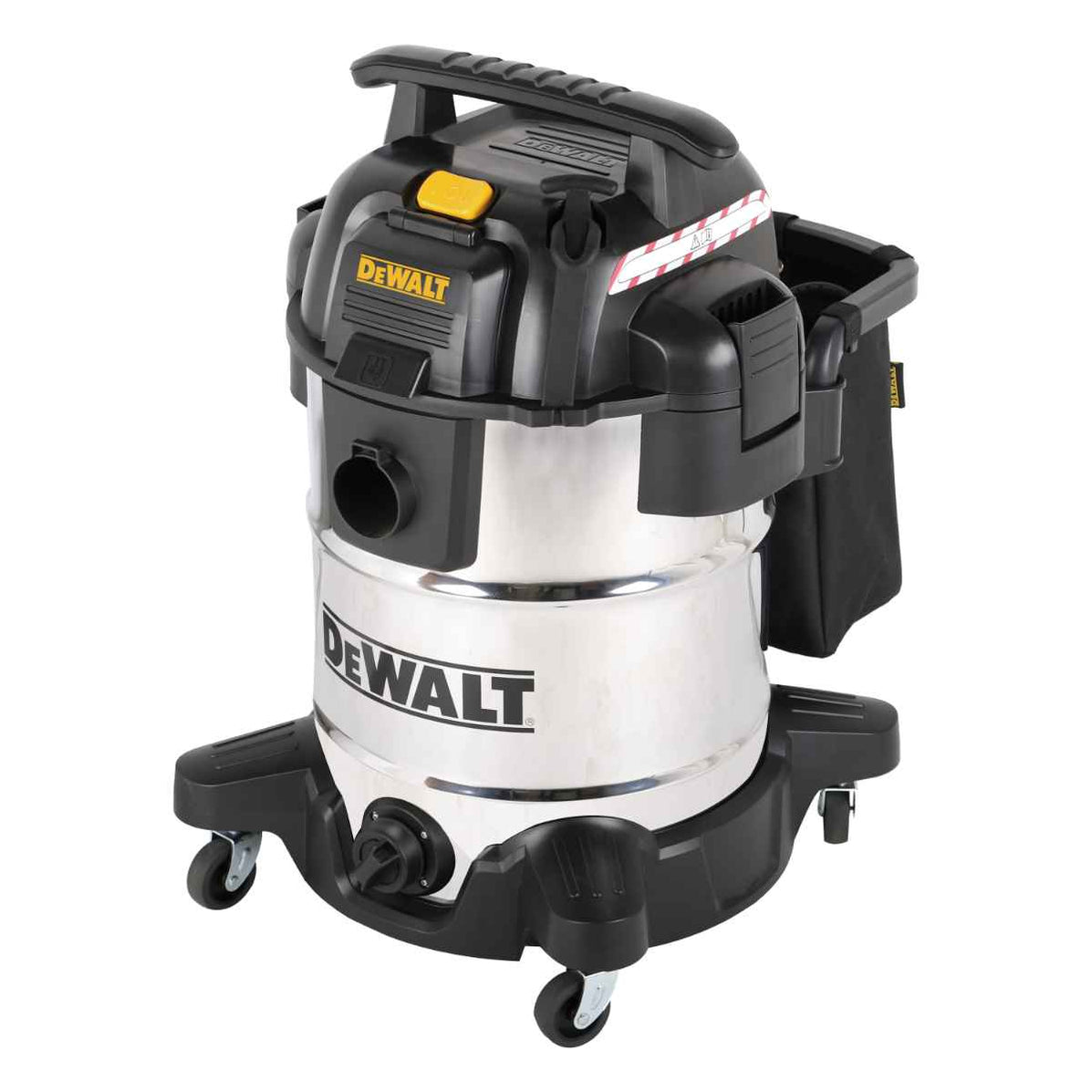
DEWALT Vacuum Cleaner Types
DEWALT vacuum cleaners are not one single product class. They serve different jobs, and choosing the wrong type can lead to weak pickup, clogged filters, or unsafe dust exposure.
Portable wet/dry vacuums
A portable wet/dry vacuum can collect both dry debris and some liquid spills. Common uses include:
- Cleaning sawdust from a workbench
- Removing water from a small spill
- Cleaning a vehicle
- Clearing dust from a garage floor
- Collecting debris after drilling or cutting
- Cleaning air-conditioner drain pans
These vacuums usually have a collection tank, flexible hose, cartridge filter, and a float or shutoff system for liquid pickup. They are useful for general cleanup, but they are not automatically suitable for hazardous dust.
Cordless DEWALT vacuums
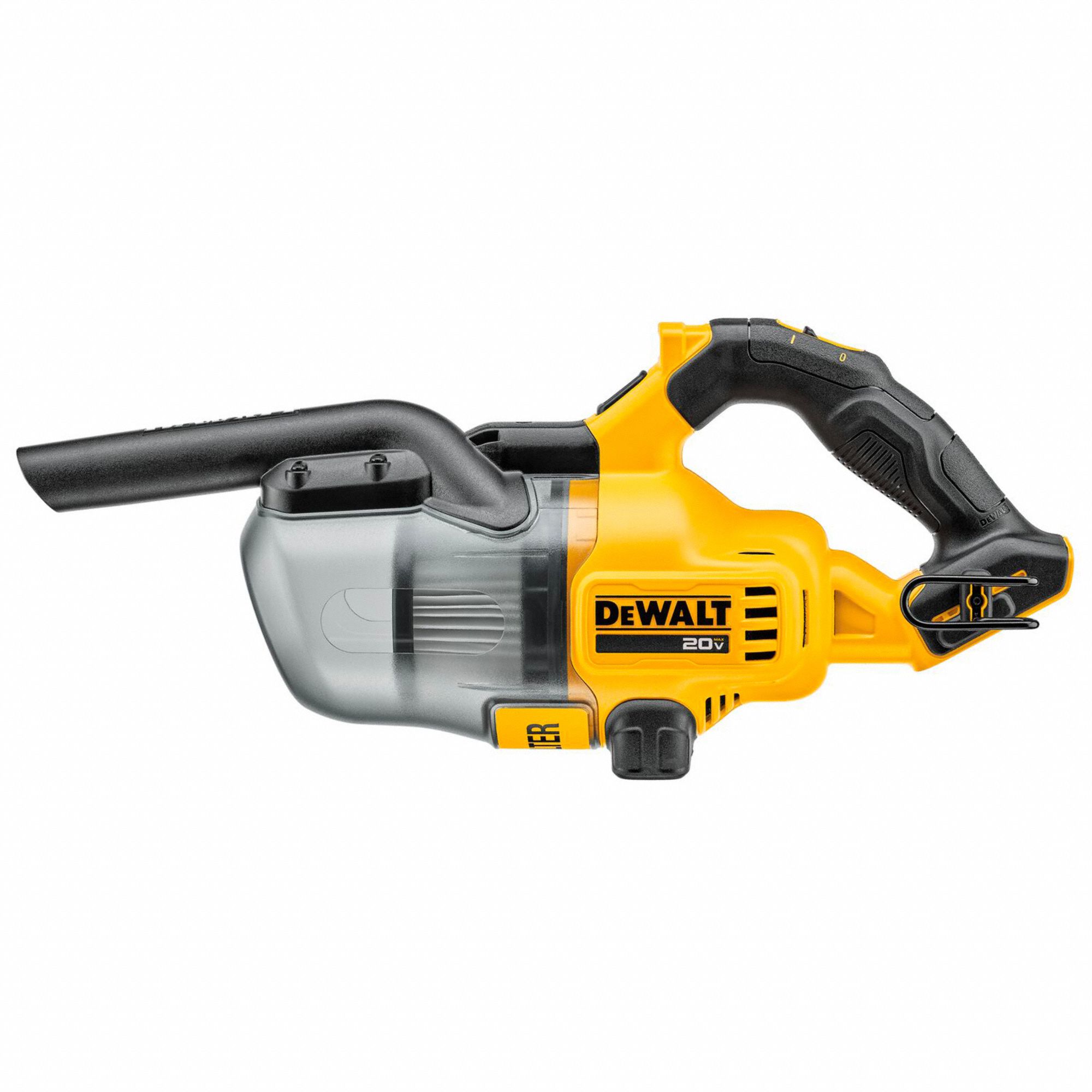
Cordless models use DEWALT 20V MAX or FLEXVOLT battery systems, depending on the model. They work well where an outlet is not nearby, such as:
- A partially finished home
- A vehicle parked outside
- A roof or attic
- A small service call
- A job site without convenient power
The main trade-off is runtime. Heavy debris and fine dust can drain a battery faster than light cleanup. A cordless vacuum also adds the cost and weight of a battery and charger if you do not already own the platform.
Corded shop vacuums
A corded DEWALT shop vacuum is usually better for long cleanup sessions. It can run as long as power is available and often provides a larger tank than a compact cordless unit.
Choose a corded model when you need to clean:
- A large workshop
- A basement
- A remodeling area
- Several vehicles
- Large amounts of dry debris or water
A corded vacuum is less convenient on stairs, outdoors, and remote job sites. Use a heavy-duty extension cord only when the product manual allows it, and match the cord rating to the vacuum’s electrical needs.
Dust extractors
A dust extractor is designed to collect fine dust from power tools. It is more specialized than a basic shop vacuum. A suitable extractor may include:
- A finer filter system
- Filter-cleaning technology
- A sealed hose connection
- Tool power control
- Automatic start and stop
- A grounded or compatible outlet
- A larger dust-separation system
A dust extractor is the better option for concrete, drywall, masonry, sanding, and other work that creates airborne fine particles. A regular wet/dry vacuum may collect some of this dust but may not provide the same level of filtration or tool connection.

How to Choose a DEWALT Vacuum Cleaner
Start with the material you need to collect. This decision matters more than tank size or motor marketing.
| Main task | Best vacuum type | Key feature |
|---|---|---|
| Car interiors and small spills | Compact cordless wet/dry vacuum | Low weight and easy storage |
| Garage and home cleanup | Portable wet/dry vacuum | Useful tank size and strong hose |
| Long shop sessions | Corded wet/dry vacuum | Continuous power |
| Sawdust from tools | Wet/dry vacuum or dust extractor | Tool connection and filter access |
| Concrete or drywall dust | Proper dust extractor | Fine-dust filtration and filter cleaning |
| Remote job-site work | Cordless vacuum | Battery compatibility |
| Large liquid spills | Larger corded wet/dry vacuum | Tank capacity and liquid shutoff |
1. Check the power source
DEWALT cordless vacuums are useful if you already own compatible batteries. This can reduce the total cost and make the vacuum easier to carry.
A corded model makes more sense if you need long runtime. It is also often the better choice for repeated wet pickup or heavy shop cleanup.
Battery voltage does not tell the whole story. Runtime depends on battery capacity, debris type, hose restriction, filter condition, and the vacuum’s operating mode. A larger amp-hour battery may run longer, but it can also add weight.
2. Compare tank capacity
A larger tank means fewer stops to empty the vacuum. It also adds size and weight.
Use a small tank for quick jobs and vehicle cleaning. Choose a medium or large tank for remodeling, workshop cleanup, and water pickup.
Do not fill the tank to the top. Wet/dry vacuums need space for safe airflow and liquid shutoff. Follow the fill marks and instructions in the manual.
3. Look at suction and airflow together
Suction helps the vacuum lift material. Airflow helps move that material through the hose. Neither number alone tells you how the vacuum will perform in every situation.
A narrow hose may improve control for small debris but can clog more easily. A wider hose moves larger chips and fragments but may feel less precise for car cleaning.
For power-tool dust, hose fit and filter design often matter more than raw motor power. A strong vacuum with a poor connection can still leave dust around the tool.
4. Inspect the filter system
The filter must match the material.
A standard cartridge filter may work for common dirt, sawdust, and general debris. Fine dust needs a filter designed for that use. Some DEWALT dust extractors use additional filtration and cleaning systems to help maintain airflow as dust builds.
Never use a wet filter for dry dust unless the manual says it is designed for both uses. Let washable filters dry fully before reinstalling them. A damp filter can reduce airflow and may damage the vacuum.
5. Check accessories and hose size
Useful accessories may include:
- Crevice tools
- Floor nozzles
- Utility nozzles
- Extension wands
- Tool adapters
- Flexible hoses
- Disposable dust bags
- Foam filters for liquid pickup
A vacuum is only as useful as the connection between the tool and the debris. Before buying, check whether the hose fits your saw, sander, router, drill, or other tool. An adapter may be required.
6. Consider storage and portability
Measure the space where you plan to store the vacuum. Look for:
- Hose and cord storage
- Battery storage
- Large wheels
- Carry handles
- Stackable cases
- Access to the filter
- Easy tank emptying
A large vacuum may perform well but stay unused if it is difficult to move. A compact model can be the better choice for a small garage or apartment repair kit.

DEWALT Cordless Vacuum vs. Corded Shop Vacuum
A cordless DEWALT vacuum offers freedom of movement. A corded shop vacuum offers steady power and often longer cleaning time.
| Feature | Cordless vacuum | Corded shop vacuum |
|---|---|---|
| Mobility | Excellent | Limited by cord |
| Runtime | Limited by battery | Continuous near an outlet |
| Noise | Varies by model | Varies by model |
| Best for | Quick cleanup and remote work | Large or repeated cleanup |
| Operating cost | Battery charging and replacement | Electricity and possible extension cord |
| Weight | May increase with battery | May increase with motor and tank |
| Wet pickup | Model dependent | Common on wet/dry models |
Choose cordless if speed and mobility matter most. Choose corded if you clean large areas or need the vacuum to run for a long time.
A practical setup is to keep a compact cordless model for quick jobs and a larger corded wet/dry vacuum for major cleanup. This costs more, but each vacuum can stay suited to its main task.

How to Use a DEWALT Wet/Dry Vacuum Safely
Read the manual for your exact model before switching between dry and wet pickup. The filter, hose, and tank setup may change.
For dry debris
- Unplug the vacuum or remove the battery before opening it.
- Install the dry filter listed in the manual.
- Check that the tank is empty and dry.
- Attach the hose and correct nozzle.
- Inspect the hose for cracks or blockages.
- Start the vacuum before placing the nozzle on the debris.
- Stop when airflow drops or the tank reaches its fill limit.
- Turn off the vacuum before removing the tank or filter.
For liquid pickup
- Confirm that the model supports wet pickup.
- Remove or change the filter if the manual requires it.
- Empty dry debris from the tank.
- Use the proper wet-pickup nozzle.
- Keep the motor housing and electrical connections dry.
- Watch for the float or automatic shutoff.
- Turn off the vacuum when the tank is full.
- Empty and rinse the tank if the manual permits.
- Let parts dry before storing the vacuum.
Do not use a household vacuum for standing water unless it is specifically rated for wet pickup. Do not vacuum flammable liquids, hot ash, gasoline, solvents, or other hazardous materials unless the exact vacuum is approved for that use.
For concrete, lead paint, asbestos, silica, mold, or other hazardous dust, use the controls required for that material. A standard shop vacuum is not automatically a safe hazardous-material vacuum. Follow OSHA requirements, product instructions, and site rules. When the material is unknown, stop work and ask a qualified safety professional.
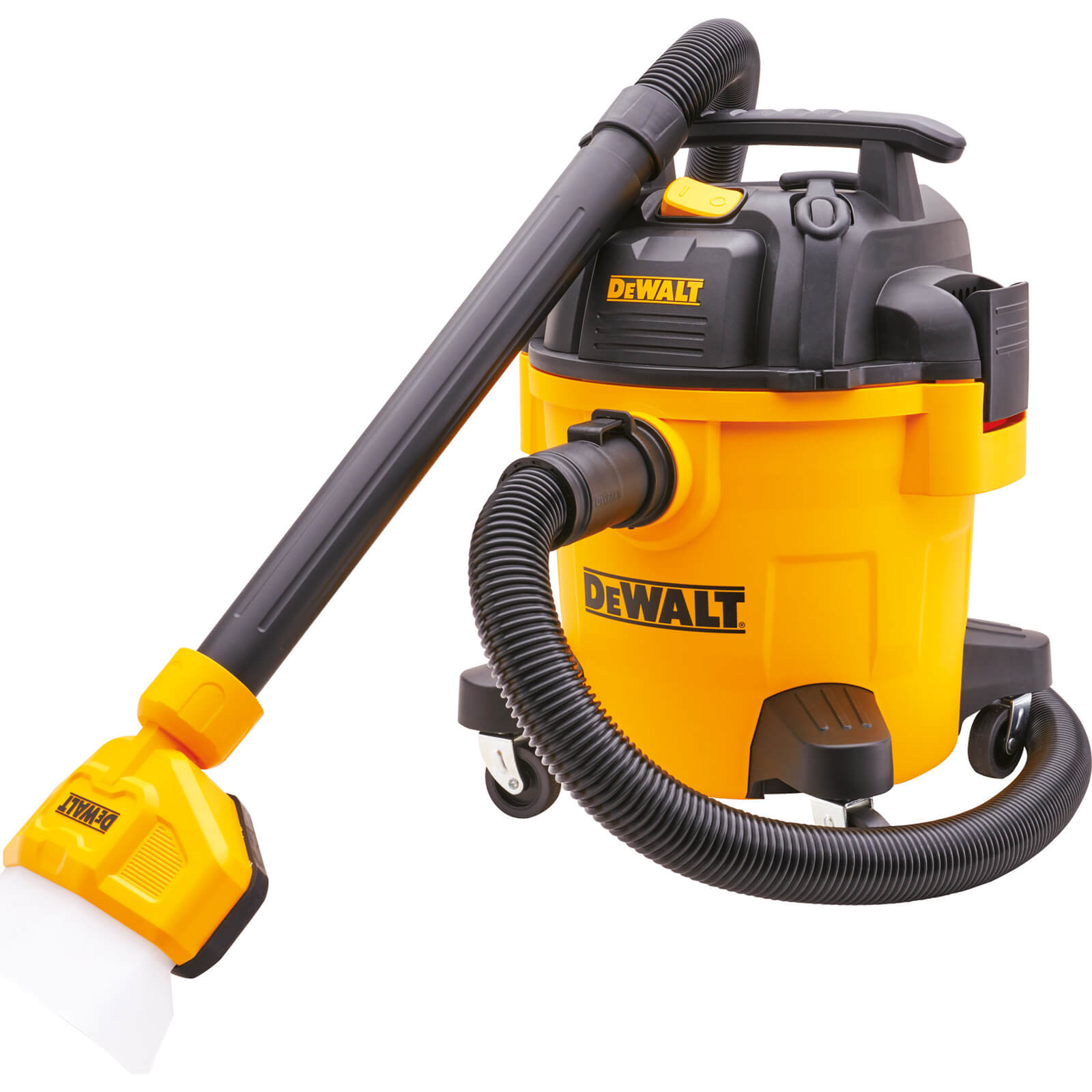
Using a DEWALT Vacuum With Power Tools
A DEWALT vacuum can reduce dust at the source when connected to a compatible power tool. The best result comes from matching four parts:
- The tool’s dust port
- The hose or adapter
- The vacuum’s airflow
- The correct filter or dust bag
Before cutting or sanding, test the connection. The hose should stay attached during use and should not block the tool’s guard, handle, or moving parts.
Use automatic tool activation only if the vacuum supports it and the connected tool’s electrical load is within the stated limit. Do not connect a tool through an outlet that is not rated for that purpose.
A vacuum connection does not replace eye protection, hearing protection, ventilation, or a respirator when the material requires one. Dust collection lowers airborne debris; it does not make every task dust-free.
DEWALT Vacuum Troubleshooting
Most performance problems come from a full tank, clogged filter, blocked hose, poor seal, or incorrect wet/dry setup.
The vacuum has weak suction
Check these items in order:
- Empty the tank.
- Clean or replace the filter.
- Inspect the hose and nozzle for a blockage.
- Check that the lid is locked.
- Look for a damaged gasket or loose connection.
- Confirm that the battery is charged or the cord is connected correctly.
- Check whether the float has closed during wet pickup.
Fine dust can clog a filter quickly. Do not keep running the vacuum with a blocked filter. The motor may become hot, and airflow will remain poor.
The vacuum shuts off during liquid pickup
The float may have reached its shutoff position. Turn off the vacuum, disconnect power, and empty the tank.
If the vacuum shuts off with only a small amount of liquid, check whether the float is stuck or whether the vacuum is sitting on an uneven surface. Follow the model’s manual before removing internal parts.
The vacuum blows dust back into the room
Possible causes include:
- A missing filter
- A damaged filter
- An incorrectly installed filter
- A loose lid
- A torn dust bag
- A poor hose seal
- A filter that is too dirty
Stop the vacuum and inspect it outdoors if possible. Fine dust can become airborne when the tank or filter is opened.
A cordless model will not start
Check the battery charge, battery contacts, power switch, and filter condition. Test with a known compatible battery if available.
If the battery becomes very hot, swells, leaks, or smells unusual, stop using it. Move it away from flammable materials and follow the battery manufacturer’s safety instructions.

DEWALT Vacuum Maintenance
Regular maintenance protects airflow and extends usable life.
- Empty the tank after major jobs.
- Clean the tank before changing from wet to dry pickup.
- Check the filter before each dusty task.
- Replace damaged filters rather than patching them.
- Clear the hose and nozzle after use.
- Wipe the lid gasket and sealing surfaces.
- Store the vacuum in a dry area.
- Keep batteries off the charger when the charging cycle is complete if the battery system instructions advise it.
- Use only compatible filters, bags, batteries, and accessories.
Do not hit a pleated filter against a hard surface if doing so can damage the filter media. Use the cleaning method listed in the manual. Some filters can be washed, while others should only be brushed, tapped, or replaced.
Keep a spare filter if you use the vacuum often. This allows one filter to dry while another is in service, when the manufacturer permits washing.

DEWALT Vacuum Cleaner Buying Checklist
Before choosing a model, answer these questions:
- Will you collect dry debris, liquids, or both?
- Do you need fine-dust collection from a power tool?
- Do you already own DEWALT 20V MAX or FLEXVOLT batteries?
- How long will each cleaning session last?
- What tank size can you carry and store?
- Do your tools need a special hose adapter?
- Does the model include the filter and accessories you need?
- Can you buy replacement filters and bags in the United States?
- Will you work with concrete, drywall, lead paint, asbestos, mold, or other hazardous material?
- Do you need automatic tool activation?
- Will noise matter in a home, office, or occupied building?
The best DEWALT vacuum cleaner is not always the largest or most powerful model. It is the one that matches the material, work time, dust level, power source, and safety controls of your job.

Frequently Asked Questions
Is a DEWALT vacuum cleaner good for home use?
Yes. A compact wet/dry model can handle car cleaning, garage dust, small spills, and basic repairs. A larger model may be unnecessary if you only clean small areas.
Can a DEWALT shop vacuum pick up water?
Only use wet pickup if the exact model is designed for it. Check the manual for filter changes, liquid limits, float shutoff, and cleaning instructions.
Can I use a DEWALT vacuum for sawdust?
Yes, if the model and filter are suitable for sawdust. For fine dust from sanding or cutting, use a dust extractor or a documented fine-dust setup rather than assuming every shop vacuum offers the same protection.
Are DEWALT 20V MAX vacuum batteries interchangeable?
They are interchangeable only when the vacuum is designed for the same DEWALT battery platform. Check the model label and manual. Do not force a battery or use an unapproved adapter.
How often should I replace the vacuum filter?
Replace it when it is damaged, permanently clogged, loses its seal, or no longer restores airflow after approved cleaning. Heavy use and fine dust shorten filter life.
What is the difference between a shop vacuum and a dust extractor?
A shop vacuum is mainly for general debris and liquid pickup. A dust extractor is built for finer dust control and may include better filtration, automatic filter cleaning, or power-tool activation. The exact features vary by model.

Final Recommendation
Choose a compact cordless DEWALT wet/dry vacuum for quick home, vehicle, and remote cleanup. Choose a corded DEWALT shop vacuum for long sessions, larger debris, and frequent wet pickup. Choose a DEWALT dust extractor when your main concern is fine dust from sanding, cutting, drilling, concrete, or remodeling.
Before purchase, confirm the exact model’s manual, filter type, tank capacity, hose connection, battery platform, and approved uses. For hazardous dust or liquids, use equipment designed for that material and follow current workplace and safety rules.
For current specifications, manuals, replacement parts, and warranty details, consult the official DEWALT United States website and the documentation for the exact model you plan to use.



One Comment