Figuring out how many air purifiers do I need depends on your home's total square footage, individual room sizes, and specific air quality concerns. Making the right choices about air purification is crucial for maintaining a healthy indoor environment, and it’s a question I’ve helped countless homeowners navigate. As someone who has spent years diving deep into indoor air quality solutions, I can tell you that there isn't a one-size-fits-all answer. Instead, it’s about understanding your unique living space and tailoring a strategy that truly works to purify the air effectively, ensuring every breath you take at home is as clean as possible.

Understanding Air Purifier Coverage: The CADR Factor
When you're trying to figure out how many air purifiers do I need, one of the most important metrics to understand is the Clean Air Delivery Rate, or CADR. This number, certified by the Association of Home Appliance Manufacturers (AHAM), tells you how quickly an air purifier removes pollutants like dust, pollen, and smoke from a room. Essentially, it measures the volume of clean air a purifier produces per minute for a specific pollutant. For instance, a CADR of 250 for pollen means the unit can reduce pollen particles in a given room size at the same rate as adding 250 cubic feet of clean air per minute.
From my experience, many people mistakenly think a higher CADR simply means a more powerful unit, which isn't always the full picture. It's about matching the CADR to your room size. A small room doesn't need a massive CADR, and a large open-plan living area will likely underperform with a unit designed for a bedroom. When I'm advising clients on how many air purifiers do I need, I always emphasize looking at the CADR specific to the pollutants they're most concerned about. For example, if you have severe allergies, you'll want to prioritize a high pollen CADR.
Factors Influencing Your Air Purifier Needs
Determining how many air purifiers do I need is a nuanced process, heavily influenced by several key factors within your home. It’s not just about turning on a device; it’s about creating an effective air purification ecosystem.
- Room Size (Square Footage): This is perhaps the most straightforward factor. Every air purifier specifies the maximum square footage it can effectively cover. You'll want to measure each room where you plan to place a purifier. A common mistake I've seen is trying to use one medium-sized air purifier to cover an entire floor with multiple rooms, which simply won't work efficiently.
- Ceiling Height: While often overlooked, ceiling height impacts the total air volume in a room. A room with 10-foot ceilings has more air to purify than an identically sized room with standard 8-foot ceilings, meaning you might need a higher CADR unit or an additional air purifier.
- Air Exchange Rate (ACH): This refers to how many times per hour the air in a room is completely replaced or filtered by the air purifier. For general air quality, 2-3 ACH is often sufficient. However, for allergy sufferers, pet owners, or those sensitive to smoke, an ACH of 4-5 or even higher is recommended. This is a crucial number when asking how many air purifiers do I need for optimal health.
- Specific Indoor Air Quality Concerns: Do you suffer from allergies or asthma? Do you have pets that shed dander? Is there a smoker in the house? Are you dealing with cooking odors, mold spores, or volatile organic compounds (VOCs) from new furniture or paints? Each of these concerns might require a different type of filter and could influence whether you need multiple units or more powerful ones.
- Lifestyle Factors: How often do you cook? Do you keep windows open frequently, letting in outdoor pollutants? How many people and pets live in the home? A busy household with active cooking and pets will generally need more robust air purification than a quiet single-person dwelling.
I once worked with a family whose child suffered from severe asthma. They initially bought one large air purifier for their living room, thinking it would be enough. After assessing their home, we realized they needed smaller, high-ACH units in their child's bedroom and playroom, and a more robust unit in the main living area where their two dogs spent most of their time. This multi-pronged approach significantly improved the child's symptoms because we addressed all the key areas.
One Air Purifier or Many? The Zone Approach
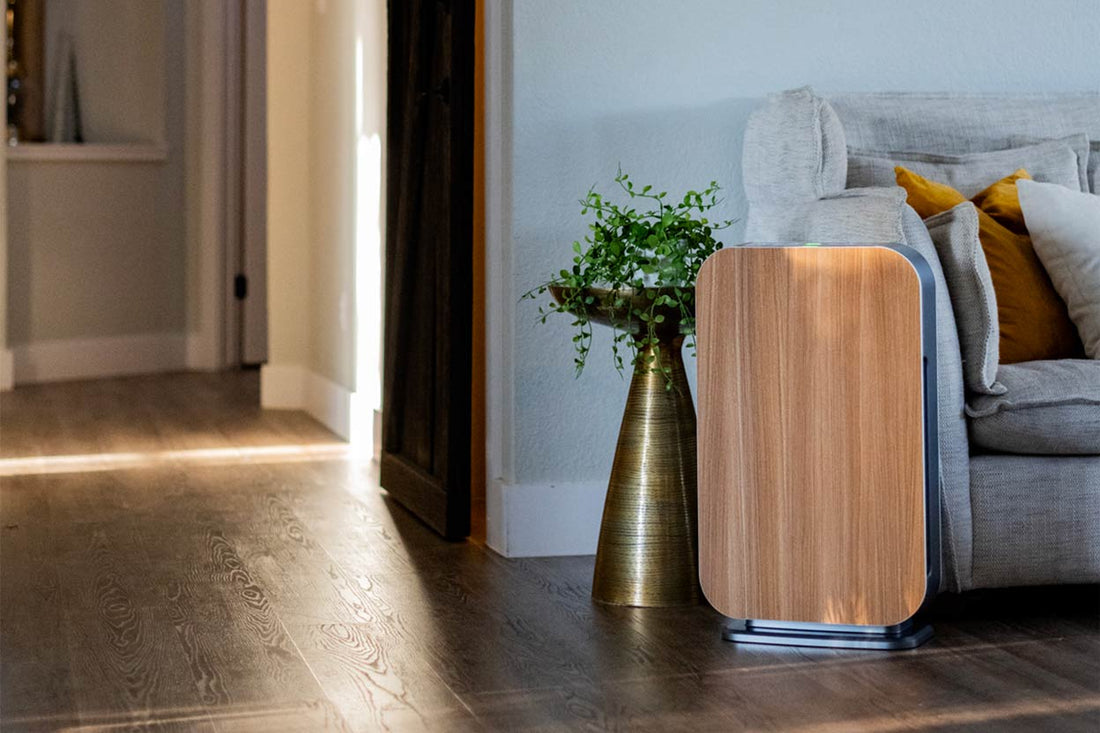
When contemplating how many air purifiers do I need, the "zone approach" often provides the most effective and efficient solution. This strategy involves treating different areas of your home as individual "zones" with unique air purification requirements.
Generally, one air purifier, even a very powerful one, cannot effectively clean the air throughout an entire house if there are walls and closed doors. Air purifiers work by circulating air within a confined space. If you place a large unit in your living room, it will primarily clean the air in that space, with minimal impact on bedrooms or the kitchen, especially if doors are closed.
For optimal indoor air quality, my recommendation is often to embrace the zone concept. This usually means having:
- Primary Living Areas: A larger, higher CADR unit for open-plan living rooms, family rooms, or combined kitchen/dining spaces where people spend a lot of time and where pollutants like cooking odors or pet dander might be prevalent.
- Bedrooms: A dedicated air purifier in each bedroom, especially for allergy sufferers, children, or anyone seeking undisturbed, clean air during sleep. These can often be smaller, quieter units.
- Specific Problem Areas: This might include a smaller unit in a home office, a pet area, or even a laundry room if you're sensitive to chemical fumes from detergents.
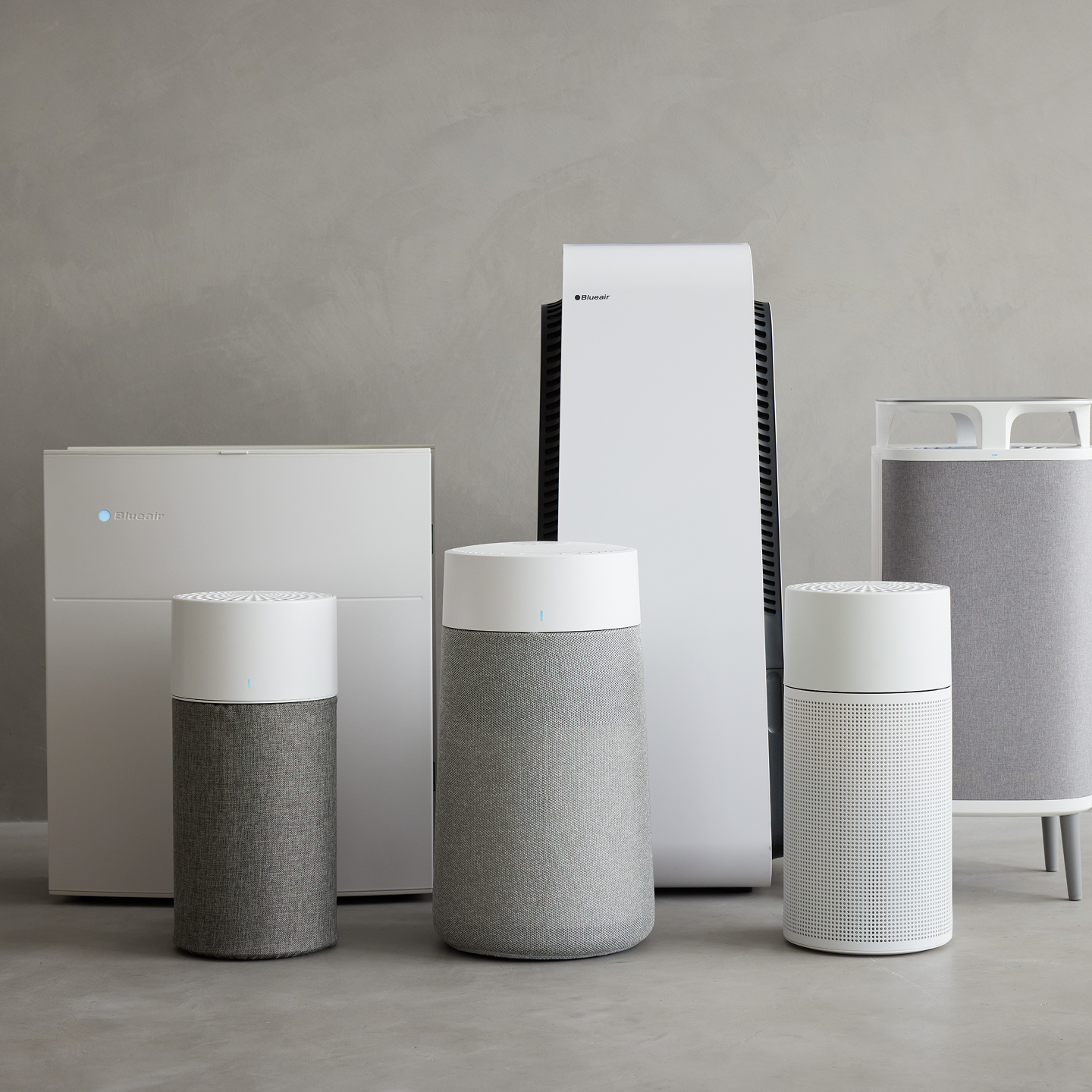
The benefits of using multiple air purifiers in different zones are clear: localized, targeted purification where it's needed most, improved overall air quality, and often more efficient energy use compared to running a single oversized unit constantly at maximum power trying to cover too much space. A limitation of relying on just one large unit is that air doesn't flow freely through walls or around corners efficiently enough to purify distant rooms, leaving many areas of your home vulnerable to pollutants. From my experience setting up countless home air purification systems, I've seen firsthand how a well-planned zoned approach always yields superior results.

Choosing the Right Air Purifier Type for Your Space
Once you’ve got a handle on how many air purifiers do I need based on room size and CADR, the next step is selecting the right type of air purifier for your specific pollutants. Different technologies target different problems.
- HEPA Filters: High-Efficiency Particulate Air (HEPA) filters are the gold standard for trapping airborne particles. They can capture 99.97% of particles 0.3 microns in size, including dust, pollen, pet dander, mold spores, and even some bacteria and viruses. If allergies, asthma, or general particulate matter are your main concerns, a true HEPA filter is non-negotiable. Most quality air purifiers will feature a HEPA filter.
- Activated Carbon Filters: These filters are essential for addressing odors, gases, and volatile organic compounds (VOCs). Unlike HEPA filters that physically trap particles, activated carbon uses adsorption to chemically bind these gaseous pollutants to its porous surface. If you're dealing with cooking smells, pet odors, smoke, or chemical fumes from cleaning products, paint, or new furniture, ensure your air purifier includes a substantial activated carbon filter.
- UV-C Lights: Some air purifiers incorporate UV-C lamps, which are designed to kill airborne viruses and bacteria by disrupting their DNA. While this sounds great, their effectiveness can vary significantly depending on the dwell time (how long microorganisms are exposed to the light) and the intensity of the lamp. Always use caution and research the specific implementation if this is a feature you desire.
- Ionizers: Ionizers release negatively charged ions into the air, which attach to airborne particles, causing them to become heavier and fall out of the air. While they can be effective at reducing particles, some ionizers can produce ozone, a lung irritant, as a byproduct. Look for units that explicitly state "ozone-free" or meet strict ozone emission standards.
When considering how many air purifiers do I need for specific issues like pet dander, a unit with a robust HEPA filter is paramount. For cigarette smoke or strong cooking smells, prioritize an air purifier with a generous amount of activated carbon. Understanding these filter types helps you tailor your purification strategy precisely.
Practical Steps to Determine How Many Air Purifiers You Need
Let’s walk through the practical steps to definitively answer the question: how many air purifiers do I need for my home? This systematic approach helps ensure you cover all your bases effectively.
- Assess Your Space (Measure Rooms): Grab a tape measure and jot down the square footage of every room where you spend significant time or have specific air quality concerns. Don’t forget open-plan areas. If you have higher than 8-foot ceilings, make a note of that too, as it increases the volume of air to be cleaned.
- Identify Your Air Quality Concerns: Are you battling allergies, pet dander, dust, smoke, cooking odors, or general household pollutants? The severity and type of pollution will heavily influence the CADR and filter types you'll need. For instance, a home with multiple pets will need more robust filtration than one without.
- Calculate CADR Needs: For each room, multiply the square footage by a factor of 0.7 to 1.0 (for 8-foot ceilings, adjust for higher ceilings) to get a rough idea of the minimum CADR required. For instance, a 200 sq ft room with standard ceilings might need a CADR of 140-200. If you have severe allergies or pets, aim for the higher end or even exceed it. Remember, aim for at least 4-5 air changes per hour (ACH) in sensitive areas.
- Consider the Air Exchange Rate (ACH): As mentioned, determine your desired ACH for each zone. Most air purifier manufacturers will list the recommended room size for a certain ACH (e.g., "cleans a 300 sq ft room 5x per hour"). This is a more precise way to match the unit to your needs.
- Budget and Placement: Factor in your budget for purchasing the units and ongoing filter replacements. Sometimes, it's more cost-effective to buy two medium-sized units for different zones than one very large unit trying to stretch its coverage. Plan where each air purifier will go, ensuring it has adequate space for air intake and output, away from walls and obstructions.
For example, for a 400 sq ft living room, a CADR of 280-400 would be a good starting point. For a 150 sq ft bedroom, a CADR of 105-150 might suffice. If both rooms have a pet, you might bump those CADR numbers up a bit and ensure each has a strong HEPA and activated carbon filter. This structured approach simplifies how many air purifiers do I need for a truly clean home.

Optimizing Placement for Maximum Effectiveness
Knowing how many air purifiers do I need is only half the battle; knowing where to place them is equally crucial for their effectiveness. Improper placement can significantly diminish their performance, making your investment less impactful.
My golden rule for air purifier placement is simple: unimpeded airflow. Air purifiers work by drawing in dirty air, filtering it, and releasing clean air. Any obstruction can hinder this process.
- Central Location in the Room: Ideally, place the air purifier in a central spot within the room. This allows it to draw in air from all directions and distribute purified air evenly.
- Near Sources of Pollution: For specific issues, placing a unit closer to the source can be highly effective. For example, if cooking odors are a major concern, a purifier near the kitchen (but not so close that it gets greasy) can help. Similarly, for pet dander, a unit in the area where your pets spend the most time makes sense.
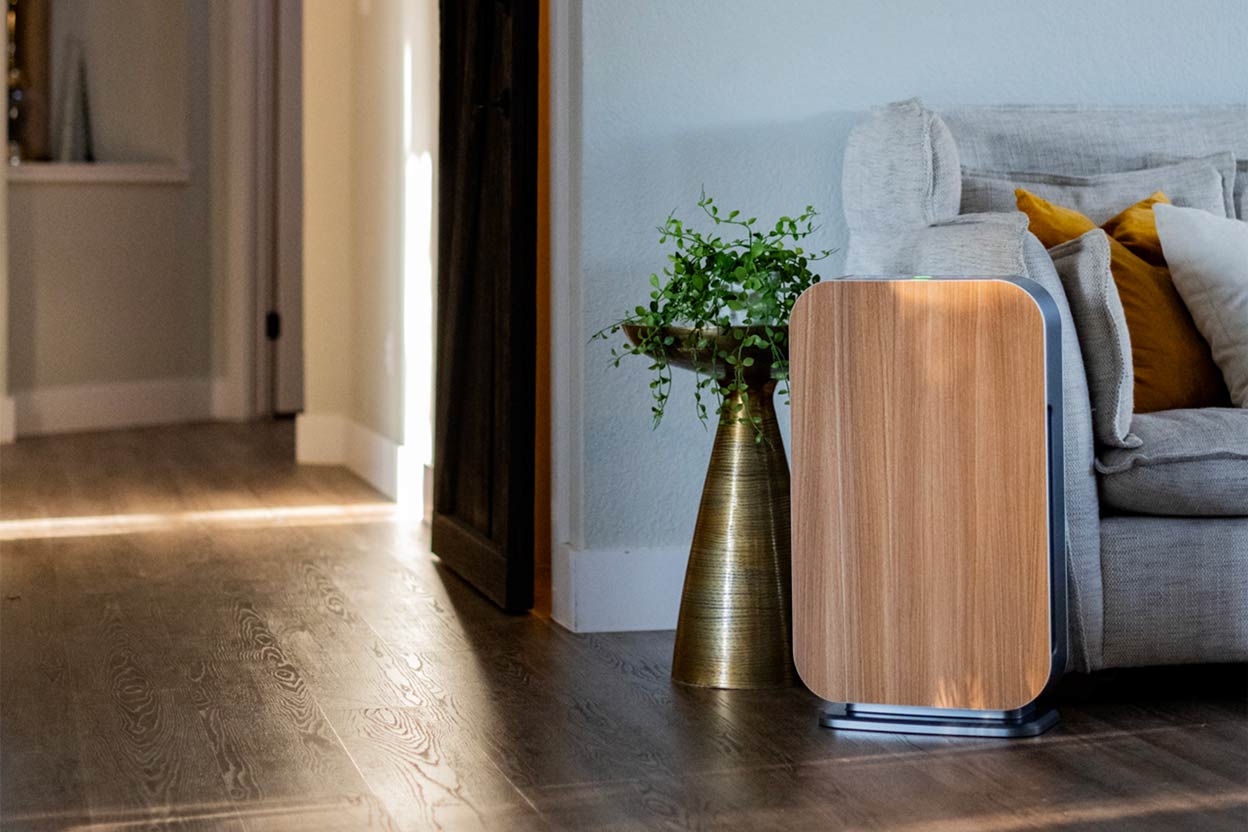
- Avoid Corners, Walls, and Obstructions: Never push an air purifier directly into a corner or flush against a wall. The intake and exhaust vents need clear space, usually 6-12 inches, to function properly. Avoid placing them behind large furniture, curtains, or under desks where airflow is restricted.
- Elevate If Possible: While not always necessary, placing an air purifier on a small table or stand (rather than directly on the floor) can sometimes improve its ability to capture heavier particles like pet dander before they settle.
- Consider High-Traffic Areas: If you only have a limited number of units for how many air purifiers do I need, prioritize high-traffic areas where people congregate, like living rooms and bedrooms, as these typically accumulate more pollutants.
I remember once visiting a client who complained their air purifier wasn't working. After a quick look, I found it tucked behind a large sofa, practically suffocated. Moving it to an open spot in the middle of the room made an immediate and noticeable difference in air quality. Simple adjustments in placement can dramatically improve how effectively your air purifiers clean your home's air.
Maintaining Your Air Purifiers for Long-Term Performance
You've done the hard work of figuring out how many air purifiers do I need and where to place them. Now, consistent maintenance is key to ensuring your investment continues to deliver clean air for years to come. Neglecting maintenance is like driving a car without oil changes—it might run for a while, but its efficiency and lifespan will severely suffer.
- Filter Replacement Schedules: This is the most critical aspect of air purifier maintenance. HEPA filters typically need to be replaced every 6-12 months, depending on usage and air quality. Activated carbon filters often have a shorter lifespan, usually 3-6 months, especially in homes with significant odors or VOCs. Always refer to your specific model's manual for recommended replacement intervals. Running an air purifier with a clogged filter is not only ineffective but can also strain the motor, reducing the unit's lifespan and increasing energy consumption.
- Pre-Filter Cleaning: Many air purifiers include a washable pre-filter designed to capture larger particles like dust and pet hair. Cleaning this pre-filter regularly—typically every 2-4 weeks by vacuuming or rinsing—can significantly extend the life of your more expensive HEPA and carbon filters.
- Unit Cleaning: Periodically wipe down the exterior of your air purifier with a soft, damp cloth to prevent dust buildup on the casing and vents. Ensure the unit is unplugged before cleaning.
- Sensor Cleaning (if applicable): Some advanced air purifiers have air quality sensors. If your unit has one, gently clean it as per the manufacturer’s instructions to ensure accurate readings and optimal automatic operation.
From my personal experience, ignoring filter replacement is the most common mistake people make. I once had a client who was convinced their new air purifier wasn't helping their allergies. Upon inspection, their filters were so caked with dust and pet dander, they were practically solid. Replacing them immediately restored the unit’s performance and brought relief. Proper maintenance ensures that how many air purifiers you choose remain effective guardians of your indoor air quality.
Frequently Asked Questions
How many air purifiers do I need for a 2000 sq ft house?
For a 2000 sq ft house, you'll likely need multiple air purifiers. A common strategy involves placing a larger, high-CADR unit in the main living area, and smaller, dedicated units in each bedroom and perhaps one in a significant problem area like a pet zone or kitchen.
Can one air purifier clean an entire open-plan house?
No, one air purifier cannot effectively clean an entire open-plan house if it has multiple rooms or significant square footage. Air purifiers work best within defined spaces, and while an open floor plan offers better circulation than closed rooms, a single unit will struggle to provide adequate air changes throughout a very large area.
Where is the best place to put an air purifier in a room?
The best place to put an air purifier in a room is in a central location, away from walls and obstructions, to allow for optimal airflow. Placing it near the most significant source of pollution in that room can also enhance its effectiveness.
How do I know if my air purifier is the right size for my room?
You can determine if your air purifier is the right size by comparing its Clean Air Delivery Rate (CADR) and recommended room coverage (often listed with Air Changes Per Hour, or ACH) to your room's actual square footage and desired ACH level (e.g., 4-5 ACH for allergy sufferers).
Is it okay to run an air purifier 24/7?
Yes, it is generally recommended to run an air purifier 24/7, especially if you have chronic allergies, pets, or significant indoor air quality concerns. Modern air purifiers are designed for continuous operation and are energy efficient.
Conclusion
Navigating the question of how many air purifiers do I need truly boils down to a thoughtful assessment of your specific environment and needs. It's not about a magic number, but rather a strategic approach combining room size, CADR ratings, air exchange rates, and a clear understanding of your household's unique pollutant challenges. By adopting a "zone approach" and selecting the right filter types for each area, you can create a highly effective system that significantly improves your indoor air quality. Remember that consistent maintenance, especially timely filter replacements and proper placement, will ensure your air purifiers perform optimally for years to come. Take the time to measure your spaces, identify your concerns, and choose wisely—your lungs will thank you. Start breathing easier today by implementing these strategies and taking control of your home's air.