A vacuum cleaner works by creating a partial vacuum and a lower air pressure zone inside the machine, causing higher external air pressure to push dirt and debris towards it.
Ever wondered how that humming appliance effortlessly banishes dust bunnies and crumbs from your floors? It's more than just a powerful motor; it's a fascinating interplay of physics and clever design. As someone who's spent years testing and understanding household appliances, I can tell you that grasping the fundamental principles of how a vacuum cleaner operates not only demystifies its magic but also helps you choose the right one and keep it running efficiently. Let's delve into the ingenious mechanics that make your vacuum cleaner a true cleaning hero.
The Core Mechanics: Suction and Airflow
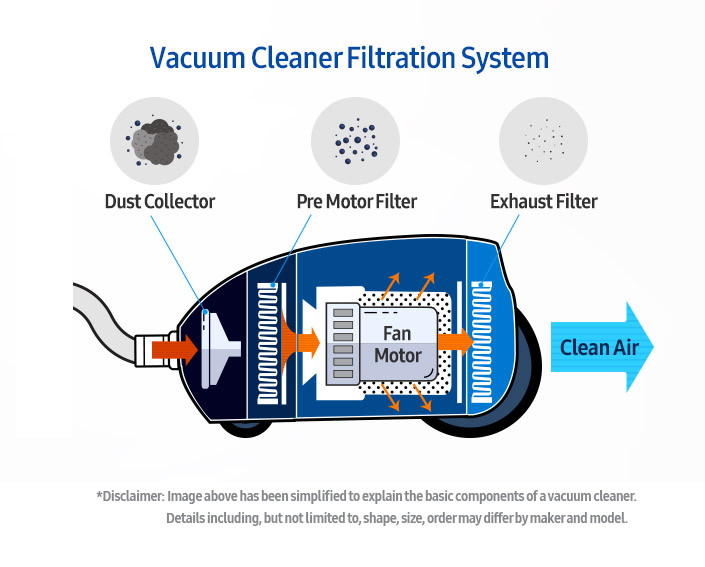
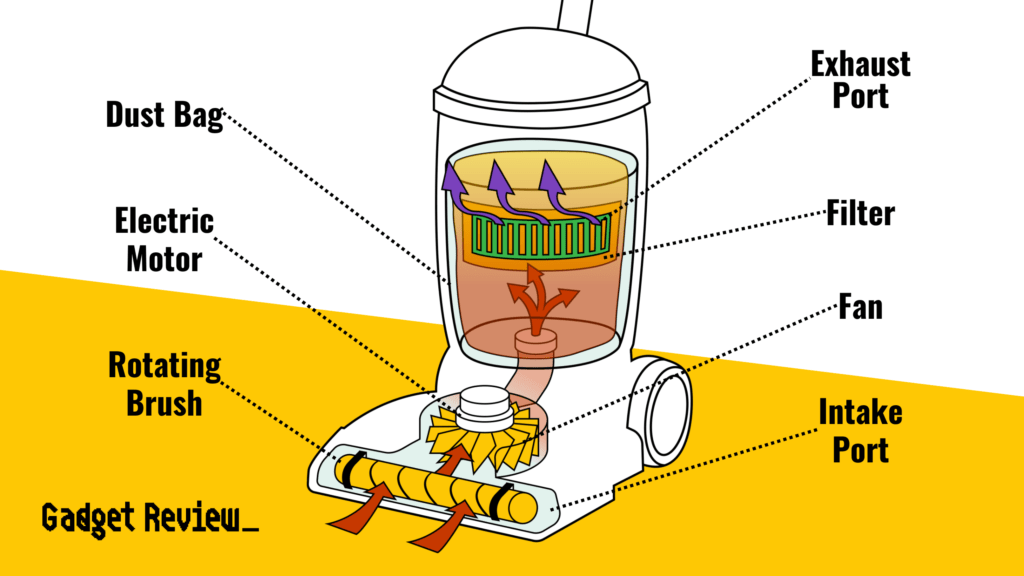
At its heart, a vacuum cleaner is a sophisticated air pump. The fundamental principle revolves around creating an air pressure differential. Think of it like a miniature, localized whirlwind that sucks up everything in its path. This process begins with the powerful motor and fan assembly, which are the real unsung heroes of clean floors.
How the Motor Works
The electric motor in your vacuum cleaner is the power plant, converting electrical energy into mechanical energy. This mechanical energy is then used to spin the fan at incredibly high speeds, often tens of thousands of revolutions per minute. The motor’s efficiency and power directly impact the vacuum’s overall suction strength.
The Fan's Role
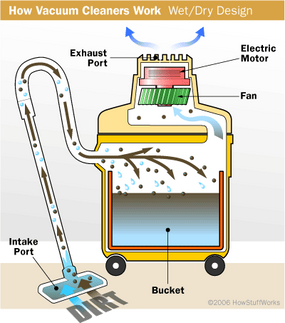
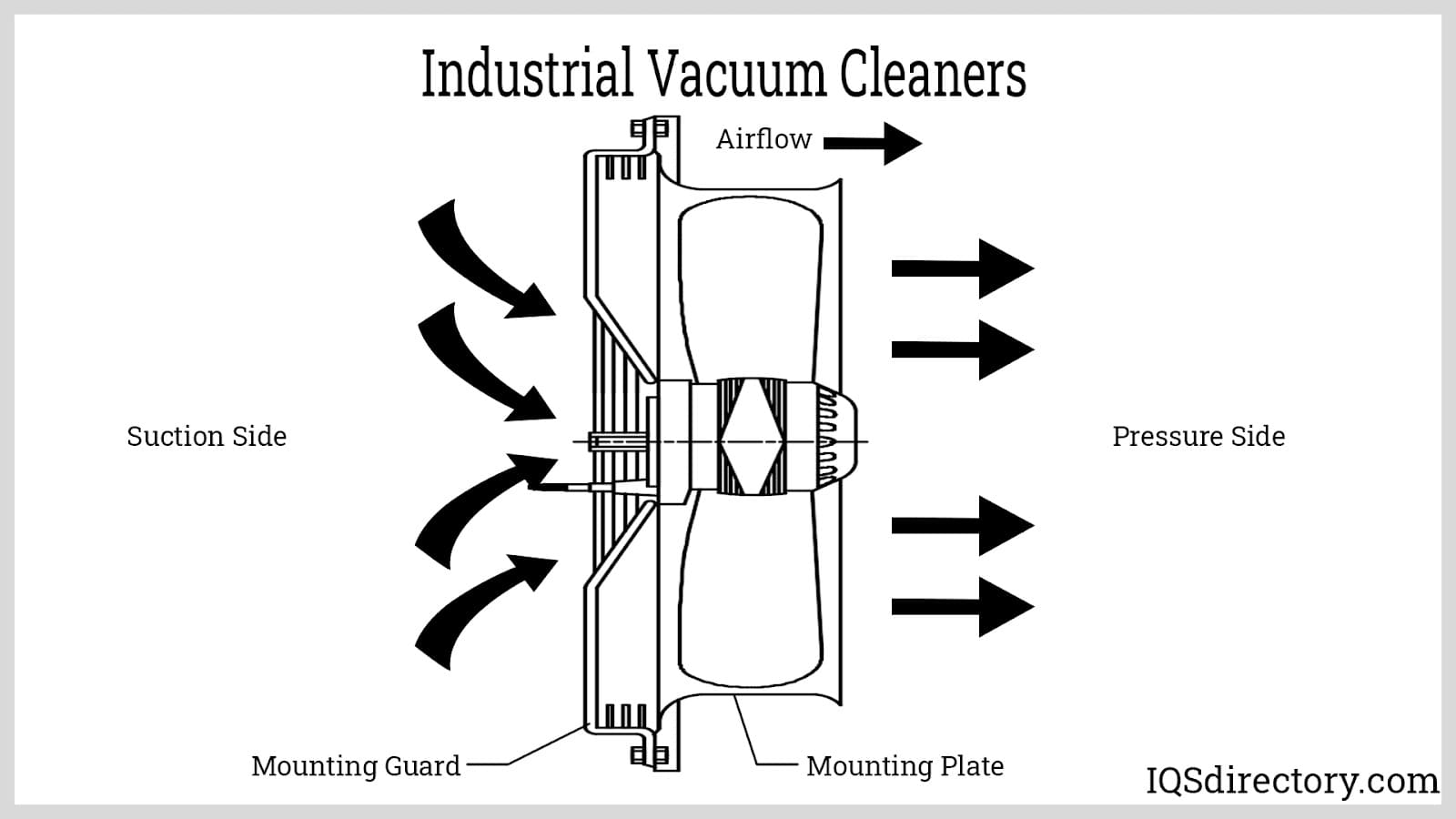
Attached directly to the motor, the fan (or impeller) is designed with angled blades, similar to an airplane propeller. As these blades spin rapidly, they push air out of the vacuum cleaner's exhaust port. This expulsion of air is what sets the entire "vacuum cleaner how does it work" process in motion.
Creating the Vacuum
When the fan expels air, it reduces the amount of air inside the vacuum cleaner's housing. This creates a zone of lower air pressure, or a partial vacuum, within the machine compared to the air pressure outside it. Nature abhors a vacuum, so higher pressure outside air rushes in through the cleaner head and hose to equalize this pressure difference.
Airflow and Debris Collection
This rushing air isn't empty; it carries dust, dirt, pet hair, and other debris from your floors into the vacuum cleaner. The air enters through the nozzle, flows through the hose, passes through the filter system, and eventually deposits the collected particles into a dust bag or dirt cup before the cleaned air is expelled back into the room. This continuous cycle is precisely how a vacuum cleaner effectively removes grime.
Key Components of a Vacuum Cleaner
Understanding how a vacuum cleaner works also means knowing its vital parts. Each component plays a crucial role in the cleaning process, from generating suction to trapping allergens. It’s like a well-oiled machine, where every piece contributes to the final result of spotless floors.
Motor and Fan
As we discussed, this is the engine of the operation. The motor provides the power, and the fan creates the essential airflow and suction. Without a robust motor and a well-designed fan, your vacuum cleaner wouldn’t be able to lift a single crumb.
Filter System
The filter system is paramount for preventing dust and allergens from re-entering your home’s air. Vacuums typically employ multiple layers of filtration, often including a pre-motor filter to protect the motor, and a post-motor filter to clean the exhaust air. High-Efficiency Particulate Air (HEPA) filters are particularly effective, capable of trapping 99.97% of particles as small as 0.3 microns, which is crucial for those with allergies or asthma.
Dust Collection
Once debris is sucked in, it needs somewhere to go. Vacuum cleaners primarily use two methods for dust collection:
- Bags: Traditional vacuum bags capture dirt and act as an additional filter layer. When full, you simply remove and dispose of the bag, minimizing contact with dust.
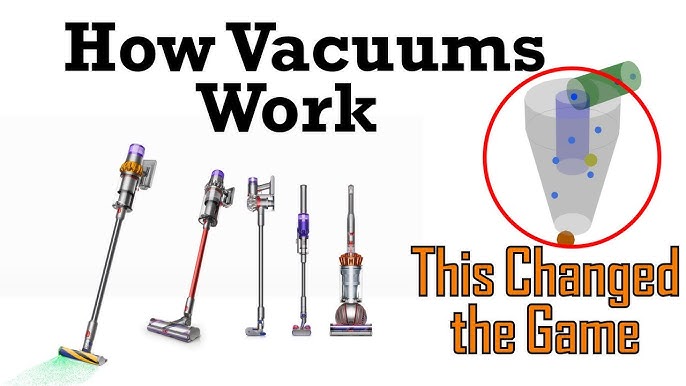
- Bagless (Dirt Cup/Cyclone Technology): These vacuums use centrifugal force, or cyclone technology, to spin the air rapidly, separating dirt particles from the airflow into a clear dirt cup. This allows for easy emptying and no ongoing bag costs.
Hose and Attachments
The hose provides flexibility and reach, allowing you to clean various surfaces and awkward spaces. A range of attachments, such as crevice tools, upholstery brushes, and dusting tools, further extends the vacuum's versatility, enabling targeted cleaning for specific tasks.
Power Source
Most conventional vacuum cleaners are corded, drawing power directly from an electrical outlet. Cordless or battery-powered models utilize rechargeable lithium-ion batteries, offering greater mobility and convenience for quick clean-ups, though often with shorter run times and potentially less sustained power.
Different Types of Vacuum Cleaners and How They Work
While the core principle of "vacuum cleaner how does it work" remains consistent, different designs optimize performance for various cleaning needs. From compact handhelds to intelligent robotic cleaners, each type has unique features and operational nuances.
Upright Vacuums
Upright vacuums are known for their powerful suction and wide cleaning paths, making them excellent for large carpeted areas. The motor, brush roll, and collection system are all housed in one unit. A spinning brush roll agitates carpet fibers, loosening dirt, which is then easily sucked up by the strong airflow.
Canister Vacuums
Canister vacuums separate the motor and collection bin into a wheeled canister, connected by a flexible hose to a cleaning head. This design offers greater maneuverability and versatility, often coming with a variety of attachments suitable for both hard floors and carpets. The power unit is heavier, but the cleaning head is lighter, reducing arm fatigue.
Handheld Vacuums
Designed for quick spot cleaning and small messes, handheld vacuums are compact and usually cordless. Their smaller motors and batteries are optimized for portability over sustained power, making them perfect for vacuuming car interiors, spilled cereal, or tight corners.
Robotic Vacuums
These autonomous cleaners utilize advanced sensors, mapping technology, and programmed algorithms to navigate and clean floors independently. They operate on the same suction principle but integrate intelligent movement patterns to cover entire rooms. I’ve personally seen how much time these can save busy households, though they still benefit from occasional manual vacuuming.
Stick Vacuums
A hybrid between upright and handheld vacuums, stick vacuums are lightweight and slender. They are often cordless and excel at quick clean-ups on both hard floors and low-pile carpets. Many models can convert into a handheld unit for added versatility, making them a great everyday vacuum cleaner.
Wet/Dry Vacuums
Unlike standard vacuums that only handle dry debris, wet/dry vacuums are specifically designed to pick up liquids as well as solids. They use a bypass motor that keeps the motor components separate from the airflow, preventing damage when liquids are ingested. They are essential for garage workshops or basement cleanups.
The Science Behind the Suction
To truly appreciate how a vacuum cleaner works, it helps to understand a bit of the underlying physics. It’s not magic, but rather a brilliant application of air pressure and fluid dynamics that allows these machines to effectively lift dirt and particles.
Air Pressure Differential
The core scientific principle at play is the air pressure differential. Our atmosphere exerts pressure on everything around us. When the vacuum's fan expels air, it lowers the internal pressure. This creates a pressure gradient where the external atmospheric pressure, which is higher, pushes air—and anything light enough within that air, like dust—into the vacuum cleaner's intake. The greater the difference in pressure, the stronger the suction.
Fluid Dynamics in Action
The movement of air and particles inside the vacuum cleaner is governed by fluid dynamics. As air accelerates through the narrow opening of the vacuum nozzle, its velocity increases, further aiding in the lift and transport of debris. This high-speed airflow carries the dirt through the hose and into the collection chamber, where filters then separate the solid particles from the air before it's expelled. It’s a continuous, dynamic system.

Maintaining Your Vacuum for Optimal Performance
Even the most advanced vacuum cleaner won't perform its best if neglected. Based on my experience, proper maintenance is key to ensuring your vacuum cleaner works efficiently for years. It's not just about prolonging its life; it's about maintaining effective cleaning power and good air quality in your home.
Filter Care
This is perhaps the most crucial maintenance step. Clogged filters restrict airflow, dramatically reducing suction power. Regularly check and clean washable filters according to the manufacturer's instructions, usually with warm water and mild soap, ensuring they are completely dry before reinserting. Non-washable filters should be replaced periodically, typically every 6-12 months, depending on usage.
Emptying the Bin/Bag
Don't wait until your dirt cup is overflowing or your bag is bursting. A full collection system impedes airflow and can strain the motor. Empty bagless bins after every few uses, or when they reach the "max fill" line. Replace vacuum bags when they are two-thirds full to maintain optimal performance and prevent odors.
Clearing Blockages
If you notice a sudden drop in suction, a blockage is often the culprit. Common culprits include hair, socks, or small toys stuck in the hose, brush roll, or intake nozzle. Disconnect the vacuum from power and carefully inspect these areas. Many vacuums have access points designed for easy blockage removal. I once spent an hour troubleshooting a vacuum only to find a missing LEGO piece had stopped it dead in its tracks!
Brush Roll Maintenance
The brush roll, especially on upright and stick vacuums, can become tangled with hair and carpet fibers. This reduces its effectiveness in agitating dirt. Regularly snip away tangled hair with scissors (being careful not to cut the bristles or belt) and remove any debris. Some brush rolls are removable for easier cleaning.
My Take on Vacuum Cleaning
Having seen countless vacuum cleaner designs and technologies over the years, I've developed a deep appreciation for the innovation in this seemingly simple appliance. It’s truly amazing how far the "vacuum cleaner how does it work" principle has been refined. My experience tells me that while all vacuums operate on the same basic principle, the nuances in design, filtration, and power delivery make a huge difference in real-world cleaning.
Choosing the Right Vacuum
When friends ask me for advice, I always emphasize that there's no "one-size-fits-all" vacuum. Your ideal vacuum cleaner depends on your home's layout, flooring types, presence of pets, and personal preferences. For instance, if you have mostly hard floors and pets, a good canister vacuum with a strong suction and specialized hard floor brush might be better than a heavy upright. Conversely, for wall-to-wall carpeting, an upright with a powerful brush roll is often superior.
A Common Mistake I've Seen
One of the biggest mistakes I see people make is not paying attention to their filters. They assume the vacuum is just "losing power" when in reality, a dirty filter is suffocating the motor and blocking airflow. It’s like trying to run a marathon while breathing through a tiny straw. A clean filter is critical to how a vacuum cleaner works at its peak.
The Unsung Hero: Good Filters
I can't stress enough the importance of a good filtration system, especially if you or someone in your home suffers from allergies. Investing in a vacuum with a sealed system and a true HEPA filter makes a tangible difference in indoor air quality. It’s not just about cleaning your floors; it’s about cleaning the air you breathe, too.

Frequently Asked Questions
What makes a vacuum cleaner powerful?
A vacuum cleaner's power primarily comes from a strong motor and an efficient fan design that together create a significant air pressure differential. This allows a greater volume of air, carrying dirt and debris, to be drawn into the machine quickly.
Can a vacuum cleaner truly create a perfect vacuum?
No, a household vacuum cleaner does not create a perfect vacuum. It creates a partial vacuum, meaning it significantly reduces the air pressure inside its housing compared to the outside, but it never reaches a complete absence of air particles.
How often should I clean my vacuum cleaner's filters?
The frequency depends on usage and filter type. Washable filters should typically be cleaned monthly for average use, while non-washable filters may need replacement every 6-12 months. Always check your specific model's manual for recommendations.
Do bagless vacuums have better suction than bagged vacuums?
Neither type inherently has better suction than the other; suction power depends more on the motor, design, and maintenance. Bagless vacuums rely on cyclonic separation, while bagged vacuums use multi-layer bags that also filter. Both can offer excellent performance if well-designed and maintained.
What is the purpose of the brush roll in a vacuum cleaner?
The brush roll, also known as a beater bar, rotates rapidly to agitate carpet fibers. This action loosens embedded dirt, pet hair, and debris from the carpet, making it much easier for the vacuum's suction to pick them up effectively.
Conclusion
The humble vacuum cleaner, far from being just a noisy box, is a marvel of engineering, harnessing the fundamental principles of air pressure and fluid dynamics to keep our living spaces spotless. From the powerful motor that spins the fan to the intricate filter systems that trap microscopic allergens, every component works in concert to demonstrate precisely how a vacuum cleaner works to perform its vital task. Understanding these mechanics empowers you not only to appreciate your cleaning appliance but also to make informed choices when buying a new one and to maintain your current model for peak efficiency. So, the next time you power up your vacuum, remember the clever science at play, ensuring a cleaner, healthier home with every pass. Explore the possibilities of better home cleaning today, and perhaps share your own vacuum cleaning experiences in the comments below!